
rlng prices jump
| | | |

RLNG prices jump up to 34.6% amid supply disruptio…

ISLAMABAD: The Oil and Gas Regulatory Authority (OGRA) has increased the prices of re-gasified liquefied natural gas (RLNG) by up to 34.6% for July 2026, as continued disruptions in LNG supplies from Qatar forced Pakistan to rely on expensive spot market imports.

According to an official notification, consumers of Sui Southern Gas Company (SSGC) will face the largest increase. The RLNG price for SSGC consumers has been fixed at $25.087 per MMBtu, following an increase of $6.4512 per MMBtu, representing a 34.6% rise.

Consumers of Sui Northern Gas Pipelines Limited (SNGPL) will also pay higher rates. The regulator fixed the RLNG price at $25.8388 per MMBtu, an increase of $6.316 per MMBtu, or 32.35%, compared with the previous month.

Officials said the latest increase was mainly driven by a sharp decline in LNG imports during July. Pakistan received only five LNG cargoes throughout the month, making it the third-lowest monthly import volume since the country started importing LNG.

The reduced supply forced the country to purchase all available LNG cargoes from the international spot market, where prices are generally much higher and more volatile than long-term contractual rates.

Energy officials said state-owned Pakistan LNG Limited arranged all five cargoes from the spot market. Meanwhile, Pakistan did not receive any LNG shipments under its long-term agreements with Qatar during the month.

The interruption in Qatari supplies has continued since damage to energy infrastructure earlier this year, affecting LNG exports to several countries in Asia and Europe, including Pakistan.

Experts said the absence of lower-cost LNG from long-term contracts has significantly increased Pakistan’s import bill and placed additional pressure on the country’s energy sector.

Since the regional conflict in the Middle East began earlier this year, RLNG prices in Pakistan have risen by more than 144%, making energy substantially more expensive for industries, businesses and other consumers.
Similar Posts

  • | |

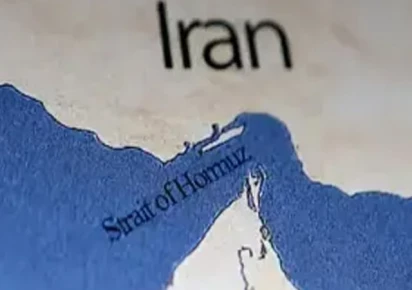
    Iran, Oman reach deal on Strait of Hormuz shipping routes

    Iran and Oman have reached an agreement on a proposed shipping route map for the strategically important Strait of Hormuz following weeks of technical negotiations, Iranian officials said on Saturday. Iranian Foreign Ministry spokesman Esmaeil Baghaei said the two countries had made significant progress in talks aimed at establishing safer navigation routes through the waterway. The negotiations began around three months ago under an agreement signed in June. Baghaei said the proposed route was developed through coordination between Iran’s foreign ministry and its defence, security and environmental authorities. He added that Tehran and Muscat were still discussing some remaining issues, including the wording of a joint statement. The spokesman stressed that the arrangement was a bilateral agreement between Iran and Oman and was intended to facilitate the safe movement of commercial vessels while respecting the sovereignty of both countries. However, Tehran has made clear that the full restoration of normal shipping through the Strait of Hormuz depends on broader developments involving the United States. Baghaei said Iran wanted an end to what it described as US military threats, naval restrictions and violations of previous commitments before normal commercial traffic could fully resume. Iranian Foreign Minister Abbas Araghchi separately said negotiations with Oman over the waterway were continuing. He described the discussions as separate from the wider diplomatic dispute between Tehran and Washington. Araghchi also rejected the description of an earlier agreement as a simple 60-day ceasefire. He said the understanding was aimed at ending the war, while the 60-day period was intended for negotiations toward a final settlement. He said Qatar and Pakistan were continuing to exchange messages with Iran but stressed that Tehran had not yet decided to resume direct negotiations with Washington. Iranian Deputy Foreign Minister Kazem Gharibabadi also rejected claims that the United States could take control of the Strait of Hormuz. He said Iran remained in charge of decisions concerning the waterway and dismissed statements suggesting that the strait could become US territory. The Strait of Hormuz is one of the world’s most important energy corridors, connecting the Persian Gulf with the Gulf of Oman. A prolonged disruption to shipping through the waterway has raised concerns over global energy supplies and fuel prices. The latest developments come amid continuing tensions between Iran, the United States and Israel. Shipping through the strait remains significantly below normal levels, while diplomatic efforts to end the wider conflict have yet to produce a lasting settlement. US President Donald Trump has meanwhile urged Americans to accept higher fuel prices while the conflict continues, arguing that confronting Iran was necessary to prevent it from obtaining a nuclear weapon. The dispute has already pushed global oil prices higher, while rising fuel costs in the United States have added to inflationary pressures.

  • |

    Pakistan, Saudi Arabia reaffirm ‘Brotherly T…

    Pakistan and Saudi Arabia on Saturday reaffirmed their “close and brotherly ties” while underscoring the importance of diplomacy amid escalating tensions in the Middle East involving the United States, Iran, and Yemen’s Houthi movement. The development came as Yemen’s Houthis launched attacks on Saudi oil installations at two Red Sea ports, raising concerns that the conflict disrupting energy supplies from the Gulf could spread to another major shipping route. According to a statement issued by the Ministry of Foreign Affairs, Deputy Prime Minister and Foreign Minister Senator Mohammad Ishaq Dar spoke with Saudi Foreign Minister Prince Faisal bin Farhan Al Saud. The two leaders exchanged views on the latest regional developments and reaffirmed the close and brotherly ties between Pakistan and Saudi Arabia. Both leaders underscored the importance of continued diplomacy and shared their commitment to promoting constructive engagement, peace, and stability in the region. The Middle East crisis, which has continued for nearly six months, has affected regional stability and disrupted energy supplies, with concerns extending beyond the region. The situation appeared to enter a different phase as the United States refrained from launching air strikes on Iran for the first night in two weeks, without immediately explaining the halt. The Houthi attacks on Saudi oil installations threaten to widen disruptions to global oil supplies caused by the Iran conflict and have contributed to a sharp rise in global oil prices, with Brent crude rising above $100 a barrel for the first time since May. Amid the escalating tensions, US President Donald Trump on Friday vowed “major military punishment” for Tehran and the Houthis after the group claimed responsibility for striking two Saudi tankers in the Red Sea on Thursday. The Saudi-led coalition said it would continue taking necessary measures to protect its ships and Saudi Arabia’s interests, warning it would respond “uncompromisingly” if the Houthis continued their attacks. The coalition’s response underscores the seriousness of the situation and the potential for further escalation. Pakistan and Saudi Arabia have historically maintained strong bilateral relations, with both countries cooperating on a range of issues, including security, economic development, and regional stability. The reaffirmation of their ties comes at a critical time, as the Middle East faces increasing instability and the threat of a wider conflict. The two leaders’ commitment to diplomacy reflects a shared recognition of the need for dialogue and cooperation to address the complex challenges facing the region. As tensions continue to rise, Pakistan and Saudi Arabia remain committed to promoting peace and stability in the Middle East. The international community has urged restraint, with the UN warning of catastrophic consequences if the violence continues. The coming days will be critical in determining whether diplomatic efforts can prevent a full-scale war or whether the region will slide further into chaos. The situation remains fluid, and the world watches with concern as the conflict in the Middle East continues to unfold. The commitment of Pakistan and Saudi Arabia to diplomacy offers a glimmer of hope for a peaceful resolution, but the challenges ahead are significant, and the path to peace remains uncertain. The international community must continue to support efforts to de-escalate tensions and promote regional stability, ensuring that the voices of diplomacy and dialogue prevail over the drums of war. The situation in the Middle East serves as a reminder of the interconnectedness of global security and the importance of cooperation in addressing shared challenges. The coming weeks will be critical in shaping the future of the region and the broader global order, with the conflict highlighting the urgent need for a coordinated international response to prevent further escalation and promote lasting peace.

  • | |

    Islamabad set to become medical tourism hub

    The Special Investment Facilitation Council (SIFC) is accelerating plans to establish Pakistan’s first luxury medical tourism model centre in Islamabad, with the aim of capturing a greater share of the rapidly growing global medical tourism market. Pakistan is seeking to benefit from the global medical tourism industry, estimated to be worth around $144 billion, while the country currently accounts for only about 0.5% of the market. The initiative gained momentum after plastic and cosmetic surgeon Dr Muhammad Salman Khan approached the SIFC Secretariat seeking up to 25,000 square feet of land or a built-up facility for a five-star luxury medical centre with room for future expansion. In his proposal, Dr Khan said cosmetic surgery and dentistry together account for around 35% of global medical tourism activity. He argued that Pakistani specialists can provide international-standard services at significantly lower costs than those charged in countries such as Turkey, the United States and the United Kingdom. The SIFC subsequently convened a high-level meeting at its secretariat on August 5. Representatives from the Capital Development Authority (CDA), Jinnah Medical Complex and medical professionals participated in the meeting. According to the meeting minutes, Dr Salman presented a phased plan for the project. The initiative would initially introduce premium “Med Suites” in Islamabad, followed by a dedicated medical tourism centre and eventually the development of a comprehensive Islamabad Medical City. Participants identified several advantages that could help Pakistan compete in the international medical tourism sector. These include significantly lower treatment costs, a large pool of qualified medical specialists and a sizeable overseas Pakistani community that could form an initial customer base for the proposed services. The meeting also highlighted the distinction between aesthetic tourism and broader medical tourism. Officials agreed that establishing a dedicated luxury aesthetic tourism centre in the federal capital could help create the foundation for a new high-value industry. The proposed facility could attract thousands of international patients to Pakistan and generate valuable foreign exchange for the country. Islamabad was considered a suitable location because of its relatively secure environment, scenic surroundings and high-quality residential infrastructure. The proposed model would combine specialised medical services with a five-star hospitality experience for patients and their accompanying family members. The meeting concluded with several directives to move the proposal forward. The CDA was asked to arrange a follow-up meeting within a week involving Dr Salman Khan, the CDA chairman and other relevant stakeholders to examine the proposal in detail. Medical experts were also directed to prepare a comprehensive investment, commercial and financial feasibility study for the proposed project at the Jinnah Medical Complex. Separately, the SIFC was asked to arrange meetings between leading medical specialists and representatives of major five-star hotels in Islamabad. The discussions will assess commercial interest and examine the practical feasibility of developing dedicated medical tourism facilities. The project has now entered an initial implementation phase, with several government institutions involved in evaluating the proposal.

  • |

    Hanin Shah’s heroics fall short as Falcons win CPL thriller

    Antigua and Barbuda Falcons began their Caribbean Premier League 2026 campaign with a dramatic two-wicket victory over Jamaica Kingsmen, sealing the opening match on the final delivery after a tense finish. The Falcons successfully chased down a target of 168, but what appeared to be a comfortable pursuit turned into a nail-biting contest during the final over. Jamaica Kingsmen, batting first, posted 167 runs after a competitive innings. Reeza Hendricks provided an aggressive start, scoring 42 off 25 balls, while Rovman Powell played a valuable captain’s knock of 47 from 37 deliveries. For the Falcons, Alzarri Joseph was the standout bowler, claiming three wickets and helping restrict the Kingsmen to a total that remained within reach. The Falcons looked well placed during the chase and entered the final over needing just six runs with four wickets in hand. Victory appeared almost certain, but Jamaica’s young fast bowler Hanin Shah suddenly changed the mood of the contest. Shah conceded three runs from the first two deliveries before producing a stunning response. He struck twice in successive balls, taking two wickets and putting the Falcons under unexpected pressure. With the equation reduced to two runs from the final delivery, Shah delivered another impressive ball into the blockhole, denying the batter the opportunity to play a big shot. However, the dramatic finish ultimately went against Jamaica. The Falcons managed to complete the required two runs after a misfield by Kingsmen captain Rovman Powell at long-on. The fielding error allowed the visitors to cross the line and secure a thrilling two-wicket victory on the final ball. For Shah, the ending was particularly frustrating. His brilliant final over had brought Jamaica back into contention and left the Falcons needing to find a way through under intense pressure. Despite his late heroics, the young pacer could not prevent his side from suffering defeat. The result gave Antigua and Barbuda Falcons a winning start to their CPL 2026 campaign, while Jamaica Kingsmen were left to reflect on a match that had seemingly slipped away before Shah produced a remarkable late fightback. The opening fixture provided exactly the kind of drama expected from the Caribbean Premier League, with powerful batting, timely wickets and a last-ball finish setting the tone for the tournament.

  • NA Committee calls for better support for children with Dyslexia

    Islamabad: More than two years after the approval of the Dyslexia Special Measures Law, the National Assembly Standing Committee on Federal Education and Professional Training has raised serious concerns over the slow progress in implementing measures designed to support children facing learning difficulties. During the 25th meeting of the National Assembly Standing Committee on Federal Education and Professional Training, chaired by Ms. Mahtab Akbar Rashdi, MNA, the committee reviewed the progress of recommendations made for children with dyslexia and questioned whether the required rules, support systems and professional facilities had been fully developed. The issue was brought before the committee after Dr. Shazia Sobia Aslam Soomro, MNA, presented the report of the sub committee on dyslexia. She informed the committee that a meeting on the subject was held on 19 February 2024 at the National Assembly regarding the Dyslexia Bill passed in 2022. She stated that officials had earlier informed the committee that work on implementation was still in progress. Dr. Shazia highlighted that dyslexia is often misunderstood as a disease, while it is actually a learning condition that requires proper identification and specialised support. She stressed the need for trained experts who can identify children with dyslexia and help them continue their education effectively. The committee had earlier recommended that the Ministry of Federal Education and Professional Training provide details about the implementation status of the Dyslexia Special Measures Law, including rules, regulations, screening reports and future plans. It also called for the creation of a national database and the availability of trained remedial therapists and educational psychologists to support affected children. The committee also recommended that examination boards develop special arrangements for students with certified dyslexia and related learning difficulties so they can receive appropriate support during examinations. Dr. Shazia further recommended bringing all major education stakeholders together, including the Higher Education Commission, National Vocational and Technical Training Commission, Allama Iqbal Open University, Federal Board of Intermediate and Secondary Education, Inter Boards Coordination Committee, National Institute of Psychology, National Book Foundation and National Curriculum Council. She said that joint efforts were necessary to prepare proper rules and regulations and start practical work under the law. Chairperson Ms. Mahtab Akbar Rashdi directed that the recommendations should officially be sent to the Ministry of Federal Education and Professional Training. She said the Ministry should review the recommendations and provide information about implementation progress or any concerns. A ministry representative informed the committee that some steps had already been taken and a report on completed and ongoing actions would be submitted. The official also stated that remedial therapy services had already been started in government schools. Committee members also suggested involving organisations already working voluntarily for children with learning difficulties so their experience and feedback could help improve the system. The committee’s discussion highlighted concerns over the lack of a complete national system for identifying children with dyslexia, shortage of trained specialists and the need for stronger coordination between education institutions and government departments. The committee stressed that children with learning difficulties should not be ignored and must receive proper educational support, trained professionals and suitable examination facilities so they can achieve their full potential.

  • | |

    Justice Shahid Karim’s retirement to leave 21 va…

      A spokesperson has confirmed that Justice Shahid Karim is currently ranked sixth on the seniority list of judges serving at the Lahore High Court. His position on the seniority roster reflects his extensive judicial experience and years of service within Pakistan’s higher judiciary. According to the spokesperson, Justice Shahid Karim has been hearing cases related to smog prevention and environmental pollution for the past several years. During this period, he has presided over numerous hearings concerning environmental protection, air quality, and measures aimed at reducing the harmful effects of smog, particularly in Punjab. His courtroom has become a focal point for addressing environmental issues that have increasingly affected public health and the quality of life in the province. Justice Karim has been widely recognized for taking an active interest in environmental matters. Under his supervision, various government departments have been directed to implement policies and practical measures to tackle air pollution and improve environmental standards. His hearings have often involved officials from environmental agencies, local governments, industries, and other stakeholders responsible for ensuring compliance with environmental regulations. The issue of smog has become one of the most pressing environmental challenges in Pakistan, especially during the winter months, when air quality deteriorates significantly due to industrial emissions, vehicle exhaust, crop residue burning, and unfavorable weather conditions. Through his judicial oversight, Justice Shahid Karim has consistently emphasized the need for coordinated action among government institutions to protect public health and reduce environmental degradation. The spokesperson further stated that Justice Shahid Karim’s retirement will create another vacancy in the Lahore High Court. Following his retirement, the total number of vacant judicial positions at the court will rise to 21. This increase in vacancies is expected to place additional pressure on the existing judges, who already manage a heavy workload involving thousands of pending civil, criminal, constitutional, and administrative cases. Judicial vacancies are a matter of concern because they can contribute to delays in the disposal of cases and increase the burden on the remaining members of the bench. Legal experts have frequently stressed the importance of filling vacant judicial positions promptly to ensure timely access to justice and maintain the efficient functioning of the court system. The retirement of a senior judge such as Justice Shahid Karim is also significant because of the experience and expertise he brings to the judiciary. Over the years, he has handled a wide range of important legal matters, but his role in environmental litigation has particularly distinguished his judicial career. His decisions and observations have highlighted the importance of environmental conservation, sustainable development, and government accountability in addressing pollution-related challenges. With his departure from the bench, authorities are expected to initiate the process of appointing new judges to fill the growing number of vacancies in the Lahore High Court. These appointments will be important in ensuring that the court continues to function effectively and that the backlog of pending cases does not increase further. Justice Shahid Karim’s retirement marks the end of an important chapter in the Lahore High Court’s judicial history. His contributions, particularly in the field of environmental justice and smog control, have had a lasting impact on legal and policy discussions surrounding environmental protection in Pakistan. As the Lahore High Court prepares for this transition, the appointment of qualified judges will be essential to maintaining the efficiency, credibility, and effectiveness of the judicial system.

Leave a Reply

Your email address will not be published. Required fields are marked *