
search ends all
| |

Search ends as all 34 miners recovered after Quett…

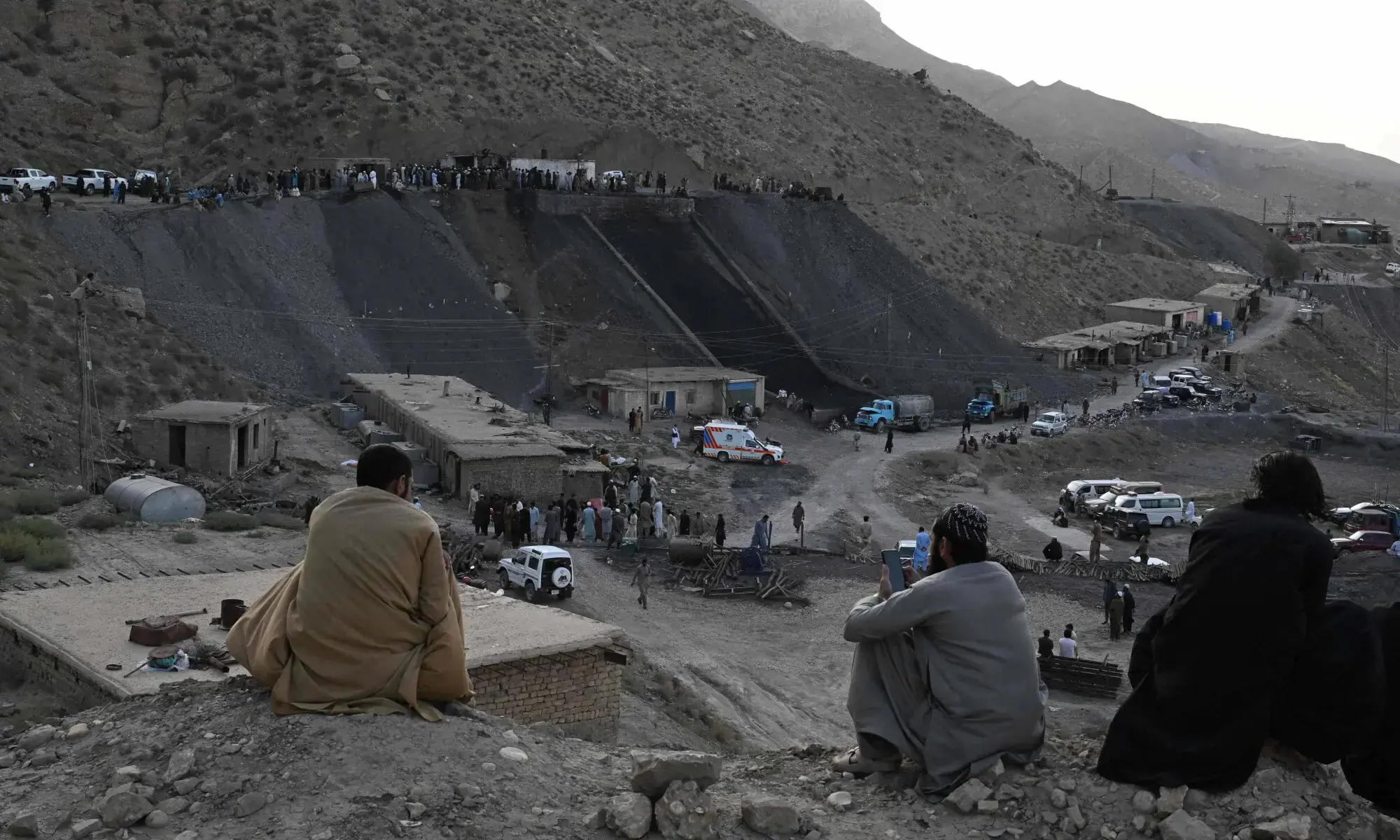
QUETTA: The search and rescue operation at the site of the deadly coal mine explosion near Quetta concluded on Saturday after rescuers recovered the bodies of the last two trapped miners. With the latest recovery, the death toll from the tragedy has reached 34.

The explosion took place on Thursday at a privately operated coal mine in the Sorange coalfield, located around 30 kilometres northeast of Quetta. Officials said a buildup of methane gas triggered a powerful explosion, causing a fire inside the mine and leading to its collapse. The blast also affected another nearby mine.

Balochistan Chief Inspector of Mines Muhammad Atif confirmed that all 34 miners trapped underground had now been recovered. He said rescue teams worked continuously under difficult conditions to retrieve the remaining two bodies after recovering 32 victims on Friday.

Following the completion of the rescue mission, authorities sealed both mines and launched a formal investigation into the incident. A team of mining experts has been formed to determine the exact cause of the explosion and examine whether all required safety measures had been followed.

Officials said all the deceased miners belonged to Shangla district in Khyber Pakhtunkhwa. Their bodies have been transported to their hometowns, where funeral prayers and burials will be held.

Authorities said 23 of the victims were residents of Pirabad, a village that has repeatedly suffered losses in coal mining accidents. Local representatives said most of the miners were young men between the ages of 17 and 25.

Community leaders said many of the victims belonged to the same families and were close relatives. Some of the deceased had already lost their fathers in previous mining accidents, reflecting the continued dangers faced by families dependent on coal mining for their livelihood.

According to officials, 24 miners were working nearly 4,000 feet underground in the mine where the methane gas explosion occurred. The remaining workers were trapped in another nearby mine that was also affected by the blast.

The tragedy has once again highlighted concerns over working conditions and safety standards in Pakistan’s coal mining sector. Labour organisations have repeatedly called for stronger enforcement of mining regulations, improved ventilation systems and better emergency preparedness to reduce the risk of fatal accidents.

Coal mining remains one of the country’s most dangerous occupations. Workers face constant threats from gas explosions, mine collapses, toxic fumes, suffocation and long-term respiratory diseases caused by prolonged exposure to coal dust.
Similar Posts

  • |

    Congolese health officials intercept river boat to test 300 passengers following suspected Ebola death

    Health authorities in the Democratic Republic of the Congo have intercepted a river boat carrying more than 300 passengers near Kinshasa to perform emergency screening following the death of a passenger suspected of having contracted Ebola. The vessel was stopped in Maluku, located approximately 65 kilometres upstream from the capital, where public health teams deployed a mobile laboratory to conduct clinical evaluations and temperature checks on all individuals aboard. Medical personnel collected blood samples from four passengers exhibiting feverish symptoms, with laboratory results expected to confirm whether the virus is present. The precautionary intervention follows the death of a 32-year-old man who travelled on the boat and later tested positive for suspected symptoms of the disease. Health officials face conflicting accounts regarding the origin of the vessel and where the deceased passenger boarded, as discrepancy remains between regional health directors regarding whether the trip originated in Mongala province or in Kisangani, the capital of Tshopo province, where an active Ebola outbreak is ongoing. In response to the broader regional health emergency, the Africa Centres for Disease Control and Prevention announced plans to expand the administration of vaccines and antiviral treatments, including remdesivir, across affected provinces to contain further transmission.

  • | | |

    Pakistan clarifies Afghan deportation policy

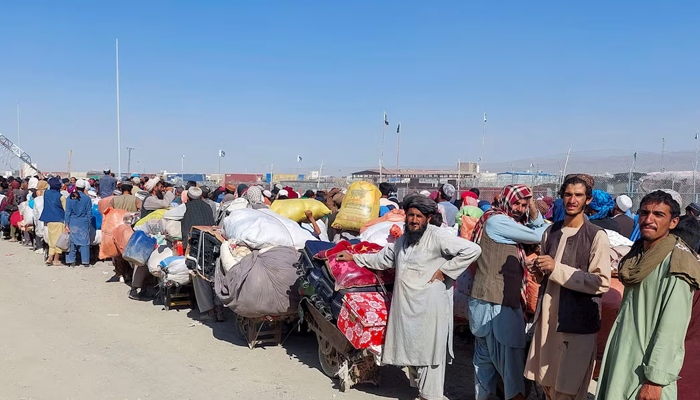
    Pakistan has clarified that Afghan citizens with valid visas and travel documents have not been expelled from the country. Foreign Office spokesperson Tahir Hussain Andrabi said the government was following a legal process regarding Afghan nationals staying in Pakistan. Addressing the weekly press briefing, Andrabi said cases of around 89,000 Afghan citizens were currently being reviewed under the Illegal Foreigners Repatriation Plan (IFRP). He explained that the process was being carried out according to established procedures and legal requirements. The spokesperson added that Pakistan was also providing humanitarian relief by extending the stay of nearly 16,000 Afghan nationals. The extension applies mainly to vulnerable groups, including women, children and elderly citizens, he said. Commenting on reports of an incident near the Chitral border areas, Andrabi said the Foreign Office had no confirmed information about the matter. He stated that reports coming from Afghanistan needed proper verification at the ground level before any official response could be given. The spokesperson stressed that Pakistan would avoid commenting on unverified reports and would share information only after confirmation from reliable sources.

  • | |

    Pakistan standing tall: realising Jinnah’s visio…

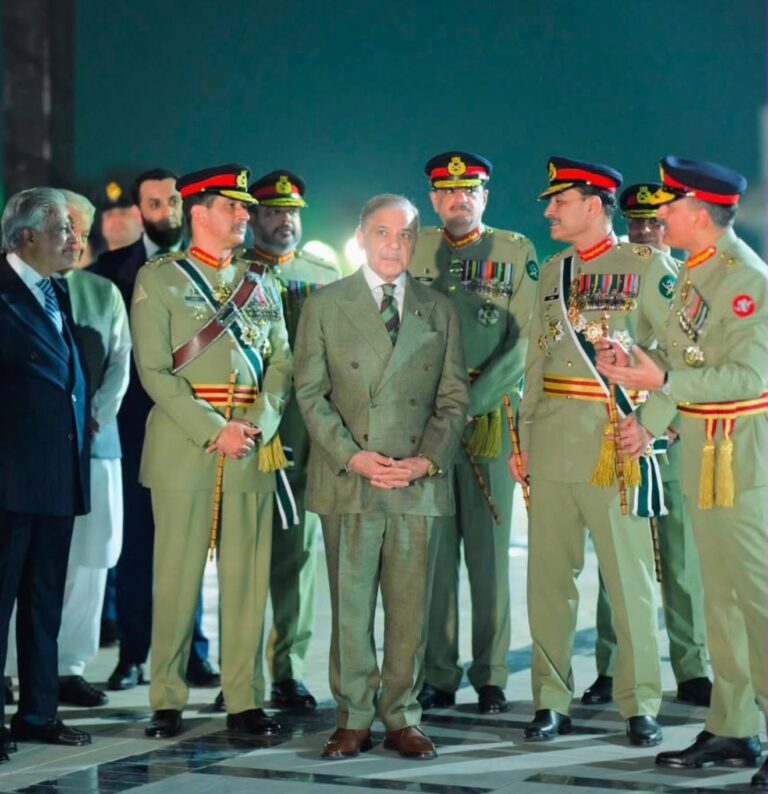
    Shehbaz Sharif and Asim Munir: Advancing the Vision of Quaid-e-Azam As Pakistan celebrates its 79th Independence Day, there is a growing sense that the country is witnessing a moment that would have deeply pleased its founding father, Quaid-e-Azam Muhammad Ali Jinnah. For decades, Pakistanis have carried Jinnah’s vision of a strong, sovereign and respected Pakistan in their hearts. Today, as Pakistan’s diplomatic and strategic importance continues to grow, that vision appears increasingly visible on the international stage. Prime Minister Muhammad Shehbaz Sharif and Field Marshal Syed Asim Munir are working together to translate that vision into reality. Their close coordination has provided Pakistan with a sense of direction, unity and confidence at a time when the world itself is undergoing profound geopolitical change. The Pakistan of today is increasingly being recognised as a country whose voice matters. Jinnah envisaged a Pakistan that would not merely exist on the world map, but would stand with dignity, sovereignty and confidence among the nations of the world. His vision was of a country capable of determining its own destiny and making a meaningful contribution to international affairs. There is a powerful resonance between that vision and the Pakistan we are witnessing today. Jinnah once spoke of a future in which the world’s decisions would be influenced by Pakistan. For many years, that aspiration seemed distant. But recent developments suggest that Pakistan is moving closer to that position. From facilitating dialogue between major powers to strengthening strategic partnerships with Türkiye, Saudi Arabia and China, Pakistan is demonstrating that it can engage with countries across different geopolitical blocs while protecting its own national interests. The country’s ability to host US-Iran talks is particularly significant. In an increasingly polarised world, being trusted to provide a platform for dialogue is itself an indication of diplomatic relevance. Pakistan’s relationship with China remains a cornerstone of its foreign policy, while ties with Türkiye and Saudi Arabia continue to deepen. At the same time, engagement with the United States has entered a phase in which Washington is once again recognising Pakistan’s strategic importance. The positive remarks by US President Donald Trump about Prime Minister Shehbaz Sharif and Field Marshal Asim Munir have also attracted international attention. Perhaps most importantly, Pakistan is projecting itself with greater confidence. The scenes in Islamabad surrounding the inauguration of Yadgar-e-Fateh, commemorating the sacrifices and achievements associated with Operation Bunyan-un-Marsoos, captured this changing mood. Political and military leaders standing together alongside the families of martyrs and veterans conveyed a powerful message that Pakistan’s strength lies in unity. As an overseas Pakistani who has lived in the West for more than two decades, this transformation is particularly striking. I have witnessed different phases of Pakistan’s image abroad. There were years when Pakistan was frequently discussed through the prism of instability, terrorism and political uncertainty. Today, the conversation is different. Pakistan is increasingly being discussed in terms of its strategic importance, diplomatic role, defence capabilities, regional influence and economic potential. This should make every Pakistani proud—but it should also make us more responsible. International recognition alone cannot build a prosperous Pakistan. The next challenge is to convert diplomatic and strategic gains into economic prosperity, stronger institutions, better education, employment opportunities and an improved quality of life for ordinary Pakistanis. That is where Jinnah’s vision must ultimately lead. At 79, Pakistan has every reason to celebrate. The country is standing taller on the world stage, and the partnership between Prime Minister Shehbaz Sharif and Field Marshal Asim Munir has helped project a message of unity and national purpose. But this is not the end of the journey. It is the beginning of a new chapter. Jinnah gave Pakistan a dream. The responsibility of this generation is to turn that dream into a lasting reality. Pakistan Zindabad.

  • |

    Washington WWII memorial vandalised with soap and …

    WASHINGTON: A World War Two memorial in the heart of Washington was vandalised with soap and graffiti, triggering an investigation and renewed concerns over the protection of one of the US capital’s most significant sites of remembrance. The National World War II Memorial was reportedly targeted on Thursday, when its fountain was filled with soap, creating bubbles and suds across the water. Graffiti was also painted on one of the memorial’s surfaces, including the words “Clean hands Dirty $”, while red and green paint was splattered around the area. Police and National Guard personnel quickly converged on the memorial, which was surrounded by yellow crime scene tape as investigators examined the damage. A plainclothes investigator was seen measuring the affected area, while workers later arrived to remove the graffiti. The US Interior Department condemned the incident and pledged that authorities would identify those responsible. “The vandalism that occurred is an utter disgrace and will not be tolerated,” the department said in a statement. It added that US Park Police were at the scene and that the investigation was continuing. The Friends of the National WWII Memorial, a nonprofit organisation dedicated to preserving the site, also condemned the act, describing the memorial as a “sacred place of remembrance”. The group stressed that although Americans have many venues for political expression, debate and disagreement, a national memorial dedicated to those who served in the war should not be used as a target for vandalism. Dedicated in 2004, the memorial commemorates the 16 million Americans who served in the armed forces during World War Two, including around 400,000 who died during the conflict. It features 56 granite pillars surrounding an elliptical plaza on the National Mall. Located near the Washington Monument, the memorial occupies a prominent position in the US capital and attracts visitors throughout the year. The incident comes amid heightened political tensions in Washington, where debates over national history, public monuments and their symbolism have become increasingly contentious. Despite deep political divisions in the United States, the country’s role in World War Two remains widely associated with national sacrifice and unity. The war’s legacy, however, continues to generate debate, including over the US decision to use atomic bombs against Japan in 1945. According to the National Park Service, construction of the memorial began in 2001 and was completed in 2004. It was formally dedicated on May 29, 2004, during Memorial Day weekend and opened to the public that year. Authorities have not publicly identified a suspect. The investigation remains ongoing as officials assess the damage and work to restore the memorial.

  • | |

    Afghanistan exports Black Dimension Stone to US

    Afghanistan has exported a shipment of its natural Black Dimension Stone to the United States for the first time, marking a significant step for the country’s mining and export sector. According to Afghan media reports, the shipment is valued at around $100,000. The export is being viewed as an important milestone in Afghanistan’s efforts to expand its presence in international mineral markets. The shipment was arranged by a private Afghan company. However, officials have not disclosed the name of the exporting company or the identity of the American buyer. The exported stone was extracted from a mine located in the Zindajan district of Herat province, an area known for its mineral resources. Zindajan lies approximately 40 kilometres west of Herat city, close to the border with Iran. Natural Black Dimension Stone is widely used in the construction and architectural industries for flooring, wall cladding, monuments and decorative projects because of its durability and polished appearance. The latest export highlights Afghanistan’s growing interest in developing its mining sector, which is considered one of the country’s most valuable economic resources. The country possesses significant deposits of marble, gemstones, precious metals and other industrial minerals that have the potential to boost exports and generate foreign exchange. Officials hope that increased international demand for Afghan minerals will encourage further investment in the mining industry and create new economic opportunities

  • | | |

    Royal Thai Police Launch Nationwide Illegal Firearms Crackdown

    Thailand – Royal Thai Police Commissioner-General Pol. Gen. Kitrat Phanphet has ordered police nationwide to step up enforcement against illegal firearms, ammunition, and explosives while increasing security at public places following recent violent incidents involving deadly weapons. Pol. Gen. Thana Chuwong, deputy commissioner-general responsible for investigation and inquiry affairs, will oversee operations targeting illegal weapons […]

Leave a Reply

Your email address will not be published. Required fields are marked *