cambodia protests anutins

Cambodia Protests Pm Anutin’s Border Visit, Citing Sovereignty Violation

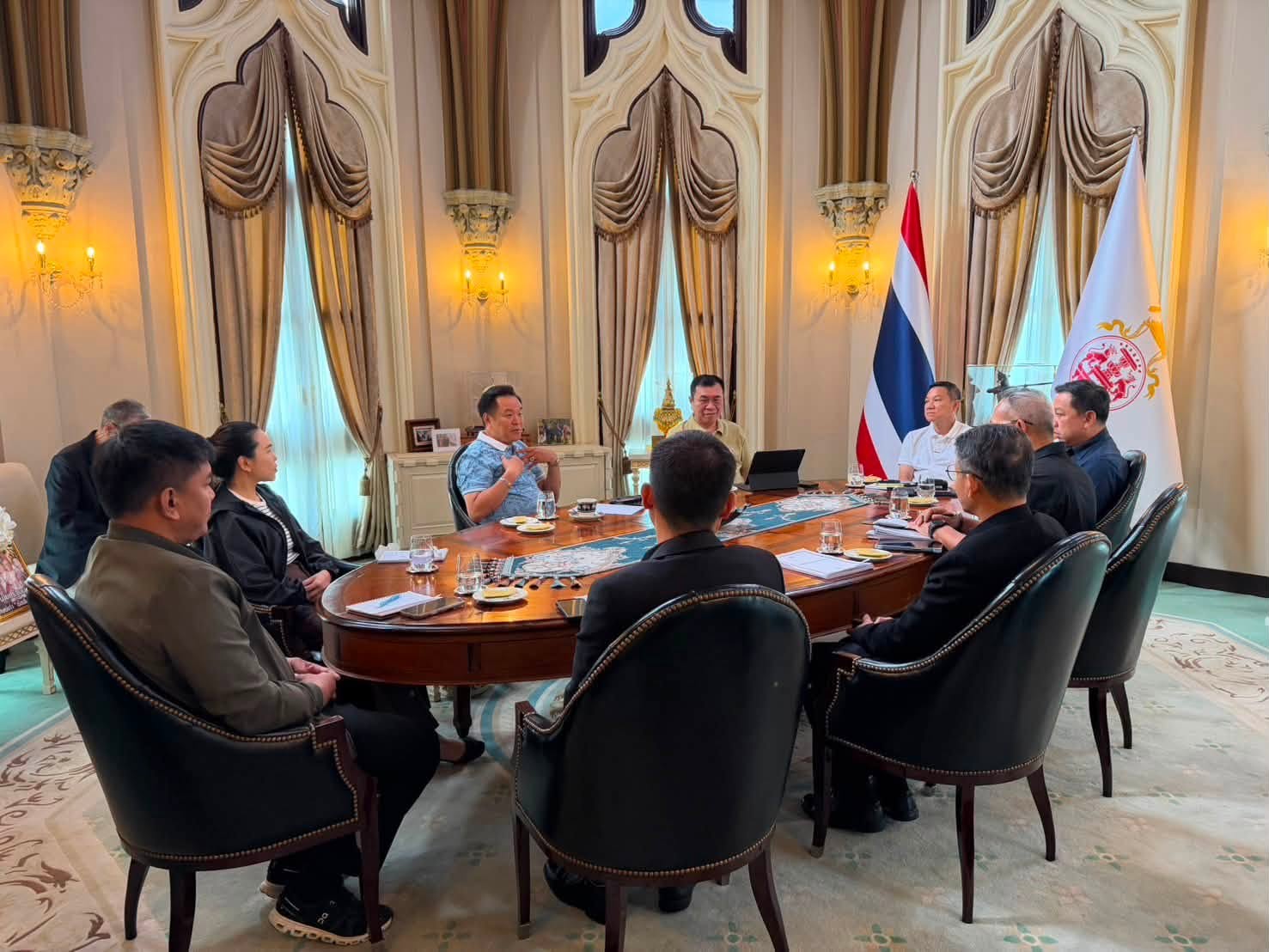
BANGKOK, Thailand – Cambodia has formally protested Prime Minister Anutin Charnvirakul’s recent visit to a border area in Ubon Ratchathani province, describing it as an unauthorised entry into Cambodian territory and a serious violation of its sovereignty. The Cambodian Ministry of Foreign Affairs stated that the visit on August 23 was a deliberate attempt to assert a territorial claim over what it considers illegally occupied land.

First phase of Thailand-Cambodia border fence completed in Chanthaburi

Anutin visited Thai troops stationed at Hill 500, near the An Mah Pass in Nam Yuen district, where he was briefed on the security situation and offered moral support. During the visit, he also met a soldier who lost his right ankle after stepping on an anti-personnel mine on August 17.

Cambodia maintains that the area has been unlawfully occupied by Thai armed forces since 2025, and that the visit cannot legitimise what it terms an illegal occupation. The ministry stated that no legal rights can be derived from the act, reiterating that it does not recognise Thailand’s unilaterally declared border line.

In its statement, Cambodia cited a 1:200,000-scale map produced by the Indochina-Siam Boundary Demarcation Commission and a joint declaration adopted during a General Boundary Committee meeting on December 27, 2025. The declaration prohibits provocative actions that could escalate tensions along the border. The ministry argued that the prime minister’s visit was inconsistent with efforts to de-escalate tensions and promote stability.

Two Thai Soldiers Injured By Old Landmine Near Cambodian Border

Cambodia called on Thailand to cease such actions in the area and in any other areas considered unlawfully occupied. It reiterated its commitment to resolving border disputes peacefully in accordance with international law and bilateral agreements, emphasising that the border must not be altered by force and that outstanding disputes should be addressed through established legal mechanisms.

-Thailand News (TN)

Similar Posts

  • Chinese National Arrested in Chiang Mai Over Altered Passport

    CHIANG MAI – Immigration officers in Chiang Mai arrested a Chinese male national on July 17, 2026. The suspect allegedly tried to extend his stay in Thailand by using a heavily altered fake passport. Local officers discovered the forged travel document during a routine review at the local office. The suspect quickly admitted to changing the […]

  • | |

    China’s burger boom draws coffee chains and …

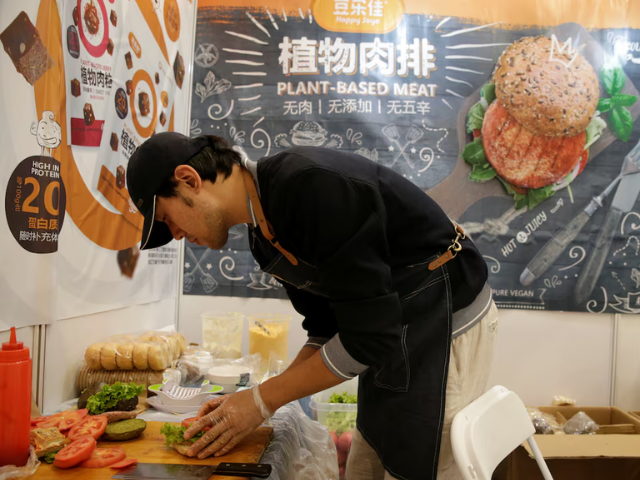
    Burgers have become one of China’s most contested fast food categories, with budget minded diners and shrinking household sizes fueling a rush that now includes hotpot operators and coffee brands alongside established global chains. Yum China’s Pizza Hut Burger Bar concept, which places a dedicated burger counter inside existing Pizza Hut locations, expanded to more than 200 outlets within six months, the company said in July. Yum China plans to grow the format to between 500 and 600 outlets by the end of 2026, representing roughly 10 percent of its total Pizza Hut store network in China. The surge into burgers reflects broader changes in Chinese consumer habits. As households shrink and economic uncertainty keeps spending cautious, diners increasingly favor lower cost, portable meals that deliver convenience without sacrificing value. That shift has transformed burgers from a niche Western import long dominated by McDonald’s, KFC and Burger King into one of the most fiercely contested segments of China’s restaurant industry, drawing a wave of new entrants eager to capture market share. Last month, hotpot chain Haidilao entered the space with a new concept called Huanxianbao, or Fresh Burger, which sells burgers alongside pizza, pasta and fried chicken. Coffee chain M Stand has also opened burger focused locations in several cities. China’s Western style fast food market was valued at 499.65 billion yuan, or about $74.1 billion, in 2025 and is projected to reach 587.09 billion yuan by 2027, according to data provider iiMedia Research, even as several global brands face broader challenges in the market. Burgers ranked as the top preference among consumers surveyed, with 55 percent selecting the category. While still a relatively small slice of China’s overall fast food industry, the burger segment alone was worth $18.4 billion in 2025 and is expected to grow 8.7 percent annually through 2035, according to Emergen Research. Part of the category’s appeal lies in simple economics. Food industry analyst Zhu Danpeng said burgers offer a lower cost alternative to full service restaurant meals while still functioning as a substantial meal, calling them a strong value for money option amid cautious consumer spending. Wang Fang, a university student in Beijing, said burgers have become a default lunch choice for her and her classmates because they cost less than ordering several dishes at a sit down restaurant. She said a burger loaded with meat, vegetables and butter makes for an affordable, balanced meal. The category’s rise also tracks with shifting demographics. Growing numbers of single person households, smaller families and young urban professionals have driven demand for convenient meals sized for one, a trend Yum China says is opening opportunities across its brand portfolio. Pizza Hut added burgers to its menu in 2024, and by 2025 the category accounted for a mid single digit percentage of Pizza Hut’s total sales in China, the company said. Yum China expects burgers to generate more than 1 billion yuan in sales this year, representing 5 to 6 percent of the brand’s revenue. The company said burgers resonate strongly with takeaway and delivery customers in China, where 43 percent of consumers order delivery at least once a week, compared with a global average of 23 percent, according to Euromonitor. The growing appetite for burgers has drawn competitors from across the industry. Domestic chains such as Tasiting now compete directly with McDonald’s, Yum China’s KFC and Shake Shack for market share. International brands are eager to join the competition as well. When US chain Five Guys opened its first stores in Beijing this month, customers waited more than two hours to be served. Wendy’s said in May that it plans to enter the Chinese market and open as many as 1,000 franchised restaurants over the next decade. Liu Tao, a 48 year old musician in Beijing, regularly takes his 11 year old son to McDonald’s on Sundays, fitting the meal into a tight schedule between the boy’s math and English classes. He said burgers work well when time is short and he needs food that feels clean, quick and won’t bore his son, noting that his son often eats in the car on the way to his next class.

  • | | |

    Iran executesan accused of helping US, Israel duri…

    TEHRAN: Iran has executed a man accused of supporting the United States and Israel during the country’s January anti-government protests, adding to growing international concern over Tehran’s use of capital punishment against people linked to the unrest. Iranian judicial authorities identified the man as Majid Adineh, saying he was arrested during the protests and accused of involvement in activities carried out in support of groups considered hostile to Iran. According to the judiciary, Adineh was accused of deliberately committing arson, participating in gatherings aimed at undermining national security and conspiring against the state. Authorities also alleged that he had worked with opposition groups linked to the United States and Israel. Iran’s judiciary said the Revolutionary Court in Karaj convicted him after considering documents, evidence and statements attributed to the defendant. The court also ordered the confiscation of his property. The allegations could not be independently verified, and the account published by Iranian authorities did not include comments from Adineh’s lawyer or family. The execution comes amid an increasingly severe crackdown following nationwide protests that began in late December and expanded across Iran in January. The demonstrations were initially fuelled by economic grievances but quickly developed into broader anti-government protests. Iranian authorities have repeatedly described some protesters as agents or operatives working for foreign enemies, while rights organisations have challenged the fairness of several cases brought against demonstrators. The latest execution also follows a broader increase in executions connected to the unrest. The UN human rights chief said earlier this month that Iran had executed at least 56 people on national-security-related charges since March 19, including 27 people linked to the anti-government protests. Human rights organisations have warned that dozens of other protesters remain at risk of execution. Amnesty International said in July that at least 60 people, including some who were children when arrested, were at risk after receiving death sentences connected to the protests. The UN’s Iran fact-finding mission has also urged Tehran to halt executions linked to the protests, expressing concern over accelerated proceedings and allegations surrounding the fairness of trials. Iran, however, maintains that its courts are dealing with serious national-security offences and that capital punishment is lawful. The executions have intensified debate over the government’s response to dissent. While officials portray the cases as necessary measures against threats to national security, rights groups argue that protesters and political dissidents are being subjected to harsh sentences after proceedings that fail to meet international fair-trial standards. With further cases reportedly moving through Iran’s Revolutionary Courts, the execution of Adineh is likely to renew scrutiny of Tehran’s treatment of those accused of involvement in the January protests.

  • | | |

    Attaullah Tarar accuses PTI of violating court ord…

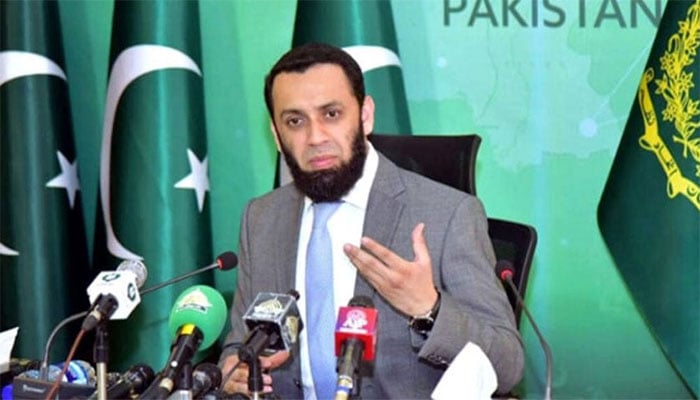
    Federal Information Minister Attaullah Tarar has accused Pakistan Tehreek-e-Insaf (PTI) of filing a baseless contempt of court petition, claiming that the party, its founder and his family themselves violated the court’s directives. Speaking at a press conference in Islamabad, Tarar said the administration had fully implemented the court’s orders regarding the visit and medical examination of PTI founder Imran Khan. He questioned the gathering of groups of people outside Shifa Hospital and asked who had arranged their presence there. The minister alleged that the court had clearly directed that no political statements or media activity would take place. However, he said political activity and media talks were still held outside the hospital. He also claimed that the security arrangements were disrupted during the proceedings. Tarar said Imran Khan’s medical examination was conducted in the presence of his sister and doctors nominated by his family. He added that the initial medical report showed that the PTI founder was in good health. The information minister stressed that health-related matters should not be turned into a political issue. He said the government had ensured that the court’s directions were followed and that all necessary arrangements were made according to the judicial order. Referring to the political debate surrounding the matter, Tarar said that when Imran Khan was prime minister, he had also made derogatory remarks about his political opponents. He added that the government had raised the question in a respectful manner during the review process about whether similar facilities were available to other prisoners. Tarar maintained that the government had fulfilled all requirements set out by the court and rejected allegations that the administration had failed to comply with the judicial directives. The minister also commented on statements issued by members of the Pakistan and Punjab Bar Councils. He said some lawyers had expressed their personal opinions rather than an institutional position. He further alleged that a few lawyers were attempting to bring the bar councils into political controversy.

  • | |

    State Department report calls for greater civilian…

    The US State Department said Wednesday that Pakistan needs to strengthen civilian oversight of public finances to improve fiscal transparency, releasing findings that highlighted persistent gaps in how the country discloses key financial information. The department’s assessment described fiscal transparency as a core component of effective public financial management, noting that it allows citizens to understand how government revenues and tax dollars are spent. That visibility into budgets, the report said, gives citizens the tools they need to hold their governments accountable. The findings arrive weeks after Pakistan’s National Assembly passed an 18.8 trillion rupee Finance Bill for 2026 to 2027 in June, which included a defence budget of 3 trillion rupees, with at least 335 billion rupees coming from provincial contributions. In its 2026 Fiscal Transparency Report on Pakistan, the State Department said the country continues to fall short in disclosing important financial data, particularly around debt obligations and the budgets of military and intelligence agencies. The report found that Pakistan’s government did not publish its executive budget proposal within a reasonable timeframe and made only limited information available on debt obligations, including debt held by major state owned enterprises. It further noted that military and intelligence budgets remain outside the scope of adequate parliamentary or civilian oversight. The assessment also pointed to areas of progress. During the review period, the report said, Pakistan’s government made its enacted budget and end of year financial reports widely and easily accessible to the public, including through online platforms. It found that publicly available budget documents offered a substantially complete picture of most planned government expenditures and revenues, including revenue generated from natural resources. The report described the information contained in the budget as generally reliable and subject to audit by the country’s supreme audit institution, which it said meets international standards of independence. Audit reports, the department noted, are published within a reasonable period and contain substantive findings. It also found that the government has specified, and largely followed in practice, clear legal criteria and procedures for awarding natural resource extraction contracts and licenses, while making basic information about such awards publicly available. The report added that Pakistan’s sovereign wealth fund operates under a sound legal framework and that the government publishes accessible information on public procurement contracts. Among its recommendations, the State Department urged Pakistan to make its executive budget proposal available to the public within a reasonable timeframe, disclose more detailed information on government debt, including debt tied to state owned enterprises, and bring military and intelligence agency budgets under parliamentary or civilian oversight. Responding to questions about the report during a weekly press briefing, Foreign Office spokesperson Tahir Andrabi acknowledged that the report had been released the previous day. He said Pakistan adheres to internationally recognized best practices around fiscal transparency, budgeting and financial disclosure, while also operating within its own constitutional, legislative and regulatory frameworks. Andrabi noted that Pakistan remains engaged in an ongoing International Monetary Fund program centered on structural reform and improved fiscal management. He said the country has completed three IMF reviews so far, adding that the reform measures taken under the program have drawn broad recognition, including credit rating upgrades from three international rating agencies as well as positive assessments from the IMF itself.

  • | |

    Quaid’s Mazar chandelier restoration plan revive…

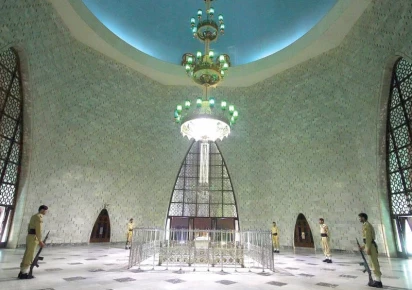
    The restoration of the historic chandelier at Mazar-e-Quaid and measures to improve facilities for visitors were discussed at a meeting of the Quaid-e-Azam Mazar Management Board on Thursday. Federal Minister for National Heritage and Culture and board chairman Aurangzeb Khan Khichi chaired the 102nd meeting, where officials reviewed several proposals concerning the preservation and management of the national monument. The meeting examined a proposal to restore the historic chandelier and subsequently shift it to the National Museum. Officials also discussed plans to introduce a shuttle service at Bagh-e-Quaid to provide visitors with easier access to the mausoleum. Khichi directed the National Engineering Services Pakistan (NESPAK) to approach the restoration project as a matter of national heritage and service rather than treating it purely as a commercial undertaking. He said the historic chandelier had been removed from its original position in 2016. Its restoration has since faced repeated delays because of financial and administrative issues associated with the proposed project. The minister stressed the importance of preserving historical artefacts associated with the country’s founder and called for efforts to ensure that the restoration work moved forward without further unnecessary delays. The meeting also reviewed ways to improve the experience of people visiting Bagh-e-Quaid and the mausoleum. The proposed shuttle service is aimed at making transportation within the premises more convenient, particularly for visitors who may face difficulties covering the distance on foot. Khichi also acknowledged the cooperation extended by Sindh Chief Minister Syed Murad Ali Shah to the Quaid-e-Azam Mazar Management Board. He said the provincial government’s support had contributed to the maintenance of Mazar-e-Quaid and helped the board manage its affairs in Karachi. The discussions underscored the need to protect the country’s historic heritage while upgrading facilities at one of Pakistan’s most important national landmarks.

Leave a Reply

Your email address will not be published. Required fields are marked *