canada suspends trade
| |

Canada suspends trade talks with US over 50% tarif…

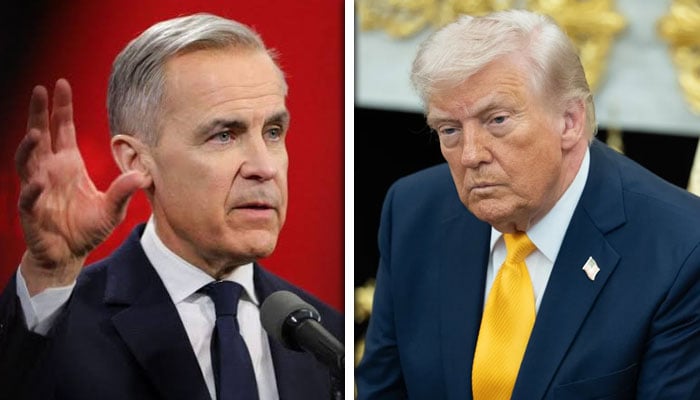
OTTAWA: Canadian Prime Minister Mark Carney has announced the suspension of trade negotiations with the United States after Washington moved to impose a 50 per cent tariff on certain Canadian imports, escalating tensions between the two North American trading partners.

The tariff decision, covering Canadian goods worth an estimated $20 billion, has raised concerns about the future of economic relations between the two countries. The new duties were announced as part of broader US efforts to secure more favourable terms for American trade and address what Washington considers unfair trading practices.

The US Customs authorities have also issued guidance regarding the additional duties on selected Canadian products, signalling that businesses on both sides of the border could soon face higher costs and increased uncertainty.

US Trade Representative Jamieson Greer said Canada had refused to finalise a trade agreement and continued to take retaliatory measures against American interests. He said Washington had offered Canada more favourable access to the US market but had not received the concessions it expected.

The Canadian government, however, has rejected the suggestion that sufficient progress has been made in the negotiations. Carney said the talks had failed to deliver the results required to protect Canadian interests and meet the targets set for his government.

“If the United States imposes a 50 per cent tariff, Canada will impose tariffs of equal value,” Carney said, signalling that Ottawa was prepared to respond firmly rather than accept what it considers an unfair trade arrangement.

The dispute marks another difficult chapter in the economic relationship between the two neighbours, whose economies are deeply connected through cross-border trade and supply chains. Industries ranging from manufacturing and agriculture to energy and consumer goods could be affected if the tariff measures remain in place.

Businesses are now watching closely for signs of further escalation, particularly because higher import duties can increase the cost of products and disrupt established supply chains.

The latest development also puts pressure on both governments to return to the negotiating table. While Ottawa has suspended the talks, the economic consequences of a prolonged tariff confrontation could provide an incentive for both sides to seek a compromise.

For now, Carney’s announcement has hardened Canada’s position, while Washington’s tariff threat has added fresh uncertainty to one of the world’s most important bilateral trading relationships. The coming days are expected to determine whether the dispute develops into a wider trade confrontation or pushes both sides back toward negotiations.

Similar Posts

  • Thailand’s Foreign Tourist Arrivals Drop 3.2% Year-on-Year

    BANGKOK – Thailand’s foreign tourist arrivals dropped by roughly 3.2% during the first eight months of 2026. Between January 1 and August 1, the country welcomed just over 18.5 million international visitors. This marks a noticeable shift for a country that relies heavily on global travel for income. Tourism remains a massive financial driver for […]

  • | |

    110 stranded Pakistani students return from Afghan…

    Another group of 110 Pakistani students has safely returned from Afghanistan through the Torkham border crossing following efforts to facilitate the repatriation of citizens affected by tensions between Pakistan and Afghanistan. According to border security officials, the students were brought back as part of ongoing arrangements to ensure the safe return of Pakistanis who had remained stranded across the border. Earlier, around 70 Pakistani students were also repatriated through the same crossing about a month ago. Authorities said the latest return reflects continued coordination between officials on both sides of the border to ease the movement of stranded individuals. The repatriation process was carried out smoothly under agreed arrangements aimed at addressing humanitarian concerns. In addition to the return of students, authorities also permitted 592 Pakistani cargo trucks to re-enter the country through the Torkham border. The move is expected to provide relief to transporters and traders whose commercial activities had been disrupted due to restrictions at the border. Border officials said the phased return of students and commercial vehicles was made possible through coordinated efforts involving diplomatic representatives, border security authorities from both countries and local facilitators working to improve cross-border movement.

  • | | |

    Daily petrol prices trigger Senate debate over tra…

    Islamabad: Pakistan’s new daily petroleum pricing system came under serious discussion in the Senate as lawmakers questioned whether the mechanism is providing relief to consumers or creating new challenges for the public and fuel dealers. The Senate Standing Committee on Petroleum reviewed the daily petrol price determination system and demanded clarity over why the government replaced the previous fortnightly price revision system with daily changes. The committee questioned the reasons behind the new policy and asked whether frequent price adjustments were helping ordinary citizens or increasing uncertainty in the fuel market. Federal Minister for Petroleum informed the committee that the government had removed political influence from the petroleum pricing process by giving the responsibility of setting prices to the Oil and Gas Regulatory Authority (OGRA), an independent regulator. He said the new system was introduced to make petroleum price decisions more transparent and based on market conditions. OGRA Chairman informed the committee that petrol prices are calculated through a seven day average of international Platts benchmark prices. He explained that instead of directly passing sudden changes in international oil markets to consumers, the seven day average spreads the impact over time. According to OGRA, the system helps reduce sudden price shocks, especially during international tensions and market uncertainty. Officials said the daily pricing mechanism also aims to discourage people from creating artificial shortages or making unfair profits through speculation. However, senators raised concerns about the effect of frequent price changes on citizens and businesses. The committee expressed concern over the high tax burden on petroleum products and questioned how increasing fuel costs affect the daily lives of ordinary people. Representatives of the Petroleum Dealers Association informed the committee that frequent price revisions were creating operational difficulties for fuel dealers. They said continuous price changes make business planning more difficult and require better coordination between authorities and dealers. The committee directed OGRA to consult all stakeholders, including petroleum dealers, and prepare practical recommendations to address their concerns. Members also stressed the need for greater use of technology in the petroleum supply chain to prevent fuel smuggling, adulteration and illegal storage. The committee said a stronger digital monitoring system could improve transparency and ensure consumers receive better quality fuel. Senator Umer Farooq chaired the meeting of the Senate Standing Committee on Petroleum, where members reviewed the new pricing system and related petroleum sector issues. The committee emphasized that petroleum pricing directly affects every citizen because fuel costs influence transportation, business expenses and prices of daily goods. Members said the government and regulators must ensure that any pricing system protects consumers while maintaining stability in the petroleum market. The committee directed OGRA to continue reviewing the mechanism and ensure that the interests of consumers remain the top priority.

  • | |

    ECP proposes new powers to verify lawmakers’ ass…

    The Election Commission of Pakistan (ECP) has proposed amendments to the Election Rules, 2017, aiming to strengthen scrutiny of lawmakers’ annual declarations of assets and liabilities by allowing the commission to seek information directly from relevant institutions. According to a notification issued by the ECP, the proposed amendment would add a new provision to Rule 137 of the Election Rules. Under the proposed change, the commission would be empowered to seek clarification whenever it finds ambiguity or inconsistency in the asset and liability statements submitted by members of the National Assembly, Senate and provincial assemblies. The proposal would also authorize the ECP to obtain information not only from the concerned lawmaker but also from any individual, government department, organisation or financial institution that may possess relevant records. If approved, all entities approached by the commission would be legally required to provide the requested clarification or information within the timeframe specified by the ECP. The electoral body said the amendment has been proposed under the powers granted to it by Section 239 of the Elections Act, 2017. The draft amendment has been published to invite public feedback before it is finalised. Citizens and stakeholders have been invited to submit objections or suggestions regarding the proposed amendment to the ECP Secretariat in Islamabad by August 15, 2026. The commission said it will review all submissions and provide an opportunity for hearing before making a final decision. The draft amendment has also been uploaded to the ECP’s official website to ensure transparency and allow public participation in the legislative process.

Leave a Reply

Your email address will not be published. Required fields are marked *