تازہ ترین

  • |

    Maine Democrats choose Troy Jackson for crucial US Senate race

    Former Maine Senate President Troy Jackson has officially secured the Democratic nomination for the US Senate, ending the party’s search for a new candidate after Graham Platner withdrew from the race earlier this month. Jackson will now challenge long-serving Republican Senator Susan Collins in what is expected to become one of the most closely watched Senate contests of the midterm elections. The Democratic Party selected Jackson during its state convention in Bangor, where an overwhelming majority of nearly 600 delegates voted in his favor. Business executive Saundra Pelletier, who also sought the nomination, was defeated by Jackson after party members backed his campaign by a wide margin. The nomination process was set in motion after former Democratic candidate Graham Platner stepped aside on July 10 following allegations of sexual assault. Platner has denied the accusations against him. His withdrawal forced party leaders to quickly organize a replacement ahead of the November election, making Jackson’s campaign one of the shortest Senate races of the year. During his acceptance speech, Jackson focused heavily on economic issues, arguing that rising living costs remain the biggest challenge facing ordinary Americans. He accused large corporations and wealthy individuals of benefiting while working families continue to struggle. Jackson also criticized Senator Collins, claiming she has consistently supported policies that favor powerful business interests over everyday workers. Jackson, a fifth-generation logger from northern Maine and a former Republican, had already built strong support within the Democratic Party before the convention. His supporters dominated the delegate selection process the previous weekend, effectively securing his path to the nomination. His campaign also announced that it had raised more than $1 million in donations within days of entering the race, providing a significant financial boost for the months ahead. The election is expected to play an important role in determining which party controls the US Senate. Republicans currently hold a 53 to 47 majority, and Democrats view Maine as one of their strongest opportunities to gain a seat. Senator Collins has represented Maine in the Senate since 1997 and currently serves as chair of the Senate Appropriations Committee, a position that has allowed her to direct federal funding toward projects in her state. Maine has become an increasingly competitive political battleground. Although voters supported Democratic presidential candidate Kamala Harris in the 2024 election, Collins has repeatedly won statewide elections even while Democrats carried the state in presidential contests. Her victory in 2020 came by nearly nine percentage points despite Maine backing Joe Biden for president during the same election. Recent polling suggests the race could be highly competitive. A survey conducted by the University of New Hampshire found Jackson holding a narrow lead among likely voters, although political analysts expect the contest to remain close until Election Day. Collins also enters the campaign with a significant financial advantage, having built an election fund worth approximately $11 million. Economic concerns are expected to dominate the campaign, but immigration and social issues are also likely to receive considerable attention. Jackson has called for abolishing US Immigration and Customs Enforcement following several controversial incidents involving the agency this year. Collins, meanwhile, supported a major immigration enforcement funding package but has also called for a temporary pause in certain traffic stop operations carried out by ICE. President Donald Trump has publicly defended those enforcement measures and said they should continue. Jackson’s political record on social issues is also expected to come under scrutiny. Although he now supports abortion rights and same-sex marriage, he opposed both earlier in his legislative career before changing his position during his second term in the Maine Senate. Those past votes became a campaign issue during his unsuccessful bid for the Democratic nomination for governor earlier this year. Republicans have already begun attacking Jackson’s candidacy. The Senate Leadership Fund, a Republican political action committee that plans to spend at least $42 million in Maine, launched an advertising campaign highlighting a 2021 incident in which Jackson threw a water bottle during a heated debate in the state legislature. The advertisement questions his temperament and leadership style. Jackson acknowledged the incident in a recent interview, saying he regretted throwing the bottle and admitting he allowed his emotions to get the better of him during the argument.
  • |

    UN General Assembly extends rights chief’s term despite US objections

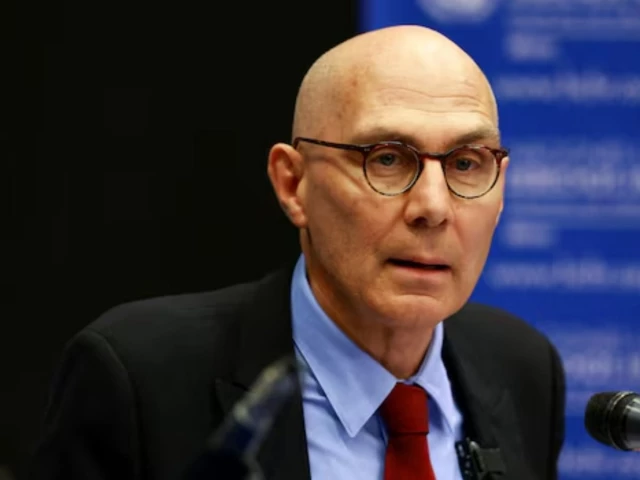
    The United Nations General Assembly has voted by a large majority to grant UN High Commissioner for Human Rights Volker Turk a second four-year term, despite strong opposition from the United States, Russia and Israel. The decision came after member states rejected calls to delay the vote and instead backed Secretary General Antonio Guterres’ recommendation to keep Turk in office when his current term expires in October. The 193-member General Assembly approved the extension with 144 countries voting in favor, while 10 countries voted against the proposal and 13 abstained. Before the final vote, member states also rejected a Russian proposal that would have extended Turk’s mandate only until the end of 2026 instead of giving him another full term. Turk has become one of the UN’s most outspoken voices on global human rights issues during his first term. He has repeatedly criticized Russia’s military actions in Ukraine and raised concerns over Israel’s conduct during the conflict in Gaza. He has also called for investigations into deaths that occurred in US immigration detention facilities. His willingness to publicly challenge major world powers has drawn criticism from several governments, including Washington, Moscow and Tel Aviv. The vote reflected growing tensions between the United States and the United Nations under President Donald Trump’s administration. In recent years, Washington has reduced financial support for several UN agencies and withdrawn from multiple international bodies. The administration has argued that reforms are needed before the United States continues its current level of participation and funding. Before the vote, the United States urged the General Assembly to postpone the decision for further consultations. US Representative for UN Management and Reform Jeff Bartos warned member states that approving the appointment without additional debate would damage the organization’s credibility. He said the United States would review its future engagement, participation and financial contributions if the assembly ignored its concerns. The US State Department also criticized the process before the vote, describing it as rushed and lacking sufficient discussion among member countries. Officials argued that member states should have been given more time to examine the proposal before making a final decision. Despite those objections, a broad coalition of countries supported Turk’s reappointment. The European Union strongly backed the extension, along with many African and Latin American nations. China also voted in favor of the proposal, helping secure the overwhelming majority needed for approval. UN Secretary General Antonio Guterres nominated Turk for a second term after working closely with him for several years. Guterres, who is due to leave office in December, praised Turk’s experience and commitment to defending human rights around the world. Turk, an Austrian lawyer, has spent decades working within the United Nations in senior positions based in Geneva as well as field assignments, including Kosovo. With the latest vote, he will become the first UN High Commissioner for Human Rights to serve two full four-year terms since the position was established in 1993. Human Rights Watch welcomed the decision, arguing that strong and independent leadership is needed at a time when democratic freedoms are facing increasing pressure in many parts of the world. The organization’s UN director, Louis Charbonneau, said the global human rights situation requires a commissioner willing to challenge powerful governments regardless of their influence. Russia and Israel strongly criticized the outcome after the vote. Russia’s deputy ambassador to the United Nations accused Turk of showing political bias and making unfair allegations against Moscow. Israeli officials also condemned the decision, describing it as a mistake and arguing that the appointment should have been left to the next UN secretary general rather than being decided during Guterres’ final months in office. The result highlights the continuing divisions within the United Nations over human rights issues and the organization’s relationship with some of its most influential member states. While a large majority of countries supported Turk’s leadership, the objections raised by the United States, Russia and Israel suggest that debates over the UN’s role and future direction are likely to continue throughout his second term.

  • |

    Youth protests challenge Modi’s image ahead of key state elections

    A growing youth protest movement in India has delivered one of the biggest political setbacks to Prime Minister Narendra Modi’s government in recent years, raising questions about the ruling Bharatiya Janata Party’s appeal among younger voters ahead of crucial state elections. What began as demonstrations over alleged examination paper leaks has developed into a wider expression of frustration over unemployment, education and economic uncertainty. The protests were led by the Cockroach Janta Party, or CJP, a youth movement that quickly gained massive attention on social media. Within days of launching its campaign in May, the group attracted around 22 million followers on Instagram, most of them from Generation Z. The movement demanded the resignation of Education Minister Dharmendra Pradhan after allegations that a medical entrance examination had been compromised. As protests spread across India, thousands of students gathered in central Delhi despite heavy police action. In an effort to calm public anger, Prime Minister Modi posted a rare selfie video on Instagram, saying he understood the concerns of young people and promising action to address their grievances. However, the message failed to ease the demonstrations. Days later, Education Minister Pradhan resigned, fulfilling the protesters’ main demand and handing the movement a significant political victory. The resignation is considered unusual because Modi’s government has generally resisted removing senior ministers in response to public pressure. Political observers say the outcome has encouraged many young Indians who believe their voices can influence government decisions. Analysts say the protests extend far beyond the issue of examination leaks. Many young people are increasingly worried about unemployment, rising competition for limited jobs and the possible impact of artificial intelligence on employment opportunities, particularly in India’s large information technology and business services sectors. While the exam controversy sparked the demonstrations, experts believe it exposed much deeper concerns among the country’s youth. Political analyst Amitabh Tiwari said the paper leak became a symbol of wider frustration felt by many young Indians who are anxious about their future. He noted that disappointment over employment prospects and economic opportunities has created growing dissatisfaction that cannot be ignored. Senior government officials have acknowledged these concerns. Defence Minister Rajnath Singh said the government remains committed to understanding students’ problems and ensuring that their concerns are addressed. However, critics argue the ruling party has struggled to connect with younger generations, particularly on social media platforms where political discussions are rapidly evolving. Demographic trends also highlight the challenge facing India’s political establishment. People between the ages of 18 and 40 make up roughly 40 percent of the country’s population but hold only a small share of seats in the lower house of Parliament. The average age of members of the federal cabinet remains above 60, leading some analysts to argue that younger voices are underrepresented in national decision making. Although the CJP is not officially a political party, opposition groups have openly supported the student protests and attempted to capitalize on growing public dissatisfaction. The first major political test could come during next year’s state elections in Uttar Pradesh, Punjab and Gujarat. The BJP currently governs both Uttar Pradesh and Gujarat, making those contests particularly important. Some analysts believe the movement could have an even greater impact if it eventually enters electoral politics before the 2029 national election. CJP founder Abhijeet Dipke has said no decision has been made about transforming the movement into a political party, but its rapid popularity has already attracted widespread attention across the political spectrum. Observers also believe political campaigning in India is changing. For years, the BJP built a strong digital presence on platforms such as X and Facebook. However, younger audiences have increasingly shifted to Instagram, where authenticity and informal communication often attract greater engagement than carefully managed political messaging. While the BJP has around 10 million Instagram followers, the CJP gained more than twice that number in only a few days. Modi personally continues to command a much larger audience across multiple social media platforms, but analysts say younger users are responding differently to newer forms of political communication. Writers and political commentators argue that Generation Z is less influenced by traditional political authority and more willing to openly question established leaders. They believe successful politicians will increasingly need to engage directly with young voters rather than relying on conventional campaign strategies. For Modi, the protests represent a reminder that public expectations are changing. During much of his time in office, he built a reputation as a decisive leader who rarely reversed government decisions. Political analysts now say that demonstrating a willingness to listen and respond to public concerns may become increasingly important as India moves toward another cycle of state and national elections.

  • |

    UN chief visits Syria after 17 years and backs reconstruction efforts

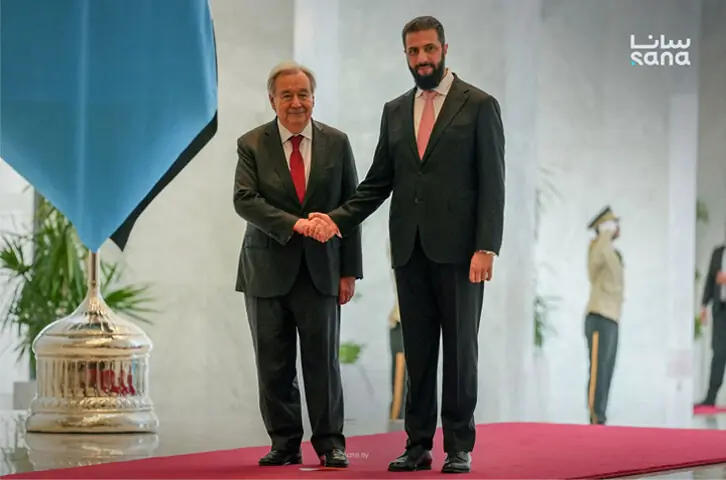
    United Nations Secretary General Antonio Guterres visited Syria on Saturday for the first time in 17 years, marking a significant moment in the country’s efforts to rebuild after more than a decade of conflict. During his visit to Damascus, Guterres met Syrian President Ahmed al Sharaa and pledged continued UN support for reconstruction, humanitarian recovery and long-term stability as Syria works to recover from years of war. President Sharaa welcomed Guterres at the presidential palace, where the two leaders held talks focused on rebuilding the country and strengthening cooperation with the United Nations. Speaking after the meeting alongside Syrian Foreign Minister Asaad al Shaibani, Guterres said no nation can recover from a devastating conflict without international assistance. He stressed that the global community has a responsibility to help Syria restore its economy, rebuild damaged infrastructure and create conditions for lasting peace. Foreign Minister Shaibani called on the international community, particularly the European Union, to increase financial and technical support for Syria’s recovery. He said discussions with Guterres also covered plans to expand UN assistance for reconstruction projects and support the government’s efforts to gradually close displacement camps as security conditions improve. Regional security was another major topic during the visit. Guterres expressed concern over the situation in the Golan Heights, describing recent developments as unacceptable. Syrian officials repeated their demand for Israeli forces to withdraw immediately from the United Nations monitored buffer zone where troops have been stationed since 2024. Damascus has also called for a return to the 1974 disengagement agreement that previously governed military positions in the area. The visit is being viewed as another important step in Syria’s return to the international stage following the removal of former president Bashar al Assad in late 2024. The end of Assad’s rule brought an end to a civil war that began in 2011 and resulted in hundreds of thousands of deaths while forcing millions of Syrians to flee their homes. At the time, Guterres described the political transition as a hopeful moment for both Syria and the wider region. Before arriving in Damascus, the UN chief described his trip as a visit of solidarity and reaffirmed the United Nations’ commitment to supporting the Syrian people during this critical period. He is expected to spend several days in the country, meeting senior government officials, representatives of civil society and humanitarian organizations. Guterres is also scheduled to address Syria’s parliament, where he is expected to speak about the country’s opportunity to build a more stable, inclusive and prosperous future after years of conflict. The visit comes as Syria continues to rebuild diplomatic ties with countries around the world. President Sharaa’s administration has sought to strengthen relations beyond the country’s traditional allies while encouraging international investment and cooperation. Since taking office, the government has focused on restoring Syria’s place in regional and global affairs after years of political isolation. Recent diplomatic developments have reflected that effort. Last year, Sharaa became the first Syrian president in decades to address the United Nations General Assembly. Earlier this month, US President Donald Trump announced plans to remove Syria from the United States list of state sponsors of terrorism after Washington lifted most of its sanctions on the country. Despite these diplomatic gains, security concerns remain. Guterres’ visit follows recent bomb explosions near a hotel in Damascus that had hosted French President Emmanuel Macron during his landmark visit, the first by a European Union head of state since Syria’s political transition. The incidents highlighted the continuing security challenges facing the country as it moves through a delicate rebuilding process. During his stay, Guterres is also expected to visit the UN peacekeeping mission responsible for monitoring the buffer zone between Israeli and Syrian forces. The mission has operated in the area for decades and continues to play a key role in maintaining stability along the disputed frontier. His visit underscores the United Nations’ commitment to supporting Syria’s recovery while encouraging dialogue, regional stability and international cooperation.

  • |

    Ro Khanna supports call to enforce ICC warrant against Netanyahu

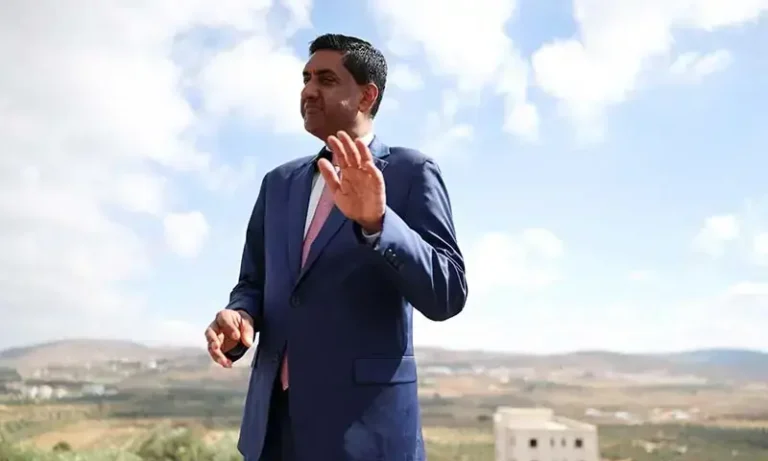
    US Democratic Congressman Ro Khanna has backed New York City Mayor Zohran Mamdani’s call for Israeli Prime Minister Benjamin Netanyahu to be arrested if he enters US jurisdiction under an arrest warrant issued by the International Criminal Court. Khanna said the United States should cooperate with the international court and uphold international law regardless of who is involved. Speaking during an interview on Capitol Hill, the California lawmaker said the US president should enforce ICC arrest warrants for any individual wanted by the court, including both Netanyahu and Russian President Vladimir Putin if they were to enter American jurisdiction. He argued that respecting international law is essential to protecting human rights and maintaining a rules based international order. According to Khanna, US authorities should act on such warrants rather than ignoring them. The International Criminal Court issued an arrest warrant for Netanyahu in 2024, accusing him of alleged war crimes and crimes against humanity connected to Israel’s military campaign in Gaza following the Hamas attack in October 2023. Israel has strongly rejected the accusations and criticized the court’s decision, maintaining that its military actions were carried out in self defense. Khanna’s remarks come after his recent visit to the occupied West Bank, where he said he was briefly detained by Israeli settlers and members of the Israeli military while visiting a Palestinian village. The congressman suggested the incident had strengthened his views on the importance of accountability and respect for international law. Khanna, who is considered a possible Democratic presidential candidate for the 2028 election, also joked that detaining potential future US presidents was unlikely to improve relations with Washington. New York City Mayor Zohran Mamdani has also been outspoken on the issue. He recently said he had explored whether city authorities could arrest Netanyahu if the Israeli leader visits New York for the United Nations General Assembly later this year. Mamdani later acknowledged that a city mayor does not have the legal authority to carry out such an arrest but argued that the federal government could take action if it chose to do so. Mamdani has publicly stated that he believes anyone facing charges before the International Criminal Court should be held accountable through legal proceedings. His comments have attracted significant attention in the United States, where debate over the Gaza conflict and Washington’s relationship with Israel remains deeply divided. President Donald Trump has firmly rejected any suggestion that Netanyahu could be arrested while visiting the United States. Earlier this week, Trump stated that the Israeli prime minister would not face arrest under any circumstances during his stay in the country, making clear that his administration would not enforce the ICC warrant. Khanna responded by accusing Trump of ignoring international law and failing to prioritize human rights. He argued that refusing to cooperate with the International Criminal Court damages America’s credibility and weakens the international legal system. He also suggested that enforcing the ICC warrant could strengthen Washington’s influence over Israel, particularly after reports that Netanyahu continued military operations in Lebanon despite US pressure to observe a ceasefire. According to Khanna, accountability should apply equally to all leaders regardless of their position or political alliances. He said individuals facing serious allegations before an international court should not expect to travel freely without legal consequences. Netanyahu is expected to travel to Washington next week for talks with President Trump. The meeting will be their first face to face discussion since the United States and Israel carried out joint military strikes against Iran earlier this year. During the visit, Netanyahu is also expected to attend the funeral of Republican Senator Lindsey Graham, who was widely regarded as one of Israel’s strongest supporters in the US Congress. The visit is likely to attract international attention as debate continues over the ICC warrant, the war in Gaza and the future of US policy toward Israel.

  • |

    Saudi Arabia introduces major education reforms under new school law

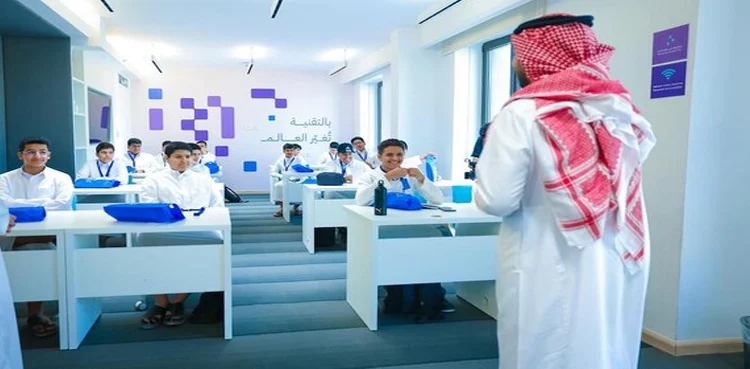
    Saudi Arabia has approved the executive regulations for its new General Education Law, introducing wide ranging reforms that will reshape the country’s education system from nursery through Grade 12. The new legislation creates a comprehensive legal framework for public and private education and is designed to support the goals of Saudi Arabia’s Vision 2030 by improving educational quality, expanding opportunities and strengthening oversight across the sector. One of the most notable changes allows private schools to decide whether boys and girls can study together, while public schools will continue to separate male and female students after the early childhood stage. The move marks a significant shift in education policy for the Kingdom and gives private institutions greater flexibility in organizing their academic programmes. The law also establishes a new General Education Affairs Council that will oversee key education policies. The council will be chaired by the Minister of Education and include representatives from several government ministries, the Education and Training Evaluation Commission and the private sector. Officials say the body will help coordinate education reforms and ensure that policies are aligned with national development goals. Compulsory education will continue for children between the ages of six and 15. The Ministry of Education will have the authority to take legal action against parents or guardians who prevent children from attending school or who contribute to students leaving education before completing the compulsory stage. Officials say the measure is intended to improve school attendance and reduce dropout rates. Arabic will remain the main language of instruction throughout the general education system. However, schools will be allowed to teach in another language when appropriate, giving educational institutions greater flexibility while preserving the country’s cultural and linguistic identity. The legislation also confirms that classroom teaching will remain the primary method of education across all grade levels. At the same time, the Ministry of Education plans to expand digital learning by developing programmes that include live online classes, self paced learning and other flexible educational options. Regulations will also be introduced for lifelong learning certificates to encourage continuous education beyond traditional schooling. Students will have access to more diverse educational pathways under the new framework. The ministry will be able to introduce specialized academic and vocational tracks designed to better prepare students for future careers and meet the changing demands of the labor market. The law places greater emphasis on supporting students with disabilities by requiring schools to provide suitable educational services, assistive technology and assessment methods that match individual learning needs. It also strengthens programmes for gifted students through specialized schools, enrichment centers, improved identification systems, teacher training and partnerships with universities and research institutions. Private schools will face stricter quality standards under the reforms. Educational institutions must obtain accreditation from the Education and Training Evaluation Commission or another internationally recognized accreditation body approved by Saudi authorities. The Ministry of Education will oversee licensing procedures, ownership transfers, school operations and the introduction of international curricula while ensuring that subjects related to national identity remain part of every approved curriculum. The new rules also introduce a clearer process for education licences. Applications must receive a written decision within 30 days, and institutions whose applications are rejected will have the right to appeal. The government says these measures are intended to improve transparency and encourage investment in the education sector. Private and nonprofit education providers will also benefit from a more defined regulatory framework. Under certain conditions, the ministry may provide financial assistance, staffing support or other resources to eligible institutions as part of efforts to expand educational services under Vision 2030. Teachers will have broader professional responsibilities under the new law. They will be expected to follow approved curricula, meet the learning needs of individual students, encourage creativity and innovation, identify gifted learners, uphold national values and participate in continuous professional development programmes. The legislation also introduces stricter disciplinary procedures for teachers, administrators and private schools that violate regulations. Authorities will have the power to temporarily remove staff from duty while investigations are carried out. Serious violations could result in dismissal and permanent disqualification from working in the education sector. Private schools that fail to comply with the law may receive warnings, face financial penalties, lose the right to admit new students or have their operating licences revoked. If a licence is cancelled, the school must ensure that enrolled students are able to complete the academic year without disruption at the owner’s expense.

  • |

    Nicole Kidman seen getting close to Michael Reinstein in Italy

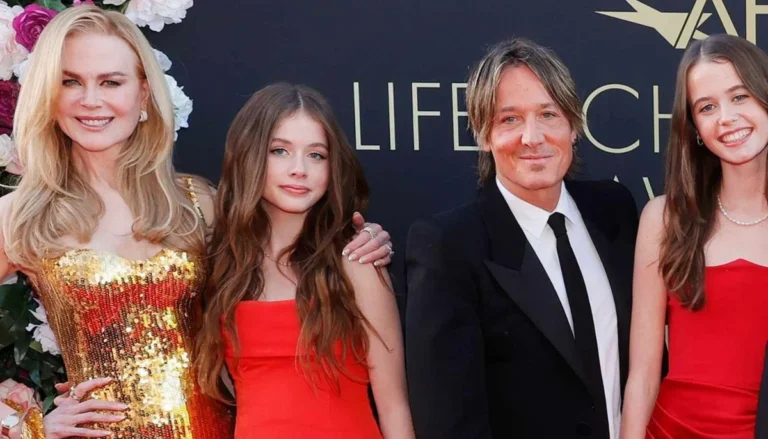
    Nicole Kidman has fueled fresh romance speculation after she was photographed enjoying what appeared to be a relaxing holiday with businessman Michael Reinstein in Italy, months after finalizing her divorce from longtime husband Keith Urban. The Oscar-winning actress was seen spending quality time with Reinstein at the luxurious Belmond Splendido Hotel in Portofino, where the pair appeared comfortable and at ease in each other’s company. Their public outing has intensified rumours that the two are developing a close relationship. Kidman looked effortlessly elegant in a flowing white mini dress as she relaxed poolside, sipping an Aperol Spritz while soaking up the Italian sunshine. Reinstein opted for a casual look, wearing a black shirt paired with matching shorts as he lounged nearby. Photographs from the getaway captured the pair smiling, chatting, and enjoying each other’s company throughout the day. Observers noted that the two appeared relaxed and happy, sharing warm conversations and lighthearted moments while taking in the scenic surroundings of the exclusive resort. Their Italian vacation comes shortly after the pair were previously seen together during another public outing, where they were photographed engaged in an animated conversation at a picturesque location. Those earlier sightings had already sparked speculation about a possible romance, and their latest appearance has only added to the growing interest surrounding their relationship. While neither Kidman nor Reinstein has publicly addressed the rumours, the pair’s repeated public appearances have drawn attention from fans and entertainment watchers alike. Who is Michael Reinstein? Michael Reinstein is an American businessman, attorney, and investor. He is widely recognized as the founder, chairman, and chief executive officer of Regent, a Beverly Hills-based private equity firm. Over the years, Reinstein has built a reputation in the investment industry through his leadership in acquisitions and business growth across multiple sectors. Despite his high-profile career, Reinstein has generally maintained a private personal life and has rarely been linked to celebrities, making his reported connection with Kidman a topic of significant public interest. Life after divorce The reported romance comes nearly a year after Kidman filed for divorce from country music star Keith Urban, bringing an end to one of Hollywood’s most enduring marriages. The former couple, who were married for almost two decades, share two daughters, Sunday and Faith. Their divorce was finalized in January 2026, marking the official conclusion of their long relationship. Since then, both Kidman and Urban have largely kept their personal lives out of the spotlight. Although neither has commented publicly on their current relationship status, Kidman’s recent appearances with Reinstein have prompted widespread speculation that she may be embracing a new chapter in her personal life. For now, neither Kidman nor Reinstein has confirmed whether they are romantically involved. However, their latest Italian getaway has undoubtedly sparked fresh discussion among fans, with many closely watching to see whether the pair chooses to make their relationship official in the future.

  • | |

    Tank assault ends in militants’ deadly defeat

    Security forces have foiled an attack on a joint check post in Tank district. All the militants involved in the attack were killed during the security operation. The attack took place at a joint check post of the Pakistan Army and police in the Manjhi Khel area of Tank. According to reports, militants belonging to Fitna al-Khawarij attempted to target the security post. Security forces responded immediately after the attack began. They effectively engaged the attackers and prevented them from achieving their objective. The timely response brought the attack to an end. All the militants involved in the assault were killed, according to the report. The bodies of the slain attackers were later brought to a local market in Tank. Their presence triggered a strong reaction from local residents. People expressed anger and disgust towards the militants. Residents strongly condemned those involved in violence and terrorism. The Tank district has faced the impact of prolonged unrest and violence. The latest incident has once again highlighted the security challenges faced by communities in the region. Local residents have increasingly expressed their opposition to militant groups and activities that threaten peace. Their reaction reflects growing public frustration with violence and instability. The strong response from the local population also sends a message against elements attempting to disturb peace in the area. Residents have rejected violence and terrorism and expressed support for efforts aimed at restoring lasting peace.

  • | | |

    India behind anti-Pakistan propaganda network: Tar…

    ISLAMABAD: Federal Minister for Information and Broadcasting Attaullah Tarar has alleged that an entire network involved in spreading misleading propaganda and disinformation against Pakistan and Pakistani agencies has links to India. Speaking at a press conference in Islamabad, the minister said most of the content being circulated was related to the banned Action Committee in Kashmir. Tarar claimed that evidence of Indian funding for elements associated with the banned Action Committee was now in the public domain. He said numerous Indian social media accounts had emerged with evidence linking them to the campaign. According to the minister, posts shared through these accounts were aimed at provoking people against the state. He alleged that social media platforms were being used to promote groups involved in mob mobilisation and attempts to take the law into their own hands. The minister said efforts had been made to encourage such elements through social media. He alleged that the campaign was designed to create unrest and chaos in Kashmir. Tarar said Pakistan’s recent successes had not been acceptable to its adversaries. He said Pakistan had achieved gains not only on the military front but also on the diplomatic front. The information minister said the government would continue defending Pakistan’s national interests on every front. He stressed that efforts to spread disinformation and destabilise the country would not be allowed to undermine Pakistan’s interests. Tarar’s remarks came amid continued debate over social media campaigns and alleged foreign influence in Pakistan’s internal affairs. The minister urged the public to remain alert to misleading content and propaganda being circulated online.

  • | |

    Public projects are people’s right, not a gift: …

    ISLAMABAD, July 26: Pakistan Peoples Party (PPP) Chairman Bilawal Bhutto Zardari has said that facilities and development projects built for the public should not be described as gifts. He said these projects are the people’s right. In a video statement, Bilawal said people were being told about promises involving buses, roads and airports. He welcomed every project aimed at improving public facilities. He said he would welcome every new bus service. He would also welcome every road, hospital and airport built for the people. However, Bilawal stressed that such facilities should not be presented as gifts to the public. He said the people have a right to better transport, healthcare, roads and other basic services. The PPP chairman said his party had also taken practical steps instead of making only promises. He claimed that around 3,000 new employment opportunities had been created through PPP initiatives. Bilawal also spoke about Mirpur Airport. He said he had personally worked to secure funds for the airport in the previous budget. He said the allocation was made during the budget process to support the airport project. He presented the initiative as part of efforts to improve facilities for the people of the region. Bilawal also criticised his political opponents while discussing development work in Azad Jammu and Kashmir. He said it appeared that Pakistan Muslim League-Nawaz leaders Nawaz Sharif and Maryam Nawaz were standing with their minister. The PPP chairman also referred to a stadium where his political opponents had recently addressed a gathering. He said the stadium was constructed during a previous PPP government. Bilawal said his focus was not limited to development projects. He said he wanted the people of Kashmir to receive their fundamental political and economic rights. He specifically mentioned the right to governance, ownership and employment. According to Bilawal, providing these rights to the people would be more important than announcing development projects as gifts. He said people should have ownership over the resources and development of their region. They should also have access to employment opportunities. Bilawal maintained that governments must fulfil their responsibilities towards citizens. Public infrastructure, he said, should be viewed as an entitlement. He added that roads, hospitals, transport services and airports are built using public resources. Therefore, they should not be used as political gifts.