تازہ ترین

  • | |

    Cambridge announces 2026 A-Level results in Pakist…

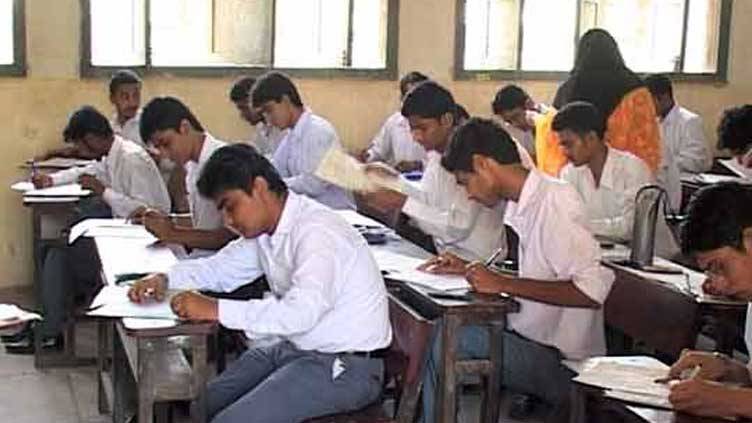
    Cambridge International has released the results of its June 2026 examination session, with more than 100,000 students across Pakistan receiving their AS and A-Level results. Students from more than 850 schools in Pakistan took part in the examination session. The results were announced globally on Tuesday, with nearly 368,000 students worldwide receiving their Cambridge International AS and A-Level results. In Pakistan, thousands of students appeared for examinations in a wide range of subjects. Mathematics, Physics, Chemistry, Business and Computer Science remained among the most popular choices. Cambridge officials congratulated students on completing their examinations and acknowledged the challenges faced by some candidates during the preparation period. Cambridge Pakistan Country Director Uzma Yousuf said this year’s results were particularly significant because some students had prepared for their examinations amid regional tensions, uncertainty and disruptions. She congratulated the students and praised teachers, parents and school communities for supporting candidates throughout the academic year. Yousuf said education should not be viewed only through examination grades. She stressed the importance of developing knowledge, confidence and practical skills that can help young people succeed in higher education, employment and their future lives. Cambridge International also said it was continuing to develop its assessment system. The organisation is working on digital examination initiatives and flexible assessment options aimed at giving students greater choice and accessibility. Cambridge qualifications are accepted by universities and educational institutions in many countries. The organisation said its international qualifications provide students with pathways to higher education both in their home countries and abroad. According to Cambridge, recent UK university application data showed that 98% of Cambridge International A-Level students who applied to British universities during the 2025 admissions cycle received at least one university offer. The organisation said its qualifications are designed to provide students with internationally recognised academic credentials while allowing them to study within their own countries. The latest results have also been announced amid concerns surrounding examination security in Pakistan during the 2026 examination cycle. Earlier this year, allegations emerged that Cambridge Mathematics examination papers had been circulated before scheduled tests. One A-Level Mathematics paper was cancelled and candidates were required to sit a replacement examination. A separate AS-Level Mathematics paper was also cancelled following reports of a leak. Further claims regarding the circulation of another Mathematics paper were later raised by students. The incidents led to calls for stronger examination security and prompted education authorities to seek investigations into the allegations. Cambridge has previously said it investigates reports concerning examination integrity and has urged students and parents to follow information released through its official channels. Meanwhile, students who appeared for the June 2026 IGCSE and O-Level examinations are expected to receive their results on August 18.

  • | |

    Petrol pumps face nationwide shutdown from August …

    KARACHI: Petrol pump dealers across Pakistan have announced an indefinite closure of fuel stations from August 15. The decision comes amid an ongoing strike by goods transporters. Talks between the government and transport representatives have failed to resolve their differences. The Pakistan Petroleum Dealers Association announced the decision on Tuesday after a meeting of representatives from different parts of the country. Association Chairman Malik Khuda Baksh said dealers had given the government 72 hours to address their concerns. He warned that petrol stations would remain closed until the dealers’ demands were accepted. The dealers are mainly seeking an increase in their commission on petrol sales. They are demanding an 8% margin on petrol, saying the existing rate is no longer sufficient to cover rising operating costs. Baksh said the association represents around 14,000 dealers and that members were under growing financial pressure. He said dealers had previously postponed their strike after receiving assurances from the government that their concerns would be addressed. According to the association, the government was given additional time to resolve the issue, but the deadline passed without a satisfactory outcome. The dealers had earlier agreed to delay a planned nationwide shutdown following talks with Petroleum Minister Ali Pervaiz Malik. At the time, government representatives assured the dealers that their longstanding concerns would be considered. However, the latest announcement indicates that no final agreement has been reached. The dealers have also raised concerns over the mechanism used to determine fuel prices. They have called for greater clarity and timely implementation of decisions concerning petroleum margins. The announcement comes as the country’s goods transport sector remains affected by a separate strike. Transporters have continued their wheel-jam protest after talks with federal and provincial authorities failed to produce a breakthrough. The overlapping disputes could create additional pressure on the country’s fuel supply and transport network if the shutdown goes ahead.

  • | |

    Sanam Saeed backs Durefishan amid accent criticism

    KARACHI: Actor Sanam Saeed has spoken out in support of Durefishan Saleem after the latter faced criticism on social media over her accent and dialogue delivery in the drama Dar-e-Nijaat. The debate began after a scene featuring Durefishan, who plays Zaryab, gained attention online. In the scene, her character speaks to Zamil, played by Nameer Nawaz Khan, using a combination of Urdu and English. Some social media users criticised the actor’s accent and delivery, while others questioned the way certain lines were written and performed. Saeed criticised what she described as excessive online backlash against actors. She said repeatedly targeting a performer over the way they speak could be hurtful and unnecessary. Her comments prompted further discussion among viewers, with many users agreeing that actors should not be subjected to personal attacks over performance-related issues. Several viewers defended Durefishan and said her accent did not negatively affect the scene. They argued that criticism should focus on the overall performance rather than becoming a personal attack. However, some users maintained that dialogue delivery is an important part of acting. They argued that an actor’s accent and pronunciation can influence how effectively a script reaches the audience. Others said their criticism was directed at the writing and execution of the scene rather than Durefishan personally. They described such feedback as part of normal discussion surrounding television performances. The online debate has once again highlighted the growing influence of social media on television dramas. Performances, dialogue and even actors’ accents can quickly become topics of public discussion after scenes are shared online. Saeed’s comments have also sparked a broader conversation about the difference between constructive criticism and personal attacks on performers. Durefishan has established herself as a prominent name in Pakistan’s television industry. She gained widespread recognition through Ishq Murshid, where she appeared opposite Bilal Abbas Khan

  • |

    Post-mortems find no torture signs in Lahore custodial deaths

    LAHORE: Post-mortem examinations of two women who died while in police custody in Lahore have found no visible signs of physical torture or assault, according to detailed medical reports. The women, identified as Anmol and Amina, had been detained in connection with a theft-related case. They reportedly became seriously ill while in custody and were taken to hospital. Both later died. The post-mortem examinations were conducted after their deaths. A medical board reviewed the findings before finalising the reports. According to the reports, no external injuries or marks suggesting physical violence were found on either woman. However, medical examiners observed dark spots on the lungs of both women. Blood clots were also found in their hearts. The reports stated that the liver, kidneys and stomachs of both women appeared normal. Samples of blood and internal organs have been sent for histopathological analysis. The testing is expected to help determine the precise cause of death. The findings come as authorities continue to investigate the circumstances surrounding the deaths. A separate judicial inquiry has also been completed under the relevant provisions of the Code of Criminal Procedure. The magistrate who conducted the inquiry inspected the bodies and reported that there was no apparent evidence of physical torture. However, the inquiry report did not establish the final medical cause of death. It stated that the definitive conclusion would depend on the post-mortem and forensic examination results. Police had earlier said the women became critically ill while being moved between police units. Officials had raised the possibility of drug use or poisoning. Police also alleged that the women had a history of drug use and that withdrawal or another medical complication could have contributed to their deteriorating condition. Investigators were also examining whether the women might have consumed a toxic substance before their arrest. The families have rejected these claims and demanded an independent investigation. Relatives said they were initially informed about the case and asked to arrange legal assistance before learning that the women had died. The circumstances surrounding their detention and deaths have therefore remained under scrutiny. Investigators are also examining CCTV footage from the police station. Videos reportedly show the women inside the premises shortly before their deaths. The footage is expected to help investigators establish their movements and condition while they were in custody. The families have also raised questions about the handling and transportation of the bodies after death.

  • | |

    Taylor Swift wedding dress sparks bridal fashion buzz

    Taylor Swift’s closely guarded wedding dress has already begun influencing the bridal fashion industry, even though the design has yet to be publicly revealed. Bridal companies are preparing for a possible surge in demand for gowns inspired by the pop star’s wedding look. Swift reportedly wore a Christian Dior creation during a private celebration at Madison Square Garden on July 3. Details of the dress have remained tightly controlled, leaving fans and designers waiting for images of the outfit. David’s Bridal is among the companies preparing for the potential trend. The retailer’s design team has reportedly developed around two dozen concepts based on styles associated with Swift. The designs explore elements such as Hollywood glamour and drop-waist silhouettes. The company expects to move quickly once more details about Swift’s dress become available. Search interest for Swift-inspired wedding dresses has also reportedly increased on the retailer’s website. Designers are considering several possibilities for the next major bridal trend. These include embellished ball gowns, minimalist dresses with subtle detailing and shorter outfits that could be worn during a wedding reception or ceremony change. Design teams are also watching for details beyond the dress itself. Swift’s hairstyle, makeup, colours, floral decorations and veil could all influence future bridal collections. Other major bridal brands are also monitoring the situation. Spanish bridal label Pronovias said it could take inspiration from the silhouette, fabrics and overall style associated with Swift’s wedding appearance. The company has previously drawn inspiration from high-profile celebrity and royal weddings. Designers at luxury bridal houses are particularly interested in whether Swift chooses an unusual colour, fabric or distinctive veil. Such details could quickly spread through the wedding fashion market if they attract attention from brides. New York-based Jenny Yoo is taking a more cautious approach and waiting for the dress to be revealed before making design decisions. The Justin Alexander Group is also considering the possibility of incorporating Swift-inspired elements into its upcoming collections. The company is currently working on designs for its spring and summer 2028 range. If Swift’s dress generates strong demand, bridal companies could attempt to bring similar styles to stores earlier than their usual production schedules. Independent bridal retailers are expected to take a less direct approach. Rather than reproducing Swift’s dress, they may highlight existing gowns that share similar features with the celebrity’s eventual look. The fashion frenzy also raises intellectual property questions. Legal experts say US copyright rules generally do not protect the basic cut, shape or silhouette of clothing. This can allow designers to create gowns influenced by a particular aesthetic. However, distinctive decorative details such as embroidery, beadwork or other original elements may receive legal protection. Brands could also face trademark or unfair competition issues if they falsely imply that a Swift-inspired gown is officially connected to the singer or Dior. For this reason, bridal companies are expected to draw inspiration from broader trends rather than directly market dresses using Swift’s or Dior’s names.

  • |

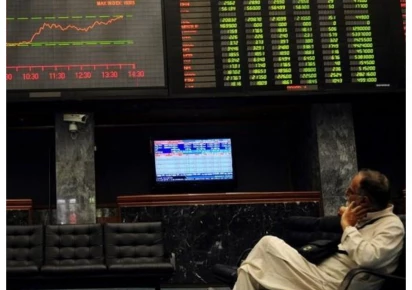
    PSX faces heavy selling as KSE-100 index drops over 1,300 points

    KARACHI: Selling pressure intensified at the Pakistan Stock Exchange (PSX) on Tuesday as investor sentiment weakened amid growing uncertainty over the prospects of a peace agreement between the United States and Iran and the reopening of the strategically important Strait of Hormuz. The benchmark KSE-100 Index came under pressure during the trading session, losing more than 1,300 points as investors remained cautious and reduced exposure to major stocks across several sectors. At around 2pm, the KSE-100 Index stood at 179,996.62 points, showing a decline of 1,313.66 points, or 0.72%, from the previous close. The market witnessed broad-based selling, with several major sectors contributing to the decline. Automobile assemblers, cement companies, commercial banks, fertiliser manufacturers, oil and gas exploration firms and oil marketing companies (OMCs) remained under pressure. Several index-heavy stocks also traded in negative territory. Prominent companies including HUBCO, Mari Petroleum (MARI), Oil and Gas Development Company (OGDC), Fauji Fertilizer Company (FFC), Habib Bank Limited (HBL), MCB Bank, Meezan Bank (MEBL) and United Bank Limited (UBL) were among the stocks weighing on the benchmark index. Previous session also ends lower The latest decline follows a weak close in the previous trading session. On Monday, the PSX initially moved higher but lost momentum during the second half of the session as investors opted to book profits in heavyweight shares. The KSE-100 Index eventually closed at 181,310.28 points, down 119.74 points, or 0.07%. The continued weakness suggests that investors are closely monitoring developments in international markets, particularly the situation surrounding oil supplies and the Strait of Hormuz. US-Iran tensions keep markets on edge Global financial markets remained unsettled on Tuesday as hopes for an agreement between Washington and Tehran appeared to fade. Negotiations aimed at ending the conflict and restoring normal shipping through the Strait of Hormuz have encountered fresh difficulties. US President Donald Trump on Monday responded to Iran’s conditions for a possible peace agreement by putting forward his own demands, including calls for compensation related to deaths and losses associated with wars, attacks and protests. The tougher rhetoric has raised concerns that diplomatic efforts could take longer, potentially prolonging disruptions around the crucial maritime route. The Strait of Hormuz is one of the world’s most important energy corridors, and prolonged disruption to shipping through the waterway could have significant consequences for crude oil supplies and global energy prices. Oil prices climb to highest level since July 31 The uncertainty surrounding the situation was reflected in international oil markets. Brent crude futures climbed to around $88 per barrel, while US West Texas Intermediate crude futures rose to approximately $82.45 per barrel. Both benchmarks reached their highest levels since July 31 after recording gains of roughly 5% during Monday’s trading session. Higher oil prices are a major concern for economies that depend heavily on imported energy. For Pakistan, sustained increases in global crude prices could increase the country’s import bill and place additional pressure on external accounts, inflation and domestic fuel prices. The rise in energy prices is also being closely watched by investors because higher input costs can affect corporate profitability and influence monetary policy expectations. Asian markets remain cautious The uncertainty was not limited to Pakistan. Asian equity markets moved within a narrow range as investors assessed the potential impact of rising energy prices on inflation and economic growth. MSCI’s broadest index of Asia-Pacific shares outside Japan moved between gains and losses before trading modestly higher. South Korea’s Kospi also recorded a slight increase. However, the escalation in tensions around the Gulf kept overall market sentiment fragile, with investors remaining wary of further developments that could affect energy supplies and global trade. US stock futures were also slightly positive on Tuesday. Nasdaq futures rose around 0.28%, while S&P 500 futures gained approximately 0.1%, following a weaker session on Wall Street on Monday. Inflation data in focus Investors are also awaiting the latest US consumer price data, which could provide further clues about the direction of interest rates and inflationary pressures in the world’s largest economy. The increase in crude oil prices has added another element of uncertainty ahead of the inflation report. A sustained rise in fuel and energy costs could complicate efforts to bring inflation closer to central-bank targets. For Pakistani investors, the combination of geopolitical uncertainty, higher global oil prices and pressure on heavyweight shares is likely to remain a key factor influencing trading sentiment in the near term.

  • | |

    US appeals court allows thousands of social media …

    SAN FRANCISCO: A US appeals court has cleared the way for thousands of lawsuits against major social media companies, including Meta Platforms, Google parent Alphabet, TikTok owner ByteDance and Snap, rejecting an attempt by the technology firms to use federal online protections to halt litigation over allegations that their platforms are deliberately designed to keep young users hooked. The ruling was issued Monday by the 9th US Circuit Court of Appeals, which declined to immediately consider an appeal filed by Meta and TikTok challenging a lower court decision that had allowed more than 3,000 lawsuits to continue in federal court. The lawsuits, brought by parents, children, school districts, local governments and state authorities, accuse social media companies of designing products and features that encourage excessive use among children and teenagers. Plaintiffs argue that the companies were aware of potential risks associated with prolonged social media use but failed to adequately protect young users or warn families about those risks. At the center of the companies’ legal argument is Section 230 of the Communications Decency Act of 1996. The law generally protects online platforms from being held liable for content created and posted by their users. Meta and TikTok argued that the protection should also prevent lawsuits alleging that the companies failed to warn users about the allegedly addictive characteristics of their platforms. However, the appeals court determined that the companies had sought appellate review too soon. The court said Section 230 provides a defense against liability but does not give companies immunity from having to defend themselves in litigation. As a result, the companies cannot use the current appeal to stop the cases from proceeding through the lower courts. Meta’s attempt to delay multistate trial rejected The appeals court also rejected Meta’s request to postpone a major trial involving 29 US states. The case, brought by state attorneys general, accuses Meta of unlawfully collecting and using information relating to children, designing its platforms to encourage young users to remain engaged for extended periods and making misleading statements concerning the safety of its services. Meta had sought to delay the trial while its appeal concerning Section 230 was pending. The court rejected that request, meaning the proceedings can move forward as scheduled. The development represents another significant legal challenge for Meta, which has faced growing scrutiny from regulators, lawmakers and families over the impact of its platforms on children and teenagers. A Meta spokesperson declined to comment on the appeals court’s decision. TikTok representatives did not immediately respond to requests for comment. Lawyers say trials could reveal what companies knew Attorneys representing thousands of individuals and school districts involved in the federal litigation welcomed the ruling. Lawyers Lexi Hazam and Previn Warren said the decision would allow the multistate case to proceed and would also clear the path for a separate trial involving school districts that is scheduled for February. The attorneys said court proceedings could provide the public with evidence about what social media companies knew regarding the potential effects of their products on children, when they became aware of those concerns and how they responded. The lawsuits have become part of a much broader legal battle in the United States over the responsibilities of technology companies toward minors. Plaintiffs contend that social media platforms can contribute to serious problems among young people, including anxiety, depression, eating disorders and concerns about body image. They argue that companies intentionally use features such as recommendation algorithms, notifications and engagement mechanisms to encourage repeated and prolonged use. The technology companies have generally denied allegations that they deliberately designed their platforms to harm children. Thousands of cases consolidated The federal lawsuits have been centralized before US District Judge Yvonne Gonzalez Rogers in Oakland, California. The cases involve claims brought by a wide range of plaintiffs, including families, school districts, municipalities and state governments. They seek financial damages, penalties and other forms of relief from the technology companies. Meta and TikTok previously appealed rulings issued by Judge Rogers in 2023 and 2024 that largely permitted the litigation to continue. The companies also face hundreds of similar cases in state courts. Around 3,300 related cases have been consolidated in California state court, underscoring the scale of the legal challenge confronting the social media industry. Jury verdict adds pressure on technology companies The latest appeals court decision comes after several significant courtroom developments involving the alleged impact of social media on young users. In March, a Los Angeles jury found Meta and Google negligent in connection with claims that their social media products were designed in ways that could harm young people. The jury awarded $6 million to a young woman who said she became addicted to Instagram and YouTube after using the services as a child. The verdict was closely watched because it represented an early test of how juries may respond to similar allegations against major technology companies. Meta and Google have denied wrongdoing in the case and said they intend to appeal. New Mexico ruling increases scrutiny Meta has also suffered a major legal setback in New Mexico. A judge in the state recently ruled that the company had created a public nuisance and ordered it to pay $567 million into a fund intended to support teen mental-health initiatives, while also requiring the company to implement additional measures aimed at protecting young users. The New Mexico proceedings followed an earlier stage of litigation in which a jury found that Meta had misled consumers about the safety of its platforms and ordered the company to pay $375 million. Meta has rejected the allegations and indicated that it will challenge the findings through the appeals process. The growing number of lawsuits reflects increasing pressure on social media companies in the United States to explain how their platforms are developed, marketed and operated for younger audiences. The latest 9th Circuit decision does not resolve whether Meta, Google, TikTok or Snap will ultimately be held liable. Instead, it allows the underlying lawsuits to continue, potentially setting the

  • |

    Gold prices rise for third straight session, hit two-month high

    Gold prices extended their upward momentum on Tuesday, climbing for a third consecutive session as investors turned their attention to key US inflation figures that could influence expectations for the Federal Reserve’s next interest-rate decision. The precious metal continued to attract buying interest amid renewed safe-haven demand and growing expectations that US monetary policy could become less restrictive if economic data point to a cooling economy. Spot gold gained around 1% to reach $4,432.74 per ounce by 0217 GMT, its highest level since June 5. US gold futures also advanced, rising 1.7% to $4,492.60 per ounce. Market analysts said several factors were contributing to the latest rally, including investors who had stayed on the sidelines during gold’s earlier decline and are now returning to the market as prices recover. IG market analyst Tony Sycamore said the move was partly being driven by a fear of missing out among investors who had failed to take advantage of the previous decline toward the $4,000 level. He also pointed to short-covering by speculative traders and renewed demand for gold as a safe-haven asset. Sycamore added that gold could have further room to advance over the medium term, potentially opening the way for a stronger recovery toward the $5,000-per-ounce mark. US inflation data in focus Investors are now closely watching the latest US inflation figures, with the consumer price index (CPI) scheduled for release on Wednesday and producer price data due on Thursday. The reports are expected to provide important clues about the future direction of US interest rates. Markets have already reduced expectations for further monetary tightening following weaker-than-expected US employment data released last week. The latest jobs figures raised concerns about the strength of the US economy and encouraged traders to reassess expectations for the Federal Reserve’s policy path. At its July meeting, the Federal Reserve left interest rates unchanged, although three policymakers dissented and supported an increase. The split among officials highlighted uncertainty over the appropriate direction of monetary policy as the central bank continues to balance inflation risks against signs of economic weakness. Gold generally benefits from a lower-interest-rate environment because the metal does not provide interest or other regular income. When bond yields and interest rates decline, the opportunity cost of holding non-yielding bullion becomes less significant, potentially increasing its appeal among investors. Fawad Razaqzada said that if incoming economic data continue to indicate a slowing US economy without a significant acceleration in inflation, financial markets could further reduce expectations for tighter monetary policy. Such a development could weigh on the US dollar while creating a more supportive environment for gold, he said. Geopolitical tensions add to safe-haven demand Geopolitical developments also remained an important factor in precious-metals markets. US President Donald Trump responded to Iran’s conditions for a potential peace agreement with demands of his own, including calls for compensation over people killed during wars, attacks and protests. The exchange has added uncertainty to diplomatic efforts aimed at resolving the conflict and reopening the Strait of Hormuz, a strategically important waterway for global energy shipments. Any prolonged disruption or renewed tensions around the Strait could increase concerns over global energy supplies and economic stability. Such uncertainty often encourages investors to seek traditional safe-haven assets, including gold. Analysts are therefore watching both economic indicators and geopolitical developments for signs that could influence bullion prices in the coming sessions. Other precious metals also gain Gold was not the only precious metal to advance during Tuesday’s trading. Spot silver increased by 0.9% to $66.30 per ounce, maintaining its recent strength. Platinum also moved higher, gaining 0.7% to $1,765.26 per ounce. Meanwhile, palladium rose 0.8% to $1,394.00 per ounce. With US inflation figures due later in the week, traders are expected to remain cautious while assessing whether the latest economic data will reinforce expectations for a shift toward easier monetary policy. For gold, a combination of softer US economic indicators, a potentially weaker dollar, lower interest-rate expectations and continued geopolitical uncertainty could provide additional support to prices in the near term.

  • |

    Pakistan announces Hajj 2027 packages, 107,526 government seats

    ISLAMABAD: The federal government has announced the initial arrangements for Hajj 2027, allocating 107,526 seats under the Government Hajj Scheme and introducing a fully digital application and payment system aimed at making the pilgrimage process easier and more transparent for applicants. Federal Minister for Religious Affairs Sardar Muhammad Yousaf said the government has set the estimated cost of the 40-day Hajj package at Rs1.2 million, while the 20 to 25-day package will cost Rs1.3 million. According to the minister, the Hajj 2027 process has been transformed into an end-to-end digital system on the directions of Prime Minister Shehbaz Sharif, with the Ministry of Religious Affairs working in coordination with the Ministry of Information Technology and the National IT Board. The new arrangements are designed to allow intending pilgrims to complete most of the necessary procedures without repeatedly visiting government offices or banks. Applicants will be able to submit their Hajj applications from their homes, deposit the required dues through digital channels and access information and other facilities through the Pak Hajj App and Hajj Portal. Yousaf said the ministry’s primary objective was to reduce the difficulties traditionally faced by pilgrims during the application process. He said the digital system would help eliminate lengthy queues, unnecessary journeys and waiting periods while also making the overall process more convenient for applicants. First instalment to be collected from August 17 The minister announced that the first phase of payments under the approved Hajj Policy 2027 would begin on August 17. Applicants selected under the relevant phase will be required to deposit 50% of the total package cost as the first instalment. The government will subsequently demand the second instalment during the first week of October. The authorities have also opened the final application phase for Hajj 2027. Around 400,000 pilgrims who have already completed the pre-registration process will now be eligible to proceed with their formal applications. Officials expect the digital registration mechanism to simplify verification and reduce delays as the large number of pre-registered applicants move into the next stage. Passport information to be verified digitally The Religious Affairs Ministry has also established a data-sharing arrangement with the Passport Office as part of the government’s efforts to strengthen the digital Hajj registration system. Through the integration, applicants’ passport information can be verified more efficiently, potentially reducing paperwork and manual intervention during the application process. Yousaf said linking databases of different government institutions would improve the accuracy and speed of processing while increasing transparency. The minister maintained that the use of digital verification would also reduce the possibility of errors arising from manual data entry and repeated documentation. HBL named banking partner Habib Bank Limited (HBL) has been designated as the authorised banking partner for the Government Hajj Scheme. According to the minister, the Ministry of Religious Affairs and HBL have signed a Memorandum of Understanding covering the banking arrangements associated with Hajj applications and payment of dues. Pilgrims will have three digital payment options available under the government scheme. They can pay through a OneLink PSID, use a credit or debit card, or download a digital challan through the Pak Hajj App and deposit the required amount at any HBL branch. The government has stressed that applicants should use only the officially prescribed channels when making payments. Seats to be confirmed on first-come, first-served basis Under the Government Hajj Scheme, applicants who successfully deposit the required amount through the online payment system will have their seats confirmed on a first-come, first-served basis. Once the allocated seats are filled, the authorities will stop accepting further payments for that category. The government has separately allocated 30,000 seats for the Short Hajj Scheme. Online payments for the short-duration package will be closed once the allocated quota is exhausted. Authorities have also outlined arrangements for applicants who are unable to secure a seat during the current phase. If the available Hajj 2027 quota is filled, remaining registered applicants will be placed on a waiting list for the following year. At the same time, registration for the Hajj 2028-2030 period will continue according to the announced policy. The minister said details concerning the 10% payment requirement for the Long-Term Hajj Scheme would be announced after completion of the current application phase. Private Hajj Scheme gets 71,684 seats Alongside the government programme, the federal government has allocated 71,684 seats for the Private Hajj Scheme for 2027. Under the new digital mechanism, pilgrims opting for the private scheme will be able to compare packages offered by 25 government-approved authorised Hajj organisers. The available packages and participating companies will be displayed through the official Hajj Portal and Pak Hajj App, allowing intending pilgrims to choose an organiser and package according to their preferences. The government has made it clear that the selection of private Hajj organisers and payments must also be completed through the designated official digital system. Pilgrims warned against direct payments The Religious Affairs Ministry has issued a specific warning to intending pilgrims against handing over money directly to private Hajj operators or tour companies. Yousaf said any payment or financial transaction conducted outside the officially designated government system would not be recognised. Pilgrims have therefore been advised to verify the status of Hajj organisers through the official digital platform before making any payment. The government believes that centralising the selection and payment process through the digital Hajj system will help protect pilgrims from potential fraud, unauthorised operators and disputes over payments.

  • |

    Pakistan, Japan sign $2.2 million grant agreement for civil servants’ scholarships

    ISLAMABAD: The governments of Pakistan and Japan have signed a grant agreement worth JPY 350 million, equivalent to around $2.2 million, to support the Human Resource Development Scholarship Programme (JDS) for 2026. The agreement was signed during a ceremony held at the Ministry of Economic Affairs on Tuesday, August 11, as both countries reaffirmed their commitment to strengthening cooperation in human resource development and institutional capacity building. Secretary of the Ministry of Economic Affairs Muhammad Humair Karim and Japanese Ambassador to Pakistan Akamatsu Shuichi signed the Record of Discussions and Exchange of Notes during the ceremony. The grant agreement was separately signed by Miran Mohiyuddin Soomro, Senior Joint Secretary at the Ministry of Economic Affairs, and Yusuke Shinozaki, Chief Representative of the Japan International Cooperation Agency (JICA) in Pakistan. Senior representatives from the Embassy of Japan, JICA and Pakistan’s Ministry of Economic Affairs also attended the signing ceremony. 17 scholarships to be offered Under the latest phase of the JDS programme, 17 Pakistani government officials will receive scholarships to pursue higher education at leading Japanese universities. The 2026 programme will offer 16 scholarships for master’s degree programmes and one scholarship for a doctoral programme. The initiative is primarily aimed at young officers serving in Pakistan’s Federal Civil Service and Ex-Cadre services. The scholarship programme is designed to enhance the professional expertise of government officials by providing them with opportunities to acquire advanced academic knowledge and specialized skills in Japan. Officials who benefit from the programme are expected to contribute to policymaking, public administration and Pakistan’s broader socio-economic development after completing their studies. Ninth phase since 2018 The latest grant marks the ninth instalment of Japan’s JDS programme in Pakistan since its launch in 2018. Over the past eight batches, approximately 17 to 18 Pakistani officials per batch have benefited from the scholarship initiative. The programme has consequently created a growing network of Pakistani officials with exposure to Japanese academic institutions, public-sector practices and professional training. The JDS initiative is part of Japan’s broader development cooperation with Pakistan, with a particular focus on strengthening human resources and improving the capacity of government institutions. In addition to the long-term JDS scholarships, Japan also facilitates short-term training opportunities for Pakistani government officials in various fields. These programmes provide participants with exposure to international practices and technical expertise that can be applied to their respective departments in Pakistan. Focus on bilateral cooperation Speaking at the ceremony, Japanese Ambassador Akamatsu Shuichi reiterated Japan’s commitment to working with Pakistan on human resource development and other areas of mutual interest. JICA Chief Representative Yusuke Shinozaki also expressed the agency’s willingness to continue cooperating with the Government of Pakistan to strengthen institutional capacity and promote sustainable development. The Japanese side said such initiatives also contribute to closer people-to-people links and reinforce the longstanding friendly relations between Pakistan and Japan. The two countries have maintained development and economic cooperation for decades, with Japan supporting Pakistan through grants, technical assistance, training programmes and other capacity-building initiatives. The continuation of the JDS programme is expected to further deepen bilateral cooperation while equipping Pakistani public-sector officials with knowledge and skills that can support more effective governance and economic development.