
postmortems find torture
|

Post-mortems find no torture signs in Lahore custodial deaths

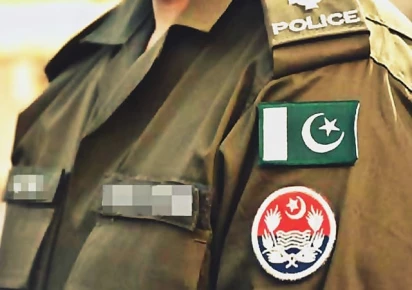
LAHORE: Post-mortem examinations of two women who died while in police custody in Lahore have found no visible signs of physical torture or assault, according to detailed medical reports.

The women, identified as Anmol and Amina, had been detained in connection with a theft-related case. They reportedly became seriously ill while in custody and were taken to hospital. Both later died.

The post-mortem examinations were conducted after their deaths. A medical board reviewed the findings before finalising the reports.

According to the reports, no external injuries or marks suggesting physical violence were found on either woman.

However, medical examiners observed dark spots on the lungs of both women. Blood clots were also found in their hearts.

The reports stated that the liver, kidneys and stomachs of both women appeared normal.

Samples of blood and internal organs have been sent for histopathological analysis. The testing is expected to help determine the precise cause of death.

The findings come as authorities continue to investigate the circumstances surrounding the deaths.

A separate judicial inquiry has also been completed under the relevant provisions of the Code of Criminal Procedure.

The magistrate who conducted the inquiry inspected the bodies and reported that there was no apparent evidence of physical torture.

However, the inquiry report did not establish the final medical cause of death. It stated that the definitive conclusion would depend on the post-mortem and forensic examination results.

Police had earlier said the women became critically ill while being moved between police units.

Officials had raised the possibility of drug use or poisoning. Police also alleged that the women had a history of drug use and that withdrawal or another medical complication could have contributed to their deteriorating condition.

Investigators were also examining whether the women might have consumed a toxic substance before their arrest.

The families have rejected these claims and demanded an independent investigation.

Relatives said they were initially informed about the case and asked to arrange legal assistance before learning that the women had died.

The circumstances surrounding their detention and deaths have therefore remained under scrutiny.

Investigators are also examining CCTV footage from the police station. Videos reportedly show the women inside the premises shortly before their deaths.

The footage is expected to help investigators establish their movements and condition while they were in custody.

The families have also raised questions about the handling and transportation of the bodies after death.

Similar Posts

  • |

    Bank of Punjab Board approves Up to Rs30bn equity injection by Punjab government

    LAHORE: The Board of Directors of The Bank of Punjab (BOP) has approved a proposal for an equity injection of up to Rs30 billion by the Government of Punjab, a move aimed at strengthening the bank’s capital position and supporting its next phase of expansion. The decision was taken at a board meeting held on August 7, 2026. Under the proposal, the Punjab government will subscribe to ordinary shares to be issued by the bank through a mechanism other than a rights issue. The proposed transaction will not take effect immediately and remains conditional on obtaining all required statutory, corporate, shareholder and regulatory approvals. According to the bank, the planned capital injection is an important step in its broader transformation strategy and will provide additional financial capacity to support sustainable growth across its key business segments. Share issuance price The ordinary shares will initially be issued at Rs38.20 per share. However, if the market price of BOP shares is higher than this amount at the time of issuance, the shares will be issued at the prevailing market price plus a premium of 5 percent. As a result, Rs38.20 will serve as the minimum or floor price for the proposed share issuance. The transaction is expected to reinforce the bank’s capital base and provide greater flexibility to manage balance-sheet expansion while maintaining prudent financial and risk-management standards. BOP expands its market presence The Bank of Punjab has undergone significant changes in recent years, with the institution expanding its balance sheet, improving financial performance and strengthening its position across several sectors of Pakistan’s economy. The bank has developed a strong presence in areas including small and medium-sized enterprise (SME) financing, agricultural lending, affordable housing, digital banking and credit cards. It has also increased its focus on women’s participation and leadership in banking and financial services. BOP is further expanding its activities in commercial and corporate banking, particularly in areas linked to export-oriented businesses. The bank said these business segments have positioned it as an important participant in supporting economic activity, employment creation and financial inclusion across the country. Capital requirements rise with expansion Despite the bank’s growth, the rapid expansion of its operations has increased pressure on its existing capital base. BOP said its capital position has historically remained relatively limited compared with the size of its operations and the growth opportunities available to the institution. The proposed Rs30 billion injection is therefore expected to provide the bank with additional capacity to expand its core businesses while maintaining financial resilience. The additional capital could also enable BOP to increase its low-cost deposit base and grow lending operations without facing the same level of capital constraints. The bank said strengthening its capital position would allow it to pursue growth while maintaining a balanced and prudent approach to balance-sheet management. Strong financial performance The proposed capital injection comes as BOP continues to report strong underlying financial performance. During 2025, the bank recorded revenue growth of around 29 percent, while its earnings increased by more than 40 percent year on year. The bank also witnessed significant appreciation in the value of its shares during the period. According to the bank, the proposed capital raise should therefore be viewed primarily as growth capital rather than a measure aimed at addressing immediate financial weakness. The additional equity is expected to provide the financial foundation required for BOP to continue expanding its operations and investing in new business opportunities. International expansion in focus Another important component of the bank’s future strategy is its international expansion. The capital injection is expected to support the next phase of BOP’s growth, including an international venture that has recently received approval from the State Bank of Pakistan. The move could provide the bank with an opportunity to broaden its geographical footprint and develop new sources of business and revenue. With the proposed equity injection, BOP aims to strengthen its financial position, support expansion in priority sectors and improve its ability to serve businesses, consumers and other customers as demand for banking and financial services continues to grow.

  • | | |

    CBFC orders cuts in Emraan Hashmi’s Awarapan 2 b…

    Bollywood actor Emraan Hashmi’s much-awaited film Awarapan 2 has officially received clearance from the Central Board of Film Certification (CBFC), but only after several significant edits were made. The film has been awarded a U/A 16+ certificate, allowing viewers aged 16 and above to watch it under parental guidance. The CBFC approved the film on August 5, 2026, with a final runtime of 140 minutes and 20 seconds. However, before granting certification, the board instructed the filmmakers to implement changes at nine different points throughout the movie. According to reports, the CBFC asked the makers to tone down violent sequences, remove certain objectionable words from both the audio and subtitles, and include mandatory health warnings related to smoking and drug use. The board also directed the filmmakers to display the Hindi title prominently and ensure that anti-smoking messages remain visible during scenes featuring tobacco use. In addition, the certification body required a warning related to child trafficking to be included in the film. Some action scenes were shortened to reduce the intensity of violence, while one particular sequence was reportedly cut by nearly 50 percent. A scene involving drug inhalation was also modified to comply with certification guidelines. The end credits were adjusted to better align with the background music. Overall, approximately four minutes of footage were removed, while another 20 seconds of content were altered. Despite these edits, the film’s official runtime remains unchanged at 140 minutes and 20 seconds. Directed by Nitin Kakkar, Awarapan 2 stars Emraan Hashmi alongside Disha Patani and Shabana Azmi in key roles. The film serves as the sequel to the 2007 hit Awarapan and continues the emotional storytelling of the original while introducing a darker, revenge-driven narrative. Produced by Vishesh Bhatt, the sequel also reunites composer Mithoon and lyricist Sayeed Quadri. Fans can look forward to refreshed versions of the iconic songs “To Phir Aao” and “Tera Mera Rishta,” along with several new tracks created specifically for the film. With the required CBFC changes now completed, Awarapan 2 is set for a theatrical release on August 14, 2026. The film is expected to attract both longtime fans of the original and new audiences eager to see Emraan Hashmi return to one of his most memorable franchises.

  • | |

    Doctors reject FBR POS system, warn of public prot…

    Islamabad: The Pakistan Medical Association Punjab has warned the Federal Board of Revenue that doctors could launch legal action, protests and even withdraw medical services if the proposed Point of Sale system is imposed on private healthcare establishments. PMA Punjab President Dr Kamran Saeed Sheikh said the medical community was ready to fight the issue through courts, public protests, banners and awareness campaigns if its concerns were not addressed. He said the doctors could also consider token strikes or withdrawal of services. The warning came during a press conference at the National Press Club, where the PMA Punjab provincial council met in Islamabad. Doctors from different parts of Punjab discussed the FBR initiative concerning POS systems and the requirements linked to Section 175C. Dr Kamran Saeed Sheikh said doctors were not refusing to pay taxes. He stressed that the medical profession should not be treated like an ordinary business because healthcare is an essential public service. According to Dr Kamran Saeed Sheikh, the proposed system could create additional technical and financial difficulties for doctors and ultimately increase the cost of healthcare for ordinary patients. He also raised concerns about patient privacy. He said information about a patient’s illness, visits and expenses must remain confidential and should not be exposed through systems that could allow unnecessary access or monitoring. The PMA Punjab president said private healthcare providers were already paying taxes on several areas, including electricity, equipment, water, gas and buildings. He argued that adding more technical requirements could take doctors away from their main responsibility of treating patients. Dr Kamran Saeed Sheikh also warned that doctors were already leaving Pakistan and that healthcare establishments in some areas were closing rather than opening. He said further administrative pressure could make the situation worse. The PMA leadership said it had already held two meetings with the FBR and had also sent written communications explaining its position. According to Dr Kamran Saeed Sheikh, the discussions had not produced the result the doctors wanted. He said the medical community was prepared to keep all legal and democratic options open. “We will fight legal battles, go to court and protest,” Dr Kamran Saeed Sheikh said during the briefing. He also warned that doctors could come onto the streets and consider withdrawal of services if the issue was not resolved. Dr Maqsood Zahid, President Elect of PMA Punjab, also questioned whether POS technology was suitable for medical services. He argued that healthcare was different from selling ordinary products because doctors provide services that can be required at any time, including emergencies during the night. He said doctors could not stop treating an emergency patient simply because a machine was not working or an internet connection had failed. Dr Maqsood Zahid said many patients also receive treatment without paying the full amount. Some patients receive services at half rates, while others are treated free of charge. He questioned how such cases would be properly reflected through a system designed mainly around payment records. He gave the example of a hospital in Mian Channu, Khanewal, where doctors reportedly deal with many patients without charging them. He said that out of 100 patients, around 60 could be treated without receiving even a single penny, making a simple payment based system difficult to apply to real medical practice. The doctors also argued that medical treatment cannot be measured in the same way as the sale of a retail product because the cost and complexity of treatment can change from patient to patient. Dr Maqsood Zahid said the medical community was willing to discuss a suitable tax formula with the government if a system could be designed according to the realities of medical practice. The PMA representatives said doctors across the country were being represented in discussions on the issue. They said representatives from Sindh, Khyber Pakhtunkhwa, Balochistan, Karachi, Islamabad and Punjab had participated in consultations. The PMA also raised the problem of smaller clinics in remote areas. Doctors argued that poor internet services, electricity problems, shortage of technical workers and maintenance costs could create serious difficulties for clinics outside major cities. Dr Muzaffar Niazi said doctors would not accept a situation in which the medical profession was treated like a normal retail business. He said doctors were prepared to pursue legal action, demonstrations, public awareness campaigns and other forms of protest. The PMA leadership also stressed that it was not against taxation itself. Dr Maqsood Zahid said doctors were law abiding citizens and accepted that taxes were necessary to run the country. The main demand was for the government to develop a system that recognised the special nature of healthcare and did not place unnecessary financial and administrative pressure on doctors or patients. The PMA Punjab had already formally raised the issue with the FBR. In a letter dated January 20, 2025, Dr Kamran Saeed Sheikh, President PMA Punjab, asked the FBR Chairman to defer the installation of POS systems in private healthcare establishments. The letter warned that additional administrative, technical and financial requirements could increase the cost of healthcare and reduce the time available for doctors to provide medical treatment. It also pointed to problems such as unreliable electricity and internet services, shortage of technical staff and difficulties faced by small and medium sized clinics. PMA Punjab also warned in the letter that additional pressure on private healthcare could discourage young doctors and female doctors from starting private practices in remote and less developed areas and could contribute to further brain drain from Pakistan. The letter was also copied to the President of Pakistan, Prime Minister, Governor Punjab, Federal Minister for Finance and Revenue, Chief Minister Punjab, Speaker Punjab Assembly, provincial health ministers and the Chairman Punjab Health Care Commission. The PMA leadership has now made clear that the dispute is no longer limited to a technical discussion over a machine. Doctors say the issue involves taxation, patient privacy, the cost of healthcare and the ability of small clinics to continue providing services. If the disagreement remains unresolved,

  • | |

    Punjab Imams to use pulpits, social media to promo…

    LAHORE: Secretary and Chief Administrator Auqaf Punjab Dr Ehsan Bhutta has urged Imams and Khateebs to play a broader role in promoting religious harmony, social cohesion and positive values, saying their responsibilities extend beyond leading prayers and delivering Friday sermons. Addressing the concluding ceremony of the 45th Quarterly Refresher Training Course for Imams and Khateebs at Aiwan-e-Auqaf in Lahore, Bhutta said the pulpit and mihrab were important platforms for the religious, moral, intellectual and spiritual development of society. He said 19 Khateebs from different parts of Punjab had successfully completed the mandatory three-month training programme required for promotion to the next grade. The course, he added, was designed not only to support professional progression but also to strengthen the participants’ religious knowledge, intellectual abilities, research skills and professional competence. Bhutta stressed that religious scholars must remain equipped to respond to emerging social challenges, changing societal needs and contemporary intellectual and jurisprudential questions. He called for greater emphasis on research, communication skills and modern approaches to religious guidance. The Auqaf secretary urged Khateebs to use Friday sermons, religious gatherings and public interactions to foster unity among Muslims, interfaith harmony, tolerance, brotherhood and mutual respect. He also called upon them to help counter sectarianism, extremism, intolerance, hate speech and divisions based on language or group identity. He said Islam promotes peace, justice, compassion, human dignity and harmonious relations within society. Religious scholars, he added, should present the teachings of the Holy Quran, Sunnah and Seerah of the Holy Prophet (PBUH) in a wise and meaningful manner while keeping contemporary circumstances in view. Referring to the growing influence of digital platforms, Bhutta said social media and other modern communication tools had become powerful means of shaping public opinion. He encouraged Imams and Khateebs to use these platforms responsibly to communicate the peaceful and universal message of Islam, particularly to young people and audiences around the world. He further urged religious scholars to contribute to efforts against misinformation, inflammatory material, hate speech and sectarian propaganda by promoting well-reasoned and constructive content. Bhutta said the Auqaf and Religious Affairs Department was continuing reforms aimed at improving transparency, merit and good governance in the management of mosques, shrines and Khanqahs. The department was also working to improve the welfare of Imams and Khateebs, expand their intellectual and professional training and enhance the quality of religious services. He said that under Chief Minister Maryam Nawaz Sharif’s “Magnificent Punjab” vision, the department was stepping up efforts to strengthen peace, religious harmony, tolerance and positive social values across the province. He added that under the supervision of Chief Secretary Punjab Zahid Akhtar Zaman, administrative reforms, departmental performance and public facilitation initiatives were being made more systematic, effective and results-oriented.

  • | | |

    Bilawal hails Makkah defence pact as historic mile…

    Pakistan Peoples Party (PPP) Chairman Bilawal Bhutto Zardari has welcomed the Makkah Joint Defence Agreement, describing it as a historic development that will further strengthen Pakistan’s defence capabilities. In a statement issued on Saturday, Bilawal said the agreement marked an important moment in Pakistan’s history and carried significance beyond the defence cooperation of the three participating countries. He said the pact would contribute to a stable and secure future for Pakistan, Saudi Arabia and Türkiye while also supporting broader efforts for peace and stability in the region and around the world. Bilawal praised Prime Minister Shehbaz Sharif and Chief of Defence Forces and Chief of Army Staff Field Marshal Asim Munir for their role in facilitating the agreement. He described their contribution to the agreement as commendable and said the pact represented an important step toward strengthening collective security and defence cooperation among the three countries. The agreement was signed in Makkah by Pakistan, Saudi Arabia and Türkiye, amid heightened regional tensions and growing concerns over security and stability in the Middle East. The three countries have described the agreement as a defensive arrangement aimed at enhancing cooperation and deterrence, with an attack against one member to be treated as an attack against all. Bilawal’s remarks underline the PPP’s support for the agreement and its potential role in strengthening Pakistan’s strategic and defence partnerships while promoting regional stability.

  • |

    South Korea beats NASA to first photos of SpaceX Moon crash

    A spent SpaceX rocket stage slammed into the Moon on August 5, travelling at roughly 8,700 kilometres per hour. South Korea’s Danuri orbiter was perfectly positioned to capture the moment. The Korea Aerospace Administration released the images on August 6, beating NASA’s own Lunar Reconnaissance Orbiter to the first confirmed photos of the impact site. KASA had adjusted Danuri’s orbital path specifically for this event. The manoeuvre let the probe fly around 340 to 350 kilometres above the impact zone near Einstein Crater, capturing images just before and after the collision. Using its high-resolution Lunar Terrain Imager, the satellite photographed the site at an estimated resolution of five metres per pixel. A separate instrument measured changes in surface reflectivity to help gauge how much debris the impact had thrown up. KASA compared the difficulty of the shot to photographing a car crash in Busan from an aircraft flying above Seoul. The comparison highlighted just how precise the timing and positioning needed to be. The rocket stage originally launched in January 2025, carrying Firefly Aerospace’s Blue Ghost lander and ispace’s RESILIENCE spacecraft toward the Moon. Both spacecraft were part of separate lunar missions at the time. Falcon 9 upper stages are typically destroyed by burning up in Earth’s atmosphere after their missions end. This particular stage, however, had used up nearly all its fuel reaching lunar orbit, leaving it drifting as space debris. Gravitational and solar forces eventually pulled the stage back down, resulting in the lunar impact. SpaceX confirmed it had coordinated with NASA on the disposal process for the spent stage. The company noted that controlled descents are not always possible for upper stages following this kind of trajectory. NASA administrator Jared Isaacman downplayed the event’s significance afterward. Isaacman pointed out that meteoroids strike the lunar surface roughly every hour. He noted that impacts of this scale happen approximately every six days, framing the incident as fairly routine rather than dramatic.

Leave a Reply

Your email address will not be published. Required fields are marked *