تازہ ترین

  • |

    Sydney Sweeney and Scooter Braun enjoy adventurous date night

    Sydney Sweeney and Scooter Braun appear to be taking their relationship to thrilling new heights, with the couple recently embracing a series of adventurous activities together. The Euphoria star gave fans a glimpse into their latest date night on August 25, sharing a collection of photos and videos featuring Braun during their action-packed outing. Sweeney appeared to be enjoying the experience alongside her boyfriend as they took part in an extreme adventure that showcased their fearless sides. One of the playful photos showed Sweeney sitting on Braun’s lap as the pair posed beside a colorful aircraft. Keeping the caption short and sweet, the actress simply wrote, “Date night.” The post quickly caught the attention of fans, particularly because of the couple’s willingness to participate in daring activities together. In one of the videos, Braun, 45, could be seen taking part in bungee jumping, fully embracing the adrenaline-filled experience. Sweeney herself also appeared ready for an adventure. A day earlier, the actress shared a video showing her standing on top of a biplane while taking part in wing walking. The unusual activity gave followers another glimpse of the actress stepping outside her comfort zone and enjoying an adventurous moment. The couple’s recent social media posts have generated plenty of reactions from fans, many of whom expressed their admiration for their relationship and their adventurous date choices. One fan jokingly praised the romance, writing that it was like “dating the coolest woman on earth.” Another admitted they could not understand why anyone would willingly choose such a dangerous activity, while a third commenter shared a personal experience involving the same aircraft. The reactions highlight the curiosity surrounding Sweeney and Braun’s relationship, which has attracted considerable public attention since romance rumors first emerged. Who is Sydney Sweeney dating? Sydney Sweeney is reportedly dating Scooter Braun, with the pair appearing to be in a serious and committed relationship. Sweeney, best known for her roles in Euphoria, The White Lotus and Anyone but You, and Braun, a prominent figure in the music industry, were first linked after reportedly meeting at the wedding of Jeff Bezos and Lauren Sánchez in Venice, Italy, in June 2025. Their relationship has since become a subject of widespread interest, particularly as they have gradually been seen together in public and have shared glimpses of their time together. Although both Sweeney and Braun have largely kept details of their romance private, their recent social media activity has offered fans a closer look at their dynamic. Their latest adventure-filled date night suggests that the pair are comfortable enjoying exciting experiences together. From bungee jumping to wing walking, Sweeney and Braun appear to have found a shared enthusiasm for adrenaline-fueled activities. As their relationship continues to attract attention, fans are watching closely for more glimpses of the couple and their life together. For now, their latest posts suggest that the pair are enjoying their time together while making some unforgettable memories along the way.

  • | |

    PHA Kurri Road crisis: 2023 promise still unfulfil…

    Islamabad: A three year old promise to build an important access road for the PHA Officers Residencia Kurri Road has still not been fulfilled, leaving residents dependent on a narrow 12 foot road and a small bridge where rainwater can overflow and enter nearby homes. The Senate Standing Committee on Housing and Works has now given the Capital Development Authority a fresh deadline of three months to build the 400 metre access road, after officials were confronted over why a commitment made in 2023 had not been implemented. The issue became heated during the committee meeting when the PHA Kurri Road representative told senators that the CDA had given a written commitment in May 2023 to construct a dual 100 foot wide road extending towards the Head Start School. Three years have passed since that commitment, but the road has not been built. The PHA representative further told the committee that the CDA later informed the court in writing that the road would be constructed within five months. That promise also remained unfulfilled. According to the briefing, the existing road is only about 12 feet wide, and a small bridge along the route creates another serious problem during heavy rain. Water can overflow onto the bridge and, when wood and other material become trapped, the water flow can be blocked and pushed towards nearby houses. The committee chairman Senator Nasir Mehmood questioned the CDA representative about why the authority had not acted on its own written commitment. The CDA Member Planning and Finance, Muhammad Umair, said the authority’s rules required the sponsors of a housing scheme to provide a 100 foot wide access approach. He described the matter as disputed but said the road was about 400 metres long and that the authority could review the issue and work towards a final decision. The committee was not satisfied with the explanation. The chairman ordered the CDA to construct the road within three months and provide the committee with a written commitment. The chairman also made it clear that the committee would return to the CDA after three months to check whether the road had actually been built. The dispute became more serious when the Secretary Housing challenged the CDA’s interpretation of its own rules. He argued that the road existed before the PHA scheme and therefore represented the CDA’s existing right of way. He said that if there had been no road at all before the housing scheme was developed, PHA would have been responsible for acquiring land and constructing one. But, he argued, this was an existing CDA road. The Secretary Housing also pointed out that the road leads towards a Head Start School used daily by children and their parents. He told the CDA that even if the authority did not want to build the road for PHA, it should consider the needs of the school and the families using the route. He described the required road as only 400 metres long. The CDA representative also raised the authority’s financial problems. He told the committee that the CDA had a salary bill of about Rs24 billion and faced major financial constraints. He warned that if the CDA began constructing roads on the rights of way of different private societies, other societies could also demand similar work. The chairman rejected the delay and told the CDA that continued explanations could result in another six months passing without any work. He ordered the authority to complete the road within three months and submit its commitment in writing. The road dispute is only one part of a much larger problem at the PHA Officers Residencia Kurri Road project. According to the Housing Secretary’s briefing, residents have been facing nine different issues, including problems involving a community centre, school, commercial shops, streetlights, water supply, encroachment, access roads and the creation of new plots. The representative of PHA Officers Residencia told the committee that many of these problems had remained unresolved for about 10 years. The Housing Secretary personally visited the project despite heavy rains and examined the problems. On the community centre, the Housing Ministry said there was no major obstacle to providing the required plot once the terms and conditions were agreed. A school plot is also being processed. The ministry said documents had been prepared and a party would be brought in to operate a primary school at the site because a Head Start facility already exists nearby. The commercial shops in Block C also faced a problem because no buyers came forward at the offered price. The Housing Secretary said the price would be revised, and the shops would be put up for auction again. Streetlights remain another concern, with the ministry acknowledging financial problems but saying repairs would be carried out. Water supply is also being tested. Under the arrangement explained to the committee, the contractor will operate the tube well for two weeks. If water reaches the houses properly, the system will be taken over. Any leakage found during the process will have to be repaired by the contractor. The ministry expects this process to be completed within one month. The project also has a nine kanal illegal encroachment issue, but that matter is currently before the court. Another major issue involves proposals to create new plots in green areas. PHA needs money to clear its liabilities, but the Housing Secretary said there was no desire to sell green areas simply to raise funds. Instead, he said his team would sit with PHA officials and find another way to clear the liabilities while protecting the green space. The committee also discussed who should maintain the housing scheme once it is fully developed. PHA officials said the authority was already paying property tax and conservancy charges but lacked a proper maintenance arrangement for the society. They requested that the CDA take over the scheme so that it would not be left without proper management. The Housing Secretary said government housing schemes are normally maintained by their own

  • | |

    PIMS gets Rs22bn in three years amid staffing, saf…

    ISLAMABAD: The Pakistan Institute of Medical Sciences (PIMS) has received a total budget of around Rs22 billion over the past three years, according to official budget documents obtained by Minute Mirror. The financial figures have come under scrutiny following the deadly fire in the Mother and Child Health (MCH) Ward on August 26. The incident has raised questions about the hospital’s financial management, staffing levels, maintenance and fire safety arrangements. According to the documents, PIMS was allocated Rs6.84 billion during the previous financial year. However, the hospital spent Rs7.51 billion, exceeding the allocated amount by around Rs670 million, or Rs67 crore. For the current financial year, the federal government has allocated Rs7.63 billion to PIMS. The hospital has also been provided Rs500 million, or Rs50 crore, under the repair and maintenance head in the current budget. The allocation has attracted particular attention after the fire. Questions are now being raised about whether adequate funds were used to maintain electrical systems, hospital infrastructure and fire safety equipment. The financial questions have emerged alongside a serious staffing shortage at PIMS. The hospital has 949 vacant positions against 2,451 sanctioned posts. The vacancies include 385 doctors and clinicians, 363 nurses and 201 paramedical staff. Health experts have questioned how a major public hospital receiving billions of rupees in government funding continues to face shortages of medical personnel and concerns about infrastructure and safety. They say staffing gaps can place additional pressure on existing employees and affect patient care, emergency response and hospital management. The August 26 fire has intensified these concerns. Prime Minister Shehbaz Sharif took notice of the incident and directed Federal Health Minister Mustafa Kamal to visit PIMS and assess the situation. Minister of State for Interior Talal Chaudhry said the prime minister had also ordered a high-powered investigation into the tragedy. The Establishment Division subsequently suspended National Health Services Secretary Muhammad Aslam Ghauri for 120 days. Capt. (Retd.) Muhammad Mahmood, Secretary Housing and Works, was given additional charge of the Health Secretary for three months. The developments have increased calls for the investigation to examine not only the immediate cause of the fire but also the hospital’s broader administrative and financial arrangements. A senior officer, speaking on condition of anonymity, claimed that authorities had repeatedly been informed about shortages of staff, equipment and safety facilities. The officer questioned whether the Rs50 crore allocated for repair and maintenance would be used to address fire safety and infrastructure requirements. The official spending figures have also raised questions about the reasons for the previous year’s expenditure exceeding the approved allocation by Rs67 crore. However, the available figures alone do not establish financial wrongdoing. A detailed audit would be required to determine how the additional expenditure was incurred, whether it was properly authorised and where the funds were spent. PIMS is part of a wider staffing problem affecting federal healthcare facilities in Islamabad. More than 1,470 positions are reportedly vacant across four major government hospitals. Besides PIMS, the Polyclinic Hospital has 439 vacant positions, the National Institute of Rehabilitation Medicine has 29, while the Federal General Hospital has more than 57 vacancies. The combination of large public allocations, vacant positions and concerns over hospital infrastructure has prompted calls for greater transparency in the use of government funds. The key questions now facing authorities include whether maintenance funds were adequately utilised, who authorised spending beyond the allocated budget, whether previous warnings were acted upon and whether the investigation into the PIMS fire will examine possible administrative or financial failures. A comprehensive audit and transparent investigation could help determine whether the problems resulted from insufficient resources, poor utilisation of available funds, weak oversight or administrative failures. Officials have yet to make public a detailed audit of PIMS expenditure or announce a firm timeline for filling the hospital’s vacant positions.

  • | |

    PM Shehbaz hails efforts to unite muslim countries

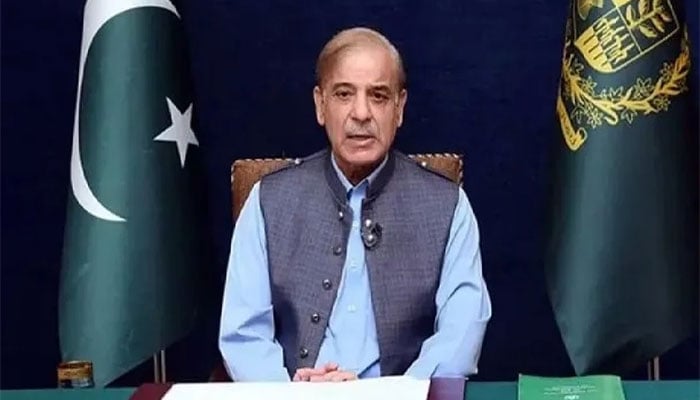
    Prime Minister Shehbaz Sharif has said hostile forces made every possible effort to create divisions among Muslim countries in the region but failed to achieve their objective. Addressing the National Seerat-un-Nabi ﷺ Conference, the prime minister credited Field Marshal Syed Asim Munir with helping thwart attempts to create discord among Muslim nations. He said peace and stability remained essential for the Muslim world and praised efforts aimed at countering elements seeking to spread hatred and division. Shehbaz Sharif also highlighted Pakistan’s close and historic ties with Saudi Arabia and Türkiye. He said the three countries had strengthened their cooperation through the historic Makkah Defence Agreement, describing the development as an important step toward closer strategic coordination. The prime minister praised Saudi Arabia and Türkiye for standing by Pakistan during difficult times as well as periods of prosperity. He particularly appreciated Saudi Crown Prince Mohammed bin Salman’s support for Pakistan, saying the Saudi leadership had stood with the country like an “iron wall.” Recalling Pakistan’s recent conflict with India, Shehbaz Sharif said the entire nation had remained united in the face of the challenge. He stressed that national unity and solidarity played a crucial role in safeguarding the country’s interests. The prime minister also called for greater efforts to eliminate sectarianism and promote harmony among Muslims. He urged religious scholars and clerics to spread the teachings of Prophet Muhammad ﷺ, particularly his messages of love, tolerance, compassion and brotherhood. Shehbaz Sharif said mosques, pulpits and religious gatherings should become platforms for promoting peace and mutual respect rather than division. He emphasized that following the Prophet’s ﷺ teachings could help strengthen unity within the Muslim community and counter attempts to create hatred and discord among Muslims.

  • | |

    Rs120bn PRI subsidy ends as banks take over costs …

    Islamabad: The government has stopped providing the Pakistan Remittance Initiative subsidy, which reached Rs120 billion, saying the country’s financial difficulties make it impossible to continue the support under the current budget. Banks have agreed to absorb the related costs themselves to keep overseas Pakistanis sending money through official channels. The development puts the spotlight on the future of Pakistan’s remittance system, which depends heavily on money sent home by Pakistanis working abroad. The government had previously used subsidies to help banks facilitate these transfers, but curtailed that support last year. The Governor of the State Bank of Pakistan informed the Senate Standing Committee on Finance and Revenue that the government had initially provided subsidies to banks under the Pakistan Remittance Initiative to facilitate remittances from overseas Pakistanis. The total subsidy provided by the government reached Rs120 billion. However, the financial pressure on the government has now made it difficult to continue paying this amount. The subsidy could not be continued in the current budget because of prevailing fiscal constraints. Instead, banks have decided to bear the costs linked to facilitating remittances from their own resources. The decision means that banks will continue providing the service to overseas Pakistanis even though the government can no longer provide the previous level of financial support. The Pakistan Remittance Initiative was discussed by the committee during its meeting at Parliament House in Islamabad on August 25, 2026, under the chairmanship of Senator Saleem Mandviwalla. The committee considered the government’s decision important because remittances sent by Pakistanis living and working abroad are a major source of foreign currency for the country. The State Bank told the committee that banks decided to continue bearing the associated costs so that the flow of remittances would not be disrupted. The committee appreciated the banks’ decision but also decided to examine their actual performance. Selected banks will therefore be invited to the committee’s next meeting to explain their performance and contribution to the remittance sector. The move comes at a time when the government is facing tight financial conditions and has been forced to reduce or reconsider spending commitments. The end of the Rs120 billion subsidy raises an important question about how the remittance system will operate in the longer term if banks continue to carry the costs without government support. For millions of Pakistanis working overseas, remittances are an important way of supporting families at home. These transfers help families pay for everyday needs and also bring foreign currency into Pakistan. The government’s decision does not mean that the remittance service has stopped. Instead, banks have agreed to continue facilitating transfers while paying the related costs themselves. The Senate committee has now moved to check whether banks are fulfilling this responsibility effectively and whether overseas Pakistanis are receiving proper services. The next meeting is expected to provide the committee with a clearer picture of how banks are handling the change after the withdrawal of the government subsidy. The key issue remains whether banks can continue carrying the financial burden while maintaining an efficient and reliable remittance system for overseas Pakistanis. The Rs120 billion figure also shows the scale of government support previously used to encourage and facilitate remittances through the formal banking system.

  • | | |

    91 trade exhibitions, 11 foreign delegations but n…

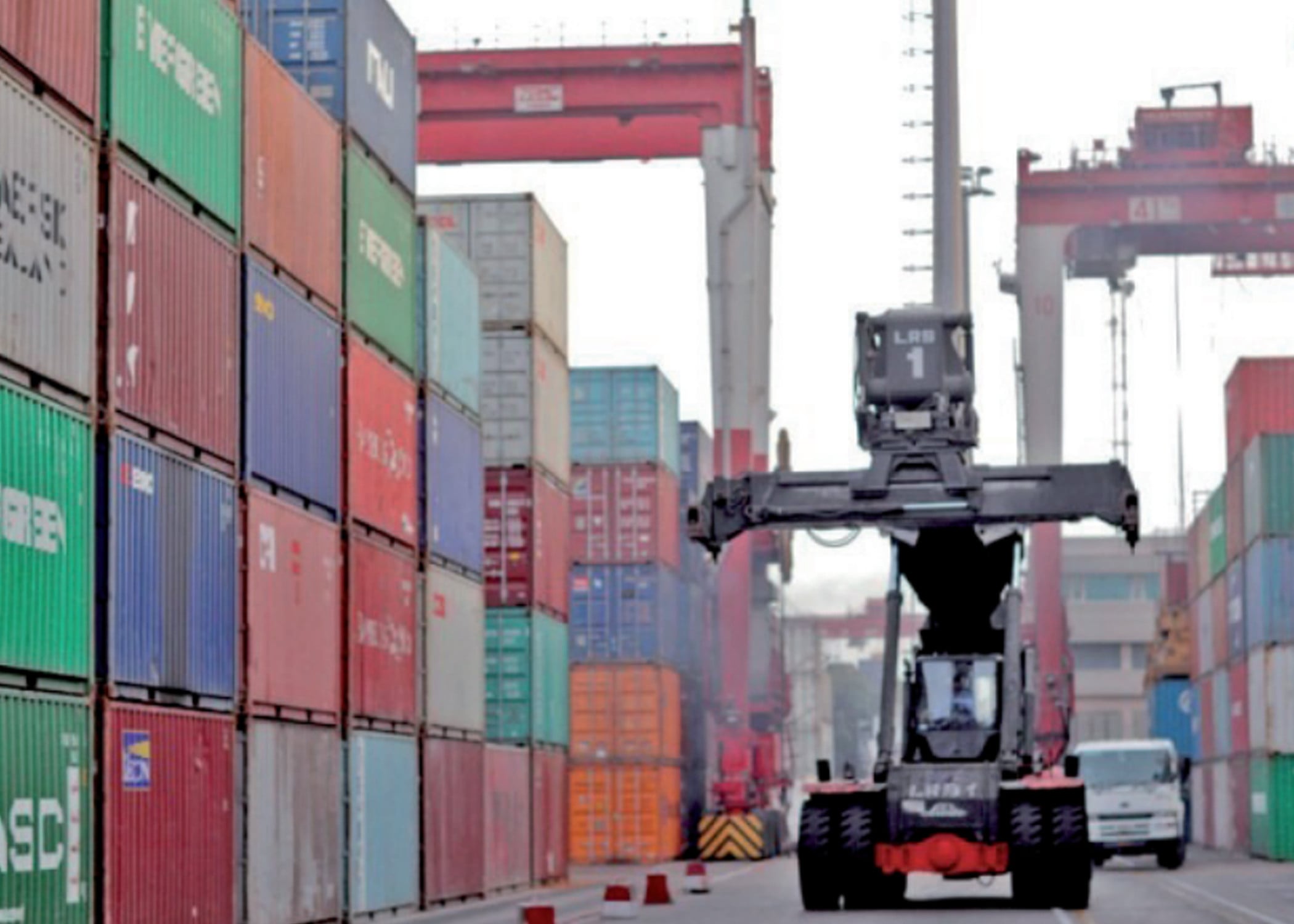
    Islamabad:Pakistan has preferential trade arrangements with 93 countries. Its trade promotion authority participated in 91 international exhibitions and sent 11 trade delegations abroad in the last financial year, yet the country still has no registered Pakistani trade representative organisation or joint chamber in China. The absence of a formal Pakistani commercial organisation in China became a major point of concern before the Senate Standing Committee on Commerce, as senators questioned why Pakistan has not established a stronger private sector trade presence in one of its most important international markets. The committee, chaired by Senator Anusha Rahman, was told that no Pakistani joint chamber is currently registered in China and no Pakistani trade representative organisation is operating there. The Secretary Commerce said a Pakistani chamber could be established in China either as a joint chamber or as a branch, but it would have to meet the requirements set by Chinese authorities. He further explained that only one joint chamber from Pakistan could register itself in China under the relevant arrangements. Senators questioned why such an organisation had not been established despite the large scale business relationship between Pakistan and China. The Secretary Commerce said the reason could best be explained by the trade organisations themselves. The issue became more important when senators asked what real benefit Pakistan would gain from establishing a joint chamber or representative office. The Secretary Commerce said the Ministry of Commerce could not give a clear position on the matter and suggested that the Federation of Pakistan Chambers of Commerce and Industry and other chambers should provide their views. He said Pakistani private sector organisations could establish a chamber in major Chinese commercial centres such as Beijing or Shanghai, while the Ministry of Commerce would provide full support to interested chambers if they fulfilled Chinese requirements. Senator Anusha Rahman said a chamber could help Pakistani companies follow up more effectively on commercial opportunities in China. The discussion exposed a gap between Pakistan’s growing trade ambitions and its physical commercial presence in an important foreign market. The committee also examined the performance of the Trade Development Authority of Pakistan and its efforts to increase exports. The Chief Executive of TDAP said the authority was often blamed whenever Pakistan’s exports failed to grow, but export performance depended on several factors beyond the authority’s direct control. He pointed to production costs, electricity prices and the cost of financing as major factors affecting the ability of Pakistani businesses to compete in international markets. This means that simply sending trade delegations or participating in international exhibitions cannot guarantee higher exports if Pakistani products remain expensive to produce. The Commerce Minister, Jam Kamal Khan, told the committee that the Ministry of Commerce regularly sends policy proposals and recommendations to the government to improve the country’s trade environment. He said he had also proposed to the Prime Minister that reciprocal incentives should be pursued to increase exports. The minister said the Ministry of Commerce was working on new proposals to improve international marketing and increase Pakistani exports. He stressed that Pakistan could not become more competitive in international markets without dealing with the underlying costs faced by businesses and improving the investment environment. The figures presented by TDAP showed that the authority remained active in promoting Pakistani products abroad. During the last financial year, TDAP participated in 91 international exhibitions. The authority also organised or supported 11 trade delegations to foreign countries to search for new markets and strengthen business connections. Pakistan currently has preferential trade arrangements with 93 countries, giving Pakistani businesses access to special trade opportunities in international markets. However, the Senate committee stressed that trade agreements and international relationships must produce visible economic results. Members said Pakistan’s trade agreements should not remain only on paper. They should lead to higher exports, more investment and greater access for Pakistani businesses in foreign markets. The Chief Executive TDAP also clarified an important point about the authority’s financing. TDAP does not receive funding from the Export Development Fund. Instead, it receives government financing for specific projects. The committee also discussed the importance of stronger cooperation between Pakistani and Chinese institutions and private sector organisations. Senator Saleem Mandviwalla highlighted the role that Chinese international cooperation and trade specialists could play in developing stronger business and investment links. The discussion suggested that Pakistan needs to connect several areas of economic policy instead of treating export promotion as a separate activity. Lower production costs, cheaper and reliable electricity, easier access to finance, stronger investment policies, better international marketing and effective trade representation are all important if Pakistani companies are to compete successfully abroad. TDAP’s participation in 91 international exhibitions and 11 foreign trade delegations shows that the authority is actively trying to open doors for Pakistani exporters. But the Senate discussion also made clear that opening doors is only the first step. Pakistan must ensure that its businesses are able to walk through those doors with competitive products, attractive prices and the capacity to supply international buyers. The committee appreciated TDAP’s efforts but stressed the need for a coordinated national strategy linking trade policy, investment, industrial competitiveness, export promotion and overseas market representation.

  • | |

    Frankfurt airport worker dies in rare malaria outb…

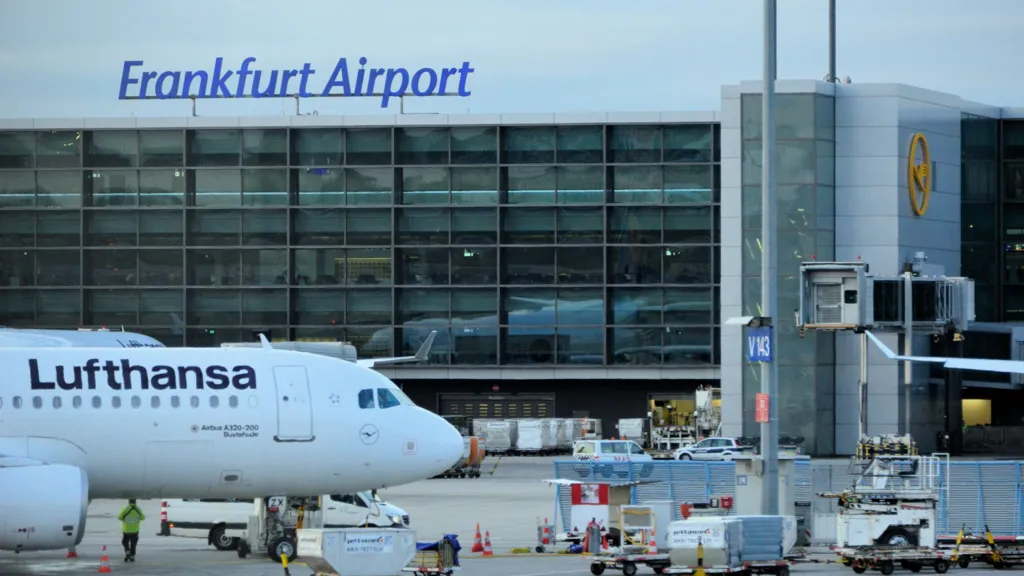
    A worker at Frankfurt Airport has died after contracting malaria during a rare outbreak that has now infected six employees at Germany’s busiest airport, with health officials saying mosquitoes likely arrived on an incoming flight and spread the disease among ground staff. The remaining five infected workers are currently receiving medical treatment, according to a spokesperson for Fraport, the company that operates the airport. Officials have installed mosquito traps around the airport grounds, and any insects captured will undergo laboratory analysis to determine their species and point of origin. The Fraport spokesperson confirmed to the BBC that one employee died as a result of the infection, and said the company has shared detailed information with all staff members while urging anyone experiencing symptoms to see a doctor promptly. Reports in July indicated the outbreak initially involved four infected workers. The Robert Koch Institute, a German federal agency responsible for disease control and public health research, said at the time that the four employees became ill between July 4 and July 6, and that mosquitoes carrying the disease had entered the country aboard an aircraft. According to the institute, malaria cases in Germany almost always involve long haul travelers who contracted the disease while visiting regions where malaria remains endemic, making transmission within a German airport an unusual occurrence. The institute noted in its epidemiological bulletin that the absence of a travel history in such cases can delay diagnosis, and that a delayed diagnosis raises the risk of a more severe illness. The institute also said the last documented case of airport acquired malaria in Germany occurred in 2023, also at Frankfurt Airport. The Frankfurt Public Health Department is leading the investigation into the current outbreak. According to the World Health Organization, malaria spreads through the bites of certain mosquito species and occurs predominantly in tropical regions. The disease results from a parasite rather than direct person to person transmission, and while it remains both preventable and curable, symptoms can range from mild to life threatening depending on how quickly treatment begins. The airport has stepped up surveillance measures following the outbreak, and health authorities continue monitoring the situation as they work to determine exactly how the mosquitoes entered the facility and whether additional cases might emerge among airport staff or travelers who passed through the terminal during the affected period.

  • | |

    Trump hints at outcome from CIA chief’s surp…

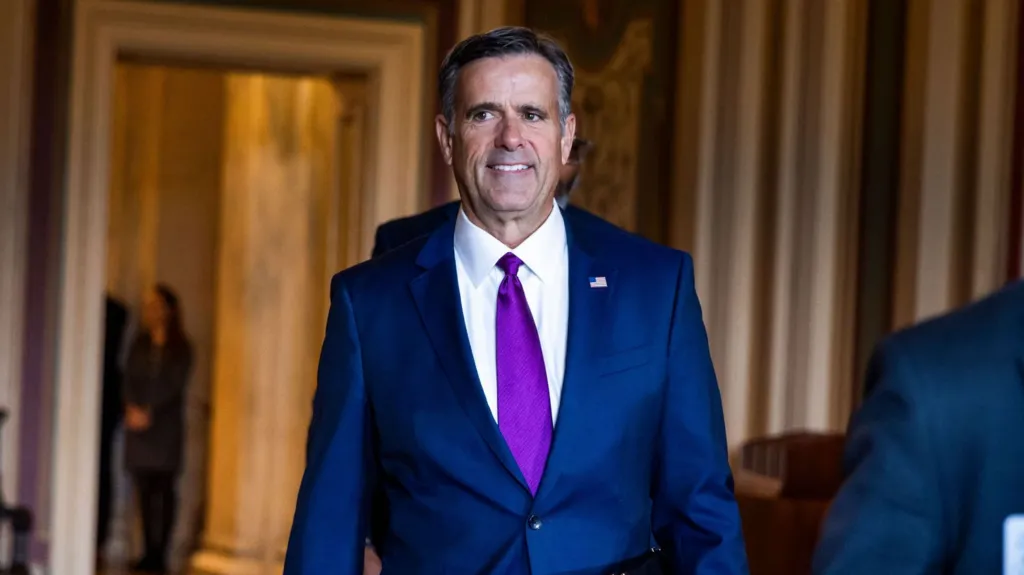
    US President Donald Trump said something may come out of an unannounced meeting his CIA director held with Russian intelligence officials in Moscow on Tuesday, fueling speculation about the purpose of the trip amid stalled efforts to end the war in Ukraine. CIA Director John Ratcliffe flew into Moscow aboard a military aircraft and departed just hours later, and neither Trump nor US officials disclosed what the two sides discussed. Trump described the meeting as semi routine and said Washington wants to see the war in Ukraine come to an end. The last comparable high level contact between the two countries occurred in the months before Russia’s full scale invasion of Ukraine began. The Kremlin said Ratcliffe did not meet with Russian President Vladimir Putin during his visit. Kremlin press secretary Dmitry Peskov told reporters that contacts took place with Russian intelligence services but that no meeting occurred with Putin himself, adding that the president receives immediate briefings on all such matters. Peskov made the remarks in response to a question from a reporter with a Russian state affiliated newspaper, who asked whether Putin had been informed of the talks and at what level they took place. When the BBC’s Russia editor asked Peskov what topics the CIA discussions covered, he said he had nothing further to add beyond his earlier comments. He also said it remains too early to determine what effect the meeting might have on repairing the deeply strained relationship between Washington and Moscow, calling any assessment of the broader recovery process premature at this stage. Peskov described intelligence contacts between the two countries as a positive development, noting that such channels often remain open even during the most difficult periods in bilateral relations. Ahead of the visit, US officials informed Ukraine that a senior American delegation would travel to Moscow and asked Kyiv to pause strikes until the delegation had departed, according to a senior Ukrainian official who spoke to another news organization. Neither the CIA, the White House nor the Pentagon has issued an official statement addressing Ratcliffe’s trip. Ratcliffe now ranks among the highest level American officials to visit Russia during Trump’s second term in office. The last time a sitting CIA director traveled to Moscow was in November 2021, when then director William Burns warned Russian officials against sending troops into Ukraine. Weeks after that visit, the Kremlin launched its full scale invasion of the country. Since the invasion began, the United States has maintained a strained relationship with Russia, which has faced international isolation and sweeping economic sanctions. Trump met with Putin at a summit in Alaska last year, though the talks failed to produce any major breakthrough, and subsequent peace negotiations between Russia and Ukraine led by the United States appear to have stalled since then. John Foreman, who served as Britain’s military attache in Moscow between 2019 and 2022, told a radio program that American officials rarely send such a senior figure to Moscow unannounced and on short notice unless a significant development is underway. The unannounced nature of Ratcliffe’s visit, combined with the lack of official confirmation from Washington, has left analysts and diplomats speculating about whether the trip signals renewed backchannel efforts to break the deadlock in the Ukraine peace process, though officials on both sides have offered little indication of what practical outcome, if any, the meeting might produce.

  • | |

    Canada’s pushback against Trump tests bounda…

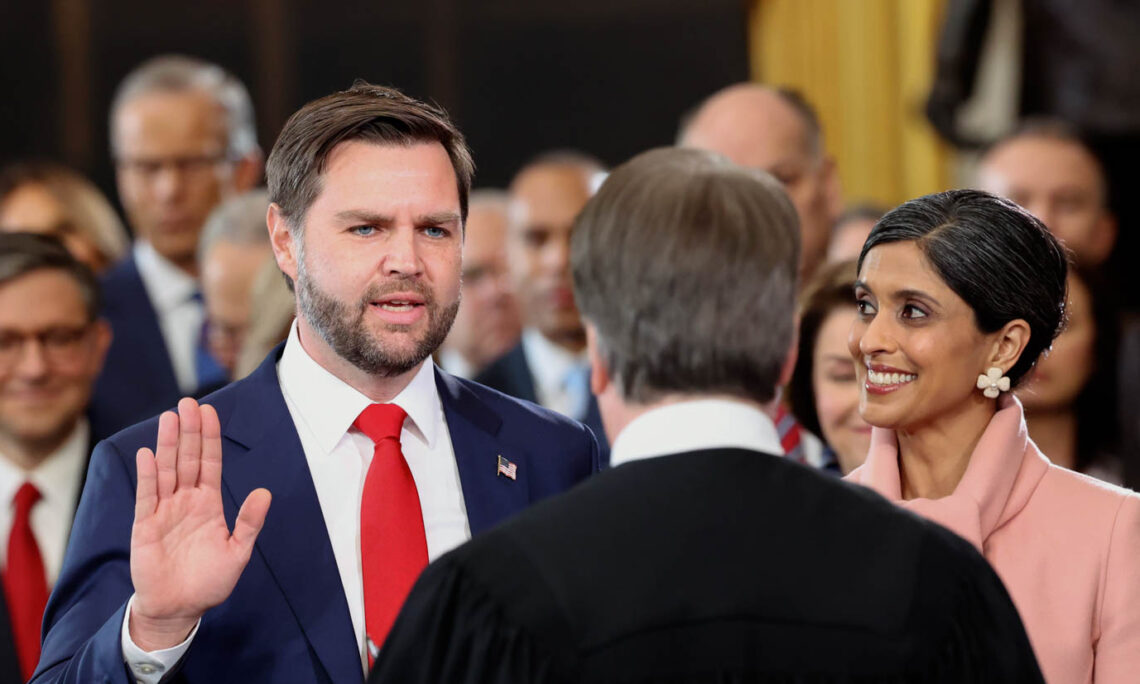
    Two days before trade negotiations between the United States and Canada collapsed dramatically over the weekend, Vice President JD Vance told an audience at a private fundraiser that Canadian Prime Minister Mark Carney was, in his words, a very sweet guy. According to a private audio recording obtained by a Canadian news outlet, Vance went on to describe Carney as someone who talks tough and claims he can out tough Donald Trump, before ultimately backing down on major issues, a pattern Vance called hilarious. Those remarks, which drew significant attention across Canada, may not have directly caused Carney’s negotiating team to walk away from the table, but they certainly did not help matters. Carney’s decision abruptly ended talks over a new trade agreement and triggered a fresh round of tariffs between two countries that conduct more than 872 billion dollars in annual bilateral trade. The deepening rift, paired with Vance’s comments, offers the latest example of an American administration willing to apply pressure against both allies and adversaries alike, underscoring how such tactics can produce unpredictable consequences on the world stage. If Trump anticipated that Canada would eventually yield to American pressure, following a pattern seen among other US allies over the past year and a half, that assumption may prove mistaken, and the fallout could shape the remainder of his presidency. Tension between Washington and Ottawa did not begin this weekend. It traces back to the first Trump administration and the negotiations that produced the USMCA, the agreement that replaced the original 1990s era North American Free Trade Agreement. Personal friction between Trump and former Canadian Prime Minister Justin Trudeau complicated those earlier talks. As Trump prepared to return to office in late 2024, he mockingly referred to Trudeau as governor and to Canada as America’s 51st state. Behind those remarks sat a broader worldview in which the United States positions itself as the dominant power within its own hemisphere, entitled to shape political, military and economic outcomes across the region, Canada included. Administration officials have argued that Canada contributes too little to regional defense spending while benefiting disproportionately from trade with its southern neighbor. Within Trump’s framework, where economic and national security are treated as inseparable, Canada and Mexico, two of America’s largest trading partners, emerged as early targets. Drew DeLong, head of corporate statecraft at the Kearney Foresight think tank, said officials across the State, Treasury and Commerce departments frequently repeat the phrase that economic security equals national security. By early this year, as North American trade talks moved forward unevenly, Trump’s focus shifted away from Canada toward military interventions in Venezuela and later the Middle East. Even so, the central thread running through Trump’s foreign policy approach has remained consistent, treating the United States as a dominant power capable of imposing its will for national advantage. That power has limits, however, and Trump’s second term has repeatedly tested where those limits lie. Despite the obvious differences between an active conflict with Iran and a trade dispute with Canada, the underlying dynamics share similarities. In both cases, the United States confronts a counterpart with far less overall power but still capable of retaliation. Iran has leaned on its ability to threaten US allies and disrupt global commerce through chokepoints like the Strait of Hormuz. Canada, meanwhile, has begun testing its own capacity to inflict economic pressure, with this week’s targeted tariffs marking an initial step. Future Canadian measures could include limiting American access to Canadian energy and critical minerals, alongside consumer boycotts targeting US products. DeLong said that as the broader global landscape shifts toward economic security concerns, countries increasingly search for chokepoints and leverage across global supply chains, adding that such opportunities exist for nations willing to look for them. For now, clear paths toward resolution remain limited. Trump has escalated his public rhetoric, repeatedly accusing Canada of ripping off the United States, while Ontario Premier Doug Ford responded sharply, telling the American president to kiss his ass. Imran Bayoumi, deputy director of the GeoStrategy Initiative at the Atlantic Council, said that pushing allies and partners away tends to incentivize them to seek new relationships rather than comply with American demands. Room still exists for tensions to ease. Canada’s new tariffs take effect in two weeks, while the most significant American countermeasure, a 50 percent tariff on Canadian built vehicles and auto parts, will not take effect until early 2027. Escalation cycles in economic or military conflicts can be difficult to reverse, but the several month gap before the next round of US tariffs gives both sides room to potentially resume negotiations, which had shown signs of progress before talks collapsed Friday night. A more immediate deadline looms in November’s US midterm elections. Democratic gains in Congress could limit Trump’s authority significantly, while unexpected Republican success could strengthen his position further. Ottawa currently appears to be betting on the former scenario, calculating that concern over midterm losses in industrial swing states like Michigan and Ohio will pressure Trump to soften his stance before voters head to the polls. Bayoumi said he does not see the kind of internal political division within Canada that the Trump administration may have anticipated, adding that Carney has considerable political room to negotiate a favorable outcome for Canada rather than settle for less. Carney has also raised another possibility publicly since Trump returned to office, suggesting Canada may continue drifting away from the United States altogether and deliberately widen the distance between the two nations. Carney has said Canada cannot depend on traditional alliances now that the rules of engagement have fundamentally shifted. While geographic proximity guarantees the two countries will remain connected in some form, the deeply integrated economic relationship built over recent decades may be approaching its end. This stands in contrast to Mexico, which appears to be pursuing closer economic integration with the United States rather than distancing itself. Meanwhile, other global trading partners, including US allies across Europe and Asia, are closely watching Canada’s assertive stance


  • | |

    Maryam Nawaz, Xinjiang leader discuss stronger Pun…

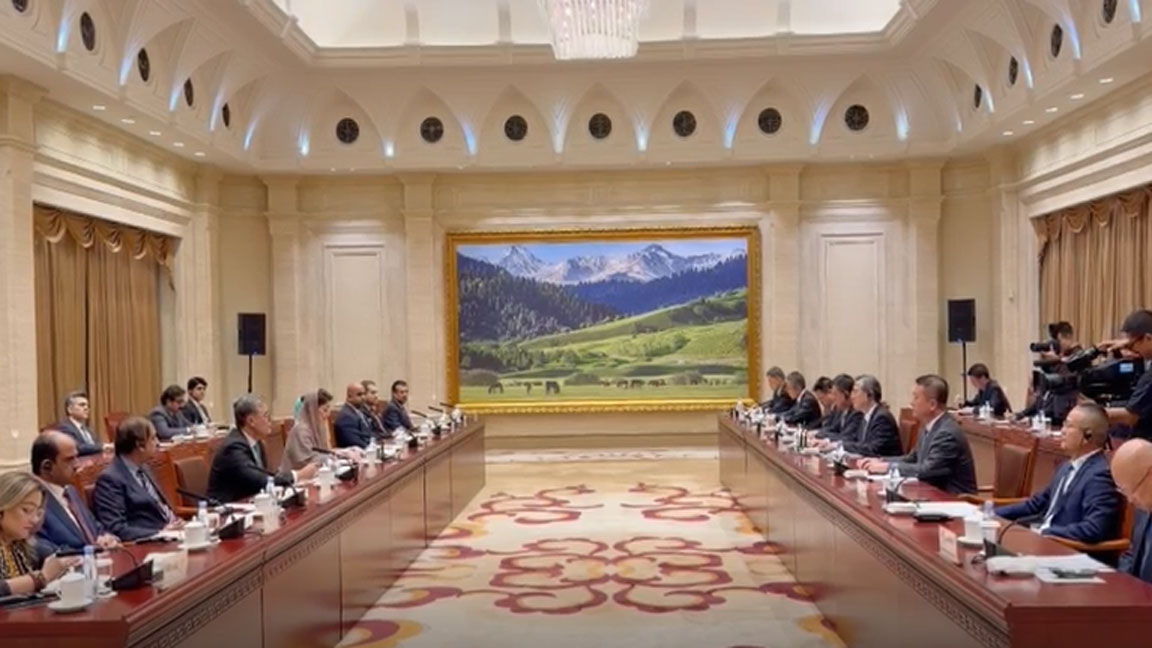
    LAHORE: Punjab Chief Minister Maryam Nawaz Sharif and Secretary of the Communist Party of China’s Xinjiang Uygur Autonomous Regional Committee He Zhongyou held a meeting in Urumqi and discussed ways to expand cooperation between Punjab and Xinjiang. The meeting focused on strengthening economic relations and developing greater collaboration in areas of mutual interest. During the meeting, Maryam Nawaz highlighted Punjab’s importance to Pakistan’s economy and agriculture. She said Punjab has the distinction of being the country’s “food basket” because of its major contribution to national food production. The chief minister said Punjab was keen to benefit from China’s experience, technology and expertise, particularly in sectors linked to agriculture and economic development. She proposed launching pilot projects in different parts of Punjab in cooperation with Chinese partners. According to the chief minister, such initiatives could help introduce modern practices and technologies while providing practical models that could later be expanded across the province. The discussions also covered opportunities for closer economic cooperation between Punjab and Xinjiang. Both sides expressed interest in strengthening institutional links and expanding collaboration in areas that can contribute to development and economic growth. Maryam Nawaz said cooperation with China could help Punjab improve productivity and make better use of modern technology. She also stressed the importance of developing partnerships that produce practical benefits for people and businesses. The meeting is part of Maryam Nawaz’s official visit to China, during which Punjab is seeking to strengthen ties with Chinese institutions and explore new areas of cooperation. Xinjiang’s experience in agriculture, infrastructure, water management and modernisation could provide opportunities for Punjab to develop joint projects and exchange expertise. The two sides also discussed the importance of maintaining regular engagement between Punjab and Xinjiang. Greater exchanges between officials, experts and business representatives could facilitate the transfer of knowledge and encourage new investment opportunities.