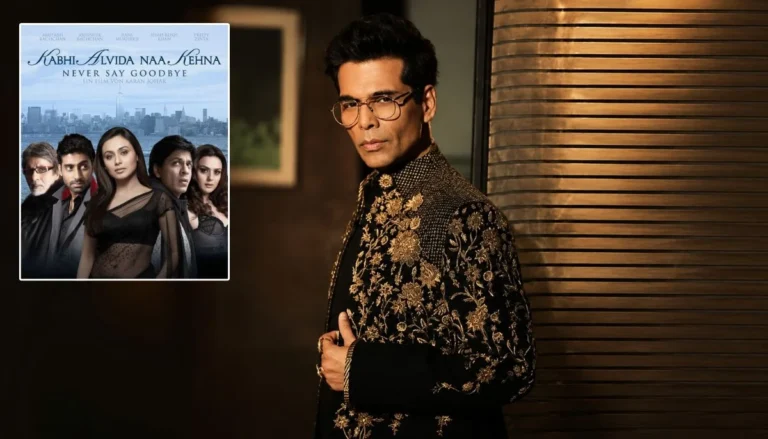
Karan Johar revisits Kabhi Alvida Naa Kehna journey
Karan Johar has taken a nostalgic look back at Kabhi Alvida Naa Kehna as the much-discussed romantic drama completes two decades since its theatrical debut. Released on August 11, 2006, the film brought together Shah Rukh Khan, Rani Mukerji, Abhishek Bachchan, Preity Zinta and Amitabh Bachchan in a story that explored the uncertainties of marriage, emotional distance and complicated personal relationships. Set against the backdrop of New York, the film moved away from the conventional Bollywood portrayal of romance and family life. Its unconventional storyline quickly became a talking point, dividing viewers between those who appreciated its honesty and those who felt its themes challenged traditional values. Reflecting on the film’s journey, Johar recalled the wide range of reactions it generated after reaching cinemas. The filmmaker said he encountered everything from strong appreciation for the movie’s daring subject to severe criticism over the choices made by its characters. He also revisited a pre-release screening that gave him an early indication of just how strongly audiences might respond. During the screening, Johar noticed an audience member becoming visibly uncomfortable during a sequence involving Dev and Maya, the characters played by Shah Rukh Khan and Rani Mukerji. Another memory from that period involved a mother who approached Johar after watching the film. She questioned why he had chosen to build a story around divorce and troubled relationships rather than create another conventional family drama. With the benefit of hindsight, Johar has also been open about the movie’s imperfections. He acknowledged that its grand production, elaborate presentation and several songs contributed to an oversized cinematic experience, with some elements that he now believes could have been handled differently. However, Johar continues to stand by the central purpose of the film. He has maintained that the story was not intended to present infidelity as something admirable. Instead, it sought to examine the emotional consequences of decisions made within and outside marriage and the impact those choices can have on everyone involved. For Johar, the film’s enduring appeal lies in its willingness to avoid straightforward answers. Relationships, he suggested, cannot always be understood through simple definitions of right and wrong, particularly when emotions, expectations and personal struggles become intertwined. The filmmaker also acknowledged the contribution of the cast and crew who helped transform the ambitious idea into a large-scale production. Two decades later, Kabhi Alvida Naa Kehna remains a film that continues to invite debate. While its themes divided audiences when it first arrived, its exploration of imperfect relationships and difficult emotional decisions has allowed the movie to remain part of conversations around love, marriage and human choices.