sabat batin surprises
|

Sabat Batin surprises fans with wedding announcement

Pakistani singer and songwriter Sabat Batin has tied the knot, sharing the happy news of his nikah with fans and followers on social media.

The singer took to Instagram to announce the special occasion, posting a series of pictures from his nikah ceremony. The photographs offered fans a glimpse into the intimate celebration, with Sabat and his bride dressed in elegant traditional outfits in shades of maroon and rust.

In the pictures, the newlyweds can be seen posing for a photoshoot in a lush green setting. While Sabat’s face is clearly visible, his bride’s face has been concealed with a sunflower emoji in the image shared online, keeping her identity and privacy away from the public spotlight.

Soon after Sabat announced his marriage, congratulations began pouring in from fellow celebrities, musicians, models and fans. The singer’s industry friends took to the comments section to express their happiness and send their best wishes to the newly married couple.

Singer Nimra Mehra congratulated Sabat, writing, “MashaAllah! Congratulations Sabat.” Model Sabeena Jabar also reacted to the post by expressing her happiness through heart emojis.

Actor and singer Aashir Wajahat joined the celebrations as well, congratulating the singer and his bride. He wrote, “MashaAllah, my brother. Many congratulations to both of you,” reflecting the warm response from Sabat’s friends and colleagues in the entertainment industry.

The wedding announcement has also attracted attention from Sabat’s growing fan base, many of whom were quick to congratulate the singer on beginning a new chapter of his life.

Sabat Batin hails from Faisalabad and has established a distinct identity in the Pakistani music scene through his blend of Punjabi, Urdu and Hindi music. His musical style and collaborations have helped him build a growing audience both in Pakistan and across the region.

The singer gained considerable recognition through his collaboration with British Punjabi rapper Rickstar on the song “Gal Sun.” The track became particularly popular among listeners in India and managed to gain significant attention despite restrictions on Pakistani content in the country.

“Gal Sun” eventually reached number 62 on Spotify India’s charts, while at the height of its popularity, the song reportedly crossed more than 120,000 streams per week. Its success further helped Sabat reach audiences beyond Pakistan and strengthened his position as an emerging name in South Asian music.

Sabat has also collaborated with Rickstar on several other popular tracks, including “Aitbaar,” “Ve Sajna,” “Bulbul,” “Duniya Jaal” and “Yaad Rahi.” These songs have contributed to his growing reputation for experimenting with different languages and musical influences.

With his latest announcement, Sabat Batin is now entering a new phase of his personal life. While fans continue to celebrate his nikah, the singer’s social media post has given followers a rare glimpse into the private milestone.

The warm wishes from celebrities and fans reflect Sabat’s growing popularity within the entertainment industry, as audiences eagerly look forward to more music from the newly married singer.
Similar Posts

  • | |

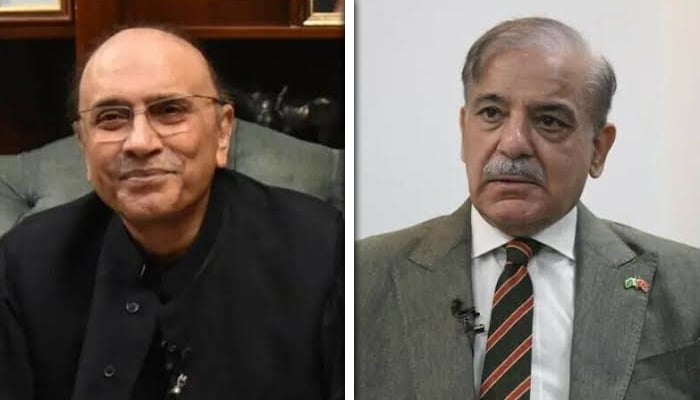
    Zardari, Shehbaz hail Prophet’s birth as divine …

    President Asif Ali Zardari and Prime Minister Shehbaz Sharif have extended greetings to the nation and the Muslim Ummah on the occasion of 12 Rabi-ul-Awwal. In their separate messages, they said the day of 12 Rabi-ul-Awwal provides an opportunity to remember the great blessing of Allah Almighty and renew the commitment to the guidance brought by the Holy Prophet Muhammad (PBUH). President Zardari said the birth of the Holy Prophet (PBUH) marked the beginning of a bright era based on faith, knowledge, justice and fairness. He said the Prophet’s exemplary life provides a complete path towards success and salvation. The president said a righteous and stable society can only be built on the principles of justice, piety and strong moral values. He added that true love for the Holy Prophet (PBUH) requires Muslims to make his Seerah and Sunnah an integral part of their practical lives. He urged people to reflect the Prophet’s teachings through their character, conduct and dealings with others. Prime Minister Shehbaz Sharif said the life and teachings of the Holy Prophet Muhammad (PBUH) remain an eternal source of guidance for humanity. He said the Prophet’s teachings promote compassion, justice, tolerance, unity and service to others. These values, he added, provide a strong foundation for building a peaceful and prosperous society. The prime minister urged the nation to renew its commitment to shaping individual character and collective behaviour in accordance with the teachings of Seerat-un-Nabi (PBUH). He called for a collective resolve to work for a peaceful, stable and prosperous Pakistan while promoting unity, brotherhood and mutual respect among citizens. Both leaders stressed the importance of following the teachings of the Holy Prophet (PBUH) and making them part of everyday life.

  • | |

    JI launches countrywide protests against inflation

    Jamaat-e-Islami (JI) is holding nationwide demonstrations on Friday against the petroleum levy, rising fuel prices and inflation. The party has announced protests and sit-ins in major cities and districts across the country. Demonstrations are scheduled to begin at 4pm. According to the party, protests will be held along hundreds of major roads and highways in around 170 districts. Karachi, Lahore, Islamabad, Quetta, Peshawar, Faisalabad and Rawalpindi are among the cities where demonstrations have been planned. Several major locations have also been selected for sit-ins. These include Qurtaba Chowk in Lahore, Stop No. 26 in Islamabad, Mian Ghundi Chowk in Quetta and the Toll Plaza in Peshawar. Other protest points include Bosan Road in Multan, the Indus Highway in Karak, CPEC Chowk in Bannu and the Chakdara interchange. JI leaders have warned that the protest campaign could be expanded if authorities attempt to prevent the demonstrations. The party said the number of roads and highways involved could increase significantly. In Karachi, JI leaders said protest caravans would begin moving from several locations at 4pm. These include Shahrah-e-Pakistan, Hub Road, National Highway, Super Highway, Orangi, Korangi, Pakistan Chowk and Sher Shah. The caravans are expected to gather at Mazar-e-Quaid before moving towards Shahrah-e-Faisal. Karachi JI chief Monem Zafar Khan said the demonstrations would continue until the petroleum levy was withdrawn. He said roads along some protest routes could remain closed during the demonstrations. He added that emergency vehicles, including ambulances, would be allowed to pass. JI Emir Hafiz Naeemur Rehman had called for the nationwide action a day earlier. In a video message, he urged citizens to join the peaceful demonstrations and asked motorists to park their cars and motorcycles on roads at 4pm. The JI leadership has criticised the government over fuel-related taxes and the rising cost of essential goods. The party says ordinary citizens are facing increasing financial pressure because of higher fuel prices and indirect taxation. Hafiz Naeem also claimed that prices of several food items had increased over the past month. He said motorcycle users and other low-income citizens were particularly affected by higher fuel costs. The JI chief argued that people who do not fall within the formal income-tax system are also paying taxes through fuel levies and other indirect charges. He claimed the government collected around Rs1.9 trillion through the petroleum levy during the past year. The party has warned that further taxation could increase the burden on households if the government does not reconsider its policies. JI leaders are calling on citizens to participate in the protests and press the government to withdraw the petroleum levy

  • |

    Mike Hesson holds key meeting ahead of Champions Cup

    MULTAN: Pakistan white-ball head coach Mike Hesson has arrived in Multan for the National Champions Cup, where he held an important meeting with the coaching staff of all four participating teams as the domestic tournament gets ready to kick off the 2026-27 season. Hesson met the head coaches of the four sides — Misbah-ul-Haq, Ijaz Junior, Iqbal Imam and Aizaz Cheema — to discuss ways of improving players’ one-day cricket skills and ensuring that the tournament serves as a meaningful platform for national selection and development. Pakistan bowling coach Ashley Noffke and National Cricket Academy (NCA) Head of Coach Education Shahid Aslam also attended the meeting, adding further weight to discussions around player development and coaching standards. The meeting comes at an important time for Pakistan cricket, with the Champions Cup being viewed as the first major step towards preparations for next year’s World Cup in South Africa. Hesson’s presence in Multan signals the national team management’s focus on closely monitoring domestic performances while identifying players capable of making the jump to international cricket. Particular attention is expected to be given to players’ consistency, tactical awareness and ability to handle pressure in the 50-over format. The tournament will also provide coaches with an opportunity to assess emerging talent in a competitive environment. The National Champions Cup will begin on August 11, coinciding with the official start of Pakistan’s 2026-27 domestic cricket season. With the World Cup on the horizon, the tournament could prove crucial in shaping Pakistan’s next generation of one-day performers.

  • |

    Son-in-Law kills wife, in-laws in Lahore’s Chuhng, later dies by suicide

    By Muhammad Hussain LAHORE: A man allegedly shot dead his wife, mother-in-law, father-in-law and brother-in-law before taking his own life in the Barkat Colony area of Chuhng, Lahore, on Tuesday morning. According to police, the incident occurred at around 5:45am when children had arrived at the house to read the Holy Quran. The suspect, identified as Imran Shaukat, reached his in-laws’ house armed with a pistol and a rifle and opened fire. Police said Imran’s wife, Samia Bibi, father-in-law Ali Khan, brother-in-law Zeeshan Khan and mother-in-law Shamaila Bibi were killed in the firing. According to initial details, Samia sustained gunshot wounds to the head, Ali Khan was shot in the chest and Zeeshan Khan was hit in the back. Shamaila Bibi also died after being caught in the firing. Police said the suspect had married Samia around six months ago. After the marriage, she had been living with her parents. The suspect allegedly wanted her to return and live with her. Relatives of the victims said Imran’s brother, Rizwan, is a police employee. They claimed that a case had also been registered against him at Chuhng Police Station a few months ago, but he was released after a few days. Police have launched an investigation into the incident, while further details regarding the motive behind the killings are being ascertained.

  • |

    Argentina under FIFA scrutiny for World Cup 2026 misconduct

    FIFA has launched disciplinary proceedings against Argentina following a series of incidents that allegedly took place during the 2026 FIFA World Cup, including player misconduct, political displays, crowd behavior, and security-related concerns. According to reports, several Argentine players and officials are under investigation for their conduct during the tournament, while the Argentine Football Association is also facing scrutiny over alleged breaches of FIFA regulations. One of the key incidents under review occurred during the World Cup final, where Argentine players were involved in an on-field altercation with Spain’s players after the match. The confrontation has led FIFA to investigate the actions of multiple individuals associated with the Argentine team. Midfielder Leandro Paredes is reportedly facing three separate disciplinary cases over his alleged involvement in the post-match clash. Defender Nahuel Molina is the subject of two disciplinary cases, while assistant coach Roberto Ayala is also under investigation in connection with the same incident. In addition, Thiago Almada is expected to face disciplinary action over allegations of inappropriate conduct during the tournament. Apart from the final, FIFA is also examining incidents that occurred after Argentina’s semifinal victory over England. The Argentine Football Association is being investigated over the display of a political banner related to the Falkland Islands by members of the team on the field after the match. FIFA regulations generally prohibit political messages or demonstrations during official competitions, making the incident a significant part of the disciplinary review. The governing body is also looking into several other alleged violations involving Argentina throughout the tournament. These include discriminatory chants by supporters inside stadiums, delays to kick-off times, failures to comply with security protocols, and multiple incidents in which spectators allegedly threw objects onto the field during matches. FIFA’s disciplinary process will assess whether these incidents breached the organization’s disciplinary code and competition regulations. The governing body has informed all individuals and organizations involved that they will be given an opportunity to submit their responses and present their respective positions before any sanctions are imposed. The FIFA Disciplinary Committee will review all available evidence, including official match reports, video footage, witness statements, and the submissions provided by the parties involved. Once the review process is complete, the committee will announce its decision in accordance with FIFA’s disciplinary procedures. At this stage, no final ruling or punishment has been issued. Any potential sanctions against the players, coaching staff, or the Argentine Football Association will depend on the findings of the ongoing investigation and the committee’s final verdict. The disciplinary proceedings highlight FIFA’s continued efforts to enforce its competition rules and ensure that players, officials, teams, and supporters adhere to the standards of conduct expected during the world’s biggest football tournament.

  • |

    CPEC 2.0: Pakistan, China shift focus to B2B investment

    ISLAMABAD: Pakistan and China are moving toward a more business-driven model of cooperation under the second phase of the China-Pakistan Economic Corridor (CPEC), with greater emphasis on Business-to-Business (B2B) partnerships, industrial development, exports and productivity rather than large-scale Government-to-Government (G2G) financing. The development emerged during a high-level Chinese delegation’s visit to the CPEC Secretariat, where discussions focused on strengthening industrial and commercial ties between the two countries. According to an official statement issued by the Ministry of Planning on Tuesday, the Chinese delegation was headed by Sun Dongsheng, Senior Advisor, Economic Affairs Press. The delegation met Federal Minister for Planning, Development and Special Initiatives Ahsan Iqbal, along with senior policymakers and development experts. The talks centred on ways to advance B2B and industrial cooperation under CPEC 2.0, reflecting a broader shift in the corridor’s priorities from infrastructure-led development toward industrialisation, exports, technology and private-sector participation. From infrastructure to industrialisation During the meeting, Ahsan Iqbal briefed the Chinese delegation on the government’s Uraan Pakistan economic transformation programme and outlined Islamabad’s priorities for the next phase of CPEC. The minister proposed closer cooperation with Chinese institutions, including counterparts of the National Centre of New Manufacturing, to benefit from China’s experience in advanced manufacturing, innovation, automation and robotics. He said Pakistan needed to strengthen its productive capacity and adopt modern technologies to remain competitive in the era of Industrial Revolution 4.0 and prepare for the emerging Industrial Revolution 5.0. Ahsan Iqbal identified Pakistan’s limited export base as one of the country’s major economic challenges. According to the minister, repeated attempts to accelerate economic growth have struggled to generate sustainable momentum because productive sectors have not been sufficiently integrated with export markets. He stressed that the government’s priority was therefore to turn agriculture, manufacturing and other productive sectors into stronger sources of exports and foreign exchange. Pakistan seeks greater access to Chinese market The minister also called for greater facilitation of Pakistani exports to China, highlighting the considerable gap between the two countries’ trade potential. He noted that China imports goods worth around $2.6 trillion annually, whereas Pakistan’s exports to the Chinese market remain close to $3 billion. Ahsan said Pakistan needed to increase its presence in the Chinese market by improving production standards, competitiveness and the ability of domestic businesses to meet international demand. He expressed the expectation that CPEC 2.0 could help Pakistan address what he described as its “export deficit”, just as the first phase of the corridor contributed to addressing the country’s energy shortfall. CPEC enters a new phase Under CPEC’s first phase, China committed substantial financing to infrastructure, energy and other development projects in Pakistan. Nearly $30 billion was invested in infrastructure and power-sector projects, including independent power producers. However, the focus is now increasingly shifting toward private-sector-led cooperation. Islamabad continues to pursue financing for selected road and motorway projects, but China has yet to demonstrate readiness to finance the long-delayed Main Line-1 (ML-1) railway upgrade, which had previously been regarded as one of CPEC’s flagship projects. The latest consultations indicate that CPEC 2.0 is expected to rely more heavily on commercial partnerships between Pakistani and Chinese companies. The government has already been encouraging enterprises from both countries to explore joint ventures and investment opportunities in sectors including manufacturing, agriculture and mining. Ahsan Iqbal said recent agreements between Pakistani and Chinese companies showed that B2B cooperation was beginning to gain momentum. He expressed confidence that stronger business-to-business engagement would support the modernisation of Pakistan’s industrial and agricultural sectors while creating opportunities for investment, employment and exports. China stresses productive capacity Sun Dongsheng reaffirmed the importance China attaches to its longstanding relationship with Pakistan and highlighted the achievements of CPEC’s first phase. He called for further cooperation in industrial and agricultural development, particularly in strengthening Pakistan’s productive capacity. The Chinese delegation also stressed the importance of involving small and medium-sized manufacturing enterprises in bilateral economic cooperation. Greater enterprise-to-enterprise engagement, according to the delegation, could help create commercially sustainable partnerships and expand opportunities for businesses in both countries. The discussions also focused on technology transfer, innovation, skills development and the creation of stronger industrial linkages. Five Corridors aligned with Uraan Pakistan Officials also discussed the strategic relationship between the Five Corridors of CPEC 2.0 and Pakistan’s 5Es framework under Uraan Pakistan. The government’s 5Es framework focuses on exports, e-Pakistan, environment and climate change, energy and infrastructure, and equity and empowerment. The participants stressed that alignment between the two initiatives needed to translate into concrete economic outcomes, including new enterprises, technology adoption, innovation, employment opportunities, skills development, increased exports and higher investment. The delegation was also briefed on the progress achieved during CPEC Phase I and Pakistan’s priorities for the second phase. The consultations suggest that the next stage of CPEC will increasingly be measured not only by the volume of infrastructure investment but also by its ability to improve Pakistan’s industrial competitiveness, expand exports, attract private investment and create sustainable employment.

Leave a Reply

Your email address will not be published. Required fields are marked *