National

  • | |

    Acting President of Azad Kashmir urges election co…

    Acting President of Azad Jammu and Kashmir (AJK) Chaudhry Latif Akbar has sent two letters to the Election Commission of Azad Jammu and Kashmir, demanding action over alleged security failures and irregularities reported during the polling process. In his letters, Chaudhry Latif Akbar raised serious concerns regarding the arrangements made for election security and claimed that effective security measures were not provided at several polling stations. He called for a thorough investigation into the incidents reported during the voting process and urged the Election Commission to take appropriate legal action against those found responsible. The Acting President stated that polling agents at various locations were allegedly prevented from entering polling stations, which he described as a serious violation of the electoral process. According to him, the presence of polling agents is essential to ensure transparency and maintain public confidence in elections. Chaudhry Latif Akbar further requested an inquiry into reports of firing incidents, alleged interference in the polling process, and claims that some voters were deprived of their right to cast their votes. He emphasized that all such allegations should be investigated impartially to determine the facts and ensure accountability. In one of his letters, the Acting President highlighted delays in the start of polling at Koomi Kot and Jhandgran areas. He stated that voting began late in these locations and requested that polling time be extended in the affected areas to compensate for the lost time and allow voters a fair opportunity to exercise their democratic right. He also referred to an alleged armed attack on Mumtaz Hussain Naqvi, calling for an immediate investigation into the incident. Chaudhry Latif Akbar demanded that those responsible for the attack be identified and legal proceedings be initiated against them. The Acting President stressed that all incidents reported during the election process must be examined through transparent investigations. He called upon the Election Commission to ensure that no individual or group involved in electoral violations escapes accountability. In his communication with the Election Commission, Chaudhry Latif Akbar reiterated the importance of maintaining a free, fair, and peaceful electoral environment. He stated that public trust in democratic institutions depends on ensuring that elections are conducted without intimidation, interference, or unlawful practices. The letters come amid political tensions surrounding the election process in Azad Jammu and Kashmir, where various political parties have raised concerns over alleged irregularities and security issues. Opposition parties have also questioned aspects of the polling arrangements, while authorities have maintained that necessary measures were taken to conduct peaceful elections. Chaudhry Latif Akbar’s demands reflect concerns about transparency and fairness in the electoral process. He emphasized that protecting voters’ rights and ensuring equal participation should remain the top priority of election authorities. He concluded by urging the Election Commission to conduct a comprehensive review of all reported incidents, publish the findings transparently, and take strict action against anyone found involved in misconduct. According to him, only a credible and impartial investigation can strengthen public confidence and ensure that the democratic process reflects the genuine will of the people.
  • | |

    Khawaja Asif says Mohsin Naqvi is among the most p…

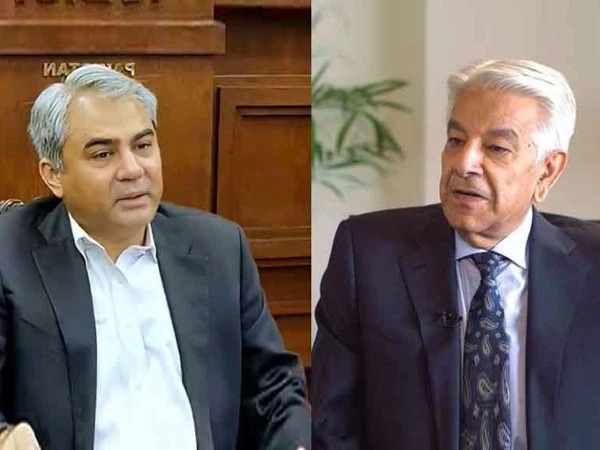
    Federal Defence Minister Khawaja Asif has commented on Interior Minister Mohsin Naqvi’s position within the government, describing him as one of the most influential ministers and highlighting his role in key matters. Speaking during Geo News’ programme Naya Pakistan, Khawaja Asif said that Mohsin Naqvi has considerable authority in the current government. He also discussed Naqvi’s participation in cabinet proceedings and parliamentary activities. Khawaja Asif stated that although Mohsin Naqvi holds the portfolio of interior minister, he has not been a frequent participant in cabinet meetings or parliamentary sessions. He said that he had seen Naqvi in cabinet meetings only a limited number of times. The defence minister’s remarks have drawn attention to discussions about government structure, ministerial responsibilities, and decision-making processes. Political observers often analyze the roles and influence of key officeholders within governments, particularly when senior leaders make public comments about internal affairs. Cabinet members are responsible for managing their respective ministries and contributing to government policy decisions. The level of influence exercised by individual ministers can vary depending on their portfolios, responsibilities, and involvement in major national issues. Mohsin Naqvi, who serves as the interior minister, has remained a prominent figure in government discussions due to the importance of the interior ministry, which handles matters related to internal security, law enforcement, and public administration. Khawaja Asif’s comments have sparked debate among political circles regarding coordination between government institutions and the working relationship between cabinet members. As political discussions continue, statements from senior government officials often become part of broader conversations about governance, accountability, and the functioning of state institutions.

  • | | | |

    PML-N secures seats in AJK polls with back-to-back…

    Muzaffarabad: The Pakistan Muslim League-Nawaz (PML-N) continued to consolidate its lead in the Azad Jammu and Kashmir (AJK) Legislative Assembly elections after the Election Commission announced additional constituency results, giving the party a commanding advantage in the latest vote count. According to the latest results, PML-N has secured victory in 11 constituencies, while it is leading in three more seats. The Pakistan Peoples Party (PPP) has won two constituencies and is ahead in four others. Polling in one constituency, LA-27, has been postponed. The newest official results announced by Election Commission member Syed Nazir-ul-Hassan Gilani confirmed PML-N’s victories in two more constituencies. In LA-38 (Jammu-5), PML-N candidate Zeeshan Ali emerged victorious after securing 13,652 votes, defeating the Pakistan Muslim League (AJK) candidate, who received 9,523 votes. In LA-39 (Jammu-6), PML-N’s Raja Muhammad Siddique claimed the seat with 10,981 votes, comfortably defeating PPP candidate Chaudhry Fakhar Zaman, who polled 5,081 votes. With these latest victories, PML-N has further strengthened its position in the AJK elections, while PPP remains competitive in several constituencies where vote counting is still underway. The final composition of the Legislative Assembly will become clearer once the remaining results are officially declared.

  • | |

    Jubilant PML-N workers celebrate AJK election succ…

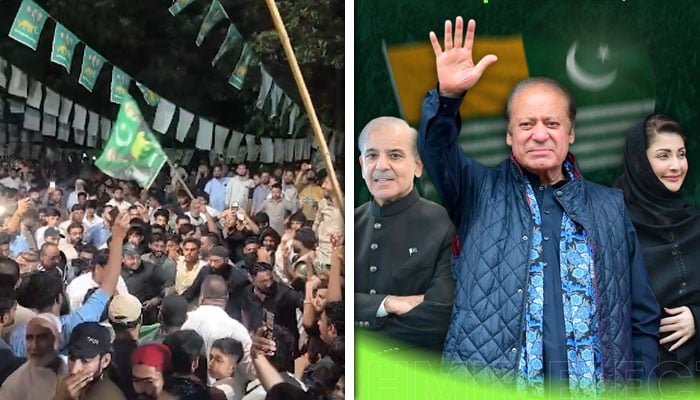
    Rawalpindi: Jubilant Pakistan Muslim League-Nawaz (PML-N) workers celebrated the party’s performance in the Azad Jammu and Kashmir (AJK) elections with enthusiastic gatherings and slogan-chanting in Rawalpindi late Sunday. Senior Punjab Minister Maryam Aurangzeb joined party supporters as they marked the election victories with celebrations. Workers raised slogans in support of PML-N President Nawaz Sharif, Punjab Chief Minister Maryam Nawaz Sharif, and the Pakistan Armed Forces, while also expressing confidence in the party’s political future and its stance on Kashmir. The celebrations echoed across parts of the city as party activists chanted slogans backing the PML-N leadership, including Maryam Nawaz, and congratulated candidates on their electoral success. Supporters described the election outcome as a significant achievement for the party and vowed to continue backing its leadership in future political contests. Moreover, The Pakistan Muslim League-Nawaz (PML-N) continued to consolidate its lead in the Azad Jammu and Kashmir (AJK) Legislative Assembly elections after the Election Commission announced additional constituency results, giving the party a commanding advantage in the latest vote count. According to the latest results, PML-N has secured victory in 11 constituencies, while it is leading in three more seats. The Pakistan Peoples Party (PPP) has won two constituencies and is ahead in four others. Polling in one constituency, LA-27, has been postponed. The newest official results announced by Election Commission member Syed Nazir-ul-Hassan Gilani confirmed PML-N’s victories in two more constituencies. In LA-38 (Jammu-5), PML-N candidate Zeeshan Ali emerged victorious after securing 13,652 votes, defeating the Pakistan Muslim League (AJK) candidate, who received 9,523 votes. In LA-39 (Jammu-6), PML-N’s Raja Muhammad Siddique claimed the seat with 10,981 votes, comfortably defeating PPP candidate Chaudhry Fakhar Zaman, who polled 5,081 votes. With these latest victories, PML-N has further strengthened its position in the AJK elections, while PPP remains competitive in several constituencies where vote counting is still underway. The final composition of the Legislative Assembly will become clearer once the remaining results are officially declared.

  • | | |

    Constitutional provisions fuel referendum debate

    Debate over the possibility of holding a national referendum has resurfaced in Pakistan, prompting discussions among political observers and constitutional experts about the legal framework governing such a move. Although the government has made no official announcement regarding a referendum, speculation in political circles has raised questions about when and how a nationwide vote can be conducted under the Constitution. Constitutional experts say Articles 48(6) and 48(7) of the Constitution empower the prime minister to propose a referendum on a matter of national importance. Under Article 48(6), the prime minister may refer such a proposal to a joint sitting of Parliament. If approved by the joint session, the matter can be presented to the public through a referendum in the form of a “Yes” or “No” question. Article 48(7) further provides that Parliament may legislate the procedure for conducting a referendum and determining its results. Legal experts note that, unlike a constitutional amendment, such legislation does not require a two-thirds majority and can be passed through a simple majority of members present, provided the quorum is complete. The renewed debate has also revived interest in the history of referendums in Pakistan. The concept first gained prominence during the political crisis that followed the March 7, 1977 general elections. Opposition parties, united under the Pakistan National Alliance (PNA), rejected the election results, alleging widespread rigging. They later boycotted provincial assembly elections and launched a nationwide protest movement demanding fresh elections, dissolution of assemblies and the resignation of then-prime minister Zulfikar Ali Bhutto. Despite mediation efforts by Saudi Arabia, negotiations between the government and the opposition failed, and the political deadlock culminated in the imposition of martial law by General Muhammad Zia-ul-Haq on July 5, 1977. Following these developments, constitutional provisions allowing referendums were introduced through the Seventh Constitutional Amendment. Pakistan’s first referendum was held on December 19, 1984, during General Zia-ul-Haq’s rule. While the public was asked to vote on the continuation of the Islamization process, a “Yes” vote effectively extended Zia’s presidency for another five years. Official results declared overwhelming support for the proposal, though opposition parties questioned both the process and the outcome. A second nationwide referendum was held in April 2002 under General Pervez Musharraf. The exercise enabled him to secure another five-year presidential term before the general elections later that year. After the 2002 elections, Musharraf was formally elected president by an electoral college comprising Parliament and the four provincial assemblies under the framework established through the Seventeenth Constitutional Amendment. Political analysts say recent discussions intensified after comments made during a media briefing by the Director General of Inter-Services Public Relations (ISPR), whose carefully worded responses to questions on constitutional matters drew public attention.

  • | |

    Eight killed as torrential rains devastate Sindh

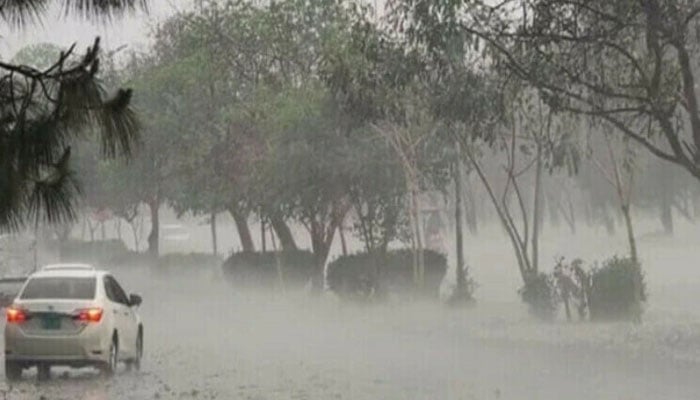
    Heavy monsoon rains continued to wreak havoc across Sindh, killing at least eight people and injuring another eight as widespread flooding disrupted life in several districts. The provincial government placed all rescue and emergency agencies on high alert and directed authorities to intensify relief efforts in the affected areas. The downpour caused severe urban flooding, inundated roads and residential areas, and damaged public infrastructure. Authorities warned that more rainfall could worsen the situation and urged residents to remain cautious. Hyderabad received an exceptionally high amount of rainfall, with a cumulative 360 millimetres recorded between August 1 and August 2. The continuous rain submerged roads, disrupted traffic and affected routine activities across the city. In Badin district, floodwaters created a major emergency after two breaches developed in the Mirwah Canal on Sunday morning. The breaches, measuring approximately 15 feet and eight feet wide, allowed water to flow into nearby settlements, flooding around 200 houses. Local authorities and rescue teams were deployed to assist affected families and assess the damage. The provincial government also took administrative action during the emergency. The Town Municipal Officer (TMO) of Umerkot was suspended for remaining absent from the district while the crisis unfolded. Sindh Chief Minister Syed Murad Ali Shah directed all rescue organizations to remain on high alert and ensure a rapid response to emergencies. He instructed the Local Government Department that no government officer should leave their place of posting without prior permission until the situation improves. The chief minister also directed Karachi Mayor Barrister Murtaza Wahab, district administrations, town municipal authorities and other civic agencies to keep the city’s drainage network fully operational. He emphasized that all available machinery and staff should be deployed to ensure the quick removal of rainwater and prevent prolonged flooding. Murad Ali Shah ordered the Provincial Disaster Management Authority (PDMA), the Irrigation Department, the Health Department, district administrations and rescue services to stay fully prepared for any further emergencies. He instructed officials to implement all precautionary measures immediately and provide timely assistance to affected residents.

  • | |

    Pakistan’s major dams reach 72% storage capa…

    Pakistan’s water reserves have improved significantly, with the country’s major reservoirs now filled to 72% of their total storage capacity, according to official data released on Sunday. The latest figures show that the combined water storage in the country’s key reservoirs has reached 9.466 million acre-feet (MAF), compared with a total storage capacity of 13.149 million acre-feet. Officials said the improvement follows a substantial increase in water inflows across the Indus River system, with inflows significantly exceeding outflows. The higher inflow has helped replenish major dams and strengthen the country’s water reserves. The increase in reservoir levels is expected to support irrigation needs, improve water availability for agriculture and enhance overall water management during the current season. Authorities continue to monitor inflows and reservoir levels as the monsoon season contributes to rising water storage across the country’s major dams.

  • | |

    KP launches Rs2bn Jamrud development projects

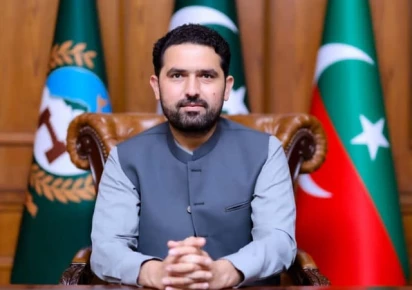
    Khyber Pakhtunkhwa Chief Minister Muhammad Sohail Afridi on Sunday launched five development projects worth more than Rs2 billion in Jamrud, District Khyber, saying the schemes would improve public services and accelerate development in the merged tribal districts. The projects include the construction of a Nursing College in Jamrud at a cost of Rs636 million, the establishment of artificial intelligence (AI) classrooms at the Institute of Applied Sciences for Rs32 million, the rehabilitation and solarisation of 21 drinking water supply schemes worth Rs502 million, the beautification of Jamrud Bazaar for Rs430 million, and the widening, rehabilitation and improvement of the 10-kilometre Takhta Beg Road in Bara at a cost of Rs424 million. Speaking at the groundbreaking ceremony, Afridi said the people of his constituency had given him overwhelming support in the elections, making him the first chief minister from the merged tribal districts. He said the trust placed in him by the public had increased his responsibility to ensure balanced and transparent development across the province. The chief minister described the newly launched projects as the rightful entitlement of the people and said his government was committed to improving healthcare, education, road infrastructure, clean drinking water and urban facilities in underdeveloped areas. Afridi also spoke about the political situation facing Pakistan Tehreek-e-Insaf (PTI), saying the party leadership was going through a difficult period. He reiterated the party’s stance that former prime minister Imran Khan had been denied adequate access despite pursuing legal and constitutional avenues. He claimed PTI had exhausted all efforts aimed at reconciliation and said the party would continue its political struggle through public mobilisation. The chief minister announced that PTI would hold a major public gathering in Peshawar on August 5, urging supporters to participate in large numbers. He described the event as a significant moment for the party and pledged to stand alongside its workers during the movement.

  • | |

    Police probe deepens into Mir Raza Ali Khan’…

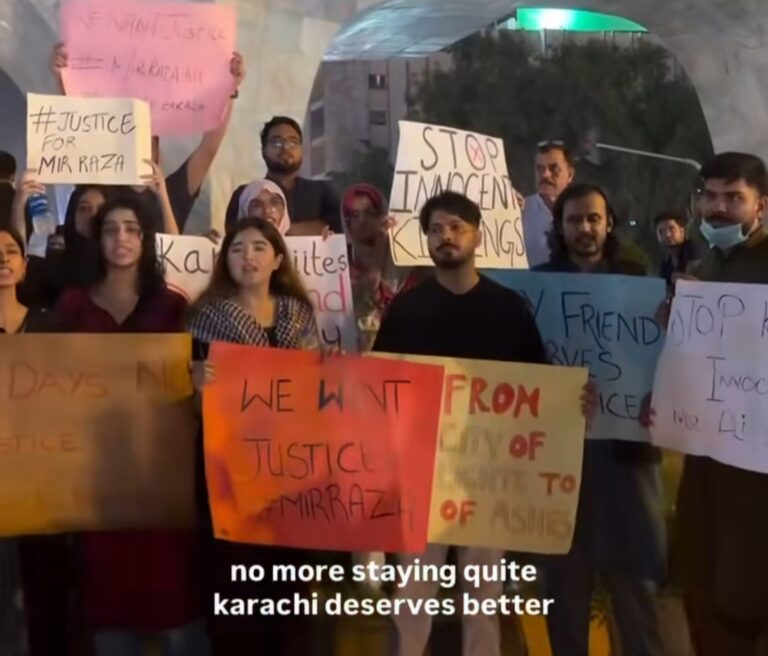
    Police have intensified their investigation into the death of 25-year-old former Institute of Business Administration (IBA) student and aspiring entrepreneur Mir Raza Ali Khan, saying several pieces of evidence point toward the possibility of suicide. However, investigators have not ruled out other possibilities as key questions remain unanswered. The young businessman was found dead with a gunshot wound to his chest in bushes near Shahi Qila in Gulistan-i-Jauhar, opposite the University of Karachi. His body was recovered two days after he was reported missing from his residence in PECHS. According to investigators, Raza had returned home after closing his business in Bahadurabad before leaving again after collecting a pistol from his office. Before departing, he reportedly left the keys to his house and car, along with his wristwatch and some cash for his mother. Police also found that all data on his iPhone had been deleted before his disappearance. The investigation revealed that he booked an online ride to Gulistan-i-Jauhar. The cab driver told police that Raza requested his favourite song during the journey and paid more than the required fare. CCTV footage reviewed by investigators showed him walking alone after being dropped off, with no one seen accompanying him. Police later recovered his mobile phone after tracing it to a person who inserted a SIM card into the device. The individual was detained, and investigators recovered the phone for forensic examination. Authorities also found the holster of Raza’s pistol hanging from a tree near the location where his body was discovered. However, the firearm used in the incident has not yet been recovered. Investigators believe it may have been taken away by someone passing through the area after the incident. The investigation has further revealed that Raza had been facing significant financial difficulties. Police said he had suffered losses worth millions of rupees through business investments and was under pressure to repay investors. Investigators also learned that he had sought a loan of Rs30 million from one investor, but the request was declined. According to statements recorded by police, the investor claimed Raza had spoken about experiencing disturbing thoughts before his death. His fiancée also told investigators that he had become deeply focused on cryptocurrency investments, particularly Bitcoin. She said she sent him a message on the night of his disappearance, but it was never delivered because his phone had already gone offline. Despite the evidence gathered so far, investigators say three major questions remain unresolved. They are trying to determine why Raza chose the isolated location where his body was found, where the missing pistol is, and why forensic experts did not detect gunshot residue on his hands despite the bullet being fired from close range. Officials noted that the body’s partial decomposition may have affected forensic findings.

  • | |

    Khwaja Asif says Mohsin Naqvi is government’s mo…

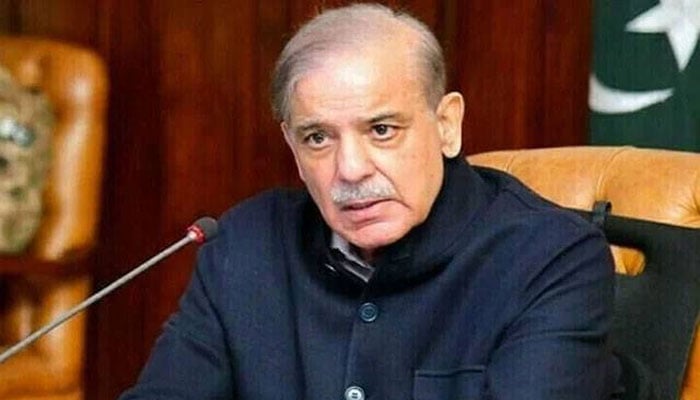
    ISLAMABAD: Defence Minister Khawaja Asif has stirred fresh political debate after claiming that Interior Minister Mohsin Naqvi is the most powerful minister in the federal government and, in several matters, is not even answerable to Prime Minister Shehbaz Sharif. Speaking during a television interview on Monday, Asif delivered unusually candid remarks about Naqvi’s role in the current administration, suggesting that the interior minister operates outside the conventional framework of the federal cabinet. According to Asif, Naqvi has remained largely absent from the government’s routine decision-making process despite holding one of the country’s most influential portfolios. He said he had seen the interior minister attend only “two or three” cabinet meetings since the government took office. The defence minister also questioned Naqvi’s parliamentary presence, claiming the interior minister had appeared in Parliament only seven or eight times. He suggested that if a minister with such influence was publicly expressing dissatisfaction with the existing governance structure, it reflected poorly on the entire government. “If Mohsin Naqvi himself is complaining about the system, then perhaps we should simply go home,” Asif remarked, underscoring what he described as deep institutional weaknesses. His comments came in response to Naqvi’s recent statement warning that Pakistan’s current administrative structure had become too weak to effectively address the country’s long-standing challenges. The interior minister had argued that if the existing governance model continued unchanged, Pakistan could still be facing the same problems a decade from now. He maintained that creating new administrative units or provinces had become essential for improving governance, accelerating development and delivering public services more efficiently. Naqvi said the existing system had outlived its usefulness and was no longer capable of resolving the country’s growing administrative and governance issues. Asif’s remarks have added a new dimension to the ongoing debate over institutional reforms and the balance of power within the federal government. His observations also highlight differing perspectives within the ruling coalition on how Pakistan’s governance challenges should be addressed. The exchange between the two senior ministers is likely to fuel further political discussion, particularly over proposals to create new provinces and reform the country’s administrative framework—an issue that has periodically resurfaced in Pakistan’s political discourse but has remained politically contentious for years.