cdf asim reinforces
| |

CDF Asim reinforces Pakistan’s defence partn…

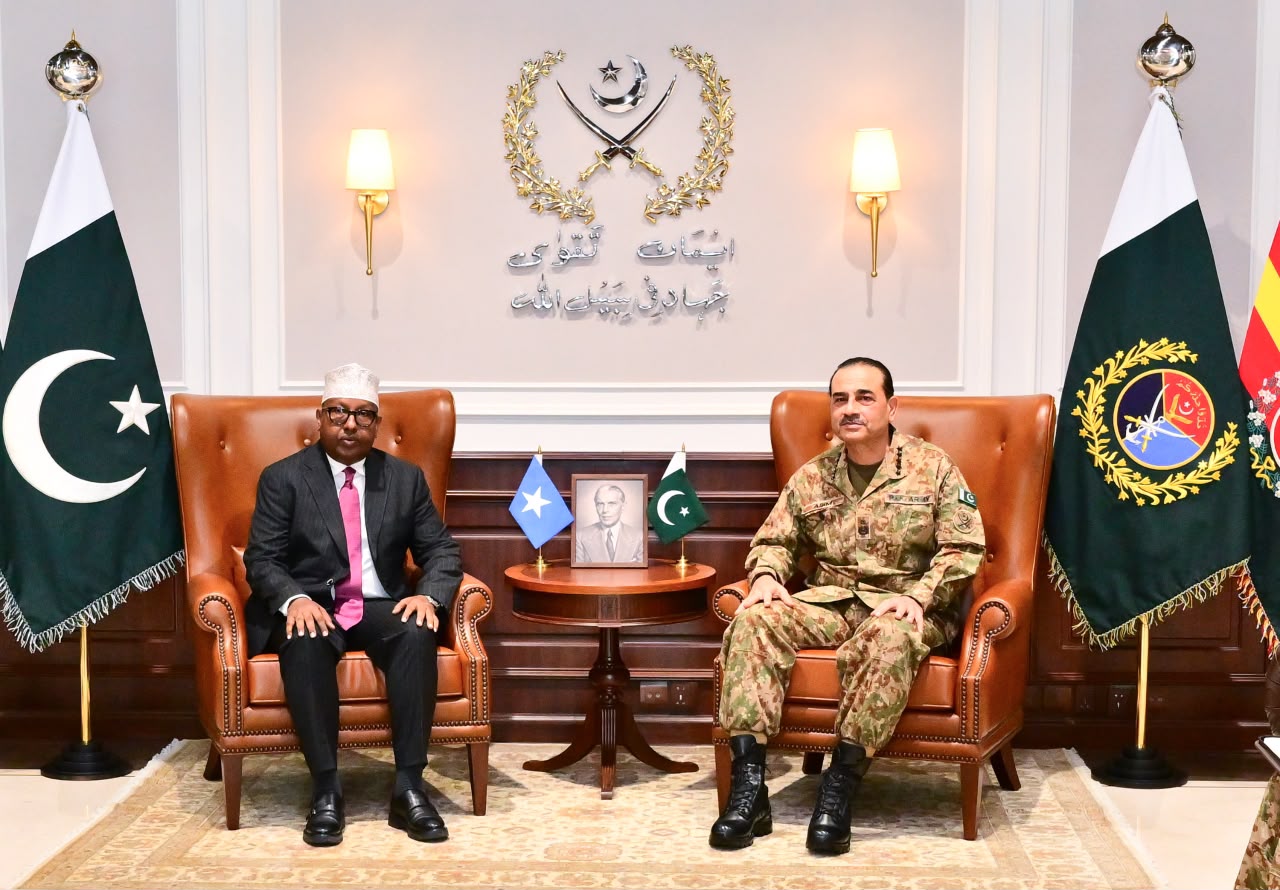
A high-level delegation from Somalia, led by Defence Minister Ahmed Moallim Fiqi, met Field Marshal Syed Asim Munir, Chief of Army Staff and Chief of Defence Forces, at the General Headquarters (GHQ) in Rawalpindi to discuss bilateral defence cooperation and regional security.

According to the Inter-Services Public Relations (ISPR), the meeting focused on matters of mutual interest, the evolving regional security environment and ways to strengthen defence and military cooperation between Pakistan and Somalia.

Both sides emphasised the importance of expanding military-to-military relations and enhancing cooperation in training and capacity-building initiatives to address shared security challenges. They also discussed the need for closer collaboration to promote peace and stability in the region.

During the meeting, the Somali defence minister acknowledged Pakistan’s continued support for Somalia and praised the professionalism of the Pakistan Armed Forces in contributing to regional peace and security.

Field Marshal Asim Munir reaffirmed Pakistan’s commitment to supporting Somalia in strengthening its security institutions and enhancing defence capabilities. He said Pakistan values its longstanding relationship with Somalia and remains committed to deepening bilateral cooperation in the defence sector.

The meeting reflects the growing defence ties between the two countries and their shared commitment to enhancing security cooperation and addressing common regional challenges.
Similar Posts

  • | |

    Youth dialogue calls for climate action in Punjab

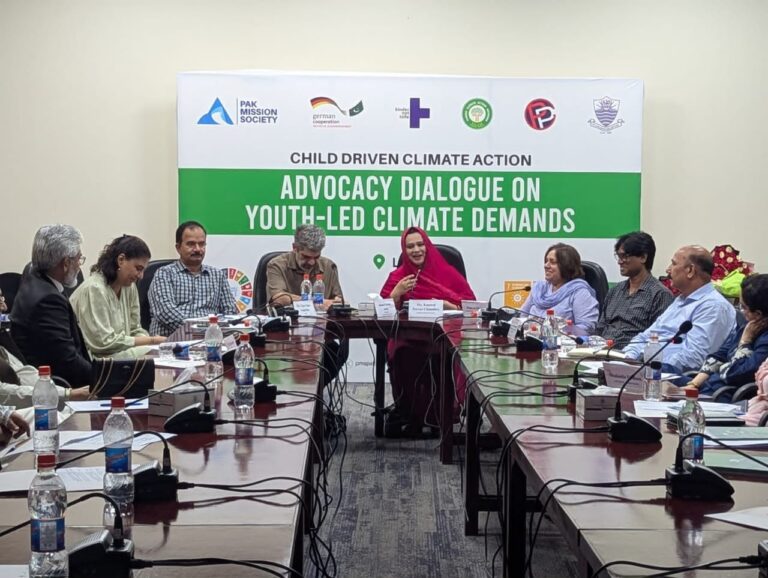
      A youth-led dialogue on climate action and greater youth participation in policymaking brought together parliamentarians, policymakers, environmental experts, civil society representatives and young people in Punjab. Pak Mission Society and Forman Christian College University jointly organised the event, where participants discussed climate policy, legislation and the role of young people in shaping environmental decisions. Parliamentary Secretary for Environment Kanwal Liaqat said Punjab Chief Minister Maryam Nawaz had identified climate change as a major priority after assuming office. She said the provincial government had since introduced several measures to address environmental challenges. Liaqat said brick kilns across Punjab must use zigzag technology to operate, while women environmental inspectors were helping strengthen monitoring and enforcement. She added that authorities were taking action against industries that pollute the air and water and were working to improve the condition of canals, streams and rivers. The dialogue also examined gaps in Punjab’s climate laws and policies. Members of Green Clubs presented five climate demands developed by children and young people, urging the government to give youth a stronger role in climate governance and policymaking. The event also featured a session titled “From Dreams to Reality: Advancing Youth-Led Climate Action in Pakistan,” moderated by environmental law expert Ahmed Rafi Alam. The concluding discussion focused on practical measures to address young people’s concerns and develop a roadmap for youth-led climate action in Pakistan. Participants included Rabia Chaudhry, Waqil Ahmed Khan, Dur-e-Shahwar, Dr Younas Zahid, Ahmed Rafi Alam, Hafiz Usman, Dr Abdul Qadir, Khurram Tauqeer and Shakeela Firdous.

  • | |

    Karachi deploys 6,065 personnel for Chup Tazia pro…

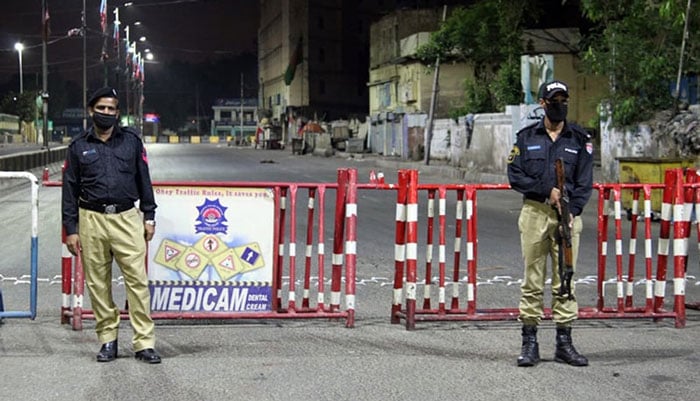
    KARACHI: Karachi police have finalised an extensive security plan for the Chup Tazia processions, deploying more than 6,000 officers and personnel across the city. According to a police spokesperson, a total of 6,065 personnel will be assigned to security duties at the two major processions. Around 3,745 police officers and personnel will secure the procession scheduled to begin from Nishtar Park in the morning. Another 2,320 personnel will be deployed for the procession originating from Qasr-e-Musib later in the day. The security arrangements include dedicated teams for checking and searches, route protection and surveillance. Police personnel will also be stationed at rooftops, entry and exit points, return routes and other locations considered sensitive. CCTV control rooms will monitor the movement of the processions and help security officials respond quickly to any developing situation. Police have also planned deployments at major hospitals as part of the overall security arrangements. Officials said the measures were designed to protect participants, maintain order and ensure emergency services remain accessible. The authorities said security teams would conduct thorough checking along the routes and at key access points. Traffic management arrangements have also been put in place to minimise disruption and facilitate the movement of participants and commuters. Karachi police urged citizens attending or living near the procession routes to cooperate with security personnel and follow official instructions. The public has also been advised to immediately inform police about any suspicious person, activity or unattended object. Police said the arrangements would remain focused on ensuring a peaceful observance, maintaining public safety and enabling a swift response in case of any emergency

  • Licence Renewal Goes Online for Thai Motorists Under 55 Starting June 2026

    BANGKOK – The Department of Land Transport (DLT), in collaboration with the Ministry of Public Health (MOPH), will allow drivers under the age of 55 to renew their licences online starting June 2026, eliminating the need for in-person visits for physical fitness testing. DLT issues smart driving licenses to drivers The initiative aims to streamline […]

  • | |

    Family challenges post-mortem report of youth kill…

        The family of a young man who was killed in an alleged police encounter in the Kadhan area on the outskirts of Badin has raised serious objections to his post-mortem report, alleging that the report does not accurately reflect the condition of his body. The relatives of the deceased, identified as Moharram Dil, have declared the post-mortem report to be fake and demanded that his grave be exhumed so that a fresh post-mortem examination can be conducted. The family has called for an impartial investigation into the circumstances surrounding his death and the preparation of the medical report. Moharram Dil’s father said that there were no visible signs on his son’s body indicating that it had been cut open for a post-mortem examination. He said that when the body was being washed before burial, the family observed gunshot wounds but did not see any other marks that would suggest that a post-mortem had been performed. The father said that the family also possesses video recordings of his son’s body taken before the burial. According to him, these videos could provide important evidence regarding the condition of the body and may help determine whether the post-mortem examination described in the official report actually took place. The controversy has emerged over the timing and circumstances of the post-mortem report. Moharram Dil was reportedly killed in an alleged police encounter on July 26, while his post-mortem report was issued five days later, on July 31, by the Rural Health Centre. The family has questioned the circumstances under which the examination was conducted and how the report was prepared. Their demand for exhumation is aimed at obtaining a new medical examination that could independently establish the cause and circumstances of the young man’s death. Badin District Health Officer (DHO) has provided an explanation regarding who can conduct a post-mortem examination. According to the DHO, if a medico-legal officer is not available, the medical superintendent or a senior duty doctor can perform the post-mortem. The clarification comes amid questions raised by the family regarding the validity of the medical report. The authorities may now face pressure to determine whether the procedure was conducted according to the relevant medical and legal requirements. Police, meanwhile, maintain that Moharram Dil was a drug dealer who was killed during a police encounter on July 26. According to the police version, an exchange of fire took place between the police and the alleged drug dealer, during which Moharram Dil was killed. Police also claimed that two officers were injured during the encounter. The law enforcement authorities have presented the incident as an armed confrontation, while the deceased’s family has challenged the official account and raised doubts about the circumstances surrounding his death. The conflicting accounts have increased calls for an independent investigation. The family believes that a fresh post-mortem could help establish whether the injuries on the body correspond with the police account and whether the original medical report was prepared accurately. The demand for exhumation and a second post-mortem is now at the centre of the controversy. The videos reportedly recorded before the burial could also become relevant if an investigation is launched. The case has raised broader questions about transparency in alleged police encounters and the importance of properly documented medico-legal procedures. A fresh examination, if authorized, could provide additional evidence and help address the concerns raised by the deceased’s family.

  • |

    Canada vows dollar-for-dollar retaliation against US

    Canada has announced plans to respond to new US tariffs with matching measures after last-minute trade negotiations between the two countries broke down. Canadian Prime Minister Mark Carney announced the suspension of the talks shortly before a Friday deadline, saying Washington’s latest proposals did not meet Canada’s objectives. Carney said Canada would respond to US tariffs on a “dollar-for-dollar” basis. He argued that changes made to the proposed US terms at the final stage of negotiations were unfair and economically damaging. The talks had entered an intense phase in recent weeks as Canadian and US officials attempted to reach an agreement that could reduce tariffs affecting major industries. Earlier this week, US President Donald Trump had temporarily delayed additional tariffs and indicated that Washington and Ottawa were close to reaching an agreement. Officials on both sides had expressed optimism that a deal could be concluded. However, negotiations ultimately failed to produce an agreement. US Trade Representative Jamieson Greer gave a different account of the breakdown. He said Canada had declined to finalise an agreement based on terms that had previously been discussed. Greer accused Ottawa of introducing new demands and withdrawing from some commitments, arguing that the changes had disrupted the balance reached during the negotiations. The disagreement marks a sharp change in tone between the two governments. Just days earlier, officials had indicated that progress was being made towards a mutually beneficial trade arrangement. Among the proposals reportedly under discussion was a reduction in US tariffs on Canadian steel and aluminium from 50 per cent to 25 per cent. Tariffs on Canadian automobiles were also being considered for reduction from 25 per cent to 15 per cent. In return, Canada was facing pressure to provide greater access to US products. One issue involved the sale of American alcoholic beverages, with Ottawa being urged to remove provincial restrictions that had been introduced in response to earlier US trade measures. With negotiations suspended, a new round of US tariffs is now affecting a broad range of Canadian products. The measures include goods such as wine, dairy products, cement, clothing and hockey equipment. The latest tariffs come on top of existing US duties on Canadian steel, aluminium, automobiles and lumber. The escalating trade dispute has created growing uncertainty for businesses on both sides of the border. Canada and the United States have closely integrated economies, with large numbers of companies and workers dependent on cross-border trade. Ontario Premier Doug Ford backed the federal government’s decision to respond strongly. He called for a reciprocal approach in which Canadian tariffs would match US measures on a dollar-for-dollar basis. The dispute has been developing since Trump returned to the White House and introduced a broad tariff programme affecting major trading partners. The measures have strained the long-standing trade relationship between Canada and the United States. Canadian negotiators have spent more than a year seeking reductions or exemptions from US tariffs affecting key sectors. Washington, meanwhile, has demanded several concessions, including changes to Canadian dairy import quotas and the removal of retaliatory restrictions on American goods. US officials have also objected to restrictions placed on American alcohol products by several Canadian provinces. Business groups have urged both governments to reach an agreement, warning that higher tariffs could increase costs, disrupt supply chains and hurt companies and consumers in both countries. The US Chamber of Commerce has also warned that prolonged tariff disputes could threaten millions of jobs connected to trade under the US-Mexico-Canada trade framework. Public opinion in Canada remains divided over how the government should respond. Recent polling indicated that some Canadians support retaliatory tariffs, while others favour continuing negotiations with Washington.

  • | |

    Pakistan, Türkiye unite for Palestine

    Pakistan and Türkiye have reaffirmed their unwavering support for the Palestinian people while expressing deep concern over the worsening humanitarian crisis in Gaza, continued military operations in the occupied Palestinian territories, and repeated violations at the Al-Aqsa Mosque compound. The commitment came during a telephone conversation between Deputy Prime Minister and Foreign Minister Ishaq Dar and Turkish Foreign Minister Hakan Fidan. The two leaders reviewed the latest regional and international developments, with the situation in Palestine dominating their discussions. Both foreign ministers voiced serious concern over the continued violence in Gaza and the occupied West Bank, warning that the deteriorating humanitarian conditions require immediate international attention. They also condemned repeated violations at the Al-Aqsa Mosque compound in occupied East Jerusalem and stressed the need to protect religious and historical sites. The ministers reiterated their support for the legitimate rights of the Palestinian people and discussed Jordan’s proposal to convene a meeting of Arab and Islamic countries aimed at coordinating diplomatic efforts to address the crisis and strengthen international support for Palestine. The discussion follows Pakistan’s recent diplomatic engagements with several regional partners, including Egypt, where officials also called for an immediate ceasefire, unrestricted humanitarian assistance, and greater diplomatic coordination to end the ongoing conflict. Meanwhile, fresh violence was reported in Gaza despite an existing ceasefire, with Palestinian medical officials reporting casualties and injuries following new attacks. Military operations and raids also continued across the occupied West Bank, adding to concerns over the worsening security and humanitarian situation.

Leave a Reply

Your email address will not be published. Required fields are marked *