Canada vows dollar-for-dollar retaliation against US
Canada has announced plans to respond to new US tariffs with matching measures after last-minute trade negotiations between the two countries broke down.
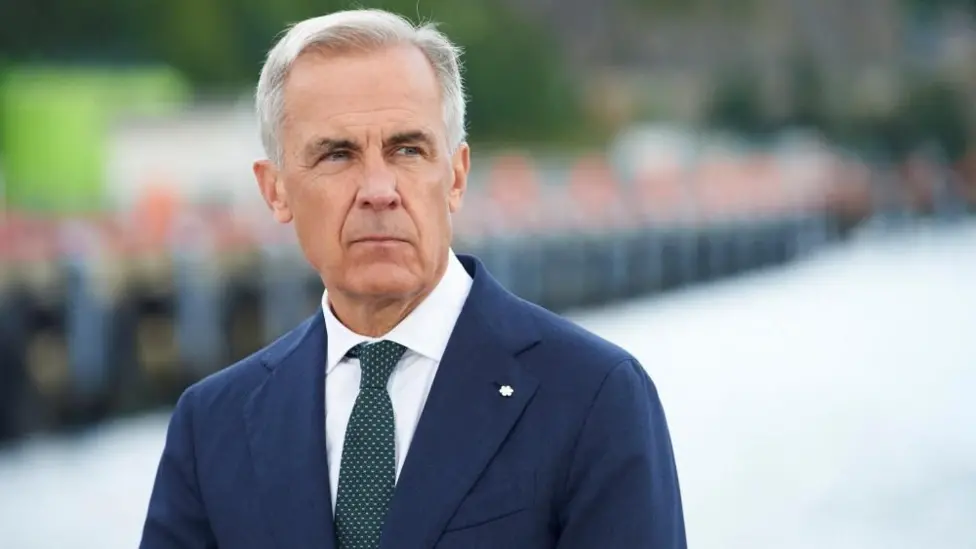
Canadian Prime Minister Mark Carney announced the suspension of the talks shortly before a Friday deadline, saying Washington’s latest proposals did not meet Canada’s objectives.
Carney said Canada would respond to US tariffs on a “dollar-for-dollar” basis. He argued that changes made to the proposed US terms at the final stage of negotiations were unfair and economically damaging.
The talks had entered an intense phase in recent weeks as Canadian and US officials attempted to reach an agreement that could reduce tariffs affecting major industries.
Earlier this week, US President Donald Trump had temporarily delayed additional tariffs and indicated that Washington and Ottawa were close to reaching an agreement. Officials on both sides had expressed optimism that a deal could be concluded.
However, negotiations ultimately failed to produce an agreement.
US Trade Representative Jamieson Greer gave a different account of the breakdown. He said Canada had declined to finalise an agreement based on terms that had previously been discussed.
Greer accused Ottawa of introducing new demands and withdrawing from some commitments, arguing that the changes had disrupted the balance reached during the negotiations.
The disagreement marks a sharp change in tone between the two governments. Just days earlier, officials had indicated that progress was being made towards a mutually beneficial trade arrangement.
Among the proposals reportedly under discussion was a reduction in US tariffs on Canadian steel and aluminium from 50 per cent to 25 per cent. Tariffs on Canadian automobiles were also being considered for reduction from 25 per cent to 15 per cent.
In return, Canada was facing pressure to provide greater access to US products. One issue involved the sale of American alcoholic beverages, with Ottawa being urged to remove provincial restrictions that had been introduced in response to earlier US trade measures.
With negotiations suspended, a new round of US tariffs is now affecting a broad range of Canadian products. The measures include goods such as wine, dairy products, cement, clothing and hockey equipment.
The latest tariffs come on top of existing US duties on Canadian steel, aluminium, automobiles and lumber.
The escalating trade dispute has created growing uncertainty for businesses on both sides of the border. Canada and the United States have closely integrated economies, with large numbers of companies and workers dependent on cross-border trade.
Ontario Premier Doug Ford backed the federal government’s decision to respond strongly. He called for a reciprocal approach in which Canadian tariffs would match US measures on a dollar-for-dollar basis.
The dispute has been developing since Trump returned to the White House and introduced a broad tariff programme affecting major trading partners. The measures have strained the long-standing trade relationship between Canada and the United States.
Canadian negotiators have spent more than a year seeking reductions or exemptions from US tariffs affecting key sectors. Washington, meanwhile, has demanded several concessions, including changes to Canadian dairy import quotas and the removal of retaliatory restrictions on American goods.
US officials have also objected to restrictions placed on American alcohol products by several Canadian provinces.
Business groups have urged both governments to reach an agreement, warning that higher tariffs could increase costs, disrupt supply chains and hurt companies and consumers in both countries.
The US Chamber of Commerce has also warned that prolonged tariff disputes could threaten millions of jobs connected to trade under the US-Mexico-Canada trade framework.
Public opinion in Canada remains divided over how the government should respond. Recent polling indicated that some Canadians support retaliatory tariffs, while others favour continuing negotiations with Washington.