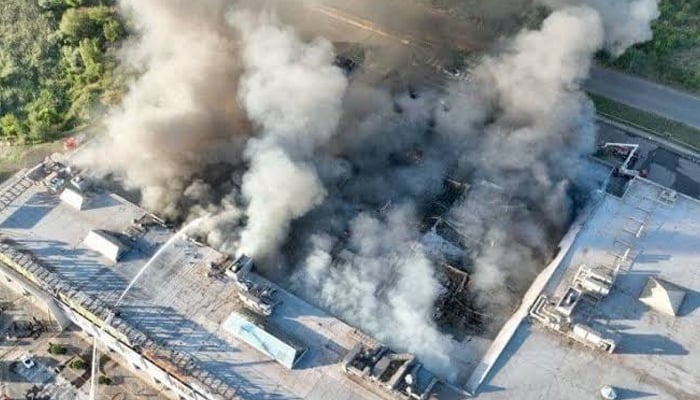
russian drone strike
|

Russian drone strike kills 16 in Kryvyi Rih


At least 16 people were killed and around 130 others injured after a series of Russian drone strikes hit the Ukrainian city of Kryvyi Rih, Ukrainian authorities said.

Ukrainian President Volodymyr Zelenskyy said Russian forces targeted a shopping centre in the city in successive drone attacks. According to Zelenskyy, the second strike came about 30 minutes after the first, increasing the casualties and damage at the site.

Emergency crews rushed to the area to search for survivors and assist the injured. The attacks also caused significant damage to civilian infrastructure, according to Ukrainian officials.

Zelenskyy condemned the strikes as an act of terrorism and called for a stronger international response to Russia’s attacks on Ukrainian cities. He said the international community must take effective measures to prevent further attacks against civilians.

Meanwhile, Russia’s Defence Ministry claimed that its forces had carried out strikes against Ukrainian ports and vessels that Moscow says support the Ukrainian military. Russia has repeatedly described such facilities as part of Ukraine’s military infrastructure.

Ukraine, in turn, claimed that its forces had targeted a Russian oil refinery and a military airfield as part of its ongoing attacks on Russian military and energy-related infrastructure.

The latest strikes come as fighting between Russia and Ukraine continues, with both sides increasingly targeting infrastructure and military facilities far from the front lines. The exchange of attacks has also raised renewed concerns over civilian safety as the war enters another phase of intense hostilities.

Similar Posts

  • |

    Trump sends Saudi nuclear deal to Congress, ties i…

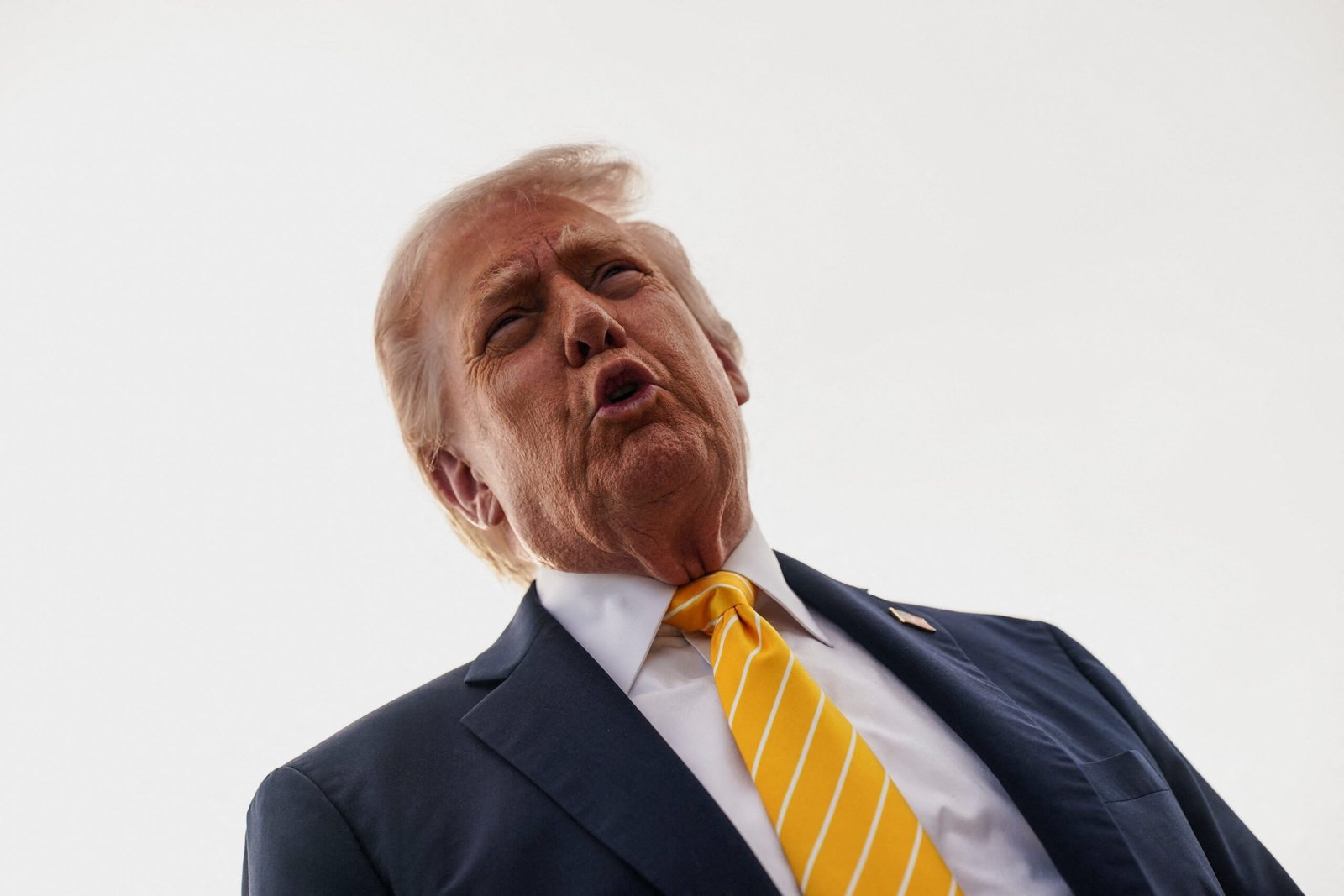
    WASHINGTON: The Trump administration has submitted a landmark civil nuclear cooperation agreement with Saudi Arabia to the US Congress for review, but President Donald Trump has maintained that the deal will only move forward if Riyadh agrees to normalize relations with Israel. The agreement, reached between the United States and Saudi Arabia in July, would allow American companies to provide civilian nuclear technology to the kingdom. It was formally submitted to Congress on Monday under procedures required by US law, according to US officials. The move puts a potentially major energy partnership into a closely watched congressional review process while adding another layer to Washington’s efforts to reshape relations between Saudi Arabia and Israel. Trump has said the nuclear agreement is conditional on Saudi Arabia joining the Abraham Accords, the US-backed framework that established diplomatic ties between Israel and several Arab and Muslim-majority countries. Riyadh has not agreed to normalize relations with Israel and has repeatedly linked such a move to progress toward Palestinian statehood. The nuclear agreement is intended for peaceful energy purposes and could support Saudi Arabia’s plans to develop nuclear power as part of its broader effort to diversify its economy and reduce reliance on oil. The pact would also open opportunities for US nuclear companies to participate in the kingdom’s planned nuclear infrastructure. However, the deal has already attracted scrutiny from lawmakers and nuclear nonproliferation experts. A key concern is whether the agreement would place sufficient restrictions on Saudi Arabia’s ability to enrich uranium or undertake other activities that could potentially be used for weapons development. Trump previously said the arrangement would not permit uranium enrichment and would be limited to civilian, non-military purposes. However, reports on the agreement have raised questions over the precise safeguards and long-term provisions surrounding Saudi Arabia’s nuclear programme. Congress now has a review period under US law during which lawmakers can examine the agreement and potentially object to it. The classified nature of the submitted document is expected to add to congressional scrutiny. For Saudi Arabia, the agreement could mark a major step toward nuclear energy. For Washington, however, the deal has become intertwined with one of the Middle East’s most sensitive diplomatic questions: whether Riyadh will ultimately establish formal relations with Israel.

  • | |

    SpaceX Falcon 9 rocket crashes into the moon after…

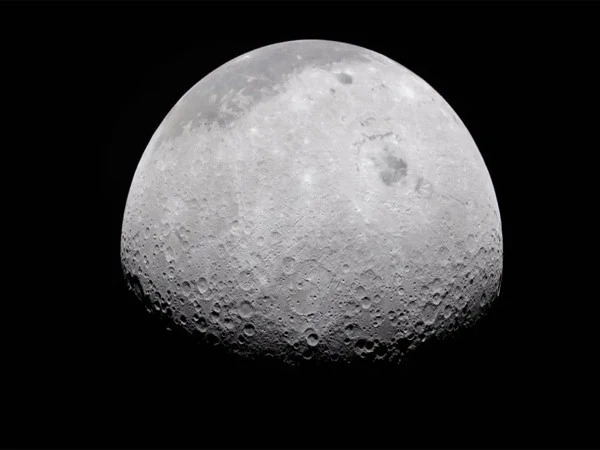
    A SpaceX Falcon 9 rocket’s upper stage has crashed into the Moon after becoming uncontrollable following the completion of its mission, drawing renewed attention to the growing challenge of space debris and the long-term sustainability of space exploration. According to reports, the approximately 4,000-kilogram upper stage was originally used to launch a lunar lander into space. After successfully completing its primary mission, the rocket stage remained in space but could no longer be actively controlled. Over time, its trajectory led to an inevitable collision with the Moon. The impact occurred with an estimated force comparable to nearly three tons of TNT, creating another artificial impact site on the lunar surface. While the collision was significant, experts stressed that it does not pose any immediate danger to Earth or its inhabitants. NASA has confirmed that the incident presents no direct threat to Earth. However, scientists say the event serves as a reminder of the increasing amount of human-made debris orbiting Earth and traveling through deep space. As the number of space missions continues to grow, properly managing retired rocket stages and other spacecraft components is becoming an increasingly important issue for the global space community. Space debris has become a major concern for space agencies and private companies alike, as abandoned rocket stages, inactive satellites, and fragments from previous missions can create risks for future spacecraft. Experts believe that stronger international cooperation and improved end-of-mission disposal strategies will be essential to reduce the accumulation of debris in Earth’s orbit and beyond. Researchers also noted that impacts on the Moon are not uncommon. Natural meteoroids frequently strike the lunar surface, leaving countless craters over billions of years. In addition, several spacecraft have intentionally or accidentally impacted the Moon during previous missions, making such events scientifically valuable in some cases. Although the Falcon 9 upper stage’s collision is unusual because it involved an uncontrolled commercial rocket component, experts emphasized that it should not be viewed as an immediate cause for alarm. Instead, they say it highlights the need for responsible space operations as exploration of the Moon and deep space accelerates. The incident underscores the growing importance of sustainable space practices, ensuring that future missions can continue safely while minimizing the long-term impact of space debris on both Earth and the wider space environment.

  • |

    Canada vows dollar-for-dollar retaliation against US

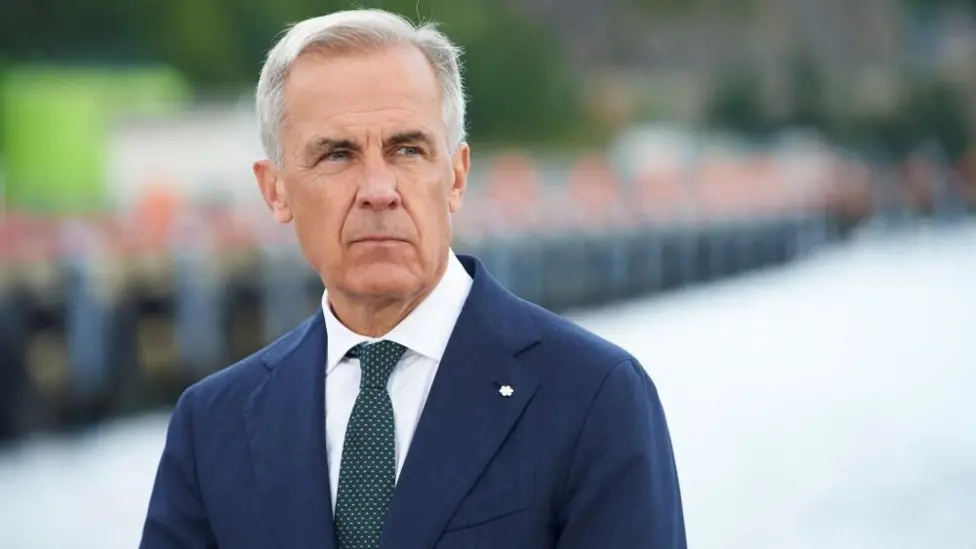
    Canada has announced plans to respond to new US tariffs with matching measures after last-minute trade negotiations between the two countries broke down. Canadian Prime Minister Mark Carney announced the suspension of the talks shortly before a Friday deadline, saying Washington’s latest proposals did not meet Canada’s objectives. Carney said Canada would respond to US tariffs on a “dollar-for-dollar” basis. He argued that changes made to the proposed US terms at the final stage of negotiations were unfair and economically damaging. The talks had entered an intense phase in recent weeks as Canadian and US officials attempted to reach an agreement that could reduce tariffs affecting major industries. Earlier this week, US President Donald Trump had temporarily delayed additional tariffs and indicated that Washington and Ottawa were close to reaching an agreement. Officials on both sides had expressed optimism that a deal could be concluded. However, negotiations ultimately failed to produce an agreement. US Trade Representative Jamieson Greer gave a different account of the breakdown. He said Canada had declined to finalise an agreement based on terms that had previously been discussed. Greer accused Ottawa of introducing new demands and withdrawing from some commitments, arguing that the changes had disrupted the balance reached during the negotiations. The disagreement marks a sharp change in tone between the two governments. Just days earlier, officials had indicated that progress was being made towards a mutually beneficial trade arrangement. Among the proposals reportedly under discussion was a reduction in US tariffs on Canadian steel and aluminium from 50 per cent to 25 per cent. Tariffs on Canadian automobiles were also being considered for reduction from 25 per cent to 15 per cent. In return, Canada was facing pressure to provide greater access to US products. One issue involved the sale of American alcoholic beverages, with Ottawa being urged to remove provincial restrictions that had been introduced in response to earlier US trade measures. With negotiations suspended, a new round of US tariffs is now affecting a broad range of Canadian products. The measures include goods such as wine, dairy products, cement, clothing and hockey equipment. The latest tariffs come on top of existing US duties on Canadian steel, aluminium, automobiles and lumber. The escalating trade dispute has created growing uncertainty for businesses on both sides of the border. Canada and the United States have closely integrated economies, with large numbers of companies and workers dependent on cross-border trade. Ontario Premier Doug Ford backed the federal government’s decision to respond strongly. He called for a reciprocal approach in which Canadian tariffs would match US measures on a dollar-for-dollar basis. The dispute has been developing since Trump returned to the White House and introduced a broad tariff programme affecting major trading partners. The measures have strained the long-standing trade relationship between Canada and the United States. Canadian negotiators have spent more than a year seeking reductions or exemptions from US tariffs affecting key sectors. Washington, meanwhile, has demanded several concessions, including changes to Canadian dairy import quotas and the removal of retaliatory restrictions on American goods. US officials have also objected to restrictions placed on American alcohol products by several Canadian provinces. Business groups have urged both governments to reach an agreement, warning that higher tariffs could increase costs, disrupt supply chains and hurt companies and consumers in both countries. The US Chamber of Commerce has also warned that prolonged tariff disputes could threaten millions of jobs connected to trade under the US-Mexico-Canada trade framework. Public opinion in Canada remains divided over how the government should respond. Recent polling indicated that some Canadians support retaliatory tariffs, while others favour continuing negotiations with Washington.

  • | |

    Trump hosts Netanyahu, Zelensky for high level tal…

    WASHINGTON: US President Donald Trump is set to meet Israeli Prime Minister Benjamin Netanyahu and Ukrainian President Volodymyr Zelensky at the White House on Tuesday, as the wars involving Iran and Ukraine enter what officials describe as a decisive and highly sensitive phase. The two leaders are in Washington to attend a memorial service for Senator Lindsey Graham, a prominent Republican ally of Trump and a strong advocate of military support for Ukraine. However, the diplomatic spotlight has shifted to their separate meetings with the US president, which are expected to focus on two of the world’s most volatile conflicts. Trump’s relationship with Zelensky has improved significantly in recent months as Ukrainian forces have slowed Russian advances and intensified strikes on Russian energy infrastructure. Ahead of his meeting, Zelensky said strengthening anti-ballistic missile defence and expanding strategic cooperation with the United States were his top priorities, stressing that efforts to bring peace closer must continue. Despite renewed diplomatic contacts, there is little indication that either the Ukraine war or the widening confrontation involving Iran is nearing an end. Following the collapse of a ceasefire linked to the Iran conflict, Trump has said he paused US airstrikes to allow diplomacy another opportunity, while continuing consultations with regional allies. Netanyahu arrives in Washington amid signs of growing frustration within theWhite House over the lack of progress toward a broader settlement related to Iran. Tensions between Trump and the Israeli leader have become more visible in recent weeks, including reports of a heated phone conversation in June that was later publicly acknowledged by Trump. According to sources familiar with the discussions, Netanyahu is also seeking to reinforce his political standing ahead of Israel’s October 27 election. A public display of close coordination with Trump could help him domestically, where he has faced pressure in opinion polls. Before departing for Washington, Netanyahu said the talks would focus primarily on Iran, while also addressing regional security and efforts to expand peace agreements with Arab states. A White House official said Trump plans to discuss the Iran conflict, tensions between Israel and Lebanon, and the future of the Abraham Accords. The administration is reportedly continuing efforts to encourage Saudi Arabia to join the accords, although Riyadh has maintained that any normalisation with Israel would require a credible pathway toward Palestinian statehood. Trump struck a notably warmer tone when speaking to reporters aboard Air Force One, describing Netanyahu as a strong wartime leader and saying the two had worked well together.Zelensky is expected to hold a brief private meeting with Trump, likely without media present. Ukrainian officials say securing additional Patriot missile interceptors is their most urgent request, as Russian missile and drone attacks continue almost daily. The Ukrainian president is also expected to push for expanded air-defence cooperation, progress on a drone agreement with the United States, and discussions on Trump’s proposal to allow Ukraine to produce Patriot interceptors under licence. White House officials said the meeting with Zelensky would focus on the ongoing peace process between Russia and Ukraine and reiterated that the administration believes the time has come to seek an end to the war. After the White House talks, Zelensky is expected to visit Capitol Hill for meetings with all 100 US senators, underscoring the continuing bipartisan interest in Ukraine’s defence despite growing debate over the pace and delivery of American military assistance.

Leave a Reply

Your email address will not be published. Required fields are marked *