escalating water shortages
|

Escalating water shortages compound the crisis for Sudanese refugees in Chad

Sudanese refugees who escaped violent conflict in Darfur are facing an severe water shortage in eastern Chad’s overcrowded displacement camps.

Over 938,000 people have fled into Chad since fighting erupted in April 2023 between the Sudanese Armed Forces (SAF) and the Rapid Support Forces (RSF). Settlements such as the Goudrane refugee camp, which accommodates roughly 50,000 refugees, frequently go days without water tank deliveries, leading to desperate scrambles when limited supplies arrive.

The extreme scarcity forces many families to survive on less than half of the United Nations High Commissioner for Refugees’ (UNHCR) recommended daily minimum water allocation.

At local medical clinics, doctors report an inability to effectively administer treatments for bacterial infections because patients lack access to clean drinking water.

Aid agencies, including Solidarités International, caution that existing funding levels cannot keep pace with the growing capacity requirements for boreholes, sanitation, and water treatment infrastructure.

Refugees arriving at transit sites such as Adré and long-term camps like Metche describe systematic violence in Sudan, particularly targeting the Masalit community. Reports detail mass killings, sexual violence, heavy shelling, and deliberate destruction of vital supplies by RSF fighters during escapes from towns like el-Fasher and el-Geneina.

With the conflict entering its fourth year and diplomatic resolution remaining distant, displaced families face prolonged instability alongside severe resource shortages.

Similar Posts

  • |

    South Korea investigates military response after US drone mistaken for threat

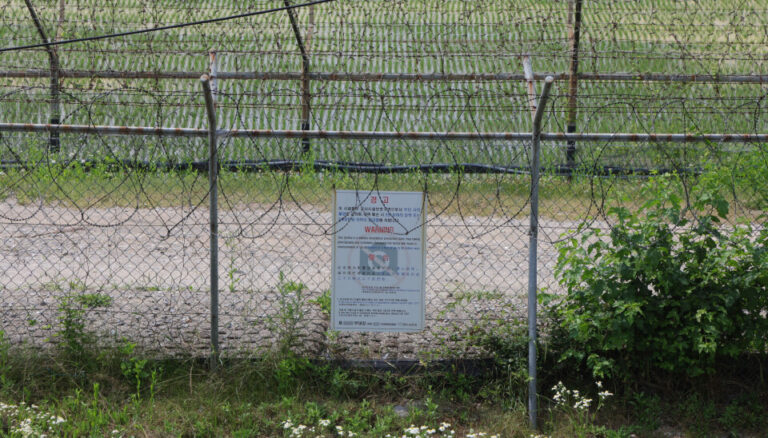
    South Korea has launched a review after its military nearly opened fire on a United States military drone that was initially identified as an unknown aircraft near the border with North Korea. The incident briefly raised security concerns in one of the most heavily guarded areas of the Korean Peninsula before officials confirmed the aircraft was taking part in a joint military exercise. According to South Korea’s Joint Chiefs of Staff, the drone was detected on Thursday in northern Gyeonggi Province close to the border. Military personnel followed standard operational procedures after they were unable to immediately identify the aircraft. As a precaution, troops prepared to respond while continuing to track its movements. The aircraft was later confirmed to be a United States Marine Corps drone participating in combined training with South Korean forces. The incident prompted a temporary security alert in the border region. Local authorities issued evacuation warnings to residents and farmers living inside the Civilian Control Zone around Cheorwon and nearby communities. Emergency text messages sent shortly after 2 pm advised people in frontline areas to move to shelters or other safe locations until the situation became clear. After military officials confirmed the aircraft’s identity, a second message informed residents that the alert had been lifted and there was no longer any immediate danger. No shots were fired and no injuries or damage were reported. United States Forces Korea confirmed that the aircraft belonged to the US Marine Corps and was involved in a scheduled joint exercise with South Korean troops. The command said it is reviewing the circumstances that led to the misunderstanding and is working with South Korean authorities to examine the incident. South Korea’s Joint Chiefs of Staff announced that military inspectors from its readiness office would visit the Army’s 1st Corps on Friday to review how the situation was handled. The inspection will assess whether existing identification and communication procedures were properly followed and whether improvements are needed to prevent similar incidents in the future. The episode highlights the high level of military alert maintained along the border with North Korea, where tensions remain elevated. South Korean forces routinely monitor unidentified aircraft because of the possibility of North Korean military activity. Officials said troops acted according to established procedures because they could not immediately determine whether the aircraft posed a potential threat. The incident also comes shortly after another security concern involving the United States military. Earlier this week, residents living near a US military base in Pyeongtaek were briefly advised to evacuate following an incident involving white phosphorus. That event prompted some civic groups to call for an investigation and for the US military to provide a public explanation. Although the drone incident ended without violence, it has renewed attention on the challenges of coordinating military operations in a region where misunderstandings can quickly escalate. South Korean authorities are expected to use the findings of their review to strengthen communication and operational procedures during future joint exercises with United States forces.

  • |

    Darwin Test, Bangladesh lead by 228 despite Hazlewood’s six wickets

    Bangladesh produced a remarkable batting display against Australia in the Darwin Test, taking a commanding 228-run first-innings lead despite Josh Hazlewood’s six-wicket haul. Bangladesh were bowled out for 426 after showing tremendous resilience against Australia’s pace attack. Mehidy Hasan Miraz played the starring role in the lower order, frustrating the Australian bowlers for nearly 50 overs and completing his 12th Test half-century. Hazlewood eventually ended Mehidy’s stubborn resistance after lunch on the third day before removing Taijul Islam’s partner, completing six wickets in the innings. His performance also brought a major personal milestone as he became only the ninth Australian bowler to reach 300 Test wickets. The fast bowler also claimed his 14th five-wicket haul in Test cricket. Remarkably, all four wickets to fall during the third day belonged to Hazlewood, keeping Australia in the contest despite Bangladesh’s substantial advantage. Mehidy was well supported by Mahmoud, Taijul Islam and Taskin Ahmed as Bangladesh continued to stretch Australia’s bowling attack. The visitors also benefited from Australia’s fielding lapses, with the hosts dropping five catches during the innings. Earlier, Bangladesh had built a strong platform through Tanzid Hasan’s maiden Test century and a determined half-century from captain Najmul Hossain Shanto. Australia’s first innings had already ended in disappointment after Hasan Mahmud claimed six wickets, exposing weaknesses in the home side’s batting. Bangladesh’s huge lead now puts Australia under considerable pressure. With their bowlers needing early breakthroughs, the hosts face a demanding task to recover momentum and keep the Darwin Test within reach.

  • Trump imposes 50% tariffs on Canada as Carney vows to consider ‘All Options’ in response

    US President Donald Trump has imposed a 50% tariff on a wide range of goods imported from Canada, retaliating against what he called “unequal treatment” of US cars, dairy, and alcohol. Everyday consumer items like wine and hockey sticks, as well as industrial goods such as cement, are on the target list, though several key exports including energy, potash, critical minerals, and fish will be spared. Prime Minister Mark Carney said he had spoken to Trump and both leaders agreed to “intensify” trade talks in a bid to calm growing tensions between the North American neighbours. However, Carney warned that “all options” were on the table in terms of how Canada could respond to the fresh tariff threat. Since the tariff war broke out more than 18 months ago, Carney said Canadians have “stood together” by buying home-produced goods and agreeing new trade routes with other countries. “[The] country is stronger, stronger because we are united, and we will remain united,” he told reporters. Tensions between the major trading partners have been simmering since Trump returned to office in January last year and unleashed a wide-ranging global programme of tariffs. Asked about the latest tariffs, which the White House says will take effect in 30 days, Trump said Canada had been “very, very tough on us over the years” and “no other presidents done anything about it.” He added: “I love Canada, I love the people of Canada, many friends that live in Canada. Without us, there’s no way they can survive.” The latest move comes after the US Supreme Court ruled earlier this year that many of the tariffs imposed globally under emergency powers were illegally enacted. Trump has since sought other legal avenues to push through his flagship trade policy. Trump has said the levies will boost American manufacturing and jobs, but some economists have warned that higher charges on imported goods risk pushing up prices for consumers. This new round of duties on Canadian goods has also fuelled speculation about a potential wider tariff announcement by the US on countries across the world. US Trade Representative Jamieson Greer said on Tuesday that he expected to “see some action soon” when asked about the possibility of forthcoming levies. Canada, which is one of the US’s closest trading partners, was one of the few countries to retaliate last year against Trump’s tariffs, placing a 25% levy of its own on about C$30 billion worth of US goods. Carney later dropped some of them. As the trade war escalates, the implications for both economies remain significant. Canada’s reliance on US markets for exports and the interconnected nature of North American supply chains mean that any prolonged tariff dispute could have far-reaching consequences. Carney’s warning that “all options” are on the table suggests that Canada is prepared to respond forcefully if necessary, potentially escalating the conflict further. The coming weeks will be critical in determining whether diplomatic efforts can de-escalate the tensions or whether the trade war will intensify, impacting businesses and consumers on both sides of the border. The international community will be watching closely as two of the world’s largest trading partners navigate this dangerous standoff.

  • | | | |

    Meta rejects claims it sought to hook children to Facebook, Instagram as landmark trial begins

    A bipartisan group of 29 US states is suing Meta, seeking potentially tens or hundreds of billions of dollars in penalties and changes to how Meta does business

  • | |

    Sindh extends Section 144 for one more month

    The Sindh government has extended Section 144 across the province for another month, keeping several restrictions in place to maintain law and order. According to a notification issued by the Sindh Home Department in Karachi, the renewed restrictions will come into effect on August 1 and will remain enforced for the next month. The notification states that wall chalking, public rallies, demonstrations and the display of weapons in public places will continue to remain prohibited throughout the province. The government said the measures have been taken as part of efforts to preserve public peace and prevent any activities that could disrupt law and order. Authorities have directed law enforcement agencies to ensure strict implementation of the restrictions. Officials said action will be taken against anyone found violating the provisions of Section 144 during the enforcement period. The notification also clarified that only security guards employed by registered private security companies will be permitted to carry weapons while performing their official duties. No other individuals will be allowed to display or carry weapons in public unless authorised under the law. Section 144 is a legal provision that empowers district administrations to impose temporary restrictions on public gatherings and certain activities in the interest of public safety. It is often enforced during periods of heightened security concerns or to prevent possible disturbances.

Leave a Reply

Your email address will not be published. Required fields are marked *