bans concrete pitch
|

FA bans concrete pitch walls after death of ex-Arsenal player

The Football Association has introduced new safety rules for perimeter walls around football pitches. The move follows the death of former Arsenal youth player Billy Vigar.

Vigar, a 21-year-old forward for Chichester City, died after suffering a brain injury during a match against Wingate and Finchley in north London last September. It’s believed he collided with a concrete barrier near the pitch.

Following the tragedy, the FA carried out a full safety review of grounds across the lower leagues. As a result, it has now published new guidance banning solid brick, breeze block or concrete barriers around playing fields.

The updated rules apply specifically to clubs in the National League System for men, covering steps one through six. Women’s National League clubs in tiers three and four are also included under the new guidance.

The FA confirmed that any existing solid barriers must now be removed as soon as reasonably possible. Where structural issues prevent removal, clubs will instead be required to cover the barriers with suitable protective padding.

The governing body said on Friday that affected clubs have already been formally notified. It added that those clubs will now be required to take action in line with the updated safety standards.

The rule change marks a significant shift in how English football’s lower tiers approach pitch-side safety. It comes as a direct response to a preventable tragedy that shook the football community last year.

Similar Posts

  • | | | |

    Iranian strike hits Chinese company building in Ku…

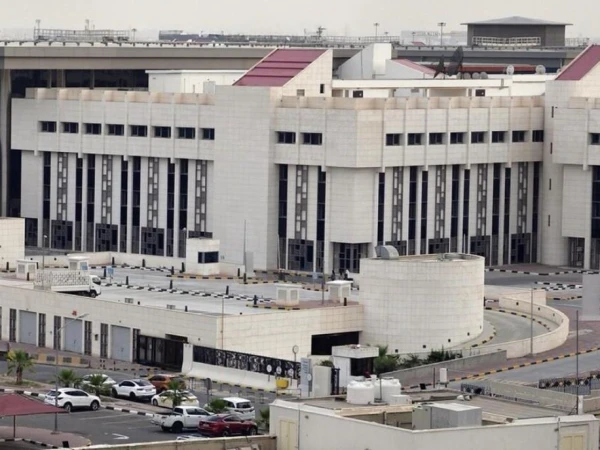
    KUWAIT CITY: A building belonging to a Chinese company in northern Kuwait was struck during an alleged Iranian attack, leaving one worker dead and causing extensive structural damage, according to Kuwait’s Ministry of Defense. The ministry confirmed the incident in an official statement on Wednesday, saying emergency response teams and security agencies were immediately dispatched to the affected site to secure the area, assess the damage, and launch rescue operations. Authorities said one worker was killed in the strike, but did not immediately disclose the victim’s identity or nationality. Officials added that investigations are continuing to determine whether there were additional casualties or injuries and to establish the full extent of the damage caused by the attack. Images from the scene showed emergency personnel working around the damaged building as security forces cordoned off the area. Officials have yet to release further details regarding the type of weapon used or the circumstances surrounding the strike. In its statement, Kuwait’s Ministry of Defense stressed that the country’s armed forces remain on high alert and are fully prepared to safeguard Kuwait’s sovereignty, territorial integrity, and national security against any external threat. The ministry also urged the public to rely only on official government statements for updates, warning citizens against spreading or believing unverified reports and rumors circulating on social media. The attack comes amid heightened regional tensions linked to the ongoing confrontation between Iran and the United States, which has fueled growing security concerns across the Gulf region. In recent weeks, military facilities, energy infrastructure, commercial shipping routes, and strategic installations have increasingly come under threat, raising fears of a wider regional escalation. Security analysts say the latest strike demonstrates how the conflict is expanding beyond its primary actors, with neighboring Gulf states facing increasing risks from the deteriorating security environment. Kuwait, which has traditionally sought to maintain balanced regional relations, now finds itself confronting the possibility of being directly affected by the broader conflict. The incident is expected to intensify security measures across the country, particularly around critical infrastructure, industrial facilities, and foreign-owned commercial sites. Regional governments have already strengthened surveillance and emergency preparedness in response to the growing threat of cross-border attacks. No immediate statement was issued by Iranian authorities regarding the alleged strike. Meanwhile, Kuwaiti officials said investigations remain underway and pledged to provide further information as more details become available. The latest incident underscores the widening regional impact of the Iran-US confrontation and highlights growing concerns that escalating hostilities could increasingly affect civilian infrastructure and foreign businesses operating across the Gulf.

  • | |

    Pakistani mountaineer Asma Mushtaq dies during Spa…

      GILGIT-BALTISTAN: Pakistani travel vlogger and mountaineer Dr Asma Mushtaqhas died during an expedition to Spantik Peak in Gilgit-Baltistan, while rescue teams are continuing efforts to locate and recover her body. Federal Information Minister Atta Tarar said in a statement that a rescue team has reached the location where Dr Asma’s body is believed to be present. According to the minister, the search operation has become increasingly difficult because of the vast area and heavy snowfall recorded in the region over the past two days. The intense snowfall has reportedly covered the body completely under snow, making recovery a challenging task for the rescue personnel. Atta Tarar said that the rescue team had been searching for Dr Asma for several hours, but her body had not yet been recovered. He added that the operation remains underway and teams are continuing their efforts to locate her. Dr Asma Mushtaq reportedly died while returning from the summit of Spantik, a prominent mountain located in the Shigar district of Gilgit-Baltistan. Born on February 7, 1992, Asma was known within the mountaineering community for her passion for adventure, mountains and natural landscapes. She also gained recognition as a travel vlogger, sharing her interest in Pakistan’s scenic destinations and outdoor adventures. Recently, Asma had joined an expedition to climb Spantik Peak, which stands at an elevation of approximately 7,027 metres and is located in Pakistan’s Karakoram mountain range. The mountain is considered one of the country’s notable climbing destinations and attracts mountaineers seeking challenging high-altitude expeditions. According to reports, Asma successfully reached the summit of Spantik along with her guide, Ali Akbar. At the time of reaching the summit, her health was reportedly stable and she was able to complete the ascent successfully. However, problems reportedly arose during the descent. After leaving the summit, Asma allegedly developed symptoms associated with high-altitude sickness, a potentially serious condition that can affect people at extreme elevations because the body receives less oxygen at high altitude. Her guide, Ali Akbar, reportedly provided her with initial medical assistance after her condition deteriorated. Despite the efforts to help her, she could not survive. The incident has highlighted the risks associated with high-altitude mountaineering, particularly during difficult weather conditions. Climbers face several hazards during such expeditions, including extreme cold, heavy snowfall, reduced oxygen levels, exhaustion and rapidly changing weather. The recovery operation is now focused on locating Asma’s body in an area affected by significant snowfall. Rescue teams are reportedly facing difficult conditions as they search through snow-covered terrain. Officials have said that the operation will continue until the body is located and recovered. The difficult terrain and heavy snowfall have made the search more complicated, while rescuers are working in challenging mountainous conditions. Asma’s death has been mourned by those familiar with her work and passion for mountaineering and travel. Her journey into Pakistan’s mountainous regions reflected her strong interest in adventure and the country’s natural beauty. The rescue authorities are continuing their efforts, while further details about the recovery operation are expected as the search progresses.

  • | |

    Bannu police revolt over seven officials’ transf…

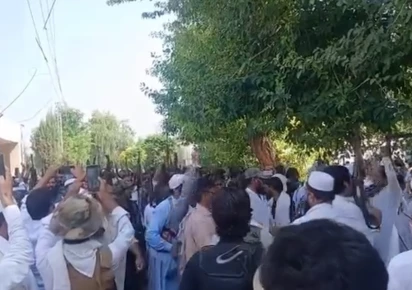
    Police personnel in Bannu staged a protest on Tuesday against the transfer of seven Khyber-Pakhtunkhwa police officials to other districts, with the dispute disrupting policing and traffic management in parts of the district. The protest was organised after the Police Peace Committee called on affected personnel to gather at the police lines and suspend their duties. Similar calls were reportedly made by peace committees in Lakki Marwat and Tank. The protesters are demanding that the transfer orders be reviewed or withdrawn. They have warned that the protest could be expanded if their demands are not addressed. Head of the Bannu Peace Committee Hazratullah said the boycott would continue until the transfer orders were cancelled. He said members of the peace committees had worked alongside police to maintain security and restore peace in Bannu, Lakki Marwat and Tank. The boycott reportedly affected security arrangements at several important government and sensitive locations. The absence of traffic personnel also caused congestion at various points in Bannu and Lakki Marwat, leaving commuters facing delays. The transfer orders were issued by the Peshawar Central Police Office on the directions of the Additional Inspector General. Seven personnel were moved to different districts and units. Under the orders, Head Constable Nisar Ali was transferred from Police Lines Lower Dir to PTS Swat. Constable Ghulam Abbas Khan was moved from Elite Force Peshawar to Haripur, while Constable Muhammad Arif was transferred from Elite Force Peshawar to Dera Ismail Khan. Constable Shafiullah was transferred from Investigation Bannu to Swat. Constable Muhammad Atif Khan was moved from Elite Force Bannu to Upper Chitral. Meanwhile, Constable Samiullah was transferred from Lakki Marwat to the Counter Terrorism Department in Peshawar, while Constable Khalid Rahman was moved from District Traffic Mobile Lakki Marwat to Shangla. Police personnel have argued that sudden transfers to distant districts could create difficulties for the affected officials and their families. They have called for the orders to be reconsidered. Authorities have so far not issued a detailed official response to the reported boycott or confirmed whether disciplinary action will be taken against personnel who stopped performing their duties. IGP transfer also under review The protest comes amid uncertainty over the appointment of a new K-P inspector general of police. The proposed transfer of IGP Zulfikar Hameed was put on hold a day earlier as the federal government sought further consultations over the candidates proposed for the post. Provincial government sources said the list of three senior police officers submitted for consideration could be revised. One name may be removed, while another officer could potentially be added before the appointment process resumes. A senior police official said the transfer of the current IGP was not being actively pursued for the moment because of the worsening security situation in the southern districts. The official said the provincial police chief was therefore likely to remain in his position temporarily while consultations between the federal and provincial governments continued.

  • | | |

    17-year-old killed after trailer hits motorcycle i…

    A tragic road accident involving a heavy vehicle claimed the life of a 17-year-old boy and left another person injured in Karachi on Tuesday, raising fresh concerns over road safety and the movement of heavy traffic across the city. According to rescue officials, the accident occurred near Gulshan Hadeed Turn in the Steel Town area when a trailer collided with a motorcycle carrying two riders. The impact of the crash proved fatal for one of the riders, who died at the scene, while the second rider sustained injuries. The deceased was identified as 17-year-old Usman, a resident of Shah Latif Town. Rescue teams responded promptly to the incident and shifted both the victim’s body and the injured person to Jinnah Postgraduate Medical Centre (JPMC) for legal formalities and medical treatment. Authorities have not yet released the identity or condition of the injured individual. Police officials from Steel Town stated that the trailer driver was taken into custody immediately after the accident. The trailer involved in the collision has also been seized as part of the investigation. A case is being processed, and authorities are examining the circumstances that led to the crash. The latest incident adds to a growing number of fatal accidents involving heavy vehicles in Karachi, where trailers, dumpers, and trucks have frequently been linked to deadly road crashes. Such incidents have repeatedly sparked public concern over traffic management, enforcement of road safety regulations, and the operation of heavy vehicles on busy roads. Residents and road safety advocates have urged authorities to implement stricter measures, including better monitoring of heavy transport vehicles, improved driver training, and stronger enforcement of traffic laws. Many believe that regulating the movement of heavy vehicles during peak traffic hours could significantly reduce the risk of similar accidents. The investigation into the Gulshan Hadeed accident is ongoing, and police are expected to determine whether negligence or traffic violations contributed to the fatal collision. Meanwhile, the loss of another young life has once again highlighted the urgent need for comprehensive road safety reforms to prevent further tragedies on Karachi’s roads.

  • | |

    Makkah Pact Seen as key to regional stability

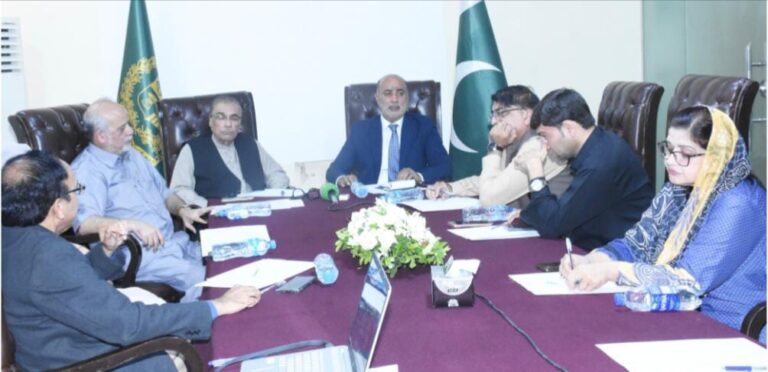
      LAHORE, Aug 12 (APP): Senior journalists, defence analysts and experts have described the Makkah Joint Defence Pact between Pakistan, Saudi Arabia and Türkiye as a significant step towards regional peace, collective security and stronger defence cooperation. The views emerged during a panel discussion titled “Makkah Pact: Peace, Security and Stability”, organised by the Press Information Department (PID) Lahore. PID Lahore Director General Shafqat Abbas said the agreement aimed to strengthen peace, stability and mutual trust rather than target any country. He stressed the importance of diplomacy, dialogue and cooperation in resolving regional disputes. He said Pakistan, Saudi Arabia and Türkiye brought different strengths and experiences to the partnership, creating opportunities for cooperation in defence, diplomacy, trade and investment. Abbas also said Pakistan’s national strength should extend beyond defence and include education, science, technology, skilled human resources and a strong economy. He urged the country to turn its defence capabilities into broader economic gains through research, skills development and increased exports. Senior journalist and analyst Mujeebur Rehman Shami highlighted Pakistan’s achievements in defence and diplomacy but called for greater investment in education, science, technology and skills. He also stressed the need to increase exports and improve economic productivity. Journalist Salman Ghani said the three countries offered complementary strengths, with Pakistan contributing its defence capabilities, Saudi Arabia its economic influence and Türkiye its advanced defence industry and technology. He said the pact could also encourage investment and economic cooperation. Defence analyst Col (retd) Abid said Pakistan’s leadership and military diplomacy played an important role in developing the agreement. He noted that its impact could extend beyond defence to economic, diplomatic and strategic affairs. Other speakers, including Dr Faleha Afzal, Malik Salman, Dr Farzana Riaz and journalist Noorullah, called for greater unity among Muslim countries and urged Pakistan to pursue economic development alongside defence preparedness. The participants agreed that stronger cooperation between Pakistan, Saudi Arabia and Türkiye could contribute to regional peace and stability. They also emphasised dialogue, common interests and coordinated efforts to address shared challenges. At the end of the session, Shafqat Abbas thanked the participants and said such discussions helped promote informed public debate on important national and international issues.

  • | |

    Oman oil spill spreads dramatically, nearing scale…

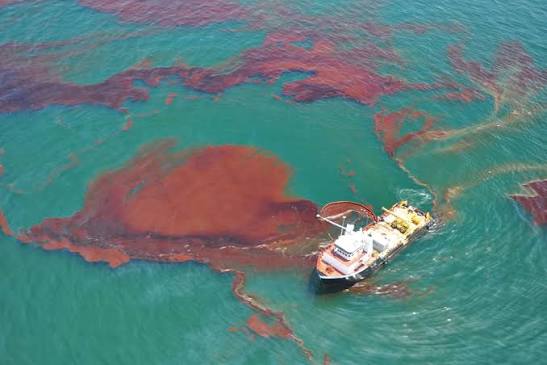
    An oil spill off the coast of Oman is rapidly expanding into one of the worst maritime environmental disasters in years after weeks of largely unchecked spread, according to international agencies, satellite imagery and environmental organizations. The slick, which originated from a grounded tanker carrying Russian crude, had reached Oman’s mainland by Wednesday, the United Nations shipping agency confirmed. John Amos, an oil spill specialist who reviewed satellite imagery, said the affected area now covers more than 2,000 square kilometers. The vessel involved, the Caroline Bezengi, was carrying an estimated 800,000 barrels of Russian oil and operates under international sanctions. It ran aground on June 30 near an Omani island that forms part of a protected marine nature reserve. The tanker first reported trouble off the coast of Yemen on June 8, and maritime sources said an explosion appeared to have occurred on board. No party has claimed responsibility for any attack, though the ship was navigating waters tied to two separate conflicts during its voyage from Russia to India. The tanker departed the Black Sea port of Novorossiysk in April, a region central to the ongoing war between Russia and Ukraine. Ukrainian forces have targeted vessels belonging to the so called shadow fleet used to transport Russian oil, a network that includes the Caroline Bezengi. Ship tracking data shows the tanker then passed through the Suez Canal in late May before sailing near Yemen, where Iran aligned Houthi forces have become entangled in the broader regional conflict involving the United States, Israel and Iran. A tangled set of war related and sanctions related shipping regulations is already complicating the emergency response and could further delay efforts to contain the disaster, according to insurers and analysts. The IOPC Funds, the intergovernmental body responsible for compensating tanker spill damages, told a foreign news agency it will not cover cleanup costs since the incident is being classified as an act of war rather than an ordinary accident. The 25 year old tanker also lacks coverage from any recognized Western insurer. Amos, who serves as chief executive of the environmental nonprofit SkyTruth, said the worst case outcome would involve no adequate response capable of preventing further damage. He said the spill’s scale could ultimately rival the 1989 Exxon Valdez disaster and noted that the tanker is comparable in size to the Sanchi, an Iranian vessel that collided with a freighter off China in 2018 in what became the world’s worst tanker disaster in decades. Slick accelerates toward mainland The spill was first identified by analysts in early July and has since begun reaching Oman’s mainland, according to the International Maritime Organization. A spokesperson for the agency said oil is drifting offshore northeast of Al Qibliyyah Island, with some already washing ashore, and confirmed that contingency planning for the spill is underway. The IMO said seasonal monsoon weather has restricted access to the tanker and delayed salvage efforts. Satellite images show the vessel grounded at Al Qibliyyah Island, part of a nature reserve that includes the Hallaniyat Islands and provides habitat for endangered sea turtles, humpback whales and coral reef ecosystems, all of which now face heightened risk from the spreading oil. Omani officials said Monday the slick covers nearly 400 square kilometers, though they have not responded to requests for additional detail on containment efforts beyond confirming the use of booms to limit the spread. Environmental groups and independent specialists estimate the true size at several times that figure, and say the rate of spread has accelerated sharply since early August. Greenpeace reported Tuesday that the affected area grew from around 45 square kilometers at the end of July to 150 square kilometers by early August, then quadrupled to roughly 600 square kilometers within just two days, according to Hanen Keskes, the group’s political campaigns lead for the Middle East. Amos’s estimate of 2,000 square kilometers suggests the spill has grown more than 40 times larger since the start of August alone. Amos said containing the disaster will require more than floating booms, including stabilizing the grounded vessel and transferring any remaining crude to another tanker. He warned that delays in salvage operations will only worsen the tanker’s condition and make the eventual recovery effort more complicated and dangerous.


Leave a Reply

Your email address will not be published. Required fields are marked *