gold prices fall
| |

Gold prices fall in global and Pakistan markets as…

In the international bullion market, the price of gold fell by $10 per ounce, bringing it down to $4,040 per ounce. The decline in global prices was mirrored in Pakistan’s local bullion market, where the price of 24-karat gold dropped by Rs. 1,000 per tola, settling at Rs. 426,436.

Similarly, the price of 10 grams of 24-karat gold in the domestic market decreased by Rs. 857, reaching Rs. 365,600. The latest adjustment follows fluctuations in global bullion markets, where investor sentiment and international economic developments continue to influence precious metal prices.

While gold registered a decline, silver prices moved in the opposite direction. In the international market, silver gained 68 cents per ounce, pushing its price to $58.12 per ounce.

The increase in global silver prices was also reflected in Pakistan’s local market. The price of silver per tola rose by Rs. 68, reaching Rs. 6,291, while the price of 10 grams of silver increased by Rs. 58 to Rs. 5,393.

Market analysts say fluctuations in precious metal prices are primarily driven by movements in international bullion markets, changes in investor demand, currency trends, and expectations regarding global economic conditions. Gold often experiences price volatility as investors respond to inflation data, interest rate expectations, and geopolitical developments, while silver prices are influenced by both investment demand and industrial consumption.

Jewellers and bullion traders in Pakistan closely monitor international price movements, as domestic gold and silver rates are largely determined by global market trends along with the exchange rate of the Pakistani rupee against the US dollar.

The latest decline in gold prices may provide some relief for buyers planning jewellery purchases or investment in physical gold. However, traders caution that bullion prices remain highly volatile, and future movements will depend on developments in the global economy and financial markets.

With gold easing and silver continuing to strengthen, investors are expected to keep a close watch on international market trends before making further investment decisions in precious metals.

Similar Posts

  • |

    Cambridge to review hiring after Arday resignation

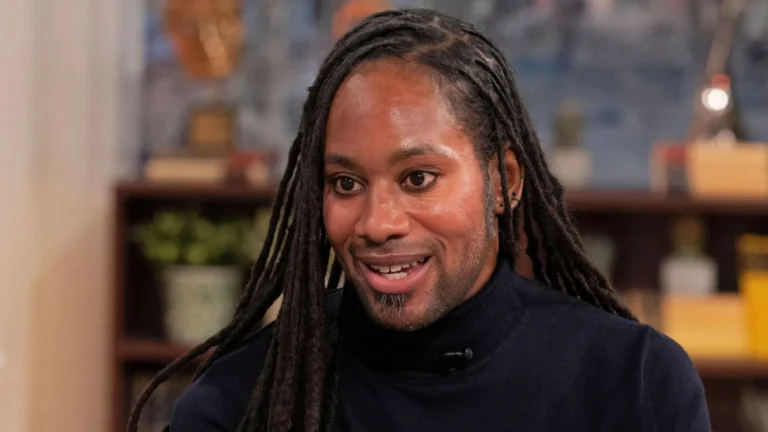
    The University of Cambridge has announced a review of its procedures for appointing senior academics following the resignation of Professor Jason Arday amid allegations of plagiarism and questions surrounding parts of his academic record. Cambridge said an ongoing investigation into Arday’s qualifications, previous appointments and tenure would inform the wider review of how senior academic positions are filled. Arday, a professor of sociology of education and fellow of Jesus College, stepped down after allegations emerged concerning his academic work and claims made about his professional background. He has rejected accusations of deliberate plagiarism and denied fabricating his achievements. The controversy has prompted calls from academics for an independent investigation into how Arday was appointed to a senior position at one of the world’s most prestigious universities. Priyamvada Gopal, a Cambridge professor who is among those calling for an independent inquiry, said the controversy had caused significant reputational damage to the university. She argued that Cambridge should not investigate itself and urged the involvement of academics from outside the institution. Cambridge said it was aware of the concerns surrounding the case and would continue examining the circumstances of Arday’s appointment and tenure. Jesus College welcomed the university’s decision to review its appointment procedures. The college said Arday’s position as a fellow depended on his university appointment and that it relied on Cambridge to verify academic credentials. The University of Glasgow, where Arday served as Professor of Sociology of Education from January 2022 to March 2023, has also launched its own review. The university said the review would establish the facts surrounding his appointment and identify lessons for the future. The controversy began after US researcher Nathan Cofnas raised allegations that sections of Arday’s PhD dissertation had been copied from earlier academic works. Liverpool John Moores University, which awarded Arday his doctorate, said it had investigated the plagiarism allegations last year and rejected them. The university maintained that position and said his PhD remains valid. Further questions have since been raised about some of Arday’s academic publications and claims on his CV. Some institutions where he reportedly claimed to have held academic positions have denied that he occupied those roles. Arday has acknowledged errors in his academic work but denied intentionally plagiarising material. He has suggested that autism and inadequate supervision during the early stages of his academic career may have contributed to mistakes. He has also rejected allegations that he fabricated his personal achievements and has previously argued that some of the criticism directed at him was racially motivated. The controversy has also raised questions about how allegations against Arday were handled. Times Higher Education reporter Jack Grove was investigated by the Metropolitan Police following a complaint of harassment after he contacted Arday about the plagiarism allegations. The investigation was later closed. Metropolitan Police Commissioner Sir Mark Rowley subsequently apologised and said the complaint should have been screened out at an earlier stage. Attention has also turned to Arday’s forthcoming memoir, “Great and Unfortunate Things”, which is scheduled for publication next week. Arday previously claimed in an interview that he had received a £1.4 million advance for the memoir, although he did not specify the currency. Publishing industry figures have questioned the size of the alleged payment. Publisher Simon & Schuster has said it intends to proceed with publication. Reports have also identified differences between an earlier proposal for the memoir and the final manuscript, including changes to the timing and description of some events in Arday’s life.

  • | |

    Pakistan’s HIV crisis deepens as child infection…

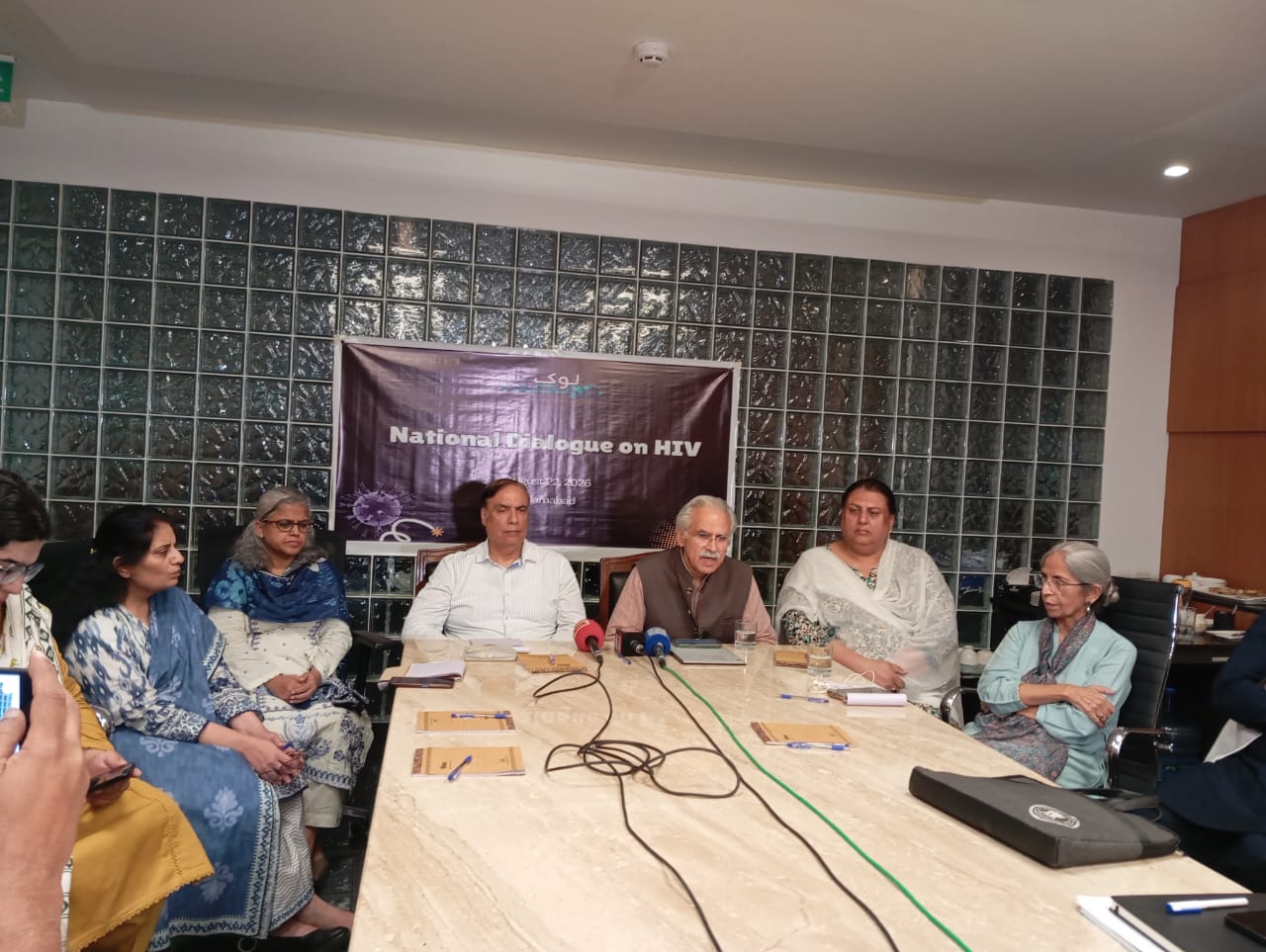
      Islamabad: Pakistan is facing a growing HIV crisis, with an estimated 369,000 people living with the virus while only about 84,400 cases are formally registered, according to a government Task Force report. Health experts and concerned citizens have warned that the real situation may be much worse because the country still lacks reliable and complete disease data. The warning came during a National Dialogue on HIV and AIDS organised by Lok Sehat, where doctors, public health experts, medical organisations, civil society groups and representatives of communities affected by HIV discussed the growing problem. Lok Sehat Convener Dr Zafar Mirza said the government must stop trying to control the disease by controlling or hiding data. He demanded that reliable information about HIV and other blood-borne diseases should be made available and that the government should take greater financial responsibility for HIV, tuberculosis, and malaria instead of depending heavily on international donors. The issue has become more serious because HIV infections are increasingly being reported among children and people outside the groups traditionally considered at higher risk. The Task Force report estimates that 369,000 people are living with HIV in Pakistan, but only around 84,400 cases are formally registered and about 60,789 people are receiving antiretroviral treatment. The report says the recent appearance of HIV among children in low-risk rural communities points to serious weaknesses in infection control, blood safety, healthcare regulation, and medical management. The situation in Taunsa Tehsil of Dera Ghazi Khan has raised particular concern. The Task Force report says 127 children were confirmed to have HIV during a five-month period between December 2024 and April 2025. Around 79 percent of those children were below five years of age, with the median age only three years. Investigations largely ruled out transmission from mothers because nearly all mothers of the infected children tested negative for HIV. The report identified unsafe blood transfusions and contaminated injection practices as major drivers of the Taunsa outbreak. It also found problems involving blood donor screening, unregulated healthcare providers, reuse of disposable syringes, excessive use of injections, poor sterilisation and weak infection prevention systems. Dr Zafar Mirza said repeated use of syringes and needles was a major suspected route of HIV transmission among people receiving healthcare. He called for proper training of healthcare workers and public awareness so patients and families understand the importance of using new syringes and needles. He also urged doctors to avoid unnecessary injections when oral medicines are medically suitable. The problem is not limited to one area. Former National AIDS Control Programme and IHRA chief Dr Quaid Saeed said 13 HIV outbreaks had been reported in Pakistan during the last 18 years, but only two, including the outbreaks in Jalalpur Jattan and Ratodero, had been extensively investigated. He called for proper investigations into every outbreak. The Task Force report also says the Ratodero outbreak in Sindh in 2019 affected more than 1,000 people, most of them children under 12. Investigations linked the outbreak to contaminated syringes, unsafe injections, unregulated blood transfusions, quackery and serious weaknesses in infection prevention and control. Experts also raised concerns about the treatment of people living with HIV. Dr Zafar Mirza said stigma remains a serious problem, including within parts of the medical profession. He said there had been cases where doctors refused to treat patients after learning that they had HIV. He stressed that HIV does not spread through ordinary contact such as shaking hands or being near an infected person. He called for stronger public awareness through television, newspapers and social media to correct false beliefs and reduce discrimination against patients. In Islamabad, infectious diseases expert Dr. Naseem Akhtar said many of the HIV cases seen at her centre involved people who inject drugs, deportees, transgender persons, men who have sex with men, and female sex workers. She said some cases had also been found among children. Dr Asma Naseem said the situation in Karachi was also worrying, particularly because of a rise in HIV cases among children. She said children with HIV were being brought to the Sindh Institute of Urology and Transplantation with kidney failure, describing the trend as highly concerning. The experts said weak regulation of healthcare facilities was another major part of the problem. Dr. Zafar Mirza called for stronger healthcare commissions, blood transfusion authorities, and other regulators, along with better funding, trained staff, and modern technology. The government Task Force has recommended nationwide surveillance of syringes, stronger regulation of medical devices, and a phased move towards auto-disable syringes. It has also proposed tougher action against unsafe medical practices. Another major recommendation is the creation of a national real-time HIV surveillance dashboard. The system would collect information from treatment centres, blood transfusion centres, provincial disease surveillance units and other health facilities so that new cases could be reported quickly at the national level. The Task Force has also proposed stronger testing and care for children, including early infant diagnosis, trained counsellors and paediatric HIV specialists in areas facing outbreaks. It has recommended social protection for children living with HIV, including support for medicines, nutrition, education, transport and psychological care. The proposed reforms also include stronger laws, mandatory reporting of HIV cases and outbreaks, better sharing of health data between provinces and agencies, and accountability for public and private healthcare providers where negligence contributes to disease transmission. The government report says a high-level National HIV Technical Working Group is also proposed, with experts including Maj. Gen. (R) Dr. Azhar Mehmood Kayani, Dr. Zafar Mirza, Dr. Abdul Wali Khan, Dr. Amjad Mahmood, Dr. Adnan Khan, Dr. Huma Qureshi, Dr. Hasan Abbas Zaheer, Brig. Dr. Nuzhat Mushahid, Dr. Saira Afzal, Dr. Fatima Mir, Dr. Saba Jamal, Dr. Rana Jawad Asghar and Dr. Khalid Rehman. Dr Zafar Mirza also raised concern over Pakistan’s dependence on international funding. During the briefing, he said that around 90 percent of spending on HIV, tuberculosis and malaria over the previous five years had come through the Global Fund. He argued that Pakistan should gradually take full

  • |

    Pakistan seal seven-wicket win over County Select XI

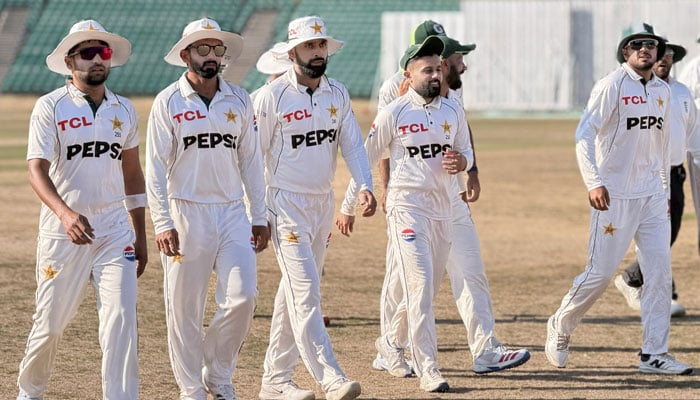
    BECKENHAM: Pakistan produced a strong second-half turnaround on Saturday, defeating the Professional County Club Select XI by seven wickets in their three-day practice match at the Kent County Cricket Ground. Chasing 262 runs for victory on the final day, Pakistan made the target look comfortable, reaching 265-3 in just 57.1 overs. The result provided an encouraging boost for the visitors ahead of their three-match Test series against England. The star of Pakistan’s successful chase was Saud Shakeel, who delivered a composed unbeaten century. Coming in at No. 3 after opener Azan Awais was dismissed for just one, Saud took control of the innings and finished with 100 not out from 147 balls, hitting 10 fours and three sixes. He found an ideal partner in Imam-ul-Haq, with the experienced opener producing an attacking 80 from 88 deliveries. Imam struck 13 boundaries and combined with Saud for a crucial 127-run partnership, effectively taking the game away from the hosts. Mohammad Rizwan added a useful 33, while Awais Zafar remained unbeaten on 30 to complete the chase. Earlier, the PCC Select XI resumed their second innings at 128-3, holding a 195-run lead. Pakistan’s bowlers, however, quickly turned the pressure into wickets. The hosts managed only 66 additional runs before being dismissed for 194. Falconer top-scored with 56, while Saif Zaib and Manny Lumsden contributed 24 each. Spinner Ali Usman was Pakistan’s standout bowler, finishing with an impressive five wickets for 42 runs. Ubaid Shah claimed two wickets for just nine runs, while Salman Ali Agha, Sajid Khan and Mohammad Ali took one apiece. The comeback victory comes at an important moment for Pakistan. With their first Test against England scheduled to begin in Leeds on August 19, the performances of Saud, Imam and the bowling attack offer Pakistan plenty of confidence. After struggling earlier in the match, Pakistan finished strongly — exactly the kind of response they will hope to carry into the Test series. Brief Scores Pakistan beat PCC Select XI by seven wickets PCC Select XI: 305 (S. Zaib 65, M. Fisher 62*, C. Falconer 59, T. Haines 51; M. Ali 3-23, M. Abbas 3-37) & 194 (C. Falconer 56, J. Rew 40; A. Usman 5-42, U. Shah 2-9) Pakistan: 238 (A. Shafique 61; S. Bashir 4-76) & 264-3 (S. Shakeel 100*, I. ul-Haq 80 retired not out) Result: Pakistan won by 7 wickets.

  • | |

    Justice delayed for 40 years is injustice, says Mu…

    Prominent religious scholar Mufti Muneeb-ur-Rehman has called for urgent reforms in Pakistan’s justice and economic systems, saying that a legal framework that fails to deliver justice for decades cannot be considered fair. Addressing a gathering in Karachi on Tuesday, Mufti Muneeb said prolonged court cases lasting 40 years amount to injustice and place an enormous burden on ordinary citizens. He stressed that timely justice is essential for social stability and public trust in institutions. The scholar also urged those in power to focus on resolving Pakistan’s domestic challenges. He said leaders often discuss global issues, but greater attention should be given to pressing national matters, particularly economic concerns affecting millions of people. Referring to the energy sector, Mufti Muneeb called for a solution to issues related to Independent Power Producers (IPPs), which have frequently been debated in Pakistan due to their impact on electricity costs and the national economy. He further highlighted the country’s financial difficulties, saying that after payments related to provincial allocations and debt obligations, limited resources remain for development and public welfare. Speaking at the same event, Maulana Bashir Farooqi expressed concern over the continuation of the interest-based banking system. He said there was a need for serious efforts to move toward alternative financial models and added that his organization was prepared to help train employees of conventional banks if reforms were introduced. The remarks come amid ongoing debates in Pakistan over judicial reforms, economic challenges and proposals for changes in the financial system.

  • | |

    Rain fails to dampen Khalistan referendum turnout …

    INDIANAPOLIS: A large number of members of the Sikh community participated in a Khalistan referendum held in Indianapolis, Indiana, despite rainy weather, as organizers called for the creation of an independent Sikh state. The event was organized by Sikhs for Justice, with participants travelling from different cities and states across the United States. Organizers said voting continued despite the rain, with women and children also among those attending. Polling was scheduled to remain open until 6pm, after which organizers were expected to announce the final turnout. Pro-Khalistan slogans were raised during the event, while some participants also expressed support for Kashmir’s independence. Ghazala Habib, chairperson of Friends of Kashmir, addressed the gathering and said she was the only non-Sikh speaker to speak from the stage. Vikramjit Singh, a representative associated with the Khalistan Referendum Campaign, said the initiative was launched in 2020 but faced disruptions because of the COVID-19 pandemic. He said the first voting event under the campaign was held in London on October 31, 2021, attracting thousands of Sikh participants. According to Singh, subsequent voting events were organized in countries including the United Kingdom, Australia, Switzerland, Italy and Canada. He said Canada hosted three events in Toronto, two in Vancouver and another in Calgary, while the United States has held voting in San Francisco, Los Angeles, Washington, DC and now Indianapolis. Singh claimed that nearly two million Sikhs worldwide had participated in the campaign so far. However, the figure could not be independently verified. He accused the Indian government of committing historical injustices against Sikhs, citing the 1984 attack that damaged the Akal Takht and subsequent violence against the Sikh community, as well as what he described as the exploitation of Punjab’s economic resources. Singh said supporters of the movement wanted to pursue their demand through peaceful and democratic means. He called for a formal referendum in Punjab whose outcome, according to him, would have legal and political effect for all parties. Organizers said details of the Indianapolis vote and the next stage of the campaign would be announced after polling concludes. The campaign is expected to hold another referendum in Canada on October 18, although the specific city has not yet been confirmed.

  • |

    TTP-linked suspect arrested in Karachi joint operation, weapons and explosives recovered

    KARACHI: Pakistan Rangers (Sindh), in coordination with the Counter Terrorism Department (CTD), have arrested a suspected militant allegedly affiliated with the Tehreek-e-Taliban Pakistan (TTP) during an intelligence-based operation in Karachi, according to the Rangers spokesperson. The security agencies also recovered weapons and explosives from the suspect, who was allegedly involved in collecting funds for a TTP-linked faction and transferring money to its leadership, the spokesperson said on Sunday. The suspect was identified as Shahzad alias Dunger and was taken into custody during a joint operation conducted in the Jacob Lines area of Jamshed Town. Suspect allegedly joined TTP-linked group in 2025 According to the Rangers, Shahzad became associated with the Mansoor group of the TTP in 2025 after allegedly being influenced by the group’s leader, Mansoor. Investigators believe that the suspect was subsequently assigned the task of generating financial resources for the organisation in Karachi. The Rangers spokesperson said Shahzad allegedly approached individuals in the Manghopir area and persuaded them to make regular monthly payments to the militant group. The collected funds were then allegedly transferred to Waziristan through Easypaisa accounts provided by Din Muhammad, an alleged associate of Mansoor who was based in Tank. During interrogation, Shahzad reportedly told investigators that the money was ultimately transferred to Mansoor and used to support the group’s militant activities. Alleged meetings with militant leader The Rangers said the suspect had travelled to Waziristan several times and held clandestine meetings with Mansoor. According to the investigation, Shahzad allegedly met Mansoor in Birmal in June 2026, where he was instructed to expand and strengthen the group’s network in Karachi. The alleged objectives included carrying out terrorist activities and raising money through extortion, the Rangers said. Following the meeting, Mansoor allegedly arranged for weapons and explosives to be delivered to Shahzad through another unidentified associate. Security officials said the recovered material was allegedly intended for use in planned attacks against sensitive installations and locations in Karachi. Raids launched to trace other suspects The Rangers said further investigations were underway and raids were being conducted at different locations to identify and arrest other members of the suspected network. The operation comes amid continued efforts by law-enforcement and security agencies to disrupt militant financing, recruitment and operational networks in Karachi. Officials have increasingly focused on financial channels used by militant organisations, as investigators seek to prevent funds from reaching groups involved in terrorism. Karachi has witnessed several major security incidents The latest arrest comes against the backdrop of a series of major terrorist and militant attacks in Karachi in recent years. On June 28, security forces foiled an attempted attack on a Pakistan Rangers (Sindh) camp in the city. Three Rangers personnel were killed and four others were injured in the incident. According to the military’s media wing, the assault was carried out by militants described as “Khwarij belonging to Indian proxy, Jamaat-ul-Ahrar”. The attackers reportedly detonated an explosive at the main gate of the Rangers camp before attempting to penetrate the security perimeter. Security personnel resisted the assault, killing three attackers and capturing another militant in an injured condition. The captured suspect was identified as an Afghan national. The incident was described as one of the most serious attacks targeting security personnel in Karachi in recent years. Previous attacks raised security concerns Karachi has experienced several significant security incidents over the past few years, highlighting the continuing challenges faced by law-enforcement agencies in the country’s largest city. In April 2022, a suicide bombing outside Karachi University’s Confucius Institute killed several people, including Chinese nationals. The attack was claimed by the Baloch Liberation Army (BLA). In February 2023, militants launched an assault on the Karachi Police Office, leading to a prolonged security operation before the attackers were neutralised. Another major incident occurred in October 2024, when a bombing near Karachi Airport targeted a convoy and killed several people, including Chinese engineers. The incident further intensified concerns over the security of foreign nationals and critical infrastructure in the city. Against this backdrop, security agencies have continued intelligence-based operations aimed at dismantling militant networks before they can carry out attacks.

Leave a Reply

Your email address will not be published. Required fields are marked *