govt raises education
| |

Govt raises education bar for LG polls, sets 14 ye…

ISLAMABAD: The government has introduced minimum educational qualifications for candidates contesting local government elections, setting a 14-year education requirement for chairmen and 12 years for councillors.

According to a notification issued by the Ministry of Local Government & Rural Development, candidates seeking to contest for chairman must have at least 14 years of education, equivalent to a BA/BSc degree, while councillor candidates must possess a minimum of 12 years of education, equivalent to FA/FSc.

The notification, dated 20 August 2026, requires candidates to submit attested copies of their educational certificates or degrees along with their nomination papers as proof of eligibility.

It further states that candidates providing false information or concealing facts may have their candidature rejected at any stage, while legal action may also be initiated against them.

Officials and sources familiar with the development described the decision as a significant move toward promoting merit, transparency and greater participation of educated youth in local politics.

Supporters of the measure said it could help reduce the influence of dynastic politics, feudal interests and nepotism by creating greater opportunities for candidates from ordinary households.

The initiative is also being viewed as an attempt to encourage educated young people to enter public service and play a greater role in local governance and community development.

The Local Government Department, Islamabad issued the notification on 18 August 2026.

Similar Posts

  • | |

    Makkah pact hailed as boost for regional peace and…

    LAHORE: Senior journalists, defence analysts and experts have described the Makkah Joint Defence Pact between Pakistan, Saudi Arabia and Türkiye as a significant step towards strengthening regional peace, collective security and strategic cooperation. The views were expressed during a panel discussion titled “Makkah Pact: Peace, Security and Stability,” organised by the Press Information Department (PID) Lahore. PID Lahore Director General Shafqat Abbas said the agreement was not directed against any particular country but was intended to strengthen peace, stability, mutual confidence and collective security. He stressed that dialogue, diplomacy and cooperation should remain the preferred means of resolving regional disputes. He said Pakistan, Saudi Arabia and Türkiye brought different strengths and experiences to the partnership, creating opportunities for closer cooperation in defence, diplomacy, economics and strategic affairs. According to him, modern national power extended beyond military strength and depended equally on a strong economy, quality education, scientific advancement, technology, skilled human resources and effective diplomacy. Shafqat Abbas called for greater efforts to convert Pakistan’s defence capabilities and achievements into economic opportunities through investment in education, research, technology, skills development and exports. He said a combination of strong defence and economic stability could enable Pakistan to play a more influential role internationally. Senior journalist and analyst Mujeebur Rehman Shami highlighted Pakistan’s achievements in defence, diplomacy and foreign relations since independence. He praised Pakistani diplomats for enhancing the country’s international standing despite limited resources and stressed the urgent need to improve education, technical skills, research and scientific development. He also called for higher exports, improved productivity and stronger economic policies, saying that Pakistan’s defence successes should ultimately contribute to broader economic progress. Senior journalist Salman Ghani said the pact combined the unique strengths of its three members, describing Pakistan as a country with significant defence capabilities, Saudi Arabia as a major economic power and Türkiye as an important player in defence technology and military production. He said the partnership could open new avenues for investment, economic cooperation and regional stability. Defence analyst Colonel (retd) Abid said Pakistan’s political and military leadership had played an important role in developing the agreement. He noted that the pact carried implications beyond defence and could influence regional diplomacy, economic relations and strategic cooperation. Former Vice Chancellor of Home Economics University Dr Faleha Afzal said the agreement had further demonstrated Pakistan’s potential role in promoting peace and stability and expressed hope that other Muslim countries would eventually participate in similar cooperative initiatives. Columnist Malik Salman stressed the importance of mutual trust and collective security among Muslim countries, while urging Pakistan to maintain a balance between defence preparedness and economic development. Government College University Lahore Urdu literature professor Dr Farzana Riaz said the pact could create new opportunities for unity and cooperation among Muslim countries and encourage joint efforts to address shared regional challenges. Journalist Noorullah said the agreement could contribute to greater peace and stability in the region, but stressed the need for a comprehensive strategy to convert Pakistan’s strategic and defence strengths into tangible economic and diplomatic gains. The participants agreed that closer cooperation among Pakistan, Saudi Arabia and Türkiye could have wider implications for regional peace, defence coordination, diplomacy and economic development. They called on Muslim countries to overcome differences, focus on common interests and pursue peace, development and collective security through dialogue and coordinated efforts. Concluding the session, Shafqat Abbas thanked the participants and said discussions of this nature were important for increasing public understanding of major national and international developments and encouraging informed debate.

  • | | |

    Indian cargo ship sinks after suspected attack nea…

    An Indian cargo ship sank in the Red Sea after suffering severe damage in a suspected maritime attack near Yemen’s western coast. The incident, which reportedly involved an explosive-laden boat or unidentified projectile, caused a powerful explosion and fire aboard the vessel before it eventually went down despite rescue efforts. According to international media reports, the cargo ship sustained extensive damage following the blast. Several crew members were injured during the incident, but no fatalities have been reported. The crew immediately initiated emergency procedures and alerted nearby maritime authorities, who responded with rescue operations. Authorities attempted to secure and tow the damaged vessel to a safe location. However, the ship’s condition deteriorated, and it eventually sank in the Red Sea. Medical assistance was provided to injured crew members, while rescue teams ensured the safe evacuation of everyone on board. India’s Ministry of External Affairs stated that the vessel was struck by an unidentified projectile, confirming that the cargo ship later sank. The ministry added that all crew members were safely rescued and no loss of life occurred. As of now, no group has officially claimed responsibility for the attack. However, the incident comes amid heightened security concerns in the Red Sea, where commercial shipping has faced repeated threats in recent months. Several previous attacks on merchant vessels in the region have been claimed by the Iran-backed Houthi movement, although no evidence has yet linked this specific incident to any particular group. The Red Sea has become one of the world’s most sensitive maritime routes due to ongoing regional tensions. Commercial vessels transiting the area have encountered increased security risks, prompting many shipping companies to strengthen safety measures or alter their routes. Recent months have also seen warnings and threats against ships passing through the Bab el-Mandeb Strait, a strategic waterway connecting the Red Sea with the Gulf of Aden. Disruptions in this corridor can have significant consequences for global trade, particularly the transportation of oil, gas, and other essential commodities. The Red Sea and Bab el-Mandeb Strait rank among the world’s busiest shipping lanes, serving as critical links between Europe, Asia, and the Middle East. Any disruption in these waters can affect international supply chains, increase shipping costs, and impact global energy markets. Investigations into the cause of the attack are expected to continue as maritime authorities gather evidence. Meanwhile, shipping companies and governments are closely monitoring the security situation in the region to ensure the safety of commercial vessels and international trade routes.

  • Israeli man deported from Koh Samui under Thailand’s new deportation rules

    KOH SAMUI, Thailand – An Israeli man convicted last month of making threats against the owners of a zoo on Koh Samui has become the first foreigner ordered out of Thailand under new regulations governing the deportation of individuals deemed a threat to public order. Prime Minister Anutin Charnvirakul, acting in his capacity as interior […]

  • | |

    Maduro set for new US court hearing in trafficking…

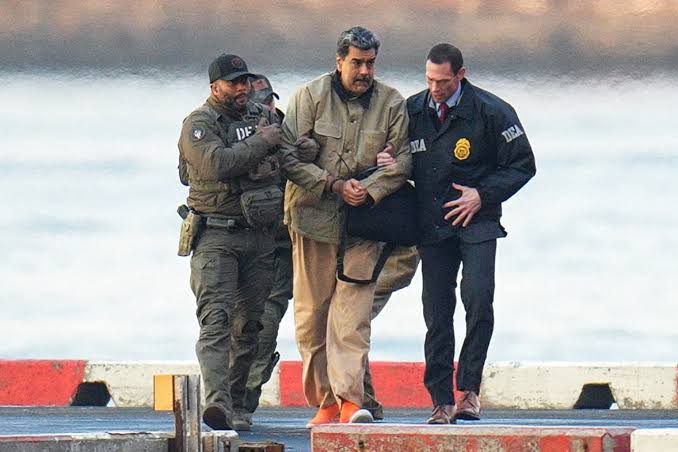
    Venezuela’s ousted President Nicolas Maduro and his wife Cilia Flores are scheduled to appear back in a US courtroom Wednesday for a hearing focused on the upcoming schedule in their drug trafficking case, including discussion of a possible trial start date in June 2027. The hearing before US District Judge Alvin Hellerstein is set to begin at noon Eastern time in Manhattan federal court and could offer insight into the next steps in what has become one of the most high profile and consequential criminal cases in recent US history. Lawyers for both sides indicated in a filing that Maduro’s first round of legal motions seeking to have the case dismissed would come due on September 2. Those motions are expected to include an argument that Maduro should be immune from prosecution based on his position as head of a sovereign state. During Maduro’s first court appearance on January 5, his defense attorney Barry Pollack suggested the defense could also challenge the indictment by arguing that Maduro’s capture may not have been carried out legally. Maduro, a socialist leader who maintained an antagonistic relationship with Washington throughout his time leading Venezuela from 2013 until his capture, referred to himself as a prisoner of war during that January appearance. He has long accused the United States of seeking to remove him from power in order to gain greater influence over Venezuela’s substantial oil reserves. The United States describes Maduro as a corrupt dictator whose economic mismanagement led to Venezuela’s economic collapse, and accuses him of rigging reelection victories in 2018 and 2024. Washington stopped recognizing him as Venezuela’s legitimate president in 2019. Ahead of the January operation that led to his capture, the Justice Department’s Office of Legal Counsel issued an advisory opinion stating that it would be lawful for Trump to authorize the operation unilaterally, arguing it served an important national interest without rising to the level of a war requiring congressional approval. According to Tuesday’s filing, lawyers for both sides said Maduro could submit a second round of legal motions by January 11, 2027, following the prosecution’s handover of any classified evidence for defense review. Maduro last appeared in court on March 26 for a hearing concerning a US government restriction that barred Venezuela’s government from covering his legal fees. That dispute was resolved about a month later, when Washington agreed to adjust its financial sanctions on Venezuela to permit the government to pay those fees. Venezuela has been governed since Maduro’s capture by his former vice president, Delcy Rodriguez, who has cultivated closer ties with the Trump administration. Washington has eased sanctions on Venezuela’s oil sector, and foreign companies have expanded oil and gas operations within the country. The US military has also provided relief assistance following two earthquakes that struck Venezuela’s coast last month, killing more than 5,000 people. The case continues to unfold against the backdrop of a broader thaw in relations between Washington and Caracas under Rodriguez’s leadership, even as Maduro’s legal team prepares to mount a defense built partly around questions of sovereign immunity and the legality of the operation that led to his capture.

  • | |

    NSPP conducts 5th three-day directors’ training …

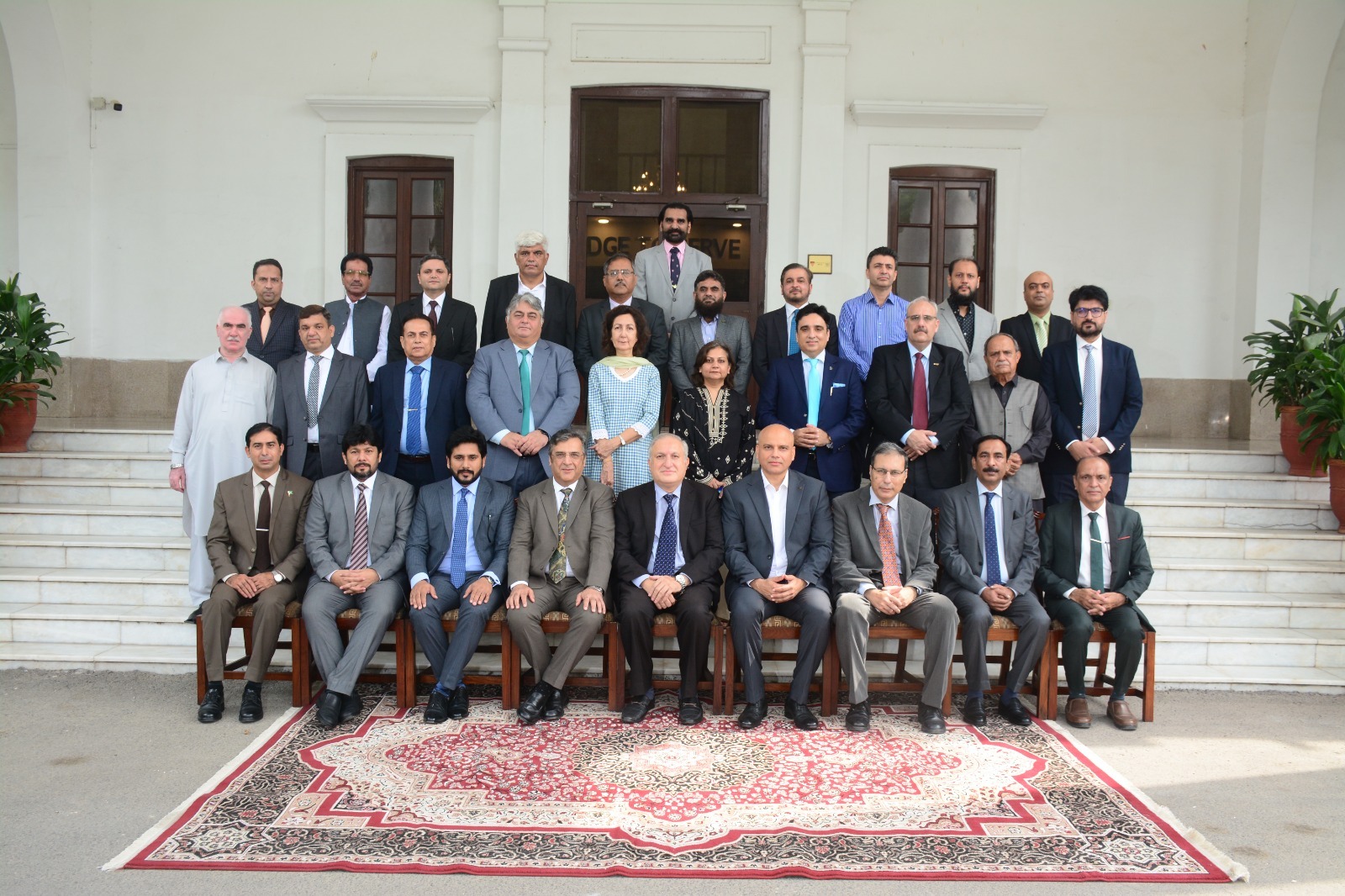
      LAHORE: The Executive Development Institute (EDI) of the National School of Public Policy (NSPP), Lahore, successfully conducted the fifth course of its three-day Directors’ Training Program (DTP) for State-Owned Enterprises (SOEs) from August 19 to 21, 2026. The training initiative was approved by the Securities and Exchange Commission of Pakistan (SECP) and focused on enhancing corporate governance, leadership and institutional performance within SOEs. A total of 21 participants from across Pakistan attended the program, representing federal and provincial governments as well as the private sector. Participants included officials and executives from the Ministry of Industries and Production, SECP, Pakistan Civil Aviation Authority, Pakistan Airports Authority, NESPAK, PASSCO, Northern Power Generation Company Limited, WAPDA, Water and Sanitation Services Company Haripur, Punjab Mineral Company, Punjab Police, Universal Service Fund, Pakistan Kidney and Liver Institute and Research Center, and Lahore Development Authority. Rector NSPP Mr. Farhan Aziz Khawaja welcomed the participants and highlighted the importance of strengthening corporate governance through quality professional training. He said the program aimed to establish a new benchmark in governance training with the support of SECP. He also emphasized the importance of transparency, accountability and responsible leadership in public-sector organizations. Dr. Naveed Elahi, Dean EDI, provided an overview of the training program and explained its focus on improving SOE governance and performance through effective leadership. He said the course addressed contemporary governance requirements, including directors’ legal responsibilities, board effectiveness, risk management and ethical decision-making. He encouraged participants to actively engage in case studies, simulations, discussions and networking opportunities throughout the training. The program featured a distinguished panel of guest speakers, including Mr. Abdul Rehman Warraich former SECP Commissioner; Dr. Ishrat Hussain, former Advisor to the Prime Minister; Mr. Kashif Ahmad Noor Military Accountant General; Mr. Farhan Aziz Khawaja, Rector NSPP/DG CSA; Dr. Irum Saba Director, IBA Karachi; Mr. Muhammad Anwar Sheikh retired Federal Additional Secretary, Finance Division; Mr. Mairaj A. Ariff, former Director General, NIPA Quetta; Dr. Kashif Zafar Dean-SST, UMT Lahore; Mr. Imtiaz Mahmood Company Secretary, SNGPL; Mr. Tariq Bajwa former Governor State Bank of Pakistan and Ex-SAPM on Finance; and Mr. Salman Amin Member, Competition Commission of Pakistan. The three-day course covered a wide range of topics, including principles of corporate governance, SOE reforms and legal frameworks, government stewardship, directors’ selection and performance evaluation, external and internal audits, audit committees, organizational culture, Islamic finance, financial risk governance, public service obligations, competitive neutrality, business planning, cybersecurity, digitization, reporting and disclosure, board composition and structure, as well as board simulations and case studies. During the closing session, Rector NSPP thanked the participants for their active participation and valuable contributions. He also appreciated the efforts of the Dean EDI and his team in successfully organizing the program. Participants showed keen interest throughout the course and actively participated in question-and-answer sessions. At the conclusion of the training, Rector NSPP, along with the Dean EDI, distributed certificates among the participants, formally marking the successful completion of the fifth Directors’ Training Program for State-Owned Enterprises.


  • | | |

    India behind anti-Pakistan propaganda network: Tar…

    ISLAMABAD: Federal Minister for Information and Broadcasting Attaullah Tarar has alleged that an entire network involved in spreading misleading propaganda and disinformation against Pakistan and Pakistani agencies has links to India. Speaking at a press conference in Islamabad, the minister said most of the content being circulated was related to the banned Action Committee in Kashmir. Tarar claimed that evidence of Indian funding for elements associated with the banned Action Committee was now in the public domain. He said numerous Indian social media accounts had emerged with evidence linking them to the campaign. According to the minister, posts shared through these accounts were aimed at provoking people against the state. He alleged that social media platforms were being used to promote groups involved in mob mobilisation and attempts to take the law into their own hands. The minister said efforts had been made to encourage such elements through social media. He alleged that the campaign was designed to create unrest and chaos in Kashmir. Tarar said Pakistan’s recent successes had not been acceptable to its adversaries. He said Pakistan had achieved gains not only on the military front but also on the diplomatic front. The information minister said the government would continue defending Pakistan’s national interests on every front. He stressed that efforts to spread disinformation and destabilise the country would not be allowed to undermine Pakistan’s interests. Tarar’s remarks came amid continued debate over social media campaigns and alleged foreign influence in Pakistan’s internal affairs. The minister urged the public to remain alert to misleading content and propaganda being circulated online.

Leave a Reply

Your email address will not be published. Required fields are marked *