Health benefits of eating papaya during monsoon

Health benefits of eating papaya during monsoon

By Tayyba Nazir


The monsoon season brings relief from the heat but it can also increase the risk of infections and digestive problems.


Health experts say that eating nutritious foods can help the body stay strong. Papaya is one fruit that can be a healthy addition to the diet during rainy weather.


Rich in vitamins fiber water and natural enzymes, papaya may support digestion immunity heart health and skin health.


Supports immunity and digestion

During the rainy season some people may become more likely to develop colds flu or other seasonal infections.


Papaya contains vitamins A and C which support the normal function of the immune system.


Papaya also contains an enzyme called papain which helps break down proteins and may support digestion.


Its fiber and water content can also help keep the digestive system working properly.


May help with constipation

Papaya is rich in fiber and water making it a useful fruit for people who struggle with constipation.


Eating enough fiber and drinking plenty of water can help support regular bowel movements.


What about dengue?

Dengue cases can increase during the monsoon because mosquitoes become more common.


Papaya leaves are

sometimes promoted as a way to increase platelet levels but there is not enough strong evidence to consider papaya or papaya leaves a treatment for dengue.


People with dengue should follow their doctor’s advice and should not rely on papaya as a replacement for proper medical care.


May support weight and heart health

Papaya is relatively low in calories and contains fiber which can help you feel full for longer.

This may make it a useful choice for people trying to maintain a healthy weight.


It also provides nutrients such as potassium and fiber that can support overall heart health as part of a balanced diet.


Good for skin and eyes

Papaya contains antioxidants and nutrients such as vitamins A and C which can support healthy skin.


Its antioxidants may also help protect cells from damage caused by free radicals.

The fruit also contains carotenoids such as beta-carotene lutein and zeaxanthin which are linked to eye health.


Eat It in Moderation

Papaya is a nutritious fruit and can be part of a healthy monsoon diet.


However no single food can prevent diseases or replace medical treatment. It is best to eat papaya as part of a balanced diet and consult a doctor before making major dietary changes if you have a medical condition.
Similar Posts

  • Danger signs your air conditioner needs repair

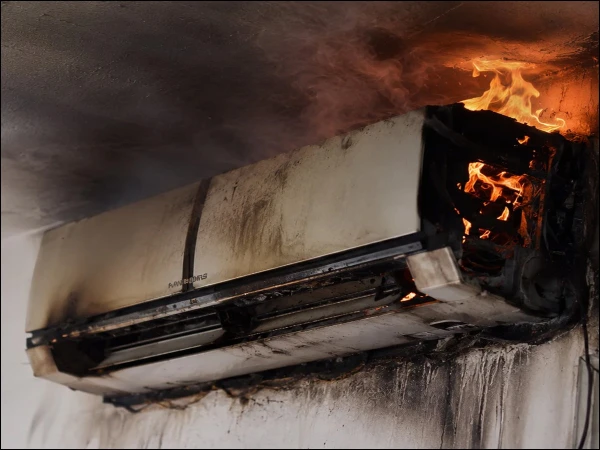
    As temperatures rise many people buy old or low cost air conditioners to save money. However experts warn that aging AC units can become dangerous if problems are ignored.  Small faults may turn into serious issues including electrical short circuits fires or costly damage. According to experts older air conditioners often develop worn out wiring damaged electrical parts faulty motors and overheating. These problems may seem minor at first but can become dangerous if they are not repaired in time. One of the biggest warning signs is a burning smell or the odor of melted plastic when the AC is switched on. Experts say this could mean the internal wiring motor or insulation has been damaged increasing the risk of fire.  If this happens turn off the unit immediately and have it checked by a qualified technician. Unusual sounds such as rattling grinding or loud noises are also signs that something is wrong. These noises may be caused by a loose part a damaged fan or a compressor problem.  Ignoring them could lead to a complete system failure. If the air conditioner becomes unusually hot while running it may indicate an electrical fault inside the unit.  Overheating can increase the risk of a short circuit or fire making immediate inspection and repair important. Experts also advise not to ignore weak cooling. Reduced cooling may be caused by low refrigerant a faulty compressor or a clogged air filter.  These issues usually mean the AC needs servicing or repairs. Another serious warning sign is seeing sparks near the voltage stabilizer or electrical wires. This may indicate loose connections or damaged wiring, which can quickly become a fire hazard if not fixed. Experts recommend turning off the air conditioner immediately if you notice any of these warning signs and contacting a qualified technician for a full inspection. Timely repairs can help prevent bigger damage and keep your home and family safe. They also advise that if an air conditioner keeps breaking down and needs frequent repairs replacing it with a newer safer and more energy efficient model may be a smarter and more cost effective choice.

  • How to remove shower head Limescale

    If the water coming from your shower has become weak or sprays unevenly limescale buildup inside the shower head could be the reason. Experts say a simple citric acid solution is one of the easiest and most effective ways to restore normal water flow. Limescale forms when minerals such as calcium and magnesium commonly found in hard water collect inside the tiny holes of the shower head. Over time these deposits reduce water pressure block the spray nozzles, and can shorten the life of the fixture. To clean it experts recommend mixing 2–3 tablespoons of citric acid with warm water. Remove the shower head if possible and soak it in the solution for 30 minutes to one hour. After soaking gently scrub the nozzles with an old toothbrush and rinse thoroughly with clean water. If the shower head cannot be removed pour the citric acid solution into a plastic bag and secure it around the shower head with a rubber band so the nozzles remain fully submerged. After soaking remove the bag scrub away any remaining deposits and rinse well. Experts say this method helps dissolve stubborn limescale improves water pressure restores an even spray pattern and can extend the lifespan of the shower head. To prevent future buildup clean your shower head at least once a month wipe it dry after use whenever possible and consider installing an anti-limescale or water softening filter if you live in an area with hard water. Regular maintenance can keep your shower working efficiently and reduce the need for costly replacements.

  • 6 Best ways to eat chia seeds

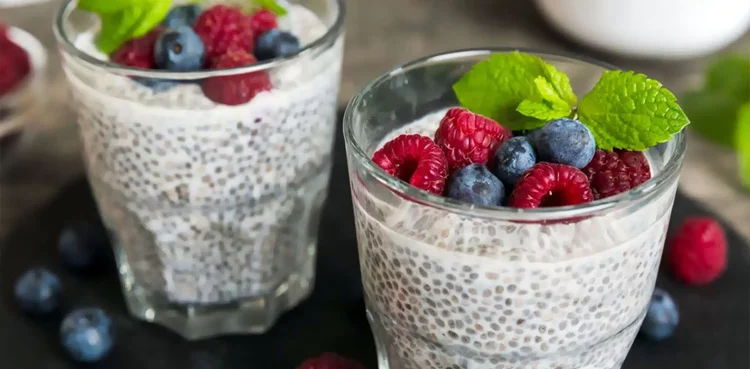
    Chia seeds are often called a superfood because they contain fiber, protein omega-3 fats and several important minerals. Adding them to your diet may support digestion heart health and healthy blood sugar levels. Nutrition experts say chia seeds can be a healthy addition to meals but they should be eaten correctly to avoid possible problems. Why are chia seeds good for you? Chia seeds contain soluble fiber, plant-based omega-3 ALA, protein and antioxidants.  They also provide minerals such as calcium magnesium and phosphorus which are important for normal body functions. About 28 grams or around two tablespoons, of chia seeds can provide roughly 9–10 grams of fiber making them an easy way to increase your daily fiber intake. Never eat dry chia seeds alone One important safety tip is to avoid swallowing dry chia seeds by themselves. Chia seeds can absorb a large amount of liquid and may expand several times their original size. If swallowed dry they could become stuck in the throat or cause a blockage in the digestive tract. It is safer to mix them with enough liquid or add them to foods that contain moisture. Make chia pudding Mix chia seeds with milk or almond milk and leave them for a few hours or overnight.  The seeds absorb the liquid and develop a soft pudding like texture. This is an easy and tasty way to enjoy chia seeds while making them easier to eat. Add them to smoothies Chia seeds can be blended with fruits vegetables or other smoothie ingredients. They add extra fiber and can make the drink thicker and more filling. Make a “Chia Egg” Chia seeds can also be used as an egg substitute in some recipes. Mix one tablespoon of chia seeds with about three tablespoons of water and let the mixture turn into a gel.  It can then be used as a binder in foods such as muffins, pancakes and bread. Add them to oatmeal Sprinkle chia seeds into hot oatmeal or overnight oats. The liquid in the oats helps soften the seeds while adding extra fiber and nutrients to your breakfast.  Mix them with yogurt Adding chia seeds to yogurt is another simple option. The moisture from the yogurt helps soften the seeds while the combination provides fiber and other nutrients. Use them as a topping You can sprinkle chia seeds over foods such as oatmeal yogurt smoothies or other hot and cold dishes. However make sure you consume them with enough liquid rather than eating a large amount of dry seeds on their own. Chia seeds are not the only source of Omega-3 Chia seeds are a good plant based source of ALA omega-3. However, the body does not convert ALA into EPA and DHA as efficiently as it gets them from marine sources. Therefore chia seeds can be part of a healthy diet but they should not be considered the only source of omega-3 fats. The bottom line Chia seeds can be an easy way to add fiber protein and healthy fats to your diet. The safest approach is to soak them or mix them into moist foods rather than swallowing them dry.

  • Heart stents save Lives not heart disease

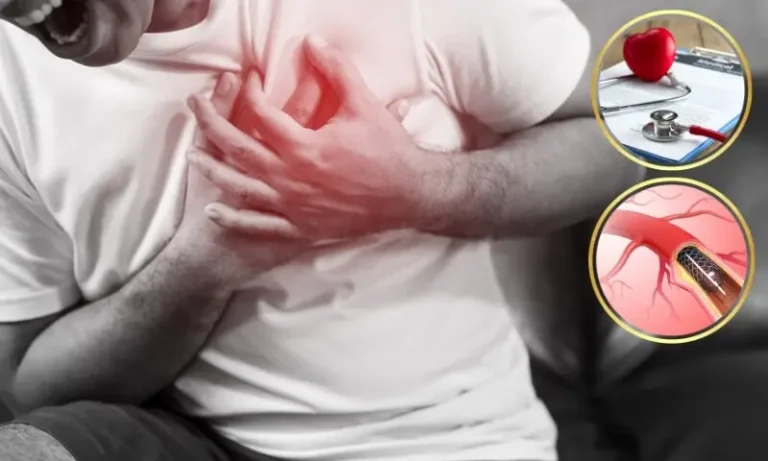
    For many people getting a heart stent is a life saving procedure.  During angioplasty doctors place a small metal stent inside a blocked artery to restore blood flow to the heart. This helps reduce chest pain and in many cases can save a person’s life during a heart attack. However heart specialists say that a stent is not a cure for heart disease. A stent only opens the artery that is already blocked. It does not stop the disease that causes fatty deposits known as plaque to build up inside the arteries. If a person does not manage the risk factors new blockages can develop over time. Doctors explain that a stent works like a small support tube that keeps the artery open so blood can flow more easily. But it cannot prevent cholesterol and other harmful substances from collecting in other parts of the blood vessels. If someone continues to smoke has uncontrolled diabetes high cholesterol unhealthy eating habits or does not take prescribed medicines regularly the risk of future heart problems remains high. Heart experts compare the arteries to the water pipes in a house. Even if one blocked section is repaired the rest of the pipes can still become clogged if the main problem is not fixed. Modern drug coated stents are very effective but they do not remove every risk. In some patients scar tissue may grow inside the stent causing the artery to narrow again. This condition is called restenosis. Although it is less common with today’s stents it can still happen. Another serious but rare complication is stent thrombosis where a blood clot forms inside the stent. This can lead to a heart attack and may become life threatening.  Doctors say the risk increases if patients stop taking blood thinning medicines without medical advice. Heart disease is a long term condition that can continue to progress. Even if the treated artery stays open plaque can build up in other arteries increasing the chance of another heart attack. Experts say patients can greatly reduce these risks by following their treatment plan. This includes taking all prescribed medicines especially blood thinners and cholesterol-lowering drugs exactly as directed. Lifestyle changes are just as important. Quitting smoking eating a healthy diet exercising regularly after getting a doctor’s approval maintaining a healthy weight and controlling diabetes blood pressure and cholesterol can all help protect the heart. Regular medical checkups are also important to detect any new problems early. Doctors advise seeking immediate medical care if you experience chest pain or pressure shortness of breath heavy sweating dizziness fainting pain spreading to the arm jaw or back or unusual tiredness after having a stent. Early treatment can prevent serious complications and save lives. While a heart stent is an important treatment that can restore blood flow and save lives it should not be seen as a permanent cure. Long term heart health depends on taking medicines regularly living a healthy lifestyle and paying attention to any warning signs.

  • Closer of petrol pump in badar

    I want to draw the attention of the concerned authorities to the closure of the petrol pump in Badar. The people of the area are facing many difficulties because of its closure. Badar is an important place where many people stop to get fuel for their vehicles. Due to the closure of the petrol pump, drivers have to travel a long distance to buy petrol or diesel. This causes inconvenience and wastes both time and money. I request the concerned authorities to take immediate action and reopen the petrol pump. This will greatly help the local people and travellers. I hope the authorities will solve this problem as soon as possible.

  • Hair dye after Cancer treatment

    For many cancer survivors seeing their hair grow back is more than a cosmetic change. It is a sign of recovery and a return to normal life. As new hair appears many people want to cover gray hair or try a new color. However health experts say it is important not to rush into using hair dye. Chemotherapy and radiation are designed to destroy fast growing cancer cells but they also affect healthy hair follicles. This is why many patients lose their hair during treatment. When hair grows back it is often thinner softer, drier and more sensitive than before. The scalp may also remain delicate for several months. Doctors warn that using permanent hair dye too soon after treatment can irritate the scalp cause allergic reactions and damage new hair. It may also slow healthy hair growth while the scalp is still healing. Several studies have looked at the possible risks of hair dye. A large study by the US National Institute of Environmental Health Sciences involving more than 46,000 women found that frequent use of permanent hair dye and chemical hair straighteners was linked to a slightly higher risk of certain types of breast cancer. Another long term study by the Harvard T.H. Chan School of Public Health, which followed more than 117,000 women over 36 years found that hair dye did not increase the risk of most cancers. However long term use of permanent dyes was linked to a small increase in the risk of some types of breast skin and ovarian cancers. Experts advise cancer survivors to carefully read the ingredients before buying any hair dye. Chemicals such as PPD (para-phenylenediamine), ammonia, hydrogen peroxide parabens, and phthalates may be harmful to sensitive skin and newly grown hair. Most doctors recommend waiting at least six months after completing chemotherapy before using permanent hair dye. This gives the scalp and hair enough time to recover. Patients who had scalp cooling or radiation to the head should only use hair dye after getting approval from their doctor. During the first six months after treatment experts suggest avoiding chemical hair dyes and keeping the scalp well moisturized.  Even after six months patients should speak with their oncologist before coloring their hair. Safer options include pure henna or natural herbal dyes that do not contain added chemicals. Ammonia free and peroxide-free semi permanent dyes may also be suitable.  Temporary root powders and color mascaras are another option because they wash out with shampoo. Experts also recommend doing a patch test 48 hours before using any hair color to check for allergies or skin irritation. Whenever possible choose coloring methods that reduce direct contact between the dye and the scalp. Doctors say that caring for your hair again after cancer treatment is an important step in recovery. However taking a careful approach choosing safer products and speaking with your doctor first can help protect your hair and scalp while they continue to heal.

Leave a Reply

Your email address will not be published. Required fields are marked *