translation reconstructs global
|

How translation reconstructs global literature

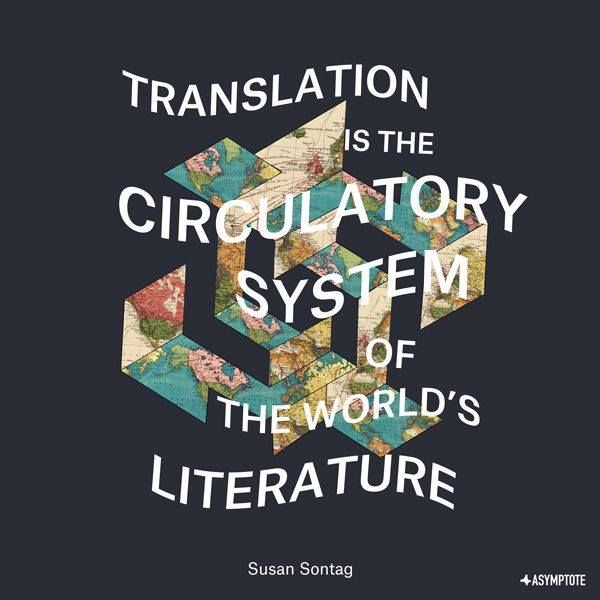
For generations, the international publishing world operated around a narrow geographic axis. Books written in dominant English-speaking hubs dominated bookstore displays worldwide. Stories crafted in regional languages across Asia, Africa, South America, and Eastern Europe struggled to secure international distribution. When works were translated, the process was often viewed as a purely mechanical service. A utilitarian act of converting words from one dictionary to another. Today, a seismic cultural shift is redefining global literature. Translation is finally recognized as a sophisticated, creative art form that acts as the lifeblood of global storytelling.

Recent publishing trends and prestigious accolades, such as the International Booker Prize, highlight this remarkable transformation. In 2026, the prize made history by awarding its top honor to Taiwan Travelogue by Yáng Shuāng-zǐ, brilliantly translated from Taiwanese Mandarin into English by Lin King. This historic win marking the first time a Taiwanese Mandarin work secured the award highlighted a broader reality. Global audiences are hungrier than ever for diverse, culturally distinct narratives. Over the past decade, sales of translated fiction have surged dramatically, proving that readers no longer seek comfort solely in familiar local settings.

At the center of this movement is a fundamental re-evaluation of the translator’s role. Far from being invisible ghostwriters, translators are cultural ambassadors and literary artists in their own right. Translating a novel is rarely a matter of word-for-word substitution. Every language carries unique rhythms, idioms, historical baggage, and untranslatable social nuances. When a translator approaches a text, they must reconstruct its tone, preserve its emotional core, and decide how to navigate cultural concepts that have no direct equivalent in the target language. They rewrite the story from the inside out, ensuring it resonates authentically with a brand-new audience without stripping away its original soul.

This evolving respect for translation has sparked important industry changes, such as the widely supported movement to print translators’ names directly on book covers alongside the author’s. Independent publishers are leading the charge, taking bold risks on works translated from lesser-represented languages, including Kannada, Taiwanese, Bulgarian, and Arabic. Digital distribution platforms have further accelerated this trend, allowing indie books to cross oceans instantly.

Ultimately, translation is what prevents global literature from becoming an echo chamber. It dismantles geographical gatekeeping, fosters empathy across political divides, and allows readers to step directly into the lived experiences of people half a world away. The delicate craft of translation and the global literary community ensure that stories are no longer limited to by borders of the language in which they were born.

 

Similar Posts

  • Forgotten memories may not be gone

    New research suggests that some memories that seem to be forgotten may not completely disappear from the brain.  Instead they may remain stored in a quiet state and can sometimes return when a person receives the right reminder or is placed in a familiar environment. Scientists studied fruit flies and found that memories could become active again when the flies were placed in an environment similar to the one where the memory was first formed. This suggests that some memories may not be erased with time. They may simply become harder for the brain to access. Human memory is a very complex system. Some memories become weaker over time while others may suddenly return after seeing a familiar place, smelling a certain scent or noticing another related signal. However researchers still do not fully understand why the brain sometimes creates false memories along with real ones.  Understanding how the brain brings back true memories and creates inaccurate ones remains an important question for scientists. The findings could  help researchers better understand how memories are stored in the brain and how different surroundings or reminders can help bring forgotten memories back.

  • | |

    What happens to your body if you drink soft drinks…

    Soft drinks have become a regular part of modern lifestyles, with many people enjoying them during meals, celebrations, and social gatherings. While these sugary beverages are refreshing and widely available, health experts warn that drinking them every day can have serious consequences for overall well-being. Regular consumption of soft drinks has been linked to several health problems, making it important to understand the risks and choose healthier alternatives whenever possible. One of the biggest concerns is the high sugar content found in most carbonated beverages. A single can of soft drink often contains a significant amount of added sugar and calories, which can contribute to weight gain over time. Consuming excess sugar regularly increases the risk of obesity, a condition that is closely associated with type 2 diabetes, high blood pressure, and heart disease. Soft drinks may also contribute to dehydration. Although they are liquids, many contain caffeine, which can have a mild diuretic effect in some individuals. Combined with high sugar levels, these beverages may not hydrate the body as effectively as water. As a result, people who rely heavily on soft drinks instead of water may experience headaches, fatigue, constipation, and reduced energy levels. Another area of concern is digestive health. Nutrition experts suggest that excessive intake of sugary and artificially sweetened drinks may affect the balance of beneficial bacteria in the gut. A disrupted gut microbiome can lead to digestive discomfort, increased appetite, changes in metabolism, and difficulty maintaining a healthy weight. Dental health is also at risk. The acids used in carbonated drinks can gradually wear away tooth enamel, making teeth more vulnerable to decay. At the same time, the high sugar content feeds harmful bacteria in the mouth, increasing the likelihood of cavities and gum problems. Drinking these beverages frequently throughout the day can significantly raise the risk of long-term dental damage. Research has also explored possible links between frequent consumption of sugary beverages and chronic illnesses. Studies suggest that high intake of sugar-sweetened drinks is associated with an increased risk of cardiovascular disease and type 2 diabetes. Some research has examined potential connections with certain types of cancer, but scientists continue to investigate these relationships, and more evidence is needed before firm conclusions can be drawn. Health professionals recommend limiting soft drink consumption and choosing healthier options such as water, fresh fruit-infused water, milk, buttermilk, or unsweetened natural juices. Making small dietary changes today can reduce long-term health risks and support a healthier lifestyle for years to come.

  • Hala fruit explained

    Have you ever seen a fruit that looks like a brain when it’s whole and a bursting planet when it’s opened? That’s the Hala fruit one of the world’s most unusual fruits. The Hala fruit grows in Southeast Asia eastern Australia the Pacific Islands and Hawaii. It is made up of many separate sections called keys or cones giving it a very unique appearance. The fruit comes from the Pandanus tree which includes more than 750 species. A Hala tree can grow up to 14 meters (46 feet) tall. Hala fruit has a sweet and pleasant taste. It can be eaten fresh added to different dishes for extra flavor and is also used in traditional medicine. People have traditionally used the fruit to help relieve headaches and constipation and it is believed to support a healthy immune system. It is also rich in vitamin C making it a nutritious tropical fruit. Growing Hala fruit is not easy. The tree is very sensitive to cold weather and thrives only in warm humid climates where temperatures stay above 18°C (64°F) throughout the year.

  • Microplastics linked to heart risk

    A new study has found that people who survived a heart attack had higher levels of tiny plastic particles known as microplastics and nanoplastics in their blood. The findings suggest that plastic pollution could be an overlooked risk factor for heart disease. Researchers from the University of Campania in Italy also discovered that smokers and people who are regularly exposed to air pollution had higher amounts of these plastic particles in their blood. The study published in the European Heart Journal found that 84% of heart attack patients had microplastics and nanoplastics in the arteries that supply blood to the heart. In comparison these particles were found in 40% of people with chronic ischemic heart disease and 32% of people with healthy coronary arteries. Experts explained that microplastics and nanoplastics are extremely small plastic particles released from everyday items such as plastic packaging clothing and other plastic products. Researchers said the study does not prove that these plastic particles directly cause heart attacks.  However the findings add to growing evidence that they may affect heart health and more research is needed to better understand their impact.

  • Pakistan: A Laboratory That Refuses to Learn

    By Ali Hiader Pakistan has gradually become a testing ground for government projects. Governments experiment with massive infrastructure projects costing billions, and when the results fall short of expectations, another project of the exact same nature is launched. The tragedy is that while other countries may well be learning from Pakistan’s experiments, we have completely failed to learn from them. Punjab’s public transport system serves as a clear example of this. Currently, there are three major metro bus projects operating in Lahore, Rawalpindi, and Multan, while two additional projects are under construction in Faisalabad and Gujranwala. The total length of the existing metro bus routes is approximately 70 kilometers, served by around 167 buses. In Lahore, a city with a population of nearly 20 million, only 66 buses operate along a 27-kilometer route; this indicates that a substantial amount of public funds have been allocated to cover only a limited area. It is also essential to consider the cost of these projects. Approximately 30 billion rupees were spent on the Lahore Metro Bus project, around 38 billion rupees on the Rawalpindi Metro Bus, and about 29 billion rupees on the Multan Metro Bus; thus, the total cost … is approximately 97 billion rupees. However, the matter does not end there. Subsequently, Lahore was gifted another major transport project—the Orange Line Metro Train—with a total cost of approximately 300 billion rupees. The issue is not that governments are making a mistake by investing in public transport; public transport is indispensable in expanding cities and can play a vital role in improving the mobility of ordinary citizens. The real question is whether a developing country like Pakistan can afford a transport system that requires the government to provide massive annual subsidies for its operation. According to reported figures, Punjab’s three Metro Bus projects collectively require an annual subsidy of approximately Rs 21 billion, while the Orange Line Metro Train also requires annual government financial support. This means that, even years after the initial construction costs were paid, taxpayers continue to bear the expenses of these projects. Meanwhile, passengers still face issues such as overcrowding, long wait times, and limited service capacity. The Punjab government’s new green electric bus project merits attention from a different reason. Chief Minister Maryam Nawaz’s administration has proposed a plan to deploy 5,000 electric buses across Punjab over five years at an estimated total cost of PKR 300 billion. While this cost is relatively lower than that of Lahore’s existing Metro Bus and Orange Line Train systems, the project offers the added advantage of not requiring heavy infrastructure—such as dedicated metro corridors or rail networks; existing roads and bus stops suffice, and operations are far more flexible than current public transport systems. A driver and a conductor are all that is needed to operate a bus. Most importantly, electric buses can provide public transport services to a vast population with relatively low infrastructure costs. In principle, this model is particularly well-suited to a province where millions of citizens still lack access to reliable public transport.However, Punjab has previously experimented with conventional bus-based public transport; projects like the Speedo service and BUSCO were launched in Lahore and its surrounding areas with similar objectives. The BUSCO project, in particular, ultimately became a prime example of how a public welfare system can shut down when governments fail to plan for the long-term management of public assets. Today, these buses lie in a state of ruin, whereas they could have been properly sold, relocated, or repurposed. This is precisely why the Green Bus project requires a different financial model. For developing countries like Pakistan, it is extremely difficult to sustain public amenities that rely on perpetual subsidies. Whenever the government faces a financial crisis or a shortage of funds, these buses will eventually end up as nothing more than wrecks. A transport system that cannot survive without billions of rupees in annual government aid is, at its core, a weak system. To ensure that the project runs effectively, it is essential to operate it on a “no-profit, no-loss” basis so that it remains sustainable for years to come. Fares should be structured so that, following the initial government investment, the system can at least cover its own operating, repair, and maintenance costs, as well as the expense of future bus replacements. While it is acceptable for the government not to make a profit, it must avoid creating a system that requires billions of rupees in annual subsidies merely to remain operational.At the same time, the number of buses must be sufficient for public transport to truly serve as an alternative to private vehicles. Currently, passengers face severe overcrowding, long waits, and uncomfortable journeys. If traveling by government bus means enduring extreme overcrowding, public transport cannot persuade people to leave their motorcycles and cars at home.Kasur serves as a prime example of this situation. The Kasur district, with a population of approximately 3.8 million, has received only 12 ‘Green Buses’ so far—buses that are smaller than those operating in Lahore. Yet, for a population of this size, the number of buses should have been far greater. If the government genuinely wants people to prioritize public transport, it must increase the fleet size to a level where passengers can travel in comfort and dignity, rather than having to grapple with one another just to secure a spot on a bus.Punjab now has the opportunity to learn from its past. Instead of viewing every public transport project merely as an occasion for inauguration or a publicity stunt, Maryam Nawaz should focus on its long-term sustainability. The true measure of a project’s success is not how impressive it looks on the day of its inauguration, but rather how effective, affordable, and financially sustainable it remains even ten or twenty years down the line.Punjab certainly needs better public transport. However, the province requires systems that prioritize sustainability, accessibility, and public convenience over political symbols. The government should undertake fewer projects that remain perpetually dependent on taxpayers’

  • Gustav Klimt’s “Lakeshore with Birches” (1901)

    Gustav Klimt’s Lakeshore with Birches (Seeufer mit Birken, 1901) presents a contemplative immersion into nature. This piece was painted during a crucial transitional moment in Klimt’s artistic development. It was completed when Klimt spent his summers away from the urban noise of Vienna at Lake Attersee. This work captures the quiet rhythm of the natural world, distilled through a distinctly modern visual sensitivity. What immediately distinguishes Lakeshore with Birches is its unorthodox composition. Rather than offering a traditional panorama with a distant horizon line, Klimt deliberately truncates the viewer’s field of vision. The composition is anchored by a singular birch trunk rising vertically near the center-right of the canvas. Klimt creates a radical sense of spatial compression by eliminating the sky. The landscape is flattened into a decorative field, where depth is suggested through subtle layering. A lush, wild embankment dotted with small yellow and purple wildflowers. The stark pale birch trunk with its rhythmic dark lenticels, acting as a structural mast. In the background, still water reflecting the dark foliage of the far shore. This croppings draws inspiration from both Japanese ukiyo-e woodblock prints and contemporary square-format photography. The canvas forces the viewer to engage with the textures and moods of the immediate environment. The atmosphere of the painting is dictated by a restrained palette. Dominated by muted moss greens, deep olive tones, and dark murky browns, the water acts as a mirror absorbing the weight of the forest shadows. Against this dark, reflective pool, the small specks of yellow buttercups and delicate purples along the grass introduce a subtle optical vibration. Klimt’s brushwork here bridges French Impressionist techniques and the emerging principles of Art Nouveau. The bank is rendered using tiny, stippled dabs of paint, creating a tapestry-like surface pattern. Up close, the reflections on the water resolve into abstract patches of blue, gray, and dark brown. The slender birch tree provides a crisp, pale contrast. Its bark painted with precise horizontal dashes that echo the linear motifs Klimt would later deploy in his famous Golden Phase. Beyond its formal qualities, Lakeshore with Birches radiates profound stillness. Free from human figures or dramatic narrative.  Turns nature into a psychological sanctuary. The solitary birch trunk stands almost like a quiet observer at the edge of the water. It seems like a subtle proxy for the solitary painter himself. During his summer retreats at the Attersee, Klimt used landscape painting as a palette cleanser, freeing himself from the contentious public commissions and psychological weight of his Viennese portraiture. In Lakeshore with Birches, he captures the fleeting light and quiet isolation of late summer. He converted a humble patch of lakeside grass and water into an intricate sanctuary of pattern and color. It remains a testament to Klimt’s unique ability to merge acute observation with abstract harmony.  

Leave a Reply

Your email address will not be published. Required fields are marked *