gen turned indias
| |

How Gen Z turned India’s NEET protests into a vi…

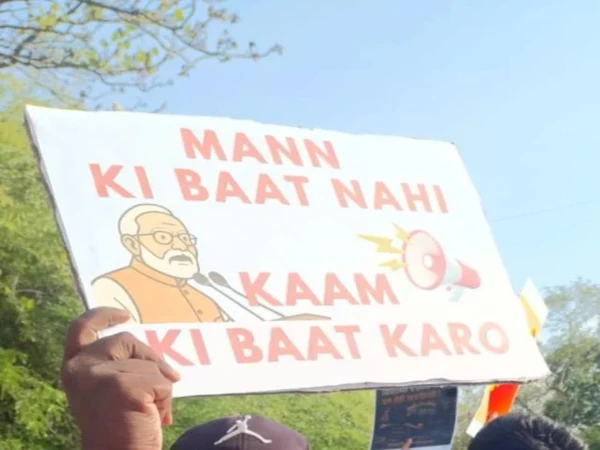
NEW DELHI: What began as a protest over alleged exam paper leaks in India has evolved into something far bigger—and far more digital. Instead of relying solely on slogans and marches, Generation Z is using memes, Instagram Reels, viral trends, and pop culture references to transform street demonstrations into a social media movement.

The demonstrations, centered around alleged irregularities in the NEET medical entrance examination and concerns over transparency in recruitment and education, have continued for weeks at New Delhi’s Jantar Mantar, where students are demanding accountability and reforms.

At the heart of the campaign is the Cockroach Janata Party (CJP), a youth-led movement that initially emerged after a sarcastic remark reportedly linked to India’s Chief Justice. What started as an online response quickly expanded into a broader campaign highlighting alleged examination leaks, recruitment irregularities, and calls for reforms in India’s education system.

Protesters are demanding the resignation of Education Minister Dharmendra Pradhan and a comprehensive overhaul of the country’s examination process, arguing that repeated controversies have undermined students’ trust in competitive exams.

Memes Become a Powerful Protest Tool

Unlike traditional demonstrations, Gen Z participants are blending activism with internet culture. Viral memes, trending audio clips, and humorous videos have become powerful tools for spreading their message beyond protest sites.

Rather than using conventional political messaging, young creators are adapting popular online formats to explain their frustrations in a way that resonates with millions of social media users.

The strategy has helped the movement gain significant attention on platforms such as Instagram, where short-form videos often reach audiences much larger than traditional news coverage.

‘Get Ready With Me’—For a Protest

One of the movement’s most recognizable trends is the adaptation of the viral “Get Ready With Me” (GRWM) format.

Normally associated with makeup tutorials or fashion content, the videos now begin with captions such as, “Get ready with me to join the NEET paper leak protest.”

Instead of cosmetics, creators show themselves preparing protest placards, packing water bottles, carrying first-aid kits, and heading to demonstration sites with friends.

The creative twist has struck a chord with young viewers, turning ordinary protest preparations into relatable and widely shared content.

Romance Trend Gets a Political Twist

Another viral internet format, “Who Said I Love You First?”, has also been reimagined.

Typically featuring playful romantic questions between couples, protesters have replaced the dialogue with sarcastic exchanges about exam leaks, government policies, and student frustrations.

The humorous approach allows serious concerns to be communicated through entertaining content, making the videos highly shareable while keeping attention focused on the movement’s demands.

Real Life Meets ‘Subway Surfers’

Perhaps the most eye-catching trend compares protesters running from police with the popular mobile game Subway Surfers.

Several Instagram Reels feature demonstrators moving through streets while the game’s iconic background music plays, creating a humorous parallel between the game’s endless chase sequences and real-life protest scenes.

For many young Indians who grew up playing the game, the comparison instantly resonated, helping the videos spread rapidly across social media.

Digital Activism Enters a New Era

Analysts say the movement highlights a broader shift in youth activism, where online engagement is becoming as influential as demonstrations on the ground. Memes, viral challenges, and short videos are no longer just entertainment—they have become tools for mobilizing support, shaping public conversations, and amplifying calls for change.

Whether these creative online campaigns translate into policy reforms remains uncertain. But one thing is clear: Gen Z has rewritten the rules of modern protest, proving that in the age of social media, a viral meme can sometimes carry as much impact as a protest banner.
Similar Posts

  • | |

    JPMC doctor seeks relief amid patient death contro…

    A senior doctor at Jinnah Postgraduate Medical Centre (JPMC) has asked to step down from her responsibilities amid controversy surrounding the death of a 65-year-old patient who was shifted from the hospital’s emergency department to the National Institute of Cardiovascular Diseases (NICVD) on July 28. Dr Sanobar Sikandar, JPMC’s only senior emergency medicine specialist, submitted a request to the hospital’s Executive Director seeking relief from her duties as an assistant professor of medicine. She cited mounting professional pressure, internal interference and what she described as an unhealthy working environment. Dr Sanobar said the hospital administration criticised her after asking her to explain the circumstances surrounding the patient’s death. She said the situation had made it increasingly difficult for her to continue managing her medical, teaching and administrative responsibilities effectively. In her application, she highlighted what she described as a lack of professional respect in the emergency department, political interference and inappropriate conduct by some junior doctors. She said these issues had caused her severe mental stress and made it difficult to continue working under the prevailing conditions. The Young Doctors Association (YDA) Sindh has backed Dr Sanobar and urged the JPMC administration to address the dispute immediately. YDA Sindh Chairman Dr Mehboob Noonari said Dr Sanobar is the hospital’s only FCPS assistant professor in emergency medicine. He noted that she also serves as faculty for the FCPS programme and supervises trainee doctors. Dr Noonari warned that her departure could seriously disrupt emergency medicine training at JPMC and may even put the FCPS programme at risk of closure. He also alleged that the administration was pressuring Dr Sanobar to protect the doctor who was in charge of the night shift when the incident occurred. He questioned why the night-shift in-charge was being shielded and demanded that hospital authorities clarify the matter. The YDA chairman further claimed that senior doctors had questioned Dr Sanobar over her decision to issue an explanation regarding the patient’s death, raising concerns about the handling of the case within the hospital.

  • | |

    Quetta connectivity outage disrupts routine life

    QUETTA: A sudden suspension of mobile phone and internet services has disrupted daily activities across Quetta, leaving residents struggling to communicate, conduct business and access essential online services. The connectivity shutdown affected a wide range of people, including students, healthcare professionals, traders, delivery workers and journalists. Many residents were unable to make calls, send messages or use internet-based services. Students were among those facing major difficulties. Those relying on online classes and digital learning platforms could not access study material or communicate with teachers and classmates. The disruption also affected students preparing assignments and completing other academic tasks online. The outage created problems for healthcare workers as well. Doctors, medical staff and patients often depend on mobile phones and internet services for communication. The interruption made it harder to coordinate with colleagues, contact patients and exchange important medical information. Businesses and traders also faced disruptions. Many shops and small businesses now depend on digital payments, online orders and messaging applications. The suspension affected their ability to communicate with customers and manage routine transactions. Delivery riders were particularly affected because they rely heavily on mobile applications and phone calls to receive orders, locate customers and coordinate deliveries. The loss of connectivity made these routine tasks considerably more difficult. The shutdown also created challenges for journalists reporting from Quetta. Reporters faced difficulties contacting sources, verifying information and sending updates from the field. The lack of reliable communication can slow down coverage, particularly when events are developing quickly. For ordinary residents, the disruption meant difficulty staying in touch with family members, friends and colleagues. People who depend on mobile services for work and other essential activities were forced to deal with additional inconvenience.

  • |

    Germany weighs tougher rules on sick leave

    BERLIN: Germany is considering tougher rules for workers taking sick leave, but researchers warn that stricter requirements may not address the deeper reasons behind the country’s high absenteeism. German employees took an average of around 22 sick days in 2024. The figure is among the highest reported internationally. The government’s proposed changes are part of a wider effort to improve productivity. Germany is dealing with an ageing population and years of weak economic growth. Under the proposed changes, employers could require workers to provide a medical certificate from the first day of absence. Telephone-based sick notes could also be scrapped. However, researchers say the debate should focus on why workers are becoming ill rather than simply making it harder to take sick leave. Healthcare, education and social services are among the sectors reporting the highest levels of absenteeism. Workers in these fields often face heavy workloads. They also deal with staff shortages, emotional pressure and difficult working conditions. BKK data shows that women working in healthcare and social work took an average of 27 sick days in 2024. Teachers recorded around 24 days. The figures were lower in several other sectors. Workers in finance averaged about 18 days, while employees in communications recorded around 16 days. Researchers say mental health is an important part of the problem. Mental health-related cases represent a relatively small share of total sickness cases. However, they often result in much longer absences. Data from AOK shows that sick-leave days linked to mental health problems have increased by 47% since 2014. Mental health conditions are now one of the biggest causes of prolonged absence after respiratory illnesses. Experts say burnout and exhaustion can develop without reaching the level of a diagnosed mental disorder. Healthcare workers and teachers are particularly exposed to these pressures. They carry significant responsibilities while dealing with emotional and sometimes physical challenges. Teachers have reported violence and aggressive behaviour in schools. A 2024 survey found that almost half had experienced psychological or physical violence among pupils at their schools. More than one-third also reported feeling emotionally exhausted several times a week. Nursing faces similar difficulties. Germany has a shortage of healthcare workers, but studies indicate that wage growth has remained limited in some hospitals and public institutions. Researchers describe the situation as an imbalance between effort and reward. Workers face high demands but may receive relatively low pay, limited career opportunities and insufficient recognition. Studies have linked such conditions to mental health problems and long-term sickness absence. However, experts caution against blaming Germany’s absenteeism solely on workplace stress. Sick leave is affected by many factors. These include the age of the workforce, working conditions, social attitudes and differences in healthcare systems. Germany also has generous sick-pay provisions. Workers can generally receive full wages during the initial period of illness. Several other European countries, however, report even higher levels of sick leave among full-time employees. Researchers have also found little evidence of widespread abuse of sick-note rules. A study by DAK and the IGES Institute found that the sharp rise in recorded absences in 2022 was largely linked to improved electronic reporting and unusually high levels of respiratory infections and Covid-19. Sick-leave levels have since stabilised. Researchers also found no clear evidence that telephone sick notes introduced during the pandemic caused the increase. The government’s proposal has faced opposition from labour representatives. The Verdi services union has described the plan as creating a culture of distrust towards employees. Doctors have also warned that tougher certification requirements could put additional pressure on already busy medical practices. The government has defended its approach. It says employers would have the option of requiring certificates from the first day of illness while allowing companies to retain existing arrangements. The debate is therefore moving beyond the question of whether German workers take too many sick days. Researchers argue that reducing absenteeism in the long term may require better staffing, improved working conditions, stronger career prospects and greater support for workers facing emotional pressure.

  • | |

    Father challenges medical report in Mir Raza case

    The mystery surrounding the death of young businessman Mir Raza Ali Khan remains unresolved as investigators continue to examine evidence, while the victim’s family insists he was murdered and has raised questions about the findings of the preliminary medical report. Mir Raza’s father, Hussain Raza, has rejected the possibility of suicide. He claimed his son was killed and alleged that attempts were being made to present the case as a suicide. He expressed concern over the medical report, saying it mentioned only the gunshot injury and did not describe what he believes were signs of physical violence on his son’s body. According to the father, Mir Raza had injuries on his face, hands and other parts of his body. He also claimed his son was shot from behind and questioned why the report did not include details of the alleged injuries. He further asked investigators to explain what happened during the period between his son’s disappearance on July 28 and the recovery of his body the following day. He said Mir Raza had spoken to his sister before leaving home and appeared to be in good spirits. The taxi driver who transported him also reportedly told investigators that Mir Raza seemed relaxed and was listening to music during the journey. The family has appealed to senior authorities for a transparent and impartial investigation. The investigation has made further progress with the recovery of another CCTV recording showing Mir Raza’s movements before his death. The footage reportedly captures him taking his mobile phone out of his pocket and throwing it away. Investigators are conducting forensic and technical analysis of the video to determine its significance. Police said the preliminary medical examination found that Mir Raza died from a gunshot wound to the chest. However, the firearm used in the incident and the spent bullet casing have not yet been recovered, leaving investigators without key physical evidence. As part of the ongoing investigation, police are also looking into Mir Raza’s financial dealings. Initial inquiries suggest he had borrowed money from several individuals. Authorities are preparing a list of those people and are questioning them to determine whether any financial dispute may have contributed to the incident. Investigators have so far included 12 individuals in the inquiry and recorded statements from 15 people connected to the case. Earlier CCTV footage showed Mir Raza leaving his shop in Bahadurabad during the early hours after taking a security guard’s pistol from a drawer. He later returned home, where he left behind his car, smartwatch, house keys and Rs39,000 before booking an online taxi. Further footage showed him traveling alone to Gulistan-e-Jauhar. Investigators believe he switched off his mobile phone near Johar Mor before reaching Block 2, where he was last traced.

  • | | |

    PM to decide fate of refinery upgrade policy

    Prime Minister Shehbaz Sharif is expected to address key issues facing Pakistan’s refinery sector today. The Cabinet Committee on Energy (CCoE) will review proposed changes to the Brownfield Refinery Policy.The policy was approved in 2023. It aims to encourage investment in the modernisation of existing refineries. The proposed changes could affect billions of dollars in planned refinery investments.The main dispute is over deemed duty protection. The government has proposed reducing it from 7.5 per cent to 5 per cent. Refinery companies have opposed the proposed cut. They say it could weaken the financial benefits offered under the policy.The industry also disputes the government’s position on delays in signing Upgrade Agreements. Officials say refineries failed to sign the agreements within the required period.Refinery representatives reject the claim. They say they had already accepted the draft agreements in 2024. According to industry officials, the companies were waiting for the government to arrange the formal signing process.They say the industry repeatedly contacted the Petroleum Division and other authorities to complete the process. The companies argue that the delay was caused by administrative issues on the government side.They therefore believe the incentives should not be reduced because of delays beyond their control. Deemed duty protection is a key part of the refinery upgrade package.The incentive is designed to encourage companies to invest in modernisation. The planned upgrades are aimed at increasing production of Euro-V compliant fuels.They are also expected to reduce furnace oil production. The projects could help improve Pakistan’s overall fuel mix.The refining sector has also faced additional financial pressure from changes in the tax system. The Finance Act 2024 moved several petroleum products from the zero-rated sales tax regime to the exempt category.The change affected the ability of refineries to adjust input sales tax. It also increased their unrecoverable tax costs.The Petroleum Division has acknowledged that the tax changes affected the financial viability of refinery upgrade projects. Officials said the prime minister is expected to review the major issues that have delayed the implementation of the policy since August 2023.The Petroleum Division has proposed limited amendments to make the policy operational. It has also recommended a committee to finalise the Upgrade Agreement.The committee would include senior officials from the Petroleum Division, Law Division and OGRA. A representative of the Special Investment Facilitation Council would also be included.OGRA, however, has reservations about signing the agreements. OGRA Chairman Masroor Khan has argued that the regulator should focus on its regulatory role.He believes OGRA should not become a party to commercial agreements. The refinery industry is now hoping for a decision that removes the remaining hurdles.Companies want the government to maintain the existing incentive structure. They say policy consistency is important for attracting investment.They also warn that changes to agreed incentives could discourage investors. A clear decision by the CCoE could help restart delayed refinery upgrade projects.The decision could also influence Pakistan’s fuel supply and long-term energy security.

  • Thailand’s Songkran Festival Named World’s Liveliest Festival

    BANGKOK — Thailand’s Songkran festival has been officially named the world’s liveliest festival, a recognition that government officials say reflects the global appeal of the traditional Thai New Year celebrations and their unique blend of cultural heritage and contemporary joy. US Secretary of State Marco Rubio Sends Songkran Greetings to Thailand Government spokeswoman Rachada Dhnadirek […]

Leave a Reply

Your email address will not be published. Required fields are marked *