youth affairs launch

KP youth affairs launch Digital Skills Training Programme for tribal youth

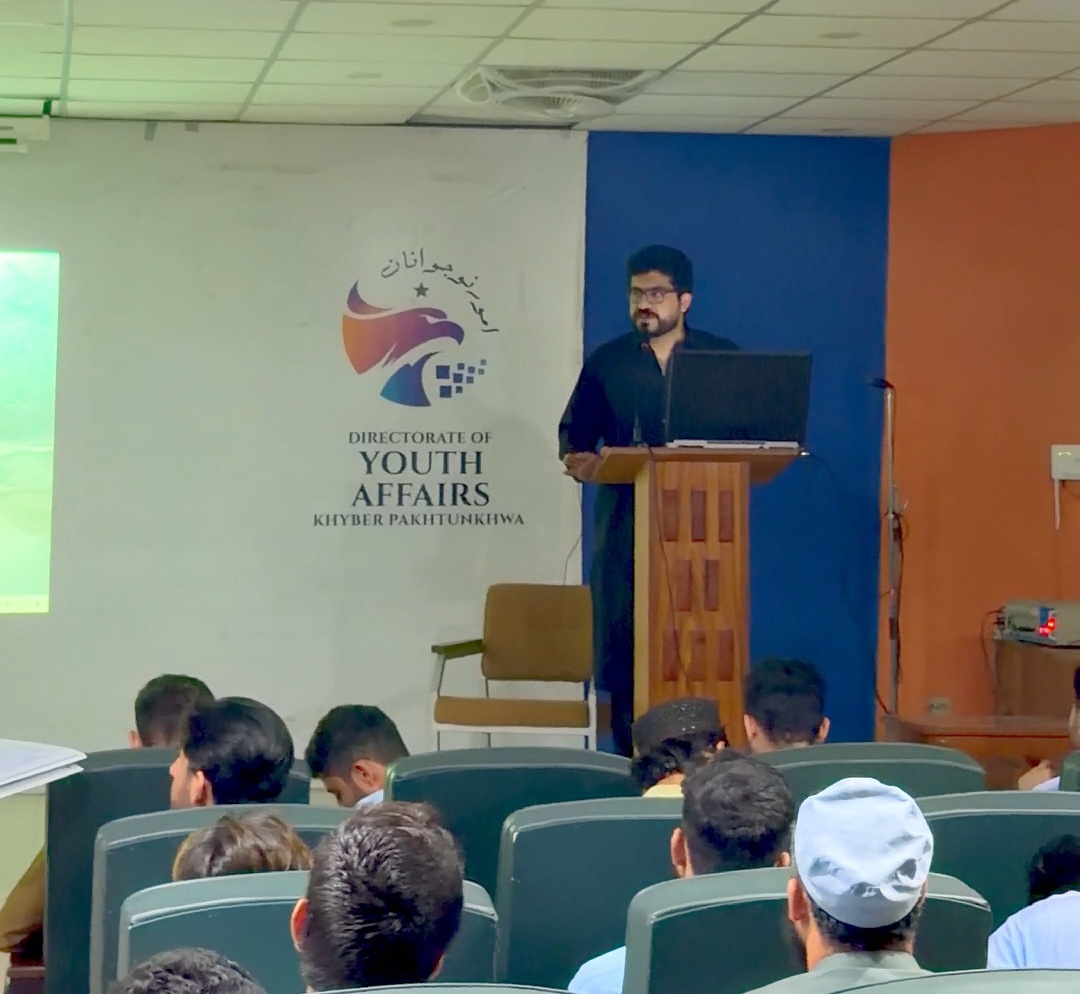
PESHAWAR: The Directorate of Youth Affairs, Government of Khyber Pakhtunkhwa, in collaboration with TTSK, has launched a one-week Digital Skills Training Programme for youth from the Tribal Districts (Ex-FATA) to equip them with in-demand digital competencies and improve their employment prospects.

The training programme provides practical instruction in Artificial Intelligence (AI), Graphic Designing, and Video Editing, enabling participants to develop market-oriented skills, strengthen their creativity, and explore opportunities in freelancing, entrepreneurship, and the digital economy.

Director Youth Affairs Khyber Pakhtunkhwa Abbas Khan Afridi said the initiative reflects the provincial government’s commitment to investing in the potential of young people and preparing them for the evolving demands of the digital age.

“Our objective is to ensure that the youth of the Tribal Districts have access to modern skills that can help them secure sustainable livelihoods and compete in national and international markets. Digital empowerment is essential for building a prosperous and self-reliant generation,” he said.

He said the Directorate of Youth Affairs would continue collaborating with partner organisations to expand access to quality training programmes and create meaningful opportunities for youth across Khyber Pakhtunkhwa.

The Directorate said the programme forms part of its ongoing efforts to promote innovation, digital literacy, and skills development, enabling young people to play a greater role in the province’s economic and social development.

Similar Posts

  • | |

    KP unveils massive 1.4m-tree plantation drive

    The Khyber-Pakhtunkhwa government has set an ambitious target of planting 1.4 million saplings in a single day as part of its Independence Day celebrations. K-P Information and Public Relations Minister Shafi Jan said the large-scale plantation drive would be conducted across the province on August 14. He described the initiative as a major step towards expanding green cover and promoting environmental protection. The minister said extensive plantation activities would be carried out across a large area in Speen Khak, with teams taking part in the campaign to meet the record target. Shafi Jan, in his Independence Day message, said August 14 was a historic occasion that reminded the nation of the sacrifices made during the Pakistan Movement. He paid tribute to the leaders who struggled for the creation of Pakistan and those who sacrificed their lives for the country. He urged citizens to renew their commitment to building a stronger, stable, prosperous and sovereign Pakistan. According to him, national development requires collective responsibility, discipline and a continued commitment to the country’s future. The minister also highlighted the role of young people in national development. He said the younger generation should follow the ideals of Allama Iqbal and contribute towards making Pakistan more self-reliant and progressive. The provincial government has introduced a digital monitoring mechanism to improve transparency in the plantation campaign. The Ehsaas Shajarkari Web Portal will be used to identify suitable plantation locations through GPS technology. The portal will also help authorities monitor plantation activities and maintain a consolidated record of the saplings planted during the campaign. Officials will be able to track plantation sites and assess progress through the digital system. Shafi Jan said the initiative was being undertaken under the direction of K-P Chief Minister Sohail Afridi. He expressed confidence that the province would achieve its target and establish a significant plantation milestone on Independence Day.

  • | |

    Injection marks found on woman who died at Lahore …

    Medical board sources have revealed that injection marks were found on the arm and wrist of one of the two women who died at Township Police Station in Lahore. According to sources, around three and a half hours passed between the time the women were brought to the police station and their deaths. The sources said there was no significant difference in the post-mortem reports of the two women. The exact cause of death, however, has not yet been established. Police sources said the two women were not searched after being brought to the police station. They added that no female police personnel were present when the women were brought to the station. According to sources, both women were brought to the police station following a call made to emergency helpline 15. They reportedly remained seated near the station’s muharrir for around two hours. The muharrir was preparing to send the women to the female lock-up when the situation changed, sources said. Police officials said a case had been registered and the women were subsequently handed over to the investigation wing. They were reportedly being prepared for transfer to jail when both women collapsed. Sources further said there was no CCTV camera installed in the room of the investigation wing where the women were present. Police said female officers assigned to the station were deployed on duty at Data Darbar at the time. Officials maintained that women are searched before being placed in the female lock-up. Meanwhile, medical experts have suggested that the women may have died after consuming or being given a poisonous substance. Experts said the actual cause of death can be determined through forensic examination of samples collected during the investigation. The deaths have raised questions about the circumstances in which the women died while in police custody. Authorities are expected to rely on forensic evidence, post-mortem findings and other available evidence to establish the exact cause of death.

  • | |

    PM Shehbaz arrives in Madinah, visits Masjid-e-Nab…

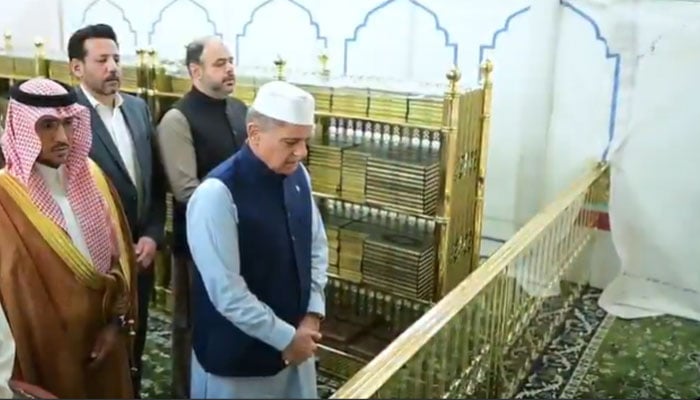
    Prime Minister Shehbaz Sharif has arrived in Madinah during his visit to Saudi Arabia and paid his respects at Masjid-e-Nabawi ﷺ. The prime minister was accompanied by members of his delegation during his visit to the holy mosque. Prime Minister Shehbaz offered Nafl prayers at Riyaz-ul-Jannah. He also prayed for the peace, progress and prosperity of Pakistan and the well-being of its people. During his visit, the prime minister also had the honour of visiting Roza-e-Rasool ﷺ. He offered prayers and paid his respects at the sacred site. The visit to Madinah is part of Prime Minister Shehbaz Sharif’s ongoing engagement with Saudi Arabia. His visit also reflects the close and longstanding ties between Pakistan and the Kingdom of Saudi Arabia. The prime minister’s presence at Masjid-e-Nabawi ﷺ was marked by prayers for the country’s stability, development and prosperity. He also prayed for the safety and well-being of the Pakistani nation. Earlier, Prime Minister Shehbaz Sharif has described the signing of the Makkah Agreement for Joint Defence between Pakistan, Saudi Arabia and Türkiye as a historic step towards strengthening peace, security and regional stability. In a post on X, the prime minister said he had the honour of signing the agreement alongside Saudi Crown Prince and Prime Minister Mohammed bin Salman and Turkish President Recep Tayyip Erdogan.

  • | |

    Oil tankers call off immediate strike as petroleum…

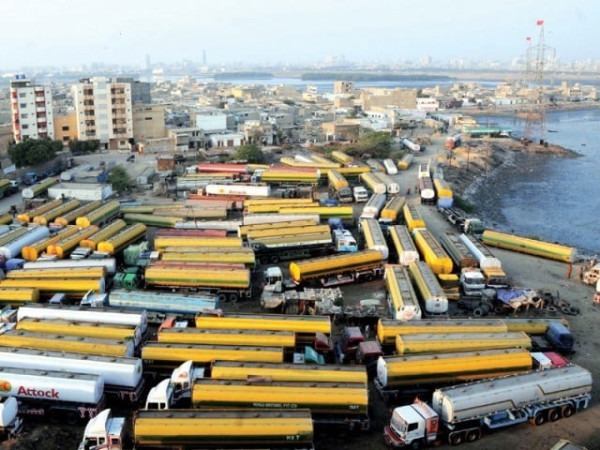
    A potential nationwide disruption to fuel transportation has been temporarily put on hold after Pakistan’s Petroleum Minister agreed to meet representatives of the Oil Tankers Contractors Association following the group’s 72-hour ultimatum. The meeting is scheduled for Monday, July 27, where both sides are expected to discuss the association’s long-standing demands and explore ways to prevent a countrywide strike. During a joint press conference, leaders of the Pakistan Oil Tankers and Contractors Association said they had repeatedly raised their concerns with the authorities over the past year and a half. They stated that if the government accepts their demands, they will formally announce the decision. However, if negotiations fail, they will unveil their next course of action, which could include a nationwide suspension of oil tanker operations. The association is demanding an immediate end to commercial loading practices and an increase in transportation rates. According to the representatives, oil tanker freight charges have remained unchanged for the past three years despite a sharp rise in operating expenses. They also pointed out that motorway and National Highway Authority (NHA) toll taxes have increased by nearly 180 percent during the same period, making current transport rates financially unsustainable. Association leaders further alleged that despite months of negotiations and official correspondence, the Oil and Gas Regulatory Authority (OGRA) and the Petroleum Division failed to address their concerns, leaving them with no option but to threaten industrial action. The outcome of Monday’s meeting is expected to determine whether the dispute is resolved through dialogue or escalates into a nationwide strike that could affect fuel transportation and supply across the country.

  • | |

    Pakistan, Iran reaffirm goal to boost bilateral tr…

    ISLAMABAD: Pakistan and Iran have reaffirmed their commitment to expanding bilateral trade to $10 billion, underscoring their determination to strengthen economic cooperation and deepen commercial ties. The pledge was made during the 10th session of the Pakistan-Iran Joint Trade Committee, where representatives from both countries reviewed trade relations and explored measures to enhance economic collaboration. Addressing the meeting, Pakistan’s Federal Minister for Commerce, Jam Kamal Khan, said the longstanding brotherly relationship between Pakistan and Iran should now be transformed into a robust economic partnership. He emphasized the importance of finalizing the proposed Pakistan-Iran Free Trade Agreement, saying it would open new opportunities for businesses and significantly increase trade between the two neighboring countries. The minister stressed the need to remove barriers affecting cross-border logistics, customs procedures, and cargo transportation to ensure smoother and more efficient trade flows. He also highlighted the potential of establishing joint border markets and implementing an electronic data interchange system to facilitate commerce and improve connectivity. Jam Kamal Khan noted that the private sectors of both countries are ready to expand trade and investment, adding that it is the responsibility of governments to provide a stable, business-friendly, and predictable environment that encourages commercial activity. He expressed confidence that the outcomes of the Joint Trade Committee meeting would produce a practical roadmap for strengthening Pakistan-Iran economic relations and accelerating progress toward the shared trade target of $10 billion.

  • | | | |

    Why Lahore sinks whenever it rains in the city? 

    The rain on July 22 almost sank most parts of Defence Housing Authority. Those low-lying areas of the city were also under water. And this happened as the city was lashed with 343 millimetres of rain for two days, according to the Provincial Disaster Management Authority (PDMA). That spell has gone and when you are reading these lines, the city is undergoing a second rain spell. Pakistan’s Meteorological Department has issued a fresh weather advisory, warning that another active monsoon spell is expected from July 29 to August 5 across much of the country. The department said rain, wind and thundershowers, along with scattered heavy to very heavy rainfall, may trigger urban flooding, flash floods and landslides in vulnerable areas. This will keep the residents of low-lying areas, mainly of Lahore’s south, and DHA on the toe. Reacting to this advisory, environmental activist Rafay Alam explained why cities like Lahore keep flooding every monsoon season, and what is really behind the crisis. He said the Met Department had already notified that rain would continue for two days and people were warned in advance that urban flooding would take place, not just in Lahore, but in several cities across Punjab, including Gujranwala and Sialkot. He then pointed to last year’s floods for comparison. “Those floods were caused by heavy rains in the northern areas of the country, which caused rivers to swell,” he said. On top of that, India had released water from the Pong Dam and Bhakra Dam. He said a gate at the Madhopur headworks also broke, causing water levels in the Ravi river to rise sharply. Alam said the situation today is different. The flooding happening now is not caused by river floods or dam releases. Instead, it is simply due to heavy rainfall occurring within Pakistan itself. He said that if people read the Met Department’s advisory carefully, the heaviest rain in the coming days is expected in the northern areas once again, not directly over Lahore. He advised people to check whether they live in low lying or high lying areas, since this makes a big difference during heavy rain. However, he said that the real issue lies in the sheer intensity of rainfall being recorded now. “Some areas have received around 150 millimetres of rain within just a few hours,” he said. He added that 20 or 30 years ago, when the drainage systems and infrastructure in these areas were built, climate change was never part of the planning. Nobody at that time imagined that such intense rainfall could happen within just a few hours. As a result, the old infrastructure simply cannot handle the kind of rain Pakistan is now experiencing. Dr Farid A Malik, a resident of Defence Phase 5, witnessed the entire flood attack first hand. He said that when he was growing up in the 1950s, 1960s and 1970s, rainwater never used to stand in Lahore. At that time, he said, the city was much smaller and the population was far lower, yet even then, the city did not face standing water after rainfall the way it does today. “Whenever the rain would stop, we children used to go out on our bicycles looking for standing water, just for fun. And there were really only two places where water would collect. One was near Shahdara, and another was near the Do Moriya Pul area close to the railway station. That area of Shahdara was a low lying area,” he said. He recalled that in the 1970s, when Zulfiqar Ali Bhutto’s government came into power, and the People’s Party had a lot of support from that area of Lahore at the time, the government promised that they would install pumps in Shahdara and set up a proper system to drain the water out. And they actually did this. Heavy duty pumps were installed in Shahdara, and they used to successfully drain the water out. Dr Farid said the sewerage system Lahore has today simply cannot handle rainwater, because the amount of water that comes with heavy rain is very large, and the system does not have the capacity to handle that much water. He explained there are two separate problems here. First, the underground sewerage system is not cleaned properly. The pipes, whether four feet wide or six feet wide, have become clogged with scaling inside them over time. So even though a pipe might be four or six feet in diameter, the actual open space left for water to pass through has shrunk down to just one or two feet, meaning the whole system does not flow properly. Second, even if the sewerage system was clean, it still cannot handle rainwater on top of regular sewage. For this reason, Lahore used to have separate storm drains, called nalas in Urdu, which carried rainwater away separately into the Ravi river. Because of this separate system, rainwater never used to accumulate in the city. He said this has changed because storm drains have been blocked, either through neglect or construction on top of them. “An entire market has been built on top of a storm drain along Hall Road,” he said, adding that similar encroachment has happened along the Ravi river itself. Last year, water that should have gone into the river ended up flowing into housing societies instead. Dr Farid also pointed out that when Lahore had open drains instead of an underground sewerage system, the drainage actually worked better. Since the city moved underground, cleaning has become irregular, flow has suffered, and pumping stations work only some of the time. He said Lahore’s expansion added to the problem, since new areas were given sewerage systems but no proper storm drain network for rainwater. DHA, he said, expanded in phases over the years without any master plan covering how sewage and rainwater would both be managed. Speaking about his own neighbourhood, Dr Farid said there is a pumping station near the Sui Gas Society area of Defence that pumps sewage water

Leave a Reply

Your email address will not be published. Required fields are marked *