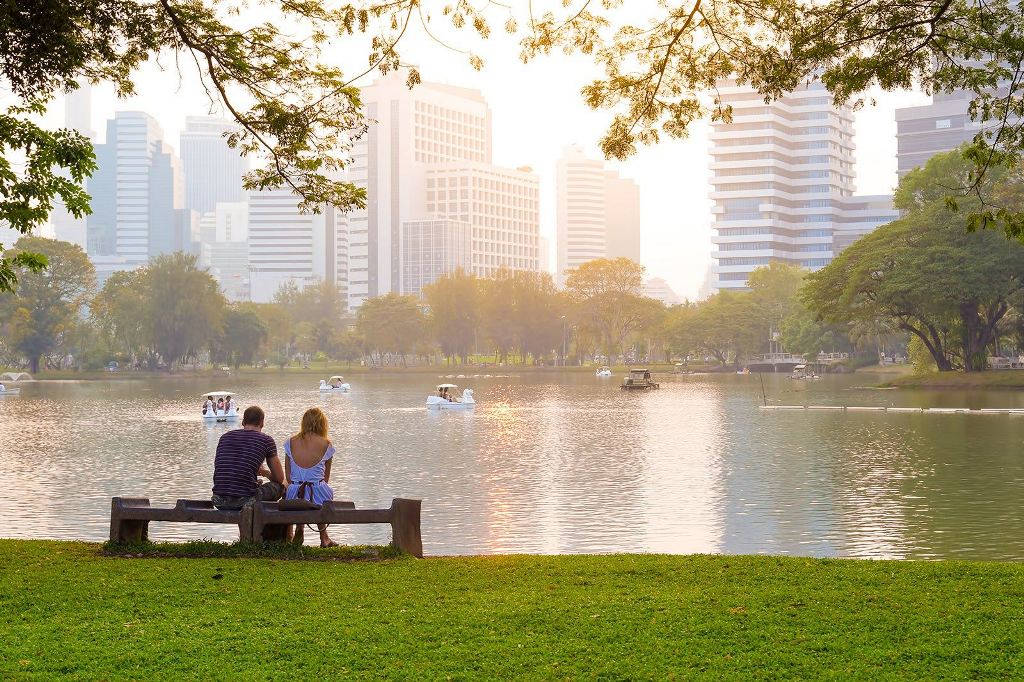
Lumpini Park: Bangkok’s Hidden Oasis for a Peaceful City Escape
Bangkok’s traffic, packed sidewalks, and towering buildings can make the city feel nonstop. Then you step into Lumpini Park, where shaded paths, open lawns, and a calm lake create a welcome break in the center of it all. Much like how Central Park serves as the green heart of New York, this expansive space offers a necessary sanctuary for those navigating the urban sprawl of Bangkok.
This green space offers much more than a quick photo stop, and best of all, there is free entrance for all visitors. You can watch locals exercise, walk beside the water, spot wildlife, and see how Bangkok residents use the park as part of their daily routines. Early mornings and late afternoons bring cooler air and a lively mix of runners, families, and older residents practicing tai chi.
As you explore, you will learn about the history of Lumpini Park, the best things to do, the animals and birds you may encounter, and the practical details that can make your visit easier. You will also find simple tips for enjoying the park respectfully, so start with how this central oasis became part of the city story.
Key Takeaways
- Urban Sanctuary: Located in the heart of the city near Silom and Pathum Wan, Lumpini Park offers 142 acres of green space that serves as a vital escape from Bangkok’s intense urban noise and traffic.
- Diverse Wildlife: The park is famous for its large water monitor lizards, though visitors can also spot a variety of turtles, birds, and fish thriving in the central lake and surrounding greenery.
- Local Culture: Beyond being a tourist stop, the park is a hub for daily life where residents gather for morning tai chi, evening exercise, and social outings, providing an authentic look at Bangkok’s community culture.
- Practical Accessibility: Open daily from 4:30 AM to 9:00 PM, the park is easily reached via the MRT and BTS systems, making it a convenient destination for a refreshing morning walk or an afternoon rest.

Why Lumpini Park Feels Like Bangkok’s Hidden Oasis
Lumpini Park sits at the center of Bangkok, surrounded by the busy neighborhoods of Silom and Pathum Wan. Skyscrapers, hotels, offices, shopping malls, and major roads are only minutes away, yet the park creates a clear break from the city’s constant movement.
The park isn’t truly hidden. Locals know it well, and its central location makes it easy to reach. Still, visitors who step away from Bangkok’s main tourist routes often find that Lumpini Park feels like a secret retreat tucked between the city’s busiest districts.
A Large Green Space in Central Bangkok
At about 142 acres, Lumpini Park acts as a vital green lung for the city, providing enough room for Bangkok to feel open and spacious. Wide lawns stretch beside a lake, while mature trees cover many of the walking paths. Their shade matters in a city where midday heat can make even a short walk tiring.
The park’s layout also helps soften the sounds of traffic. As you move farther from the entrances, car horns and buses fade behind trees and open grass. Water birds call from the lake, runners pass along the paths, and breezes move through the older branches overhead.
Open lawns give the park a relaxed, flexible character. People gather for exercise classes, family outings, informal meetings, and quiet breaks during the workday. You may see office workers walking during lunch, older residents practicing tai chi, or families settling beneath the trees in the late afternoon. The park is accessible to everyone, maintaining its status as a premier public park in the heart of the capital. Please note that the official operating hours are 4:30 AM to 9:00 PM daily.
Lumpini Park feels peaceful because it gives the city room to breathe without leaving the city behind.
A Public Park With a Long History
King Rama VI created the park during his reign, and it opened in the 1920s. He named it after Lumbini, the birthplace of Buddha in present-day Nepal. The name connects this urban green space with a place associated with peace, reflection, and Buddhist history.
Over time, Lumpini Park became part of everyday Bangkok life rather than a park used only for special occasions. Its lake, shaded paths, lawns, and gathering areas now belong to the city’s daily rhythm. The park hosts exercise, recreation, community events, and simple moments of rest.
You may see the name written as Lumpini Park or Lumphini Park. Both spellings refer to the same Bangkok destination. The spelling with an h more closely follows the Thai name, while Lumpini remains common in English travel writing and signage.
That blend of history, space, and ordinary local activity explains the park’s appeal. You can visit for a short walk, then return to Silom or Pathum Wan feeling as though you’ve spent time far beyond Bangkok’s crowded streets.

The Best Things to Do Inside Lumpini Park
Lumpini Park works well for several types of visits. You can spend a slow morning outdoors, take a short break between sightseeing stops, or stay for an active afternoon. The best experiences come from moving at an easy pace and noticing how residents use the park throughout the day.
Walk, Jog, or Cycle Along the Shaded Paths
Paved paths wind through the park, beside the lake and beneath mature trees. Some routes feel active, with runners and walkers passing regularly, while quieter sections offer a slower stroll away from the main entrances. The shade makes these paths more comfortable than Bangkok’s exposed sidewalks, especially before the midday heat builds.
Early morning is a good time for a relaxed walk or a bit of jogging. The air is cooler, the paths are less crowded, and local runners often complete several laps before work. If you prefer a gentle pace, follow the lake and stop at a bench whenever you want. Outdoor gym equipment along some routes also gives visitors a chance to stretch or add simple bodyweight exercises.
Bicycles may be available for rent, or cycling may be permitted only during certain hours. Rules can change, so check current signs at the entrances before riding. Stay on approved paths, slow down near pedestrians, and avoid cycling through crowded gathering areas.
Wear comfortable shoes with enough support for several laps. Bring water, use sunscreen, and plan longer walks for the morning or late afternoon. Weekday mornings can feel especially pleasant, while weekends and after-work hours often bring more runners, families, and exercise groups.
Enjoy the Artificial Lake, Boats, and Open Lawns
The artificial lake is one of the most restful places inside Lumpini Park. A paved route follows much of the shoreline, with benches, bridges, and open views toward Bangkok’s high-rise buildings. The contrast is striking, as city towers rise beyond the trees while the water stays calm in the foreground.
Paddle boats and swan boats may be available for rent, depending on current park operations and weather conditions. A short ride gives you a different view of the shoreline and the surrounding skyline. Check the rental area for operating details, safety rules, and any time limits before setting out.
You don’t need a scheduled activity to enjoy the lake. Bring a book, take photographs from one of the bridges, or watch birds near the water. The grassy areas also suit a quiet snack or a short rest beneath the trees, although visitors should avoid leaving food where animals can reach it.
Wildlife may approach visitors, but feeding animals can create health and safety problems. Keep snacks packed away, place litter in the available bins, and leave the grass and water’s edge clean for the next person. A little care keeps this popular part of the park pleasant for everyone.
Watch Bangkok’s Everyday Park Life
Lumpini Park offers a direct view of daily life in Bangkok. In the morning, groups may gather for Tai Chi or aerobics, while jogging clubs move around the paths. Older residents often meet for conversation, and families arrive later for fresh air and time together.
As evening approaches, the park becomes active again. Music, informal exercise, and social gatherings fill some areas, while other visitors sit under the trees after work. You may also see musicians practicing or performing, adding a local soundscape without turning the park into a formal attraction.
Visitors should watch organized activities from the edge rather than interrupting them. Ask before photographing people at close range, especially during group sessions. A respectful distance lets you enjoy the scene while allowing residents to use their regular meeting places comfortably.
For many travelers, this everyday activity is as rewarding as visiting Bangkok’s temples or shopping malls. The park shows how people exercise, socialize, and rest during ordinary city life. Sit for a while, observe the changing crowd, and let the experience unfold without rushing to the next stop.

Lumpini Park’s Monitor Lizards and Other Wildlife
Lumphini Park is famous for its large monitor lizards, but these fascinating reptiles are only one part of its diverse urban ecosystem. The lake, canals, trees, and grassy areas attract many species, giving visitors a chance to see unique Bangkok wildlife without leaving the city center.
Where to Spot Water Monitor Lizards
A water monitor is often seen near the lake, drainage channels, and smaller waterways. These monitor lizards may swim across the water, rest on muddy banks, or move through vegetation beside the paths. Some are surprisingly large, which explains why visitors often remember their first sighting.
These reptiles are famous because they thrive in a busy central park surrounded by roads and skyscrapers. Their presence shows how adaptable urban wildlife can be. Still, seeing one is never guaranteed. They may stay hidden in dense vegetation, move through less-used areas, or appear only briefly before disappearing into the water.
When you spot a monitor lizard, give it plenty of room. Never feed or touch it, and do not block its path to the water or nearby cover. Keep children close, hold pets on a short leash, and step aside if the animal approaches. Although these creatures usually avoid people, they are wild animals with strong tails, sharp claws, and powerful jaws.
Watch monitor lizards from a safe distance, and let them move through the park without interference.
Birds, Turtles, Fish, and Butterflies
The lake supports more than reptiles. Visitors may see turtles resting on logs or rocks, fish moving below the surface, and water birds searching along the shoreline. Depending on the season and time of day, you might also notice egrets, herons, cormorants, mynas, doves, and other common city birds.
Butterflies often appear around flowering plants and sunny patches beside the paths. Squirrels, frogs, geckos, and insects also share the park, although many are easier to hear than find. Early morning usually offers the best conditions for wildlife watching because the park is cooler and animals are more active.
Bring binoculars if you enjoy birdwatching, but you can also observe plenty with your phone camera. Move slowly, avoid sudden movements, and pause near the lake instead of chasing animals for a closer view.
Photograph Wildlife Responsibly
Keep a respectful distance when taking photographs, and use your camera’s zoom rather than approaching an animal. Never surround a monitor lizard, disturb a turtle, or use food to attract a better picture.
Feeding animals can make them dependent on people and encourage them to gather near busy paths. It can also spread disease, cause aggressive behavior, and expose visitors to bites or scratches. Store snacks securely, dispose of litter properly, and leave every creature to find its natural food.

How to Plan Your Visit to Lumpini Park
A little planning helps you enjoy Lumpini Park without rushing. Choose a comfortable time of day, check your route, and allow extra time because the park is larger than it first appears. A short visit may take 45 minutes, while a relaxed walk, lake stop, and wildlife viewing can fill two hours or more.
The Best Time to Visit for Cooler Weather and Fewer Crowds
Early morning is one of the best times to visit Lumpini Park. Temperatures are usually more comfortable, the light is softer for photography, and you may see local exercise groups gathering along the paths. Runners, walkers, and tai chi groups bring energy to the park without taking away from its peaceful atmosphere.
Late afternoon is another good choice. The heat begins to ease, the paths take on a more relaxed pace, and the lake can offer attractive sunset views between the trees and surrounding buildings. If you plan to watch wildlife, slower movement near the water can also improve your chances of spotting birds or monitor lizards.
Midday can feel intense, especially during Thailand’s hotter months. Direct sun makes the open lawns and paved paths harder to enjoy, so schedule your visit around the heat when possible. Weekends and public holidays may also bring more local families, exercise groups, and general activity. The atmosphere can be lively, but visitors seeking the quietest walk should consider a weekday morning.
Getting There by MRT, BTS, Taxi, or Walking
Lumpini Park is easy to reach from central Bangkok by public transportation. The MRT station options of Silom and Lumpini are both useful, although the best entrance depends on which side of the park you want to explore. Check a current map before leaving the station, then use the entrance closest to your planned route.
You can also take the BTS Skytrain to Sala Daeng station and continue on foot toward the park. This route connects conveniently with the MRT at Silom, making it practical when you are traveling from Sukhumvit, Siam, or another central neighborhood. For those interested in a longer scenic route, you can utilize the Green Bridge, an elevated walkway that connects the park to Benchakitti Park for an extended urban trek.
Taxis and ride-hailing services offer another option, especially when traveling with luggage or in a group. However, traffic around Silom and Ratchadamri can move slowly during busy periods. Public transportation may save time, but current conditions can change, so check a live map and transit updates before setting out.
What to Bring and What to Expect on Arrival
Pack light, but prepare for heat and walking. Useful items include:
- Drinking water and sunscreen
- Insect repellent and a hat
- Comfortable walking shoes
- A small towel if you plan to exercise
- A phone or map app for finding entrances and facilities
Lumpini Park is large, so finding a particular toilet, bench, lake viewpoint, or activity area may take longer than expected. Food and drinks may not be available beside every path, so bring water and plan a snack stop outside the park if needed.
Dress comfortably for the weather, while choosing respectful clothing if you will visit temples or other cultural sites afterward. Before your trip, confirm current opening hours, activity rules, bicycle policies, and event information through official Bangkok sources or signs at the park.

Simple Tips for a Better and More Respectful Park Visit
Lumpini Park is a shared public park where Bangkok residents exercise, relax, meet friends, and spend time with family. Visitors have a better experience when they treat this space as part of local life rather than a tourist attraction built only for sightseeing.
Follow Park Rules and Respect Local Activities
Stay on marked paths where signs require it, especially near planted areas, the lake, and exercise zones. Walking across lawns or entering restricted spaces can damage plants and interrupt activities. Keep your voice low near families, older visitors, and organized exercise groups. If a class is using part of a path or lawn, walk around it instead of cutting through the middle.
Keep rubbish with you until you find a bin. Food wrappers, drink containers, and plastic bags can harm wildlife and make the park less pleasant for everyone. Avoid feeding monitor lizards, fish, birds, turtles, or other animals, even when they approach you.
Please note there is a strict smoking ban throughout the park. Alcohol, amplified music, and certain recreational activities are also restricted. Bicycle use and boat rentals are allowed only in designated areas. Check posted signs when you arrive, because park policies, opening details, and permitted activities may change.
Photography also calls for good judgment. Wide views of the lake, trees, and skyline are usually easy to capture, but ask before taking close-up photos of people. Give exercise groups enough space, and do not block a path while taking pictures. A few considerate choices help preserve the relaxed atmosphere that makes Lumpini Park special.
Stay Comfortable and Safe in Bangkok’s Heat
Bangkok’s heat can build quickly, so drink water before you feel thirsty and take regular breaks beneath shaded trees. Apply sunscreen, wear a hat, and choose light clothing that allows air to circulate. If you plan to walk or exercise, schedule the most active part of your visit outside the hottest midday period.
Use benches and shaded areas when you need to cool down. Keep your phone, wallet, and passport secure, especially near crowded entrances and busy paths. A small crossbody bag worn in front is practical, but avoid displaying expensive cameras or jewelry.
Lumpini Park is generally easy to explore, yet you should stay on well-traveled paths and remain aware of your surroundings. Visitors exploring early or late may prefer to go with a companion. Those with mobility needs should choose routes with firm, paved surfaces, then pause when uneven ground, steps, or crowded areas move harder.
Pair the Park With Nearby Bangkok Sights
Lumpini Park fits easily into a flexible day around central Bangkok. After a walk, you can continue toward Silom or Sala Daeng for restaurants and hotels, or head toward Ratchaprasong and Chidlom for shopping and more city activity.
If you are looking for an extended outdoor experience, you can access the Green Bridge from the park, which provides a direct pedestrian and cycling link to Benchakitti Park. This connection allows you to enjoy two of the city’s most prominent green spaces in one outing.
The park works equally well before or after urban sightseeing. A morning visit can provide fresh air before a busy day, while an afternoon stop gives you a place to rest before returning to Bangkok’s streets. Keep your plans loose, since the park’s greatest benefit is the chance to slow down.
Frequently Asked Questions
Is there an entrance fee to visit Lumpini Park?
No, admission to Lumpini Park is completely free for all visitors. You are welcome to enter, explore the paths, and enjoy the open spaces without paying any entry fee.
What is the best time of day to visit the park?
Early mornings and late afternoons are the best times to visit to avoid the intense midday heat. These times also feature the most local activity and are the most pleasant periods for walking, jogging, or wildlife watching.
Are the monitor lizards dangerous to visitors?
While the monitor lizards are a famous feature of the park, they are wild animals that should be observed from a respectful distance. You should never attempt to feed, touch, or block the path of a lizard, as they can be defensive if they feel threatened.
Can I cycle or rent boats inside the park?
Cycling and boat rentals may be available, but rules can change based on current park management policies. It is recommended that you check the posted signage at the park entrances or ask staff near the rental areas for the most current regulations.
Conclusion
Lumpini Park is truly worth visiting because it brings nature, exercise, local culture, wildlife, and quiet space together in one of the busiest areas of Bangkok. With its shaded paths, expansive open lawns, peaceful lake, and everyday community activities, the park offers a much more authentic feel than a typical sightseeing stop.
You do not need a packed itinerary to enjoy this central oasis. Whether you choose a short morning walk, spend a few minutes watching monitor lizards near the water, or take a relaxed break beside the lake, Lumpini Park can easily become one of the most memorable parts of your time in Bangkok. Its greatest appeal lies in the chance to experience the city at a slower pace within its true green lung.
Before you go, check current park rules, opening details, transport information, and any limits on cycling or boat rentals. Then, leave room in your schedule to slow down, observe local life, and enjoy Bangkok from a different perspective inside this hidden sanctuary.