court rejects gohars
| |

Court rejects Gohar’s FIR plea against PM

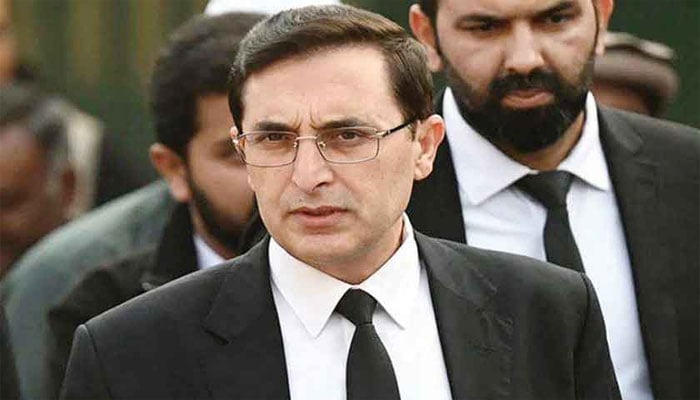
A district and sessions court in Islamabad has dismissed a petition filed by Pakistan Tehreek-e-Insaf (PTI) Chairman Barrister Gohar Ali Khan, who had sought the registration of a criminal case against Prime Minister Shehbaz Sharif, Interior Minister Mohsin Naqvi, and several other senior government officials over the events of the November 26 protest.

The court issued a detailed 17-page written judgment, outlining the reasons for rejecting the application. The verdict was authored by Additional Sessions Judge Afzal Majoka, who concluded that the petitioner had failed to provide sufficient evidence to justify the registration of a first information report (FIR).

According to the judgment, Barrister Gohar was given multiple opportunities to appear before the court and record his statement as an eyewitness. However, the court noted that he did not record his testimony despite repeated chances.

The ruling further stated that the petitioner neither presented eyewitnesses nor submitted legally admissible evidence in support of his allegations. The court observed that the application relied mainly on claims without providing documentary or forensic material required to initiate criminal proceedings.

The petition alleged that 12 people lost their lives and more than 38 PTI supporters were injured during the November 26 protest. However, the court noted that no post-mortem reports, death certificates, medical records, digital videos, photographs or other primary evidence were produced to verify the claims.

The judgment emphasized that criminal action cannot be initiated against senior public officeholders solely on the basis of verbal allegations. It said there must be credible and legally admissible evidence before the court can direct the registration of an FIR against high-ranking officials.

Among those named in the petition were Prime Minister Shehbaz Sharif, Interior Minister Mohsin Naqvi, Information Minister Atta Tarar, Defence Minister Khawaja Asif, Islamabad Inspector General of Police Ali Nasir, DIG Operations Ali Raza, SSP Operations Zeeshan Haider and other officials.

The court also observed that if the petitioner believed that government institutions were not cooperating in the investigation, he had legal options available under Pakistani law. These included approaching the courts for further investigative measures, including exhumation where legally justified. The judgment noted that no such legal remedies were pursued.
Similar Posts

  • | |

    Punjab upgrades livestock disease surveillance sys…

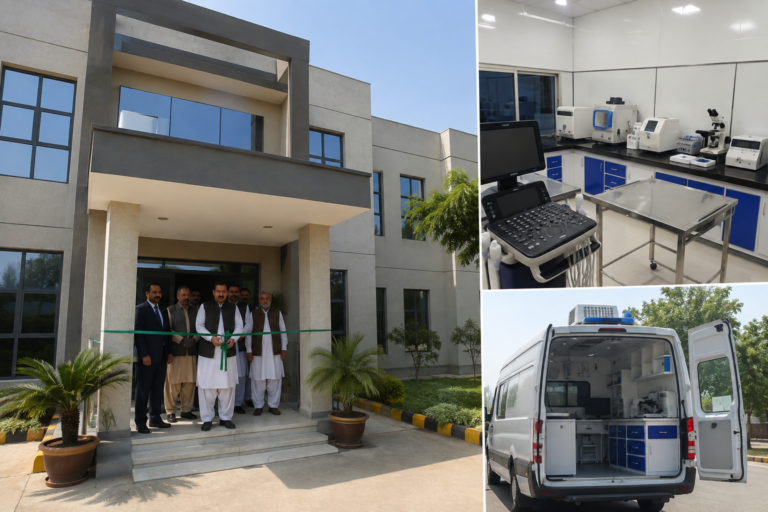
    Punjab has taken a major step toward modernizing its livestock health system with the establishment of a new Animal Disease Reporting and Surveillance Directorate and a Provincial Response Unit. Provincial Minister for Livestock and Agriculture Syed Ashiq Hussain Kirmani inaugurated the new building of the Directorate of Animal Disease Reporting and Surveillance on Tuesday, August 18. Speaking at the inauguration, Kirmani said the Punjab Livestock Department has established the Animal Disease Reporting and Surveillance and Provincial Response Unit to strengthen disease monitoring and ensure a rapid response to emergencies involving animal diseases. He said the Provincial Response Unit will remain prepared to respond quickly to disease outbreaks and other unexpected situations, helping protect livestock and support farmers. Kirmani said Punjab has become the first province to establish a modern disease diagnosis and surveillance system for the livestock sector. Under the new system, the department’s divisional, district and tehsil-level formations will work in coordination with the provincial unit. According to the minister, the upgraded system will bring livestock disease diagnosis and surveillance in line with modern requirements and improve the department’s ability to identify and respond to outbreaks at an early stage. He said renovation and upgradation work on District Disease Investigation Laboratories in 27 districts is being completed within a short period. The laboratories are also receiving modern equipment, including X-ray and ultrasound machines, along with other essential diagnostic tools. The department is also introducing 17 mobile veterinary laboratories to provide on-site disease diagnosis and surveillance in the field. These mobile units will carry the equipment and supplies required for diagnosing diseases and providing veterinary treatment, allowing departmental teams to reach affected farmers without unnecessary delays. Kirmani said the modern laboratory network will help Punjab tackle major challenges in the livestock sector, particularly sudden outbreaks of infectious diseases among animals. He added that the government is working to bring disease surveillance and rapid-response mechanisms in line with international standards. He further said that under the leadership of Chief Minister Maryam Nawaz, the provincial government has developed a system under which livestock department teams will reach farmers directly instead of requiring farmers to travel to departmental facilities for every issue. The minister said Chief Minister Maryam Nawaz has provided the Livestock Department with funding and other necessary facilities to strengthen veterinary services across Punjab. He added that the new mobile veterinary laboratories will also connect with a vehicle tracking and monitoring system similar to the system used by the Suthra Punjab Authority. The technology will help officials monitor the movement and deployment of mobile units and improve the department’s field response. The initiative is expected to strengthen disease detection, improve emergency response, expand veterinary services in rural areas and provide farmers with faster access to livestock healthcare.

  • | | |

    PM orders digital overhaul of oil sector

    Prime Minister Shehbaz Sharif on Friday directed the Oil and Gas Regulatory Authority (Ogra) to implement a modern digital monitoring system across Pakistan’s oil and gas sector to improve transparency, eliminate hoarding and curb profiteering. The directive was issued during a high-level meeting chaired by the prime minister to review Ogra’s institutional reforms and measures aimed at strengthening the regulator’s performance. The prime minister said the government was committed to protecting public money and would not allow anyone to exploit consumers or manipulate the country’s energy system for personal gain. He instructed authorities to accelerate Ogra’s reform process and ensure that the government’s institutional reform agenda was implemented effectively across the organisation. Shehbaz Sharif also directed officials to develop a comprehensive digital tracking mechanism for fuel movement, using the Federal Board of Revenue’s modern tracking system as a model. He said the system should closely monitor the transportation of petroleum products from ports and refineries to fuel stations across the country. The prime minister stressed that digital oversight of the entire fuel supply chain would help improve transparency, reduce irregularities and strengthen regulatory enforcement. To improve Ogra’s institutional capacity, he called for the induction of qualified professionals from the private sector with strong reputations and relevant expertise. He also ordered the restructuring of the authority, saying appointments to all positions should be made through a transparent and merit-based process. Shehbaz Sharif assured officials that the federal government would provide all necessary professional and technical support to ensure the successful implementation of Ogra’s reform and restructuring programme. During the meeting, the Ogra chairman briefed participants on the regulator’s current performance, key challenges and the progress of its reform agenda. The meeting was attended by Deputy Prime Minister Ishaq Dar, Law Minister Azam Nazeer Tarar, Petroleum Minister Musadik Malik, Planning Minister Ahsan Iqbal’s representative Ahad Cheema, Information Minister Attaullah Tarar, IT Minister Shaza Fatima Khawaja, Minister Ali Pervaiz Malik, Special Assistant to the Prime Minister Tariq Bajwa and other senior government officials.

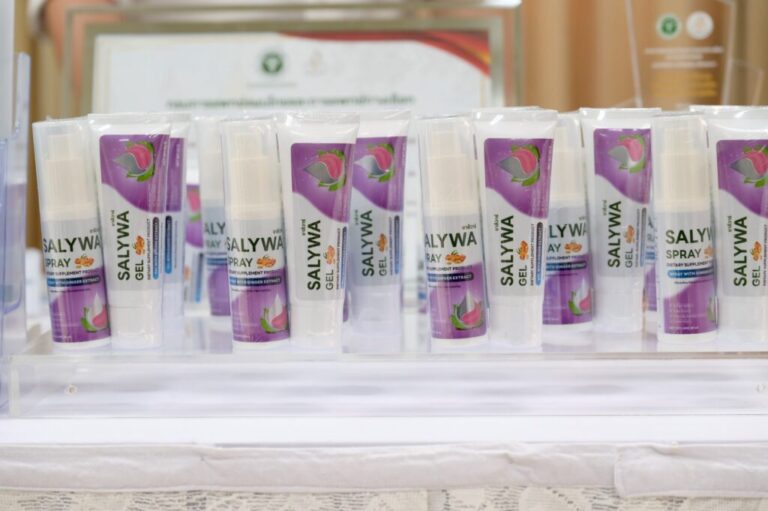
  • Chula, Thai Red Cross Society Partner to Bring ‘SALYWA’ Artificial Saliva to Patients 

    Chulalongkorn University, in collaboration with the Thai Red Cross Society and Specialty Innovation Co., Ltd., held a press conference announcing the licensing agreement for research utilization and the launch of “SALYWA”, an artificial saliva product made from Thai herbal extracts. The product is designed to relieve dry mouth and reduced saliva production, particularly among cancer patients undergoing radiation therapy and elderly individuals. The initiative aims to bring […]

  • | |

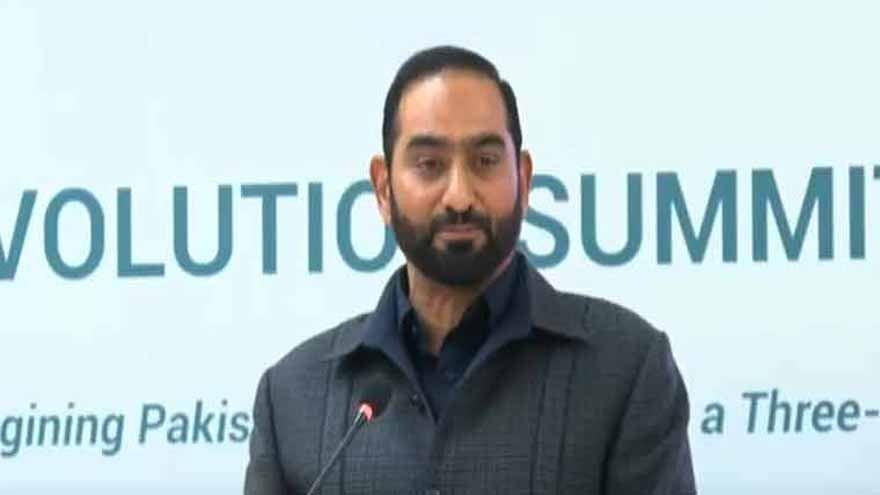
    ‘Mera Sooba, Mera Nizam’: Mian Aamir M…

    LAHORE: Chairman Punjab Group of Colleges chairman Mian Aamir Mahmood has launched a nationwide awareness campaign under the slogan “Mera Sooba, Mera Nizam” — My Province, My System. Addressing the inaugural ceremony of the campaign at *Expo Center Lahore*, he said that the slogan is *”not just a slogan but the core point of a nationwide movement”* aimed at administrative reforms and better governance in Pakistan. Key Points of the Campaign Mian Aamir Mahmood said that instead of changing rulers, *Pakistan needs to change its system*. He argued that the creation of *new provinces and smaller administrative units* will reduce government expenses and bring governance closer to the people. He stated that countries around the world increase administrative units with population growth. *”The idea that new provinces will increase expenses is wrong. In fact, costs will go down, and governance will improve,”* he said. Highlighting provincial disparities, he added that *Punjab gives billions to Balochistan every year*, yet faces hatred. He said the *people of Punjab are ready for smaller provinces and that *Balochistan’s 8 divisions and Sindh’s new provinces* would become the richest administrative units with more local control. Focus on Youth and Local Government The Chairman emphasised that the youth want better governance and that *a strong local government system* must be part of every new province. He cited examples of *Turkey, France, and India*, where leaders emerged from local government structures. He also pointed to issues in education and development, noting that *25.1 million children are out of school* and that development has been limited to capital cities like Karachi, Lahore and Islamabad. “Our real slogan is the welfare of the people of Pakistan. 250 million Pakistanis want to move forward. The government must reach people’s doorsteps,”* he said. The campaign *#MeraSoobaMeraNizam* was also promoted at the event, with speakers including *Rector Superior University Prof. Dr. Sumaira Rehman* and *Owais Rauf* expressing support for the initiative.

  • 28 mine workers killed, Parliament raises safety concerns

    Islamabad: A serious safety crisis in Pakistan’s mining sector came under the spotlight after the National Assembly Standing Committee on Overseas Pakistanis and Human Resource Development questioned why many mine workers remain unregistered even after losing their lives in dangerous mining accidents. The committee expressed concern that families of deceased workers may struggle to receive compensation and welfare support because authorities lack complete records of people working inside mines. Members demanded immediate steps to register all mine workers and ordered a review of mining safety arrangements across the country. The issue was discussed during the meeting of the Standing Committee on Overseas Pakistanis and Human Resource Development, chaired by Syed Rafiullah, following a deadly coal mine accident in Balochistan. Members offered prayers for the workers who lost their lives and said repeated mining accidents show serious weaknesses in monitoring and enforcement systems. During the discussion, committee members questioned officials about whether the workers who died in the accident were officially registered. Officials informed the committee that complete registration details were unavailable, raising concern among members about the protection available to mining workers and their families. The committee questioned how workers could spend their lives working in dangerous conditions while government departments lacked basic information about their employment status. Members rejected the argument that many mine workers are seasonal employees and therefore difficult to register. They said anyone working in a mine, whether permanent, temporary or seasonal, should be counted as a worker and provided protection. The committee stressed that registration should not depend on the type of employment. It said workers who risk their lives underground deserve safety measures, legal protection and welfare benefits. Officials informed the committee that worker registration involves different institutions, including provincial departments and labour related organisations. However, members questioned why coordination gaps continue despite years of discussions. The committee also raised concerns over mine inspections and safety checks. Members asked when mines were last inspected, whether safety rules were followed and how many workers were present at different mining sites. Officials stated that mining safety falls under provincial responsibility, but the federal government cannot ignore the issue and must collaborate with provinces to improve worker protection. The committee directed authorities to conduct a complete survey to identify how many mines are operating, how many workers are employed and how many workers are officially registered. The Federal Minister assured the committee that action would be taken and a long term strategy would be developed to ensure every mine worker is registered. Another major concern raised during the meeting was the lack of emergency facilities near mining areas. Members questioned whether proper trauma centres, ambulances and emergency services were available near mines to save workers after accidents. They pointed out that discussions about emergency facilities had taken place in previous years, but clear improvements were still needed. The committee said safety rules cannot remain only on official documents; they must be visible at mining sites through practical action. Members also suggested reviewing mining leases and ensuring that mine operators follow safety standards before continuing operations. The committee recommended that all provinces and Gilgit Baltistan review mining conditions, worker registration systems and compliance with safety procedures. Officials informed the committee that a survey would be carried out to assess the situation on the ground and identify gaps in the current system. The committee also discussed the Workers Welfare Fund and recommended taking up the issue of its management and distribution at the Council of Common Interests level. Members stressed that workers across Pakistan must receive their legal rights and no labourer should remain invisible in government records.

  • |

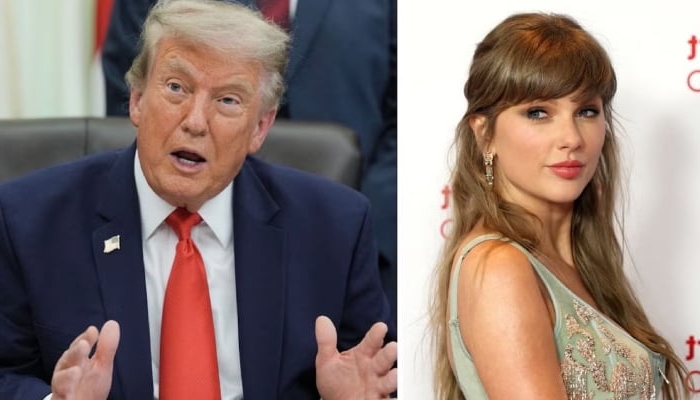
    Taylor Swift music removed from Trump TikTok videos

    Taylor Swift has reportedly had more of her music removed from TikTok videos posted by Donald Trump and the official White House account, adding another chapter to the ongoing tension between the pop superstar and the US president. The latest incident involved Swift’s 2021 song “Bet You Think About Me,” which was featured in a TikTok video showing Trump speaking to supporters. The video was posted on the official White House account and included a caption that appeared to reference Swift’s lyrics, saying, “We know you think about us.” However, within hours of the video being posted, viewers noticed that Swift’s song was no longer playing. The audio had been muted, while an onscreen message stated that the sound was unavailable. The removal quickly attracted attention from Swift’s fans, many of whom have closely followed the singer’s public and political disagreements with Trump. Reports have also indicated that Swift’s music was removed from other White House TikTok videos posted months earlier. One recent example featured Trump and First Lady Melania Trump watching fireworks. The video included text describing the mood as being excited because it was August and Trump was president. The clip originally featured Swift’s song “August,” a track from her critically acclaimed 2020 album “Folklore.” It also included a message from Trump’s team suggesting that Swift would be pleased that her music had been used, along with hashtags referencing the singer, the song and the MAGA movement. The situation changed several days later when the song was no longer available in the video. Instead, TikTok displayed a notice explaining that the copyright owner had not made the sound available in the country. Trump’s social media team later appeared to respond by using another Swift song, “Red,” in a separate TikTok post. The video featured a parody album cover showing Trump wearing a red MAGA hat, along with a fictional playlist titled “Red (Donald Trump’s Version).” The disputes over Swift’s music come amid a long-running public relationship between the singer and Trump that has often been marked by political differences. Trump has previously criticized Swift publicly, while the singer has openly expressed political views that have frequently placed her at odds with him and his supporters. Swift’s ownership of her music has also become an important part of the situation. She regained control of her original master recordings in May 2025 after a lengthy dispute over ownership. As a result, her control over her catalog has allowed her to take a stronger position regarding how her recordings are used. The repeated removal of Swift’s songs from Trump-related TikTok posts highlights the complicated relationship between copyright ownership, social media and political messaging. It also demonstrates how the use of popular music can quickly become controversial when it is connected to political figures or movements.

Leave a Reply

Your email address will not be published. Required fields are marked *