اسلام آباد

  • | | |

    Pakistan imposes new restrictions on foreign media

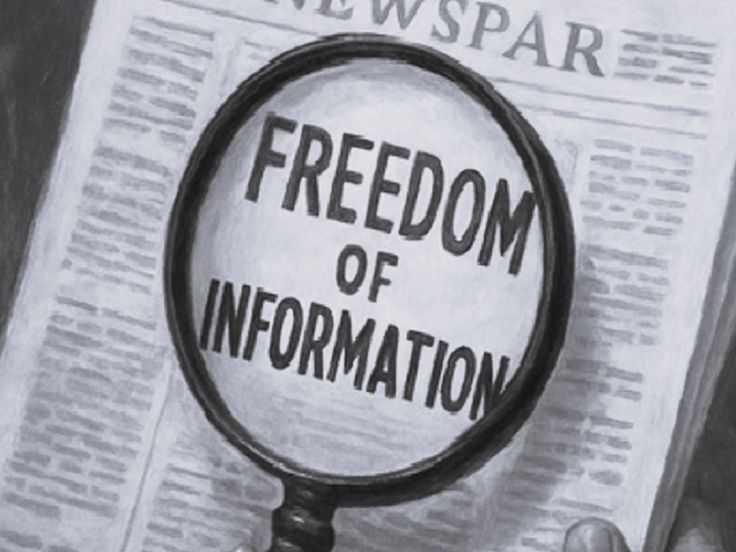
    Pakistani authorities have exposed regulatory measures governing foreign media operations in the country. The strategy has triggered an alarm among press freedom advocates, legal observers, and media personnel. Under the newly issued Foreign Media Facilitation Guidelines, journalists representing international organizations will no longer be permitted to travel or cover news events outside three major metropolitan hubs without explicit prior authorization from the government. The regulations come at a delicate juncture marked by escalating political instability, public demonstrations, and security crackdowns across key regions including recent demonstrations connected to heightened tensions in Kashmir and subsequent enforcement actions in urban centers like Lahore. Critics argue that by constraining the scope of international newsgathering precisely when accurate coverage is most vital, the state risks deepening information voids and exacerbating the spread of unverified claims. Key Requirements of the New Media Framework Administered through the External Publicity Wing of Pakistan’s Ministry of Information, the updated regulatory policy establishes procedural hurdles for international news agencies. Foreign correspondents, local staff, contributors, and freelance journalists working for international outlets must secure an official No Objection Certificate (NOC) before traveling to conduct reporting assignments outside Islamabad, Karachi, and Lahore. Regions requiring prior approval now explicitly cover all provincial territories, sensitive border zones, and Pakistan-administered Kashmir. The framework provides no defined processing timeframe for NOC applications, leaving reporting teams facing unpredictable delays and potential administrative holds. The Ministry reserves the authority to suspend or revoke official media accreditation if reporting is judged to run counter to the country’s national sovereignty, ideology, or public safety phrasing that legal analysts describe as intentionally open-ended. Backlash from Analysts and Rights Groups The enactment of these guidelines has drawn sharp rebuke from political commentators, civil society organizations, and international press watchdogs, who view the move as part of a systematic contraction of independent journalism within the country. Former senator and political commentator Mustafa Nawaz Khokhar highlighted the grave consequences of curtailing foreign news organizations, warning that restricting legitimate press operations ultimately undermines public trust. These guidelines are tantamount to choking international media in an increasingly shrinking space, Khokhar noted, emphasizing the vital role global news outlets play when local media environments face structural pressure. The public looks at the international media for independent reporting. Placing restrictions simply creates more room for disinformation and the spread of fake news.   Rights groups including the Pakistan Federal Union of Journalists (PFUJ) and international watchdogs have echoed these concerns. They’re pointing out that advance the requirement of government permission for routine reporting effectively grants authorities veto power over what news reaches the global audience. Broader Context of Press Freedom in Pakistan Pakistan’s media environment has historically operated in a complex space balancing constitutional guarantees of free speech against national security laws. However, media analysts note that state oversight of both traditional print/broadcast journalism and online digital spaces has tightened significantly in recent years. The introduction of the new foreign media guidelines coincides with broader legislative shifts aimed at regulating online speech and social media platforms. Observers express concern that administrative barriers, combined with strict digital laws, could leave remote or politically sensitive areas completely cut off from independent news coverage. By limiting foreign journalists’ mobility primarily to the capital and two largest economic centers, field reporting from rural regions, border zones, and conflict-affected territories will become exceptionally difficult to conduct legally. Implications for International Coverage As international newsrooms adapt to the new framework, news gathering strategies across South Asia are likely to face operational friction. Bureau chiefs and correspondents report that unpredictable NOC processing times make time-sensitive breaking news coverage outside major cities nearly impossible to guarantee.   Without direct on-the-ground access for independent journalists, global news consumers may increasingly have to rely on official statements or unverified social media updates during crises. For a country navigating complex domestic politics and delicate international relations, press freedom advocates warn that restricting the lens through which the world views Pakistan could backfire, isolating the nation’s political discourse and fostering an environment where misinformation thrives unchecked.

  • | |

    Islamabad to build two new underpasses

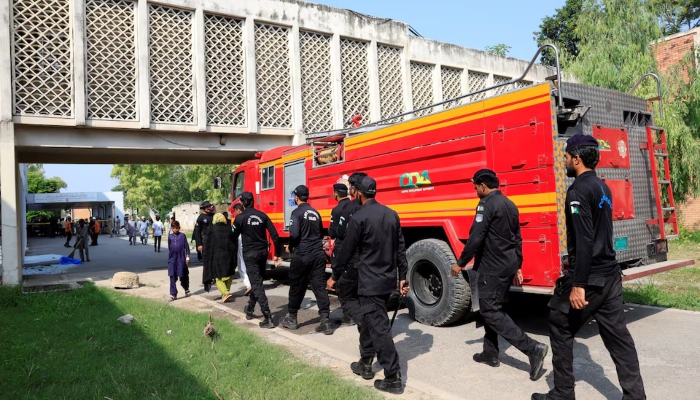
    Pakistan’s Interior Minister Mohsin Naqvi chaired a high-level meeting at the Capital Development Authority (CDA) headquarters to review the progress of ongoing development projects and approve new infrastructure initiatives aimed at improving Islamabad’s traffic system and public services. During the meeting, officials briefed the minister on the status of several major development schemes and presented plans for upcoming projects across the federal capital. Participants also reviewed timelines for ongoing construction work and discussed measures to ensure projects are completed without unnecessary delays. To ease traffic congestion and improve the flow of vehicles, Mohsin Naqvi announced the construction of two new underpasses at Kashmir Chowk and Faisal Mosque. He said work on both projects will begin next month and emphasized that the government is committed to expanding the city’s road infrastructure to meet growing transportation demands. The interior minister also expressed dissatisfaction over the absence of a fully operational Emergency 1122 service in Islamabad. He directed the relevant authorities to immediately complete all legal and administrative requirements needed to establish the Capital Emergency Services as a fully functional institution. He further instructed officials to launch work on four new emergency response centers on a priority basis to strengthen rescue and emergency services in the capital. In addition to infrastructure development, the meeting focused on improving the CDA’s financial sustainability. Officials discussed proposals to increase the authority’s permanent revenue, develop a long-term revenue model, and implement practical measures that would help the organization achieve greater financial independence. Naqvi stressed that strengthening the CDA’s financial position is just as important as delivering development projects. He also instructed officials to complete the Expressway Service Road project within the approved deadline, saying timely completion of public infrastructure remains a top government priority.