maryam nawaz orders
| |

Maryam Nawaz orders timely salaries for Sutrah Pun…

Punjab Chief Minister Maryam Nawaz has directed that workers associated with the Sutrah Punjab programme be paid their salaries by the fifth of every month.

According to an official statement, the chief minister also sought monthly reports from the companies responsible for making payments to the workers to ensure that salaries are being disbursed on time.

Maryam Nawaz ordered a zero-tolerance policy against workers who fail to perform their duties. She also directed authorities to develop standard operating procedures (SOPs) to regularly assess workers’ performance and improve the overall efficiency of the programme.

The chief minister stressed that special attention should be given to cleanliness at fruit and vegetable markets. She said additional efforts were required to achieve better sanitation results across Punjab.

Maryam Nawaz also directed officials to begin washing and cleaning major roads at 5am. She instructed authorities to ensure door-to-door waste collection and maintain proper cleanliness around schools, colleges, universities and hospitals.

She further ordered the use of uniform garbage bins and waste bags in markets and commercial areas. Officials were directed to establish specific timings for removing waste from commercial zones and ensure that vacant plots in different areas were also cleaned.

Similar Posts

  • | | |

    Survival Stories Describe Chaos and Narrow Escapes After Bangkok Pub Fire Claims 27 Lives, Injures Over 60 Others

    Bangkok, Thailand Survivors of the deadly fire at Rong Beer Na Lat Phrao pub in Bangkok’s Chatuchak district on the night of July 12th, 2026, have described scenes of sudden panic, thick smoke, and desperate attempts to flee as the blaze rapidly engulfed the popular entertainment venue, killing at least 27 people and injuring over […]

  • | |

    Fuel price hikes spark transgender protest in Kara…

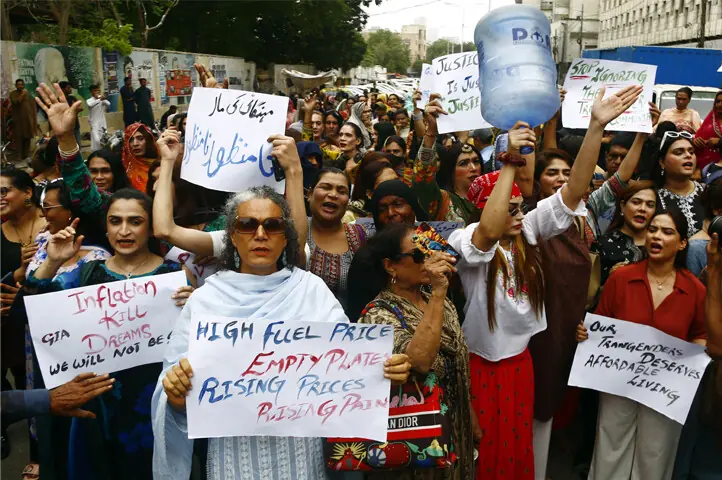
    KARACHI: Frustration over soaring inflation and repeated fuel price hikes spilled onto the streets of Karachi on Wednesday as members of the transgender community staged a protest outside the Karachi Press Club, urging the government to provide immediate relief from the rising cost of living. Holding placards and chanting slogans, protesters called for a reduction in petroleum prices and stricter measures to curb inflation, saying the financial burden had become unbearable for vulnerable communities already struggling with limited economic opportunities. The demonstrators said increasing prices of fuel and essential household items had significantly affected their ability to meet daily expenses. They argued that every increase in petroleum prices triggered higher transportation costs and pushed the prices of food, medicines and other necessities even further beyond the reach of low-income families. Addressing the gathering, Gender Interactive Alliance spokesperson Zehrish Somroo said the transgender community was facing severe financial hardship as inflation continued to erode incomes and reduce public support. “We have come out to protest because the rising cost of living is affecting everyone, including the transgender community,” she said. “Many of us depend on charity and public donations for survival. If inflation continues unchecked, even those sources of support are shrinking.” Somroo urged the government to take practical steps to reduce inflation, adding that the community had long struggled with limited access to education, employment and equal opportunities. Transgender rights activist Bindiya Rana said the demonstration was not intended to create conflict but to draw attention to the growing economic difficulties affecting ordinary citizens across Pakistan. Protesters said many families were being forced to make painful sacrifices to survive, including selling motorcycles, household belongings and even children’s jewellery to cover basic expenses. They warned that the rising cost of food, electricity, transport and healthcare had left countless households uncertain about how they would meet their daily needs. Participants appealed to policymakers to introduce urgent relief measures, including lowering fuel prices and stabilising the prices of essential commodities. They stressed that immediate action was needed to protect low-income and marginalised communities from further economic hardship. The protesters also issued a warning that if their demands were ignored, members of the transgender community from across Sindh would travel to Karachi to stage a larger province-wide demonstration, intensifying pressure on the government to address the worsening cost-of-living crisis.

  • CM sets up clean drinking water camps for flood victims

    Lahore – On the directions of Punjab Chief Minister Maryam Nawaz Sharif, the Muridke administration has established clean drinking water camps for flood-affected people. The supply of safe drinking water is continuing in the flood-hit areas of Muridke and Ferozewala. Bottled drinking water is being distributed to flood victims at the camps. Meanwhile, field staff of the Punjab Saaf Pani Authority has reached Khan Colony, Ferozewala, to facilitate and assist the affected residents by ensuring the provision of clean drinking water.

  • |

    Kashmir marks ‘Black Day’ as India celebrates …

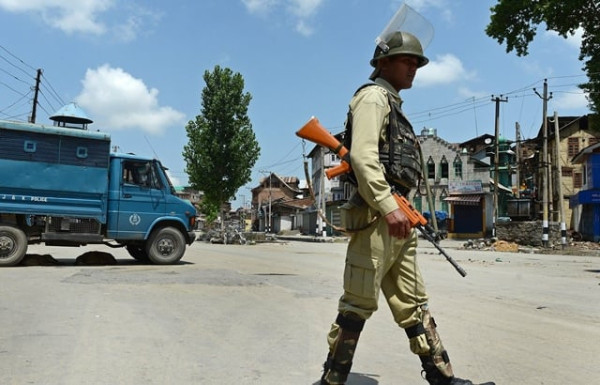
    As India celebrates its Independence Day on Saturday, August 15, Kashmiris on both sides of the Line of Control (LoC) and across the world are observing the day as a “Black Day”, protesting what they describe as India’s continued control over occupied Kashmir. The call for the observance was issued by the All Parties Hurriyat Conference, with various pro-freedom leaders and organisations announcing their support. Demonstrations are expected in different parts of the world as members of the Kashmiri diaspora seek to draw international attention to the situation in the disputed region. According to Kashmir Media Service, protesters will highlight what they describe as Indian measures in occupied Kashmir and alleged human rights violations. The demonstrations are aimed at keeping the Kashmir issue in international focus and expressing opposition to Indian rule in the region. Meanwhile, security has been significantly tightened across occupied Kashmir, particularly in Srinagar, ahead of India’s Independence Day celebrations. Authorities have established multiple layers of security around Bakshi Stadium, where the main ceremony is scheduled to take place. Vehicles, passengers and pedestrians are reportedly being subjected to strict checks around key locations. Additional security measures have also been put in place to prevent any disruption during the official celebrations. The contrasting scenes—official Independence Day ceremonies in Srinagar and protests by Kashmiris elsewhere—are once again highlighting the long-running political dispute over Kashmir, which remains a deeply contested issue between India and Pakistan. The Black Day observance is expected to continue throughout the day, with Kashmiri groups calling for greater international attention to their demands.

  • |

    Electricity tariff likely to increase by Rs1 per unit from next month

    ISLAMABAD: Electricity consumers across Pakistan may face higher power bills from next month as electricity distribution companies have approached the National Electric Power Regulatory Authority (NEPRA) seeking a quarterly tariff adjustment. According to sources, the proposed adjustment could result in an increase of around Rs1 per unit in electricity prices during the upcoming quarter. The distribution companies have submitted their adjustment request to NEPRA, which will examine the figures and determine the impact on consumers under the applicable quarterly tariff mechanism. Sources said the expected increase is linked to the expiry of the existing quarterly adjustment relief. Under the current arrangement, consumers are receiving a relief of Rs1.99 per unit, which is scheduled to expire at the end of the current month. With the relief ending, electricity tariffs are expected to rise for consumers across the country from next month, subject to NEPRA’s approval of the proposed adjustment. The quarterly tariff adjustment mechanism is used to pass on changes in electricity generation costs and other relevant expenses to consumers. Depending on the regulator’s assessment, the resulting adjustment can either increase or reduce electricity bills. The proposed increase is likely to add to the financial burden on households and businesses already facing elevated electricity costs. Consumers are now awaiting NEPRA’s decision, which will determine the final impact on electricity tariffs in the upcoming quarter. NEPRA is expected to review the distribution companies’ submissions before announcing its decision. The final adjustment may differ from the amount initially sought by the power distribution companies following the regulator’s scrutiny of the data and applicable costs.

  • |

    Punjab cotton crop in satisfactory shape as rice cultivation surpasses target

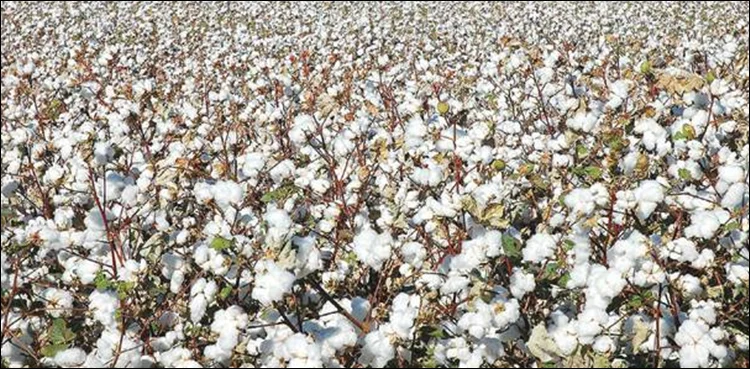
    LAHORE: The cotton crop in Punjab is currently showing a generally satisfactory condition, while rice cultivation in the province has exceeded the government’s target by a significant margin, with growers sowing the crop over more than six million acres against the planned five million acres. The latest assessment was shared at a high-level meeting held in Multan on Saturday to review the progress of major standing crops, agricultural extension services and measures aimed at strengthening farming activity across Punjab. The meeting was chaired by Additional Chief Secretary Punjab Iftikhar Ali Sahoo and brought together senior officials from the Agriculture and Irrigation departments, representatives of the farming community and experts from the agricultural sector. Among those attending were Muhammad Nawaz Sharif University of Agriculture Vice Chancellor Professor Dr Asif Ali, Special Secretary Agriculture South Punjab Sarfraz Hussain Magsi, Agriculture Department Directors General Abdul Hameed, Naveed Asmat Kahloon, Dr Aamir Rasool and Dr Sajid-ur-Rehman, as well as Kissan Ittehad President Khalid Mahmood Khokhar, Syed Hassan Raza and Dr Muhammad Iqbal Bandesha. Additional Secretary Task Force Shabbir Ahmed Khan, Director General Crop Reporting Dr Abdul Qayyum and Agriculture Department Consultant Dr Muhammad Anjum Ali participated in the meeting through a video link. Officials briefed the meeting on the condition of major crops and the progress of field-level initiatives designed to assist farmers. Cotton remained a major focus of the discussion because of its importance to Pakistan’s textile-based economy and its contribution to agricultural incomes. The participants were informed that the cotton crop across Punjab was in a satisfactory condition. However, officials stressed the need for continued field monitoring and timely technical support to protect the crop from potential threats during its critical growth stages. Cotton is considered one of Pakistan’s most important cash crops and serves as a major source of raw material for the country’s textile industry. Its performance has a direct bearing on farmers, ginners, textile manufacturers and export-oriented businesses. In recent years, cotton production has faced challenges from changing weather patterns, pest attacks, input costs and competition from alternative crops. Sahoo emphasised that the government was giving priority to agricultural development and the economic well-being of farmers. He directed agriculture officials and field formations to maintain regular contact with growers and ensure that technical advice reached farmers in a timely manner. He said the strategy prepared for the revival and strengthening of cotton cultivation should be implemented in letter and spirit. Officials were also asked to remain active in the field and assist growers in dealing with crop-related issues. Highlighting cotton’s wider economic significance, the additional chief secretary said the country’s economy and textile sector could not be viewed separately from the performance of the cotton crop. He stressed the need for coordinated efforts to improve productivity and strengthen the position of cotton growers. The meeting also reviewed the progress of rice cultivation. According to the officials, rice had already been planted over more than six million acres in Punjab, exceeding the season’s target of five million acres. Sahoo directed agricultural authorities to intensify technical guidance for rice growers, particularly to help them improve productivity, maintain crop quality and adopt better farming practices. He called for greater involvement of regional agricultural forums and professional experts in addressing issues faced by farmers at the local level. Such platforms, he said, should use their technical expertise to help improve agricultural performance and provide practical solutions to growers. The additional chief secretary also appreciated the efforts of Agriculture Department field teams for their role in supporting farmers and monitoring crop conditions across the province. Later, Sahoo visited the Model Agriculture Mall in Multan to inspect arrangements for the provision of agricultural inputs to farmers. During the visit, he reviewed the availability of fertilisers and other essential inputs and sought information from officials regarding stocks and farmer demand. He directed the relevant authorities to ensure uninterrupted availability of fertiliser at the facility so that farmers did not face shortages during the ongoing crop season. Officials said crop conditions would continue to be monitored closely in the coming weeks. With rice cultivation entering the final stages of the transplantation period and cotton moving into an important phase of its growth cycle, timely field intervention and availability of agricultural inputs would remain crucial to determining overall crop performance. The government is expected to maintain its focus on farmer guidance, crop monitoring and input availability as the province moves further into the agricultural season.


Leave a Reply

Your email address will not be published. Required fields are marked *