pakistan laboratory that

Pakistan: A Laboratory That Refuses to Learn

By Ali Hiader

Pakistan has gradually become a testing ground for government projects. Governments experiment with massive infrastructure projects costing billions, and when the results fall short of expectations, another project of the exact same nature is launched. The tragedy is that while other countries may well be learning from Pakistan’s experiments, we have completely failed to learn from them.

Punjab’s public transport system serves as a clear example of this. Currently, there are three major metro bus projects operating in Lahore, Rawalpindi, and Multan, while two additional projects are under construction in Faisalabad and Gujranwala. The total length of the existing metro bus routes is approximately 70 kilometers, served by around 167 buses. In Lahore, a city with a population of nearly 20 million, only 66 buses operate along a 27-kilometer route; this indicates that a substantial amount of public funds have been allocated to cover only a limited area.

It is also essential to consider the cost of these projects. Approximately 30 billion rupees were spent on the Lahore Metro Bus project, around 38 billion rupees on the Rawalpindi Metro Bus, and about 29 billion rupees on the Multan Metro Bus; thus, the total cost … is approximately 97 billion rupees. However, the matter does not end there. Subsequently, Lahore was gifted another major transport project—the Orange Line Metro Train—with a total cost of approximately 300 billion rupees.

The issue is not that governments are making a mistake by investing in public transport; public transport is indispensable in expanding cities and can play a vital role in improving the mobility of ordinary citizens. The real question is whether a developing country like Pakistan can afford a transport system that requires the government to provide massive annual subsidies for its operation.

According to reported figures, Punjab’s three Metro Bus projects collectively require an annual subsidy of approximately Rs 21 billion, while the Orange Line Metro Train also requires annual government financial support. This means that, even years after the initial construction costs were paid, taxpayers continue to bear the expenses of these projects. Meanwhile, passengers still face issues such as overcrowding, long wait times, and limited service capacity.

The Punjab government’s new green electric bus project merits attention from a different reason. Chief Minister Maryam Nawaz’s administration has proposed a plan to deploy 5,000 electric buses across Punjab over five years at an estimated total cost of PKR 300 billion. While this cost is relatively lower than that of Lahore’s existing Metro Bus and Orange Line Train systems, the project offers the added advantage of not requiring heavy infrastructure—such as dedicated metro corridors or rail networks; existing roads and bus stops suffice, and operations are far more flexible than current public transport systems. A driver and a conductor are all that is needed to operate a bus.

Most importantly, electric buses can provide public transport services to a vast population with relatively low infrastructure costs. In principle, this model is particularly well-suited to a province where millions of citizens still lack access to reliable public transport.However, Punjab has previously experimented with conventional bus-based public transport; projects like the Speedo service and BUSCO were launched in Lahore and its surrounding areas with similar objectives. The BUSCO project, in particular, ultimately became a prime example of how a public welfare system can shut down when governments fail to plan for the long-term management of public assets. Today, these buses lie in a state of ruin, whereas they could have been properly sold, relocated, or repurposed.

This is precisely why the Green Bus project requires a different financial model. For developing countries like Pakistan, it is extremely difficult to sustain public amenities that rely on perpetual subsidies. Whenever the government faces a financial crisis or a shortage of funds, these buses will eventually end up as nothing more than wrecks. A transport system that cannot survive without billions of rupees in annual government aid is, at its core, a weak system.

To ensure that the project runs effectively, it is essential to operate it on a “no-profit, no-loss” basis so that it remains sustainable for years to come. Fares should be structured so that, following the initial government investment, the system can at least cover its own operating, repair, and maintenance costs, as well as the expense of future bus replacements. While it is acceptable for the government not to make a profit, it must avoid creating a system that requires billions of rupees in annual subsidies merely to remain operational.At the same time, the number of buses must be sufficient for public transport to truly serve as an alternative to private vehicles. Currently, passengers face severe overcrowding, long waits, and uncomfortable journeys.

If traveling by government bus means enduring extreme overcrowding, public transport cannot persuade people to leave their motorcycles and cars at home.Kasur serves as a prime example of this situation. The Kasur district, with a population of approximately 3.8 million, has received only 12 ‘Green Buses’ so far—buses that are smaller than those operating in Lahore. Yet, for a population of this size, the number of buses should have been far greater.

If the government genuinely wants people to prioritize public transport, it must increase the fleet size to a level where passengers can travel in comfort and dignity, rather than having to grapple with one another just to secure a spot on a bus.Punjab now has the opportunity to learn from its past. Instead of viewing every public transport project merely as an occasion for inauguration or a publicity stunt, Maryam Nawaz should focus on its long-term sustainability. The true measure of a project’s success is not how impressive it looks on the day of its inauguration, but rather how effective, affordable, and financially sustainable it remains even ten or twenty years down the line.Punjab certainly needs better public transport. However, the province requires systems that prioritize sustainability, accessibility, and public convenience over political symbols. The government should undertake fewer projects that remain perpetually dependent on taxpayers’ money and instead focus on projects that can stand on their own feet.

Similar Posts

  • Treasure hunt at Mayo landa in old Lahore

    Behind the 19th-century Victorian red-brick arches of Mayo Hospital exists one of Lahore’s most vibrant bazaars: Mayo Landa. First-time visitors might expect a simple fleece and jacket bazaar through the narrow lanes behind Mayo Hospital. However, it reveals something far richer. Mayo Landa has transformed into a bustling open-air ecosystem where global fashion, imported household goods, rare oddities, and genuine historic antiques intersect at prices that defy modern inflation. The word landa originates from the Punjabi term for roofless or uncovered. It usually refers to the early informal stalls that traders set up along open alleys without permanent shopfronts. The origins of Lahore’s landa market trace back to the pre-partition British colonial era. It is located strategically between the Lahore Railway Station and bustling medical hub of Mayo Hospital (established in 1871). The area naturally became a high-traffic junction for travelers, laborers, and rural migrants. Vendors began setting up wooden crates and blankets to sell low-cost textiles and goods to working-class families who could not afford stuff otherwise. Following the partition in 1947, the market expanded rapidly to accommodate millions of resettling families seeking affordable essentials. Over the decades, small family-run stalls grew into an organized nationwide wholesale network. Today, Mayo Landa operates as a major locality for imported pre-owned items. These are sourced globally from North America, Europe, Japan, South Korea, and Australia. While everyday apparel from heavy winter coats to designer sneakers remains a staple, the modern Mayo Landa experience goes far beyond clothing. Collectors regularly scour the market for genuine heavy-leather jackets, vintage denim, and retro sports gear that would cost hundreds of dollars internationally. Stalls feature everything from Japanese porcelain and European glassware to high-end kitchenware and functional electronics. Antique items are hidden within subtle corner stalls and old storerooms. Victorian brass lamps, mid-century mechanical clocks, classic cameras, old vinyl records, and hand-carved wooden artifacts. Prices are mostly negotiated through traditional haggling. Shoppers can frequently pick up valuable, high-grade collectibles at a fraction of their market value. What makes the backside of Mayo Hospital particularly captivating is its extraordinary cultural overlap and unique spatial atmosphere. Mayo landa alleyways & antique stalls. There roaming doctors & med students in scrubs. Then NCA art students searching for props across the area. Amongst, pashtun traders sorting bales. Hidden under the shade of century-old banyan trees behind the hospital compounds are secretive, multi-room vintage stores disguised as crumbling brick structures. Step inside, and you might find an operational 1920s gramophone playing vintage orchestra records right next to a pile of modern winter coats. Mayo Landa is more than just a flea market to the frequent visitors. It is a living archive of economic resilience, sustainable reuse, and cultural heritage. In a world dominated by fast fashion and mass-produced plastic, this historic corner of Old Lahore offers something rare. It’s the thrill of real discovery backed by over a century of history.  

  • Fast and tasty monsoon tea time snacks

    As soon as the rainy season begins many people crave a hot cup of tea with crispy tasty snacks. While favorites like samosas and bread pakoras are always a great choice they usually take more time to prepare. If you want something quick and delicious, there are many snacks you can make in just 15 minutes. These easy snacks are perfect for evening tea family gatherings or even unexpected guests during the weekend. •Onion Pakoras Onion pakoras are one of the most popular monsoon snacks.  Thinly sliced onions are mixed with a spiced gram flour (besan) batter and deep fried until golden and crispy. They taste best with mint chutney and hot tea. •Bread Rolls Bread rolls are filled with a spicy mashed potato mixture then fried until crispy on the outside and soft inside. They are a simple and filling snack for rainy evenings. •Chili garlic potato bites These crispy potato bites are coated with chili garlic and flavorful spices before being cooked until golden.  They are quick to make and loved by both children and adults. •Paneer cutlets Paneer cutlets are another fast and tasty option. Made with paneer and mild spices they are lightly fried to create a crispy outside while staying soft inside.  They are rich in protein and make a satisfying snack. •Onion rings Onion rings are coated in a seasoned batter and fried until crisp and golden.  They pair perfectly with ketchup chili sauce or your favorite dip making them a great choice for tea time. Whether you are relaxing at home while enjoying the rain or serving guests these simple snacks let you enjoy the monsoon without spending hours in the kitchen. With only 15 minutes of preparation they can make your evening tea even more enjoyable.

  • Chickenpox cases rise in Gaza

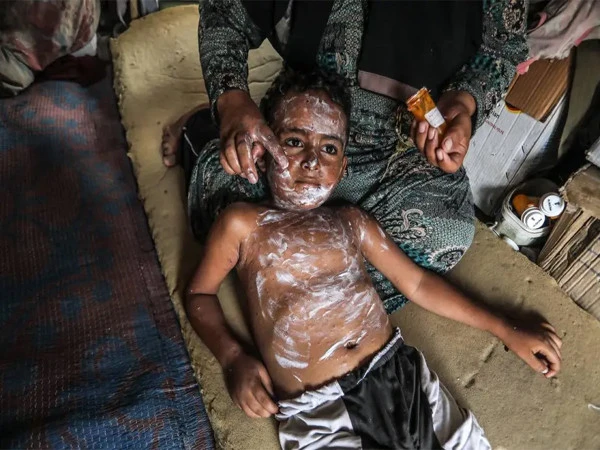
    The United Nations has warned that chickenpox cases are increasing among displaced children in Gaza. Around 9,300 cases have been reported over the past two weeks with more than half recorded in Khan Younis. According to the UN Office for the Coordination of Humanitarian Affairs (OCHA) overcrowded displacement camps piles of garbage limited access to clean water and damaged sewage systems are creating ideal conditions for infectious diseases to spread. As a result chickenpox is becoming a serious public health concern. The UN said respiratory illnesses and skin diseases remain the most common health problems in Gaza. Waterborne diseases are also increasing especially in the Khan Younis area due to poor sanitation and contaminated water. Last week alone more than 18,000 new cases of skin-related illnesses including chickenpox external parasitic skin infections and impetigo were reported. The report also said Gaza’s healthcare system has been badly damaged by the ongoing war. Many hospitals and medical facilities have been destroyed or damaged while shortages of medicines fuel and medical supplies continue to affect healthcare services. According to the Palestinian Ministry of Health, since the war began more than 73,250 Palestinians have been killed and 173,751 injured. The ministry also said that around 90% of Gaza’s infrastructure has been damaged or completely destroyed.

  • Why Safe Migration Begins with Information 

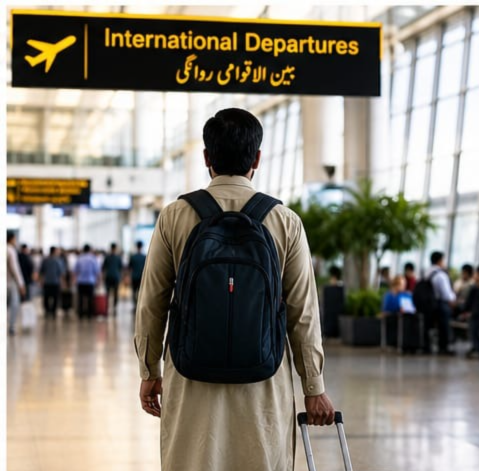
    By Tahseen Ullah  Imagine a young Pakistani sitting in a village in Punjab, Khyber Pakhtunkhwa or Sindh, scrolling through his phone. He sees an attractive job offer for Germany, Italy, Saudi Arabia, the UAE—or even an IT position in Southeast Asia. The salary is impressive, accommodation is promised and the visa will supposedly be arranged within weeks. A WhatsApp number is provided, and someone in his community has already shared the opportunity. He has ambition, perhaps a degree or technical skills. What he may not have is reliable information. This information gap can turn an aspiration for overseas employment into financial loss, irregular migration, exploitation, human smuggling or even trafficking. For Pakistan, this is an increasingly important challenge. Overseas employment is a lifeline for millions of Pakistani families, supporting children’s education, access to healthcare, improved living standards and household economic security, while remittances make a vital contribution to the national economy. At the same time, rapidly changing global labour markets are creating new opportunities beyond traditional destinations. Yet, as these opportunities grow, so do the risks of fraudulent recruitment, misinformation, disinformation, human smuggling and trafficking. Ensuring that Pakistanis can access authentic and accurate information, guidance, verify employment opportunities and make informed decisions is therefore essential to turning migration aspirations into safe and dignified and productive employment opportunities. A fake job advertisement, misleading social media post or fraudulent agent can create a false impression of employment and migration opportunities. Misinformation may be shared unknowingly, while disinformation is deliberately designed to deceive. For prospective migrants, however, the consequences can be equally serious. The risks are particularly concerning for young, educated, and IT skilled Pakistanis. In parts of Southeast Asia, deceptive job advertisements and promises of visit visas that are later claimed to be convertible into work visas have reportedly been used to lure individuals into situations involving human trafficking for forced criminality, where victims may be coerced into participating in online scams and other criminal activities. What initially appears to be a lucrative employment opportunity can therefore become a pathway to exploitation, coercion and serious harm. In the migration journey, information is not just knowledge, it is protection. Before accepting any overseas opportunity, prospective migrants should ask: Is the employer genuine? Is the recruiter authorised? Is the visa appropriate for the job? Is there a written employment contract? Are the salary and working conditions clear? What are the actual costs? Most importantly, where can this information be verified? The principle should be simple: check before you trust, verify before you pay and consult before you travel. To make an informed decision, prospective and intending migrants should first verify job offers and recruitment arrangements from the Bureau of Emigration & Overseas Employment and its field offices, the Protectorates of Emigrants, while seeking information, guidance and referral from Government departments, Migrant Resource Centres (MRCs) Pakistan and other recognised migration information and counselling services before paying, signing or travelling. These sources can help migrants understand legal/ regular migration pathways, recruitment procedures, employment contracts, workers’ rights and available complaint mechanisms. Before making a migration decision, understand the process and seek guidance. Consult relevant sources before paying an agent, signing documents or travelling—a few minutes of verification can prevent years of financial and personal consequences. However, information alone is not enough. Safe migration also requires quality skills, reskilling and upskilling. International labour markets increasingly demand technical competencies, language skills, digital literacy and recognised qualifications. TVET institutions and universities should therefore align training with genuine labour-market demand and equip young people with both occupational and migration-related knowledge. A skilled worker who cannot identify a fraudulent opportunity remains vulnerable. Conversely, reliable information without relevant skills can leave genuine opportunities beyond reach. Skills and information must therefore go together. A comprehensive approach to migration must move beyond simply facilitating departure. Safe migration requires informed preparation before departure, protection during employment and support upon return, supported by strong coordination among government institutions, international organization, civil society organizations, Pakistani missions abroad, bilateral agreements with destination countries, training providers, employers, recruiters, universities, and migration information and counselling services. The message to young Pakistanis should be clear: Do not migrate on the basis of a social media post, WhatsApp message or an agent’s promise. Seek information, consult the relevant authorities, verify the opportunity, acquire the required skills and follow the legal and regular migration pathway. Migration should be a pathway to opportunity—not a pathway to exploitation. In today’s information environment, knowing where to seek information, whom to consult and what to verify before migration may be as important as the skills required for the job itself. Safe migration begins long before the airport. It begins with an informed decision. Tahseen Ullah is a development and migration sector practitioner specialising in migration management, education and child protection. He can be reached at tahseenanthro@gmail.com.   LinkedIn: Tahseen Ullah  The views expressed are his own and do not reflect the views of his employer or any affiliated organisation.

  • Treatment of stress

    Meer Baloch Through the columns of your respected newspaper, I would like to draw attention to the growing problem of stress. Nowadays, many people suffer from stress because of studies, work, financial problems, and family issues. If stress is ignored, it can affect both mental and physical health. People can reduce stress by getting enough sleep, exercising regularly, eating healthy food, and spending time with family and friends. Meditation, prayer, and talking to a trusted person or a counselor can also help. Those who suffer from severe stress should seek professional medical treatment. I request the concerned authorities and health organizations to organize awareness programs so that people can learn how to manage stress and live healthier lives.

  • Frailty, thy name is woman

    Frailty, thy name is woman. When William Shakespeare wrote those famous words in Hamlet, he was reflecting a cultural dogma that would shackle women for centuries. For generations, society treated female vulnerability not as a situational condition, but as an inherent biological truth. Women were categorized as delicate creatures requiring protection, physically incapable of heavy labor, and psychologically unsuited for high-stakes conflict. That archaic myth has officially crumbled. Across military frontlines, deep-sea research facilities, high-altitude athletics, and outer space, women are consistently performing tasks once deemed physically and mentally impossible for them. The notion that physical and emotional fragility is uniquely female is just outdated. It is empirically false. To understand how rapidly this paradigm is shifting, one needs to look no further than recent milestones in defense and aerospace news. Over the past decade, armed forces around the globe including the United States, Britain, and Ukraine have systematically opened elite infantry, combat engineering, and special forces units to women. Reporting from military defense outlets highlights that female service members are completing rigorous combat fitness tests, enduring punishing load-bearing marches carrying 80-pound packs, and demonstrating tactical mastery under live fire. During recent global conflicts, female soldiers have served directly on combat lines, driving heavy tactical vehicles, executing artillery strikes, and providing direct tactical support under extreme duress. The old argument that women lack the physical stamina or aggressive grit for battlefield conditions has been disproven not by rhetoric, but by operational reality. Beyond Earth’s atmosphere, space exploration news provided another definitive refutation of female frailty when NASA astronauts Christina Koch and Jessica Meir conducted the world’s first all-female spacewalk. Working outside the International Space Station for more than seven continuous hours, the pair maneuvered massive hardware components while tethered over 200 miles above Earth. Operating in heavy, pressurized extravehicular suits requires immense upper-body endurance, spatial coordination, and psychological coolness under pressure. Their performance demonstrated that when training, gear, and opportunity align, gender is completely irrelevant to high-risk technical performance. For centuries, skeptics cited raw biological differences such as lower average muscle mass compared to men as definitive proof of female inadequacy for physically demanding tasks. However, modern exercise physiology and ergonomics present a far more nuanced picture. While average biological markers differ across populations, top-tier female athletic conditioning overlaps significantly with high-level male capabilities. A trained female soldier or weightlifter easily outperforms the vast majority of untrained men in functional strength, endurance, and power output. Studies in ultra-endurance athletics such as 200-mile marathons and open-water ocean swims show that women often narrow the performance gap as distance increases. Female physiology displays high metabolic efficiency in utilizing fat stores during prolonged exertion, alongside exceptional psychological resilience in managing physical discomfort. Modern warfare, heavy industry, and aviation rely less on brute force and more on endurance, technical precision, decision-making, and specialized gear. Advances in ergonomic equipment and load-distribution technology ensure that operational success hinges on skill and stamina rather than raw power alone. Physical capability is only half the equation. The traditional stereotype of frailty was always as much about mental weakness as physical limitation. Women were portrayed as overly emotional, prone to panic, and ill-equipped for decisive leadership during crises. Real-world experience repeatedly contradicts this bias. From emergency room physicians navigating mass-casualty events to political leaders steering nations through global pandemics and conflicts, women consistently exhibit calm, strategic resolve under fire. Calling frailty a woman’s trait was never a scientific fact. It was a social construct designed to limit access, independence, and authority of women. When women were barred from gymnasiums, sports, military academies, and executive boardrooms, society pointed to their absence as proof of their inability. Once those doors were forced open, the illusion dissolved. Acknowledging that frailty is not a female trait does not mean pretending that men and women are biologically identical. It means recognizing that human potential is defined by discipline not by gender.

Leave a Reply

Your email address will not be published. Required fields are marked *