pakistan needs hard
| | |

Pakistan needs hard governance to defeat terror: D…

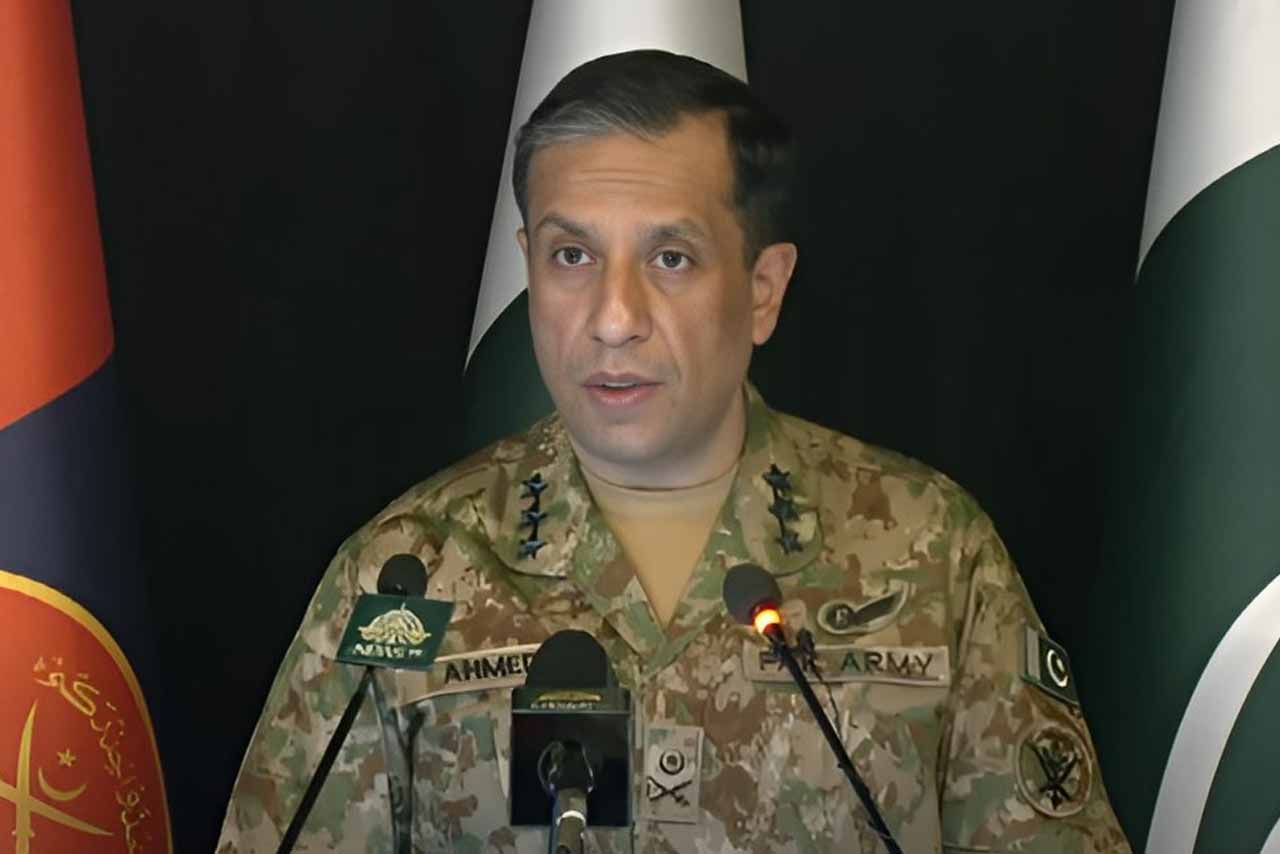
Director General of Inter-Services Public Relations (ISPR) Lieutenant General Ahmed Sharif Chaudhry has said Pakistan must become a “hard state” where the Constitution and law are applied equally to everyone, stressing that strong governance is essential to defeating terrorism and ensuring lasting peace. He rejected claims that the security situation in Balochistan is worsening, calling them part of a deliberate campaign to create a false perception about the province.

Addressing a detailed press conference on Friday, the military spokesperson said Pakistan’s security forces continue to make significant gains against terrorism through sustained intelligence-based operations across the country.

Lt Gen Chaudhry said a total of 40,348 intelligence-based operations (IBOs) have been carried out so far this year by the armed forces, police, intelligence agencies and civil armed forces. More than 31,000 of these operations were conducted in Balochistan, reflecting the state’s continued focus on restoring peace in the province.

He said Pakistan recorded 3,145 terrorism-related incidents during 2026. Of these, 1,971 incidents occurred in Khyber Pakhtunkhwa, 1,148 in Balochistan and 26 in other parts of the country.

The ISPR chief said security forces killed 2,084 confirmed terrorists during operations this year, describing it as the highest average in the country’s history. On average, around 10 terrorists have been eliminated every day, while nearly 200 intelligence-based operations are conducted daily.

Highlighting the sacrifices made in the fight against terrorism, Lt Gen Chaudhry said 819 Pakistanis lost their lives in terrorism-related incidents this year. The victims included 303 military personnel, 194 members of police and civil armed forces, and 322 civilians.

He also revealed that 28 suicide attacks had taken place across the country during the year. According to him, most of these attacks involved Afghan nationals or individuals linked to groups operating from Afghan territory.

The military spokesperson said the rise in terrorist attacks should not be viewed as a sign of weakness. Instead, he argued that militant groups have intensified attacks because of increasing pressure from proactive security operations and repeated battlefield setbacks.

Lt Gen Chaudhry also accused the Afghan Taliban administration of allowing terrorist groups to operate from Afghan soil, claiming cross-border support remains a major factor behind terrorism inside Pakistan.

Explaining his vision of a “hard state,” he said it does not mean military rule. Rather, it refers to a country where institutions function according to the Constitution, laws are enforced fairly, and no individual or group stands above the law.

Referring to Article 5 of Pakistan’s Constitution, he said loyalty to the state and obedience to the Constitution are fundamental duties of every citizen. He added that discussions about rights must also include recognition of civic responsibilities.

Speaking specifically about Balochistan, Lt Gen Chaudhry said the province’s real challenge lies with certain elites and tribal leaders who seek to preserve the existing power structure. He alleged that some influential groups oppose educational and economic progress because they fear losing their traditional influence.

He further claimed that some individuals benefit from illegal activities, including smuggling and other criminal networks, and promote unrest whenever the state strengthens law enforcement or cracks down on such activities.

The military spokesperson reiterated that Pakistan would not negotiate with terrorist groups or those using violence for political purposes. Instead, he said the armed forces would continue engaging directly with the people of Balochistan, whom he described as the province’s true stakeholders.

Lt Gen Chaudhry also alleged that hostile foreign powers are attempting to exploit Balochistan’s strategic location and natural resources by supporting anti-state elements in collaboration with local actors opposed to reforms and development.

Discussing the issue of missing persons, he said the Commission of Inquiry on Enforced Disappearances has received 10,901 complaints since its establishment. Of these, 9,372 cases have been resolved, with 4,896 individuals returning home, around 1,030 found in prisons, 308 confirmed dead, and nearly 2,400 complaints determined to be incorrectly reported.

He added that 2,933 complaints originated from Balochistan, of which 2,767 have already been resolved.
Similar Posts

  • | |

    PTI rejects AJK polls, demands fresh elections

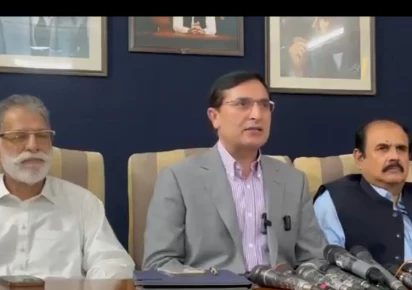
    Pakistan Tehreek-e-Insaf (PTI) has rejected the first phase of the Azad Jammu and Kashmir (AJK) elections. The party has described the July 27 polls as unacceptable and demanded a judicial inquiry into the violence reported in the region. PTI leaders also called for the cancellation of the remaining two phases of the elections. They demanded fresh elections across AJK in a single phase under an independent and impartial election commission. Speaking at a press conference on Wednesday, PTI Chairman Barrister Gohar Ali Khan appeared alongside former AJK prime minister Sardar Qayyum Niazi. The leaders strongly criticised the violence reported in Rawalakot, Mirpur and other areas. Multiple reports of deaths and injuries have emerged since Monday. Videos showing unrest have also circulated on social media, although the reported casualties could not be independently verified. Both security agencies and the Joint Awami Action Committee (JAAC) have reported casualties during clashes. Niazi said Kashmiris were facing what he described as unprecedented oppression. He said the situation was particularly concerning because Kashmiris had historically supported the cause of accession to Pakistan. He claimed protesters had attempted to resolve their grievances through negotiations. According to him, the situation deteriorated after their demands were not addressed. Niazi maintained that the protesters were peaceful. He questioned the use of force against them and urged authorities to avoid further escalation. He also criticised the decision to conduct the AJK elections in three phases. Niazi argued that the region has a relatively small population and questioned why the elections could not have been held on a single day. He said the ongoing violence was damaging Pakistan’s position on the Kashmir issue. According to him, AJK is considered an important base for the wider Kashmir cause. Niazi warned that the unrest could send a negative message internationally. He said Pakistan had previously highlighted alleged human rights violations in Indian-administered Kashmir at international forums. He argued that developments in AJK could make it difficult for Pakistan to effectively present its position on Kashmir before the international community. The former AJK prime minister also rejected the portrayal of protesters as terrorists. He said the same people had previously been engaging with authorities through negotiations. Niazi called for dialogue and urged the government to avoid further use of force. He proposed the establishment of a national government in AJK until conditions returned to normal. He said free and transparent elections should then be held across the region, with PTI participating in the process. Gohar also strongly criticised the July 27 elections. He alleged that the polls had failed to reflect the will of the people. The PTI chairman said using force to silence protesters could not resolve political and public grievances. He argued that listening to citizens was a fundamental part of democracy. Gohar criticised both the Pakistan Peoples Party (PPP) and the Pakistan Muslim League-Nawaz (PML-N) for turning the election dispute into a political contest. He said political parties should focus on the violence and reported casualties rather than exchanging allegations over electoral gains and losses. The PTI leader also pointed to the low voter turnout. He claimed that the limited participation represented public dissatisfaction with the existing political system. Gohar said the Kashmir issue was extremely sensitive and should not be used for political interests. He urged all stakeholders to act responsibly and resolve the crisis through dialogue. PTI has now formally demanded a judicial investigation into the reported violence. The party also wants the remaining election phases, scheduled for August 2 and August 10, cancelled. The party has further called for the resignation of the AJK government and the formation of a national government to manage the situation. PTI wants fresh elections to be held across AJK in a single phase. It has called for the process to be conducted under the supervision of an independent and impartial election commission. The party says dialogue should be prioritised to address public grievances and restore normalcy before a fresh electoral process begins.

  • | |

    Zelenskiy accuses Russia of targeting world food s…

    Ukraine and Russia traded accusations of lethal attacks on Sunday, with President Volodymyr Zelenskiy saying Moscow deliberately targeted global food security by striking the seaport at Odesa. Three people died and 37 sustained injuries in the eastern Ukrainian city of Kharkiv after a multi storey apartment block took a direct hit. Across the border, authorities in Russia’s Belgorod region reported that a Ukrainian drone attack killed five people and wounded 25 others. Odesa seaport takes major damage Zelenskiy said a strike had damaged Odesa’s seaport, a critical hub for Ukraine’s agricultural exports. Local authorities reported that dozens of drones and missiles struck the southern seaside city, wounding a dozen people in the process. “In this way, the Russians are at war with the world’s food security,” Zelenskiy said, framing the attack as part of a broader effort by Moscow to disrupt global grain supplies that flow through Ukraine’s Black Sea ports. The Ukrainian president said Russia also struck nine other regions across the country on Sunday, extending the assault well beyond Odesa alone. Russia has spent months bombarding Odesa in a sustained campaign aimed at cutting Ukraine off from the Black Sea and choking its export routes. Ihor, a 67 year old Odesa resident whose apartment narrowly avoided destruction in the latest strikes, said residents have grown accustomed to the danger. “Everyone who lives in Odesa knows that the most common target is around the port area,” he said. Ukraine strikes Russian oil tankers in response As Ukraine works to choke off the revenue Russia relies on to fund its war effort, Kyiv’s forces have repeatedly targeted Russian oil tankers and other cargo vessels moving through the Black Sea. Ukrainian forces claimed three additional strikes on such vessels on Sunday alone. Both countries have widened their campaigns against each other’s logistics networks in recent months. E-commerce warehouses on both sides of the border and Ukrainian petrol stations have come under sustained attack throughout the summer. Ukraine’s state energy company Naftogaz reported a significant rise in attacks on its facilities over the past three days, including strikes on oil extraction sites overnight. Ukraine’s energy ministry said Russian forces also struck power facilities in the Odesa region, cutting electricity to a substantial share of the port city’s residents overnight. Power had already been restored to 90,000 consumers by Sunday, the ministry said. Russia’s Defence Ministry confirmed striking fuel storage facilities in the ports of Odesa and nearby Chornomorsk, saying the sites were being used to support the Ukrainian military. Pope Leo renews call for peace At the Vatican, Pope Leo used his Sunday address to renew calls for an end to the war, now in its fourth and a half year. Speaking before worshippers gathered for the Angelus prayer, the pontiff said tragic incidents are multiplying across the conflict, leading to a growing number of civilian casualties, including children. The renewed papal appeal comes as both Russia and Ukraine show little sign of scaling back their attacks, with strikes on energy infrastructure, ports and logistics networks continuing to intensify on both sides as the war grinds into its fifth year without a resolution in sight.

  • | | |

    Monsoon rains, floods disrupt life across Pakistan

    Monsoon rains and flooding have disrupted daily life in several parts of the country, with rising water levels and overflowing streams causing damage and cutting off road links. In Mianwali, the rising water level of the Indus River caused a protective embankment to breach, allowing floodwater to enter nearby residential areas. Meanwhile, low-level flooding continues along the Ravi River. In Dadu, rising water levels in the Gaj River have cut off road access to more than 10 villages, leaving residents facing difficulties in travelling and accessing essential supplies. Heavy rain is also continuing in Nangarparkar, Tharparkar, where more than 150 millimetres of rain has been recorded over the past two days. The Pakistan Meteorological Department has also released rainfall figures for Karachi, showing that several parts of the city received rain overnight. In Gilgit-Baltistan, rain in Chilas and surrounding areas has caused streams and waterways to swell, raising concerns about further disruption. The Astore Valley Road has remained closed for the past six days, creating shortages of essential food and other supplies in affected areas. The Meteorological Department has forecast heavy rain in parts of Sindh and southern Punjab today. Authorities have advised residents in vulnerable areas to remain cautious as further rainfall could worsen the flooding situation.

  • | | |

    Iran considers allowing European nations to clear …

    Iran is reportedly considering allowing European countries to participate in clearing naval mines from the Strait of Hormuz, marking a potential shift in its long-standing position as diplomatic efforts continue to restore safe navigation through one of the world’s most strategically important waterways. According to multiple diplomatic sources, Iranian officials are evaluating the possibility of permitting a European-led mine-clearing operation aimed at reopening commercial shipping lanes affected by months of heightened regional tensions. If approved, the move could help restore confidence in maritime trade and improve the flow of global energy supplies. Sources familiar with the discussions said the proposed policy change is intended to facilitate the safe passage of commercial vessels and oil tankers through the Strait of Hormuz, a critical route for international oil and liquefied natural gas exports. The waterway has remained under increased scrutiny due to ongoing security concerns and the reported presence of naval mines. Diplomatic officials indicated that Iran has attached several conditions to any potential European involvement. These reportedly include guarantees for the safety of European naval vessels, the existence of a ceasefire or a significant reduction in regional hostilities, approval from Iran’s Islamic Revolutionary Guard Corps (IRGC), and assurances that the mission would be limited strictly to humanitarian and commercial navigation rather than broader military operations. While the conditions have not yet been finalized, sources said negotiations are progressing in a constructive direction. No formal agreement has been announced, and discussions among the involved parties remain ongoing. The reported flexibility represents a notable departure from Iran’s previous public position, which has consistently opposed the involvement of foreign military or naval forces in security operations within the Strait of Hormuz. Diplomats, however, say recent closed-door talks suggest Tehran may be willing to reconsider its stance under specific circumstances. Oman is also believed to be playing a key diplomatic role in facilitating communication between Iran and Western countries. Iranian Foreign Ministry spokesperson Esmaeil Baghaei has previously stated that Tehran and Oman had reached an understanding on the geographical parameters of maritime routes, providing a basis for continued negotiations. The Strait of Hormuz is one of the world’s most vital energy corridors, carrying a significant share of globally traded crude oil and liquefied natural gas. Any improvement in security and navigation through the waterway could reduce shipping insurance costs, stabilize global energy markets, and support the uninterrupted movement of commercial vessels. Although negotiations are still underway, the reported discussions highlight growing diplomatic efforts to reduce regional tensions and ensure the safe resumption of international maritime trade.

  • | |

    Iran envoy questions UK leadership shift, links it…

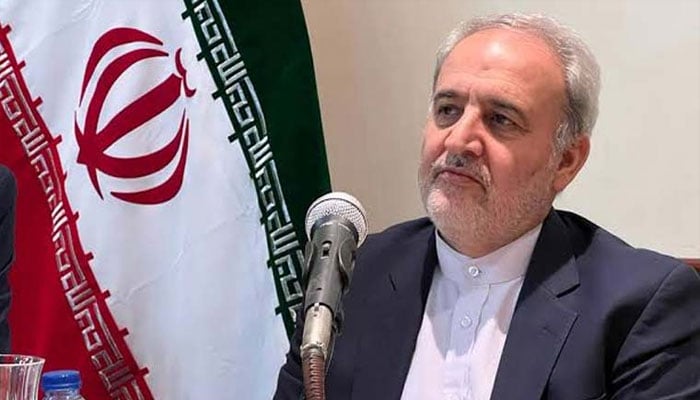
    ISLAMABAD: Iran’s Ambassador to Pakistan, Reza Amiri Moqadam, has raised questions over the political developments in the United Kingdom, suggesting that the leadership transition in London coincided with a major shift in British policy towards Iran. Speaking on recent geopolitical developments, the ambassador claimed that former British Prime Minister Sir Keir Starmer came under intense political pressure after allegedly refusing to support the United States and Israel during the Iran conflict. According to Amiri Moqadam, Starmer was subsequently accused of incompetence and forced to step down. The Iranian envoy further alleged that Britain’s new prime minister moved swiftly after assuming office by granting military base access to the United States and recalling British diplomats from Iran, describing the rapid policy changes as noteworthy. Amiri Moqadam questioned whether the timing of Starmer’s departure and the immediate foreign policy decisions taken by the incoming government were merely coincidental, implying that the sequence of events deserved closer scrutiny. The remarks come amid heightened regional tensions and ongoing diplomatic friction involving Iran and Western powers, as Tehran continues to criticise what it describes as coordinated political and military pressure from the United States and its allies.

  • | | |

    CM Punjab approves 800 mini dams for Potohar water…

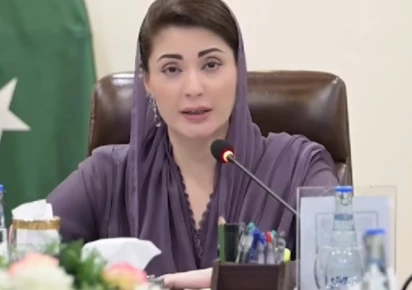
    POTOHAR: Punjab Chief Minister Maryam Nawaz Sharif has approved an ambitious plan to construct 800 mini dams across the Potohar region over the next three years, marking one of the province’s largest initiatives aimed at improving rainwater storage and tackling water scarcity. The decision was taken during a high-level meeting on water conservation and groundwater management, where officials briefed the Chief Minister on ongoing efforts to protect Punjab’s water resources. Authorities informed the meeting that 110 mini dams have already been completed across the province, contributing to improved water preservation. The new project is expected to add storage capacity of approximately 32,000 acre-feet of rainwater, strengthening water security for agriculture and local communities. Maryam Nawaz also directed officials to prepare a comprehensive strategy for developing natural and artificial water bodies while calling for stronger legislation to regulate groundwater use. To improve oversight, dedicated personnel will be assigned to monitor water conservation initiatives. The chief minister instructed the agriculture, irrigation, housing and local government departments to work together to ensure the effective implementation of water-saving measures. Officials presented photographic evidence of recently completed mini dams in Attock, Talagang, Gujar Khan and Rawalpindi, highlighting progress already made in the region. During the briefing, authorities revealed that Punjab has developed a strategy to minimise water losses, which currently stand at around 30 per cent during distribution and 25 per cent during consumption. They also reported that the lining of 2,600 watercourses covering nearly 7,000 kilometres has already delivered significant water savings. Over the next three years, another 4,500 watercourses stretching 11,500 kilometres will be upgraded. The meeting was informed that high-efficiency irrigation systems have already conserved around 18,000 acre-feet of water while boosting crop productivity by nearly 50 per cent. The government now plans to extend modern drip and sprinkler irrigation systems to an additional 30,000 acres. Officials further stated that 100 groundwater recharge wells are already operational in the Gujranwala, Gujrat and Lahore divisions, with another 300 nearing completion to strengthen groundwater reserves. The chief minister also reviewed the availability of fertilisers across Punjab and approved the provision of 1,000 new laser land levellers to farmers at a 50 per cent subsidy during the current financial year to promote efficient farming practices. In a separate meeting on law and order, Maryam Nawaz directed authorities to adopt a zero-tolerance approach against rape, child abuse and corruption. She was also informed that the Safe City Project has now been implemented in all 43 districts of Punjab and is expected to be inaugurated soon, further enhancing public safety and surveillance across the province.

Leave a Reply

Your email address will not be published. Required fields are marked *