pakistans new diplomatic
| |

Pakistan’s new diplomatic momentum: Ishaq Dar’…

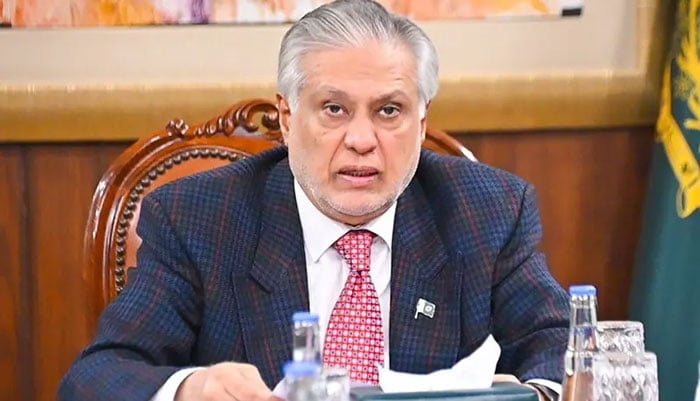
Pakistan’s diplomatic profile has undergone a significant transformation over the past year. Once viewed primarily through the prism of regional security, the country is now increasingly being recognised as a constructive diplomatic actor capable of facilitating dialogue and contributing to regional stability. Against this backdrop, Deputy Prime Minister and Foreign Minister Senator Muhammad Ishaq Dar’s official visit to the United Kingdom, beginning on Monday, carries considerable strategic and political importance.

The visit comes at a time when Pakistan’s international standing has strengthened through an active and confident foreign policy. Islamabad’s recent role in facilitating dialogue and reducing tensions in the Middle East has earned international recognition, while its efforts to promote regional peace have been acknowledged by major global powers. Pakistan’s leadership in supporting diplomacy between the United States and Iran, together with its broader commitment to regional stability, has enhanced its credibility as a reliable international partner.

This growing diplomatic influence has also been reflected in the historic Makkah Joint Defence Agreement between Pakistan, Saudi Arabia and Türkiye. The agreement has reinforced Pakistan’s position as an important contributor to collective security, strategic cooperation and peace in the wider Middle East, demonstrating its ability to work closely with key regional partners on issues of shared security.

Senator Ishaq Dar’s visit to the United Kingdom is aimed at building upon this diplomatic momentum by further strengthening Pakistan’s relationship with one of its most important international partners. It will be Pakistan’s first high-level engagement with the United Kingdom since Prime Minister Andy Burnham assumed office on 20 July 2026, making the visit particularly significant in establishing an early and comprehensive dialogue with the new British leadership.

A central feature of the visit will be Mr Dar’s meeting with United Kingdom Foreign Secretary Ed Miliband. The discussions are expected to cover the full spectrum of Pakistan–United Kingdom relations, including political cooperation, trade and investment, institutional collaboration, education, cultural exchanges and people-to-people links. Particular emphasis is likely to be placed on the invaluable contribution of the British Pakistani community, which continues to serve as a bridge between the two countries. Regional and international developments, particularly the evolving situation in the Middle East, are also expected to feature prominently on the agenda.

The Deputy Prime Minister is also scheduled to meet the United Kingdom’s National Security Adviser, Jonathan Powell. These talks are expected to focus on regional and global security challenges, with discussions covering counter-terrorism cooperation, intelligence sharing and broader strategic coordination. Such engagement reflects the growing importance both countries attach to security cooperation in an increasingly complex international environment.

Another significant engagement will be Mr Dar’s meeting with International Maritime Organization (IMO) Secretary-General Arsenio Dominguez. The meeting will reaffirm Pakistan’s longstanding cooperation with the IMO and underline Islamabad’s commitment to promoting safe, secure and efficient international shipping. As a maritime nation with expanding regional connectivity ambitions, Pakistan’s engagement with the IMO remains an important component of its international diplomacy.

Beyond the scheduled meetings, the visit represents a broader strategic opportunity. It offers both Islamabad and London the chance to redefine and modernise a long-standing partnership that extends beyond traditional diplomacy to encompass trade, investment, technology, education, climate cooperation and regional security. With changing geopolitical dynamics and emerging economic opportunities, both countries have strong incentives to deepen cooperation across multiple sectors.

For Pakistan, the visit is also a demonstration of a more proactive and confident foreign policy that seeks engagement rather than isolation. It reflects Islamabad’s determination to cultivate stronger ties with major global powers while simultaneously playing a constructive role in addressing regional and international challenges.

If successful, Senator Ishaq Dar’s visit is expected not only to strengthen Pakistan–United Kingdom relations under the new United Kingdom leadership but also to pave the way for further high-level exchanges in the months ahead. More importantly, it will reinforce Pakistan’s growing image as a responsible diplomatic partner whose influence extends beyond South Asia and whose voice is increasingly valued in discussions on international peace, security and strategic cooperation.
Similar Posts

  • |

    Global chip market set to cross $1 trillion as AI demand surges

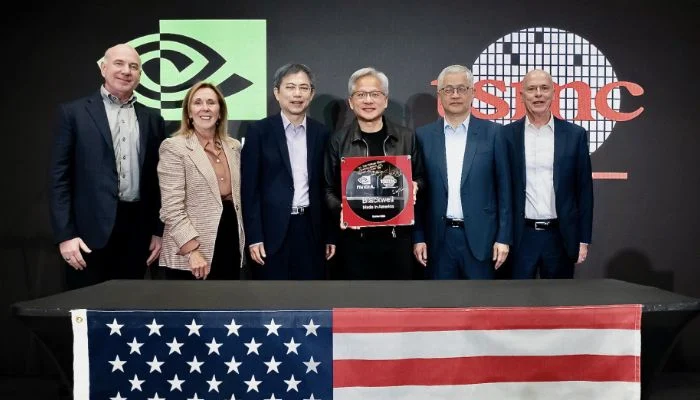
    The global semiconductor industry is on track to surpass $1 trillion in annual revenue in 2026, driven largely by the rapid expansion of artificial intelligence infrastructure. AI-related chips are reshaping the semiconductor business. Although advanced AI processors represent only a tiny share of total chip shipments, they are expected to generate almost half of the industry’s overall revenue this year. The surge reflects the enormous investment being made in AI data centres around the world. The five largest global technology hyperscalers have allocated more than $600 billion to AI data-centre infrastructure in 2026. The growing demand is also increasing the importance of advanced chip manufacturing. Producing a sophisticated 3-nanometre processor can take around six months, highlighting the complexity and limited capacity of the global supply chain. Taiwan Semiconductor Manufacturing Company (TSMC) remains central to the production of the world’s most advanced processors. The company manufactures an estimated 90% of the most sophisticated chips, making it a critical supplier for the rapidly expanding AI industry. This concentration has also raised concerns about supply-chain vulnerability. Any major disruption to advanced chip production could affect technology companies, AI developers and governments that are investing heavily in artificial intelligence. Nvidia has emerged as one of the biggest beneficiaries of the AI boom. The company reported revenue of $215.9 billion, strengthening its position as a leading supplier of processors used to train and operate advanced AI models. The chip industry’s challenges extend beyond processors. High-bandwidth memory (HBM), which is essential for AI computing, has become another major supply constraint. Much of the available HBM production capacity is already committed through 2026. The global memory market is also expected to generate substantial revenue, with estimates putting fiscal 2026 revenue at around $594.7 billion. The figures underline how quickly AI is transforming the global semiconductor industry. Demand is shifting toward fewer but far more valuable advanced chips, while manufacturers face pressure to expand capacity and secure critical components. As AI investment continues to grow, semiconductor production is increasingly becoming a strategic issue for technology companies and governments. The ability to manufacture advanced processors and memory at scale could determine how quickly the next phase of AI development progresses.

  • |

    Violence and rigging allegations in first phase of…

    A worker for the Pakistan Peoples Party (PPP) was killed and multiple scuffles broke out as the first phase of Azad Jammu and Kashmir (AJK) elections concluded in Mirpur division on Monday, with both major parties trading accusations of violence and pre-poll rigging . Polling took place across 13 constituencies in the three districts of Bhimber, Mirpur, and Kotli, beginning at 8am and concluding at 6pm after a one-hour extension . While minor skirmishes between PPP and PML-N workers were reported earlier in the day, the electoral process took a violent turn in the afternoon in LA-9 Kotli-II (Nakyal) . In a statement on X, the PPP claimed that party worker Mukhtar Younus “died during incidents of display of arms and public harassment by PML-N candidate Sardar Umail Naeem” . Mirpur Commissioner Raja Tahir Mumtaz confirmed that a man was killed and two others, including the deceased’s father, were injured . The PML-N, however, claimed that Younus had been involved in its election campaign . PPP Chairman Bilawal Bhutto-Zardari expressed grief over the death, stating that Younus had been “martyred in Mirpur’s Nakyal” in “firing by” the PML-N candidate . “Where are the relevant authorities? What is the Election Commission doing?” he demanded . He noted that a video had emerged two days ago of Naeem and his companions “firing in public,” and argued that the loss of life could have been prevented if authorities had acted . Younus had been running an election campaign with party candidate Javed Budhanvi, the current food minister . Bilawal had alleged last week that a criminal case registered against Budhanvi was politically motivated . That case was registered after a PML-N activist campaigning for Naeem was killed and two others were injured in a firing incident in Kotli on July 10 . Despite the violence, AJK Inspector General of Police retired Captain Liaqat Ali Malik said the polling process was “largely peaceful,” describing the scuffles as “part of political activity” and noting that “temperatures are usually high” at polling stations . He affirmed that legal action would be taken against anyone attempting to disrupt polling, regardless of political affiliation . The PPP and PML-N, allies at the Centre, have been engaged in a bitter war of words in the lead-up to the polls, with observers viewing the AJK race as a direct contest between Bilawal and PML-N supremo Nawaz Sharif . The PML-N had previously gifted 10 e-buses to Muzaffarabad and Mirpur, prompting the PPP to decry poll code violations .

  • |

    Pakistan suffer heavy defeat as Ireland score 11

    Pakistan’s difficult start to the Masters Hockey World Cup continued on Monday as Ireland handed them a crushing 11-0 defeat in their second Group D match. The one-sided result leaves Pakistan searching for answers after another disappointing outing in the tournament. Ireland dominated proceedings and repeatedly breached the Pakistani defence, eventually finishing with an emphatic 11-goal victory. Pakistan struggled to create a meaningful attacking threat throughout the contest, while Ireland maintained pressure and capitalised on their opportunities. The Pakistani side failed to find the net despite efforts to regain control of the match. The defeat was particularly disappointing for a team featuring experienced former Olympians. Olympians Shahbaz Senior and Khalid Hameed were unable to produce the kind of performance that could inspire a turnaround as Ireland maintained their control from start to finish. The 11-0 scoreline also highlights the challenge facing Pakistan as they attempt to recover from back-to-back defeats at the competition. Pakistan will now have little time to regroup. Their next Group D assignment is scheduled for August 11, when they will face Wales. The upcoming match could provide Pakistan with an opportunity to put the heavy defeat behind them and restore some confidence. However, they will need a much stronger defensive display and greater attacking organisation if they are to avoid another difficult outing. For Pakistan, the focus now shifts from the disappointment against Ireland to the immediate task of responding against Wales. With the tournament moving quickly, the team will be hoping to turn the page and produce a more competitive performance in its next appearance.

  • | |

    Hollywood source speaks out after Meghan Markle an…

    Prince Harry and Meghan Markle are making headlines again after announcing plans to return to the UK with their two children. The unexpected move comes six years after the couple stepped away from royal duties and relocated to California. The Sussexes are expected to return to Britain later this month and spend an extended period near London. However, they will remain private citizens rather than working members of the Royal Family. Their children, Prince Archie and Princess Lilibet, are also expected to attend school in the UK. (Reuters⁠) The announcement has reportedly surprised people on both sides of the Atlantic. A royal source told Entertainment Tonight that members of the Royal Family were “blindsided” by the decision, particularly because the move was not discussed during Harry and Meghan’s recent private meeting with King Charles. (ELLE⁠) But the biggest reaction may be coming from Hollywood. Harry and Meghan moved to California in 2020 with hopes of building a new life and creating a successful entertainment empire. They signed major deals, including partnerships with Netflix and Spotify, while launching Archewell Productions and developing projects for global audiences. However, their Hollywood journey has reportedly been more complicated than expected. Recent reports have described strained industry relationships, disappointing projects and declining opportunities. Variety previously reported that the couple’s relationship with Netflix had become increasingly difficult, while other entertainment reports have questioned their long-term position in Hollywood. (Variety⁠) One recent Hollywood-focused report went even further, claiming that the couple had “worn out” their welcome in the entertainment industry. It pointed to the end of their Spotify partnership and challenges surrounding their media projects as signs that their American dream had not developed as originally expected. These claims come from unnamed industry sources and should therefore be treated as allegations rather than established facts. (Page Six⁠) Their return to Britain has consequently sparked speculation about whether the Sussexes are turning the page on their Hollywood chapter. Still, the move does not necessarily mean they are abandoning America completely. Reports indicate that Harry and Meghan plan to retain their California home while establishing a base in the UK. Meghan is also expected to continue working on her lifestyle brand and other projects. (Business Insider⁠) The couple’s relationship with the Royal Family also remains complicated. Their recent meeting with King Charles appears to have created some hope for improved family ties, but tensions with Prince William remain particularly strong. (The Guardian⁠) For now, Harry and Meghan’s return marks a dramatic new chapter. After leaving Britain to build an independent life in Hollywood, they are once again heading home—this time as a family of four, with their future firmly under the spotlight.

  • |

    Houthi blockade threatens Saudi oil exports to Asia

    Saudi Arabia’s oil exports to Asia are facing fresh uncertainty after Yemen’s Houthi movement announced a blockade targeting Saudi ports in the Red Sea, raising fears of major disruptions to global energy supplies and higher oil prices. The impact became evident after two oil tankers carrying nearly 2.8 million barrels of Saudi crude reversed course in the Red Sea instead of continuing through the Bab al-Mandeb Strait. The vessels had departed from the Saudi port of Yanbu and were originally bound for Asian markets. The latest development has created concerns over the security of Saudi Arabia’s alternative export route. For months, the kingdom relied heavily on its Red Sea pipeline network and Yanbu terminal to bypass disruptions in the Strait of Hormuz, where regional tensions have significantly reduced shipping traffic. With Bab al-Mandeb now under threat, Saudi Arabia’s backup route is also facing serious challenges. Energy analysts warn that this could restrict oil exports, tighten global supplies and increase pressure on international crude prices. Asian countries are expected to suffer the greatest impact because they depend heavily on Middle Eastern oil. Around six million barrels of crude oil pass through Bab al-Mandeb every day on their way to Asian markets, with Saudi Arabia accounting for nearly two-thirds of that volume. India is considered the most vulnerable, as more than half of its crude oil imports travel through the Red Sea route. Pakistan is also among the affected countries, with around 36 percent of its crude imports passing through Bab al-Mandeb. Other major importers exposed to disruptions include the Philippines, South Korea, Japan, Taiwan and China. To avoid conflict zones, shipping companies are evaluating a much longer route through Egypt’s Suez Canal, the Mediterranean Sea and around Africa’s Cape of Good Hope before heading towards Asia. Although this route bypasses both the Strait of Hormuz and Bab al-Mandeb, it comes with significant drawbacks. The journey could take more than twice as long, extending delivery times by several weeks. Longer voyages would also increase fuel consumption, insurance costs and freight charges, making crude oil more expensive for buyers. Logistical challenges further complicate the situation. Most Saudi crude from Yanbu is transported on Very Large Crude Carriers (VLCCs), which are too large to pass through the Suez Canal when fully loaded. Operators would need to either transfer part of the cargo through Egypt’s SUMED pipeline or use smaller tankers, both of which would add time and operational costs. Energy experts believe these limitations could reduce Saudi Arabia’s export capacity even if alternative shipping routes remain available. Some refiners in Asia have already started preparing for longer supply routes, while shipping companies are adjusting vessel schedules in anticipation of prolonged disruptions. Analysts also warn that if instability continues in both the Strait of Hormuz and Bab al-Mandeb, the consequences could extend beyond shipping. Higher transportation costs, tighter crude supplies and increased demand for oil tankers could push global oil prices above the $100-per-barrel mark. Alternative supplies from countries such as Russia, the United States and Venezuela may help ease shortages, but those options are limited by production constraints, longer shipping distances and higher transportation expenses.

  • | |

    Pentagon signs framework agreement with lockheed M…

      The United States Department of Defense (Pentagon) has entered into a framework agreement with leading American defense contractors Lockheed Martinand Northrop Grumman to expand the production capacity of critical components used in missile defense systems. The agreement is part of the U.S. government’s broader effort to strengthen its defense industrial base and ensure that the military maintains sufficient stocks of advanced missile interception systems amid rising global security challenges. According to Arab media reports, the Pentagon has not disclosed the financial value of the framework agreement. While details regarding the total cost and production timeline remain confidential, officials have indicated that the initiative is intended to significantly increase manufacturing capabilities for components used in missile interceptor systems. The agreement comes at a time when the United States is reassessing its defense production capacity in response to ongoing international conflicts and growing demand for advanced military equipment. Reports suggest that the prolonged wars involving Iran-related regional tensions and the conflict in Ukraine have placed considerable pressure on U.S. weapons and missile inventories. As a result, the Pentagon has been working to replenish depleted stockpiles while ensuring that American forces remain prepared for future security challenges. Missile defense systems play a crucial role in protecting military installations, strategic assets, and civilian populations from incoming missile threats. These systems rely on highly sophisticated interceptor missiles and advanced technologies capable of detecting, tracking, and destroying hostile missiles before they reach their intended targets. Increasing production of the key components used in these systems is expected to improve the United States’ ability to respond quickly to evolving security threats and maintain a reliable supply of defensive capabilities. Defense analysts have noted that expanding manufacturing capacity is becoming increasingly important as global geopolitical tensions continue to rise. The ongoing war in Ukraine has resulted in significant military assistance from the United States and its allies, including the transfer of advanced missile defense equipment and interceptor missiles. At the same time, heightened tensions in the Middle East have increased the demand for missile defense systems capable of countering a wide range of aerial threats. The latest framework agreement follows another major defense contract announced just last week. The U.S. Army awarded Lockheed Martin a contract worth up to $58.6 billion for the production of Patriot interceptor missiles, one of the world’s most widely used air and missile defense systems. The Patriot system is designed to intercept ballistic missiles, cruise missiles, and hostile aircraft, making it a critical component of the United States’ missile defense network as well as that of several allied nations. The new agreement with Lockheed Martin and Northrop Grumman is expected to complement that large Patriot missile contract by ensuring that manufacturers have the capacity to produce the essential components needed for future missile defense programs. By investing in increased production capabilities, the Pentagon aims to strengthen supply chains, reduce manufacturing bottlenecks, and accelerate the delivery of critical defense equipment. Although the Pentagon has not revealed the financial details of the framework agreement, the move underscores Washington’s continued commitment to enhancing national security and maintaining military readiness. As global conflicts and regional tensions persist, expanding defense production is expected to remain a top priority for the U.S. Department of Defense in the years ahead.

Leave a Reply

Your email address will not be published. Required fields are marked *