pattaya city holds
| |

Pattaya City Holds Successful “Reduce Belly, Reduce Disease” Health Behaviour Project

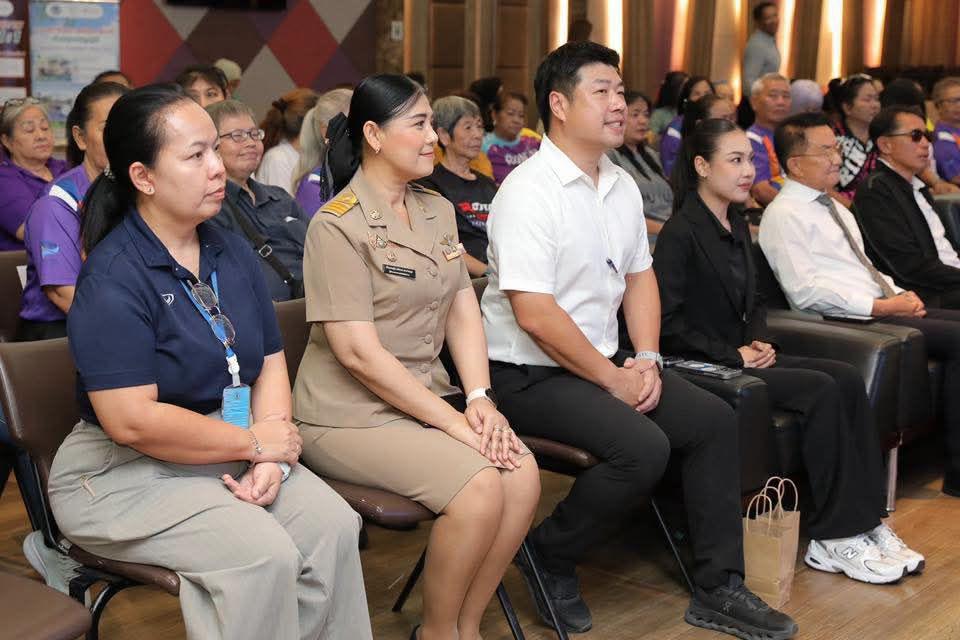
PATTAYA, July 27th, 2026 – Mr. Wutthisak Roemkitchakan, Deputy Mayor of Pattaya City, today chaired the closing ceremony of the “Reduce Belly, Reduce Disease, Change Behaviour for Better Health” project in the Thapphraya Meeting Room (401) at Pattaya City Hall. Attendees included Pattaya City executives, heads of government agencies, lecturers, community health networks, leaders of exercise groups, and project participants.

The project was to encourage residents to adopt healthier behaviours and reduce the risk of non-communicable diseases (NCDs). Results showed that the objectives were successfully achieved, with participants demonstrating clear improvements in both behaviour and health, including effective weight control and proper self-care.

Deputy Mayor Wutthisak stated that reducing belly fat and disease is not merely about losing weight, but about building a long-term “health protection shield” for oneself. He said, “Good health is not for sale; if you want it, you must start with yourself.” Although the project has concluded, he urged all participants to continue applying the knowledge and experience gained in their daily lives to create sustainable healthy lifestyles.

He also congratulated those who achieved success and received certificates of recognition, while expressing appreciation to the organising team, lecturers, and all sectors involved for driving the project to a successful conclusion.
Pattaya City remains committed to continuously promoting public health in order to elevate residents’ quality of life and build a sustainable healthy society.

News by: Ms. Siraprapha Thongsamut
Photos by: Mr. Thanaphong Unmak
Public Relations Division, Office of Tourism and Sports, Pattaya City

Similar Posts

  • | |

    Pattaya Police Confused After Motorcycle Taxi Driver Brings Bat to Police Station Seeking Help

    PATTAYA, Thailand – At 12:10 a.m. on August 13th, 2026, a 45-year-old motorcycle taxi driver known as Decha arrived at Pattaya City Police Station carrying a cardboard box and asking officers for assistance, leaving the on-duty police and other people at the station puzzled. When officers questioned him and opened the box, they found a […]

  • | | |

    Relatives of Murdered Thai Family Demand Death Penalty for Killers as Chonburi Family of Three Cremated

    CHONBURI, Thailand The bodies of a father, mother and teenage daughter murdered and buried by a gang of criminals reportedly led by a suspect known as “Pong” were cremated on Saturday in a solemn ceremony at a temple in Banglamung district, as grieving relatives called for the death penalty and reported strange incidents they believe […]

  • Why People With OCD Don’t Want to Give Up Their Compulsions

    Someone with OCD can know, without a doubt, that their compulsions are stealing hours from their day, hurting their relationships, and making their life smaller. And yet, when it comes time to actually stop, something inside them pulls back. This is one of the most confusing and least talked about parts of OCD. It’s not […]

  • |

    Mother Driving With Family Rear-Ends 10-Wheel Crane Truck Near Pattaya; Young Son Critically Injured

    Pattaya, Thailand A Honda CR-V driven by a mother rear-ended a 10-wheel truck carrying a crane early Sunday, leaving the family’s 13-year-old son in critical condition and two other family members injured, police said. The accident occurred at about 12:40 a.m. on July 26th on Highway 36 opposite the Bira Circuit race track in the […]

  • | |

    Pattaya Officials Focus on E-Cigarette Laws and Youth Protection at National Health Conference

    NONTHABURI, Thailand On August 7th, 2026, Mr. Poramese Ngamphichet, Mayor of Pattaya City, assigned Mr. Kiatisak Sriwongchai, Permanent Secretary of Pattaya City, to represent the municipality at the 24th National Health Academic Conference (CDoH). The conference, held under the theme “Sweet, Salty, Drunk, Smoke: Traps of Chronic Health-Damaging Products,” took place in the meeting room […]

  • | | |

    European colonization brought smallpox to the Americas

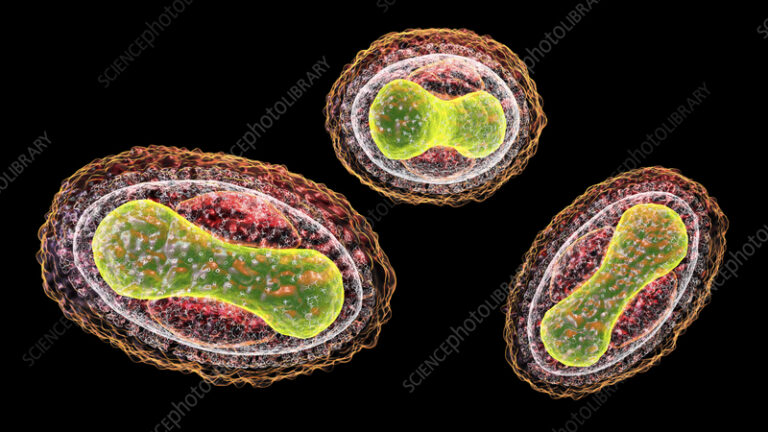
    Historians have believed that the collapse of Indigenous populations across the Americas was triggered largely by smallpox. The historical manuscripts and missionary chronicles provided detailed eyewitness reports of these devastating outbreaks. Molecular proof links colonial-era American epidemics directly to Old World viral strains remained elusive. Now, a study published in the journal Science provides the definitive genetic confirmation researchers have sought for generations. It’s led by geneticists at Trinity College Dublin in collaboration with biological anthropologists at the Universidad de Chile. Researchers have successfully extracted and sequenced the oldest known smallpox viral genomes ever recovered in the Americas. The ancient viral DNA was retrieved from the naturally mummified remains of two individuals buried in northern Chile during the early Spanish colonial era. The viral samples were recovered from bone fragments belonging to an adult woman (aged 30 to 35) and a young man (aged 18 to 20) buried near Camarones Cove. A coastal site in northern Chile that once marked the southern reaches of the Inca Empire. The individuals had been naturally preserved by the hyper-arid climate. They’re wrapped in camelid wool blankets and interred in traditional cloth bundles. Scientists initially analyzed DNA from 13 individuals excavated at the site. They were searching for ancient bacterial infections such as tuberculosis. Instead, they discovered preserved traces of the variola virus. Guess what? It’s the deadly pathogen responsible for smallpox. Radiocarbon analysis alongside molecular clock estimates revealed that both individuals died between 1492 and 1631 CE. The violent era of Spanish conquest led by conquistadors like Francisco Pizarro. Because the two viral genomes recovered from the mummies were virtually identical, geneticists concluded that both individuals likely succumbed to the same localized outbreak or were infected by the same circulating viral strain.  Evolutionary Trajectory of a Global Killer When researchers mapped the newly recovered genetic sequences onto a global evolutionary tree of smallpox, the results were unequivocal. The Chilean viral strain positioned directly between medieval European strains. The strains included those previously recovered from Viking-era human remains and later 17th- to 19th-century strains circulating in Europe. This placement provides molecular evidence that the virus was introduced to Indigenous American communities from the Old World. The study yielded surprising insights into how pathogens evolve when introduced to vulnerable host populations. The variola virus originally evolved from a animal-host (zoonotic) pathogen. It was undergoing extensive genetic alteration up through the 16th century as it adapted to human hosts. Surprisingly, the virus’s rate of genetic change slowed dramatically during the peak colonial expansion of the 17th and 18th centuries. Researchers hypothesize that Indigenous populations lacked any pre-existing immunity. So, the virus had reached an evolutionary optimum. It could spread effortlessly without needing further genetic adaptation. The virus’s evolution accelerated once again in the late 18th and 19th centuries. It was after the introduction of Edward Jenner’s smallpox vaccine in 1796. Therefore, the evolutionary pressure forced the pathogen to adapt once more. Why This Discovery Matters Today Smallpox stands as one of the deadliest infectious diseases in human history. It has claimed hundreds of millions of lives over millennia before its official eradication in 1980 through global vaccination efforts. In the Americas, the disease inflicted physical casualties. The virus also shattered social structures and morale. The rapid disfigurement and death led communities to feel overwhelmed by forces they could neither treat nor comprehend. This discovery demonstrates the immense power of ancient DNA research. Tracing how pathogen evolution interacts with human migration, population immunity, and public health interventions provides critical context for understanding modern infectious disease threats today.  

Leave a Reply

Your email address will not be published. Required fields are marked *