petition urges president
| |

Petition urges President Zardari to approve judici…


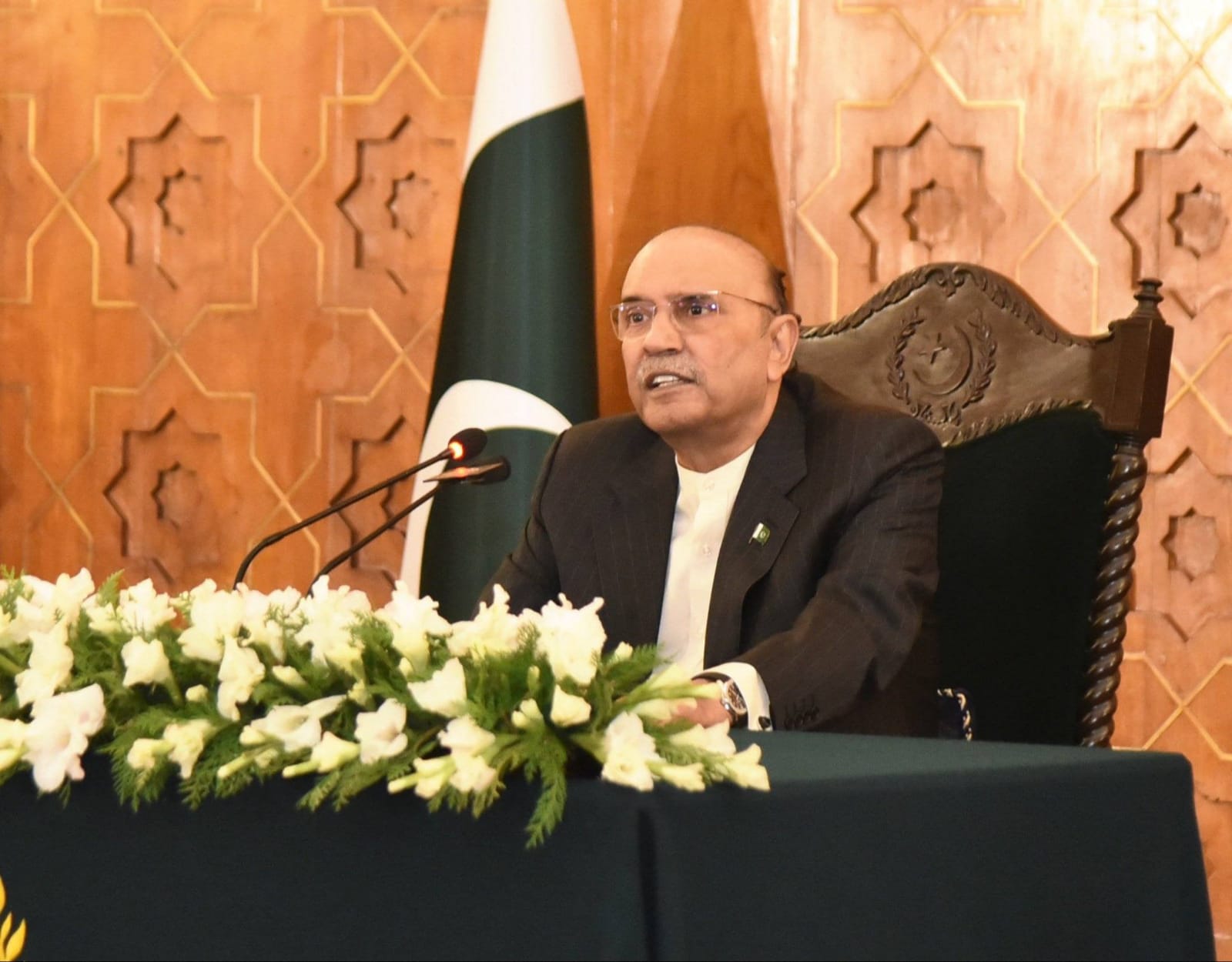
A petition submitted to the Islamabad High Court (IHC) has challenged President Asif Ali Zardari’s delay in approving the appointment of judges to several high courts across Pakistan. The petitioner argues that the president’s failure to act on the recommendations has created a serious constitutional issue and worsened the shortage of judges, affecting the country’s justice system.

The petition was filed by Advocate Luqman Zafar Chaudhry through his legal counsel, Zahid Asif Chaudhry. It requests the court to issue a writ of mandamus directing the president, through his secretary, to immediately approve the summary sent by the prime minister. The summary contains the recommendations of the Judicial Commission of Pakistan (JCP) for appointments to the Islamabad, Lahore, Sindh, and Balochistan High Courts, along with the confirmation of several additional judges.

According to the petition, the Judicial Commission, chaired by the Chief Justice of Pakistan, completed the constitutional process by finalizing its recommendations on July 20 and 21. These recommendations were subsequently forwarded to the president under Article 48 of the Constitution through the prime minister. However, the president has neither approved the summary nor returned it for reconsideration, despite the constitutional process requiring timely action.

The petitioner maintains that Article 48 allows the president to return the prime minister’s advice only once within 15 days for reconsideration. Beyond that, the Constitution does not permit indefinite delay or silence. Therefore, the petition argues that the president is constitutionally obligated to approve the recommendations once the prescribed period has passed.

It further states that the delay disrupted the oath-taking ceremony for the recommended judges, which had been scheduled for July 27. As a result, the ceremony was postponed indefinitely, leaving several judicial positions vacant and increasing the burden on existing judges.

The petition also argues that the president’s inaction effectively transforms a ceremonial constitutional responsibility into an unauthorized veto power, something the Constitution does not allow. It claims this undermines judicial independence protected under Articles 2A and 175(3) of the Constitution.

Referring to previous Supreme Court judgments, the petitioner emphasizes that judicial appointments must be completed through a transparent, collaborative, and time-bound constitutional process without executive interference. The petition also compares the president’s role under Article 48 with Article 75, which governs presidential assent to legislation and similarly requires action within a specified timeframe.

According to the petitioner, the continued delay has created an acute shortage of judges, slowing the disposal of cases and affecting citizens’ constitutional rights to a fair trial and access to justice under Articles 9, 10A, and 25.

The petition also raises concerns that the delay may have been influenced by political considerations rather than constitutional requirements. Citing media reports and public statements, it requests the court to determine when the Presidency received the summary, seek an explanation for the delay, declare the continued inaction unlawful, and prevent any action inconsistent with the Judicial Commission’s recommendations until the case is decided.

The controversy has emerged amid a wider constitutional debate regarding the president’s authority in judicial appointments. While earlier Supreme Court decisions have held that the president cannot reject recommendations made by the Judicial Commission, Article 175A(8) does not clearly specify how quickly the president must act. Legal experts believe the issue may ultimately require judicial interpretation to clarify the constitutional limits of the president’s role in the appointment process.
Similar Posts

  • HSA VC dismissal upheld in harassment case

    Islamabad: The President of Pakistan rejected the appeal of Health Services Academy Vice Chancellor Dr Shahzad Ali Khan and maintained his dismissal from service. The latest order held that retaliatory action against Dr Ayesha Khan created a hostile work environment and amounted to gender based harassment, justifying the punishment of dismissal. The decision creates a major legal twist in the high profile HSA case. The President’s legal forum clearly observed that this was not established as a case of sexual harassment in the manner found earlier by the Federal Ombudsperson for Protection Against Harassment of Women at the Workplace. It said the earlier FOSPAH decision contained serious weaknesses, including failure to properly examine the nature of the relationship between the two parties and failure to frame separate questions on several important parts of the dispute. However, those weaknesses did not save Dr Shahzad Ali Khan from dismissal. The final order stated that his later conduct, especially the abrupt termination of Dr Ayesha Khan, could not be ignored. It held that the retaliatory measures created a hostile work environment for her and amounted to gender-based harassment. The President approved the recommendation to dismiss Dr Shahzad Ali Khan’s representation and maintain the penalty of dismissal from service. The final decision also strongly observed that Dr Shahzad Ali Khan had not approached the President with clean hands. It questioned his claim that he had been honey trapped when that claim was examined together with what the decision described as extreme retaliatory measures taken against Dr Ayesha Khan. One important point was the timing of her removal from service. The record showed that Dr Ayesha Khan registered an FIR and her employment was terminated the following day. The presidential decision said this sequence was important when deciding whether retaliation had occurred. At the same time, the President’s legal forum strongly criticised major parts of the original FOSPAH reasoning. It said FOSPAH failed to properly establish the timeline of the different complaints and legal actions between the two parties. It also found contradictions and unanswered questions in the case. The decision said FOSPAH should have separately examined the exact nature of the relationship, whether any employment benefit was linked to a romantic or sexual demand, whether electronic evidence was reliable, what the financial transactions represented and whether Dr Ayesha Khan’s termination was retaliation. Instead, FOSPAH had mainly framed the broad question of whether harassment had occurred and who was responsible. The President’s legal forum described that approach as inadequate for such a complicated case. The order went further and stated that not a single specific incident of sexual harassment had been identified in the complaint. It said the sexual harassment conclusion was reached through indirect reasoning instead of being linked to a particular incident. The forum therefore concluded that the dispute could not properly be treated as sexual harassment on that basis. The decision described the dispute as involving two people who had remained close for several years before serious differences developed. Dr Ayesha Khan’s position was that the relationship involved marriage or a promise of marriage. Dr Shahzad Ali Khan denied that a marriage existed and claimed he had been honey trapped. The presidential forum said neither honey trapping nor marriage had been established on the record before it. It observed that questions over whether a valid marriage existed should be decided by a competent family court rather than through workplace harassment proceedings. The case originally started with complaints and counter complaints between Dr Shahzad Ali Khan and Dr Ayesha Khan. Dr Shahzad Ali Khan accused Dr Ayesha Khan of blackmail, honey trapping, financial fraud, threats and misuse of authority. He alleged that she extracted Rs 27.44 million from him through threats and manipulation for an alleged property investment. He also alleged that she threatened his wife while demanding Rs 30 million. According to his version, money from the sale of two vehicles, worth around Rs 10 million, was also handed to Dr Ayesha Khan for investment and was not returned. Dr Ayesha Khan denied those accusations. She alleged that Dr Shahzad Ali Khan made personal and inappropriate remarks, discussed private marital matters with her, promised marriage and later took retaliatory action against her. She also accused him of workplace harassment and alleged physical harassment in an official vehicle. She maintained that her termination and other actions followed her resistance to him and her pursuit of legal action. The original FOSPAH order took a much stronger view against Dr Shahzad Ali Khan. It found that he had misused his authority while serving as a teacher and later Vice Chancellor, developed an inappropriate relationship with a student who later became his junior colleague and gave her unusual professional benefits. FOSPAH ordered his removal from service after finding quid pro quo harassment. WhatsApp messages also became an important part of the original case. The record included messages from Dr Shahzad Ali Khan’s number in which Dr Ayesha Khan was addressed with personal names including Zalim Princess and other affectionate expressions. FOSPAH considered these messages important evidence against the honey trap allegation and viewed them as showing personal communication initiated from a position of authority. The Ombudsperson also found that allegations of financial misappropriation against Dr Ayesha Khan had not been proved through enough documentary evidence. Dr Shahzad Ali Khan challenged the FOSPAH decision before the President. His lawyers argued that Dr Ayesha Khan had given different versions of important events before different legal forums. They also challenged the use of WhatsApp screenshots, saying the material was incomplete and had not been properly examined through forensic testing. His side denied any marriage, sexual favour or sexual relationship and argued that the finding of quid pro quo sexual harassment was based on assumptions rather than direct evidence. Dr Ayesha Khan’s lawyers opposed the appeal. They argued that the original order had followed a full inquiry, evidence and cross examination. Her side said the WhatsApp messages came from Dr Shahzad Ali Khan’s registered number and argued that his

  • | |

    Riyadh Air set to begin Pakistan flights on Indepe…

    ISLAMABAD: Saudi Arabia’s new airline, Riyadh Air, is set to launch its long-awaited flight operations to Pakistan, with the first service scheduled for August 14, coinciding with Pakistan’s Independence Day. The airline will begin direct flights to Islamabad on Friday, marking a new step in air connectivity between Pakistan and Saudi Arabia. Services to Lahore are scheduled to start on August 18, according to details shared ahead of the launch. Under the initial schedule, Riyadh Air will operate seven flights every week to Islamabad and three weekly flights to Lahore, giving passengers more options for direct travel between the two countries. The launch is expected to strengthen links between Pakistan and Saudi Arabia, which have extensive business, tourism and people-to-people connections. A large Pakistani community also lives and works in Saudi Arabia, making regular and convenient air services particularly important. Riyadh Air plans to operate Boeing 787 Dreamliner aircraft on its Pakistan services. The wide-body aircraft is designed for long-haul routes and is expected to provide passengers with a modern travel experience. The airline’s entry into the Pakistani market is also being viewed as potentially beneficial for the country’s aviation and employment sectors. Sources said the arrival of the new carrier could create new job opportunities and support related businesses connected to aviation and passenger services. The launch comes as Saudi Arabia continues to expand its aviation sector as part of its broader efforts to strengthen international connectivity and develop Riyadh as a major global travel hub. For Pakistan, the new routes could provide another boost to direct connectivity with the Gulf region while increasing competition in the market. The timing of the launch has also added symbolic significance. Beginning operations on Pakistan’s Independence Day gives the airline’s arrival an additional diplomatic and commercial dimension, linking a major new aviation service with an important national occasion. The Islamabad route will become Riyadh Air’s first connection with Pakistan, followed shortly by Lahore. With 10 weekly flights planned across the two Pakistani cities, the new service is expected to offer greater flexibility to travellers while strengthening the growing aviation relationship between Pakistan and Saudi Arabia. The launch will now put Riyadh Air’s ambitious international expansion plans into operation in one of South Asia’s most important aviation markets.

  • |

    Turkish Vice President, top officials join Pakistan Day celebration in Ankara

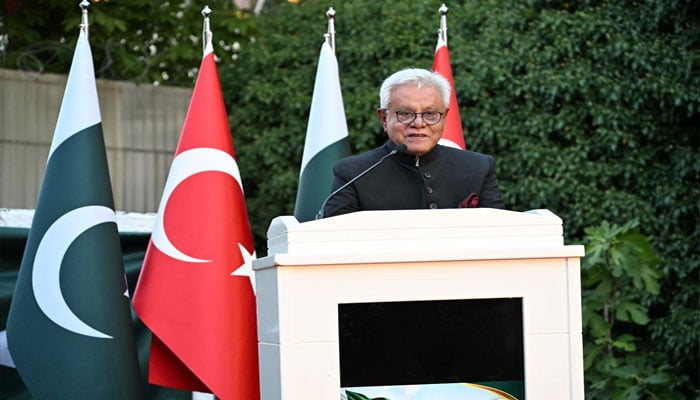
    ANKARA: Pakistan’s 79th Independence Day was celebrated with a grand ceremony at Pakistan House in Ankara, where Türkiye’s senior leadership joined Pakistani officials, diplomats and members of the community to highlight the deep and enduring friendship between the two countries. Türkiye’s Vice President Cevdet Yilmaz attended the event as chief guest, joined by senior political, military and diplomatic officials. The high-level participation underscored the importance Ankara attaches to its relationship with Islamabad and the longstanding bonds between the two nations. Among those attending were Turkish Defence Minister Yaşar Güler, Chief of General Staff Gen Selçuk Bayraktaroğlu, Naval Forces Commander Adm Ercüment Tatlıoğlu, Land Forces Commander Gen Metin Tokel and Air Force Commander Gen Ziya Cemal Kadıoğlu. Former senior officials, members of parliament, ambassadors, diplomatic representatives, Pakistani community members and media representatives also attended the ceremony. The event began with the recitation of the Holy Quran, followed by the national anthems of Pakistan and Türkiye. Students from the Pakistan Embassy International Study Group School added a colourful touch to the celebrations with national songs and traditional performances. Guests warmly applauded the cultural presentation. A documentary showcasing Pakistan’s history, cultural heritage, natural beauty, tourism potential and social and economic development was also screened. Yilmaz: Pakistan-Türkiye ties go beyond diplomacy Addressing the gathering, Vice President Yilmaz conveyed greetings from President Recep Tayyip Erdogan and the Turkish people to the government and people of Pakistan. He emphasised that the relationship between Pakistan and Türkiye went far beyond conventional diplomatic ties, describing it as a unique brotherly bond rooted in shared history and mutual solidarity. Yilmaz recalled the support shown by Muslims of the subcontinent to the Turkish people during the Turkish War of Independence, saying the historic connection continued to shape relations between the two countries. He reaffirmed Türkiye’s commitment to expanding bilateral cooperation with Pakistan and said both countries would continue working together to promote peace and stability in the region. The Turkish vice president also highlighted the importance of strengthening strategic cooperation and exploring new avenues for regional collaboration, including greater trilateral cooperation among Türkiye, Pakistan and Saudi Arabia. Pakistan envoy highlights sacrifices behind independence Pakistan’s Ambassador to Türkiye, Dr Yousaf Junaid, paid tribute to Quaid-i-Azam Muhammad Ali Jinnah and the sacrifices made during the Pakistan Movement. He said Pakistan’s independence was achieved through extraordinary courage, perseverance, determination and sacrifice. The ambassador urged Pakistanis to strengthen national unity and work collectively for the country’s stability, prosperity and development. Referring to Pakistan-Türkiye relations, Junaid said the partnership was based not merely on formal diplomacy but on shared values, history, mutual trust and strong public sentiment. He said cooperation between the two countries was expanding across defence, trade, investment, education, culture and people-to-people contacts. Jinnah exhibition adds historic touch The ceremony also featured a special photographic exhibition marking the 150th birth anniversary of Quaid-i-Azam Muhammad Ali Jinnah. Vice President Yilmaz, Ambassador Junaid and other dignitaries jointly inaugurated the exhibition, which highlighted Jinnah’s life, political vision, leadership and historic role in the creation of Pakistan. The event concluded with a traditional Pakistani dinner hosted in the gardens of Pakistan House. Against the backdrop of Pakistan’s green and white flags and warm Turkish hospitality, the Ankara celebration became more than an Independence Day ceremony. It served as a vivid reminder of a relationship built on history, affection and mutual trust — and of the two countries’ shared ambition to take that friendship into a stronger and broader future.

  • | |

    Sir David Attenborough continues to mark milestone…

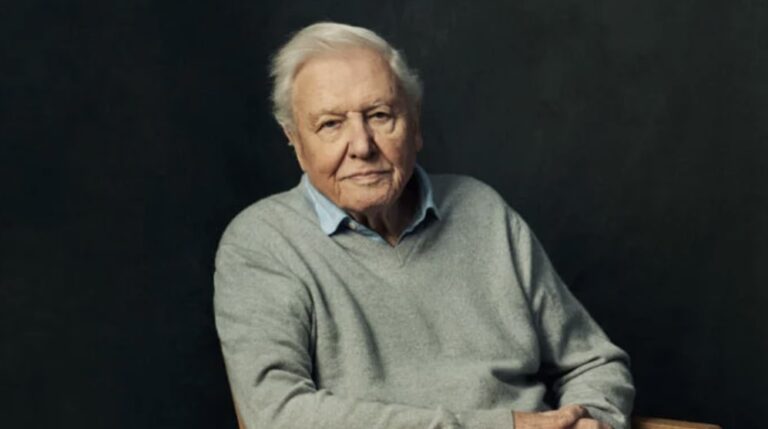
    Sir David Attenborough’s 100th year is proving to be just as remarkable as the career that came before it. The legendary broadcaster and natural historian continues to receive major recognition for his contribution to television and his lifelong work inspiring people to care about the natural world. Attenborough turned 100 on May 8, 2026, reaching the extraordinary milestone after more than seven decades in broadcasting. Rather than slowing down, he has continued to work on new projects while celebrating a century of life filled with exploration, storytelling and environmental advocacy.  His latest recognition comes through two major television award nods. Attenborough has been nominated for a 2026 Primetime Emmy Award, making him the oldest-ever nominee in the history of the awards. He received the nomination for his work as a narrator, adding another remarkable achievement to an already impressive list of honours.  He has also received his first-ever nomination for the National Television Awards. Attenborough is shortlisted in the TV Presenter category alongside well-known names including Ant and Dec, Claudia Winkleman, Alison Hammond and Stacey Solomon. The winners will be announced at the NTA ceremony at London’s O2 Arena on September 8.  The recognition comes during an especially busy year for the broadcaster. Several projects have been released to celebrate his centenary, including Wild London, Secret Garden and A Gorilla Story. The latter sees Attenborough return to the story of gorillas he first encountered while filming Life on Earth in Rwanda decades ago.  His 100th birthday was also marked with a major celebration at London’s Royal Albert Hall. The BBC event brought together musicians, celebrities and environmental figures to honour his extraordinary contribution to television and natural history. Attenborough said he had expected to celebrate quietly but was overwhelmed by the enormous number of birthday messages he received.  Institutions around the world have also joined the celebrations. Kew Gardens praised his lifelong commitment to plants, fungi and biodiversity, while the Natural History Museum named a newly discovered parasitic wasp Attenboroughnculus tau in his honour.  Attenborough’s influence extends far beyond television awards. Through programmes such as Life on Earth, Blue Planet and Planet Earth, he has helped generations understand the beauty and fragility of the planet. At 100, his latest nominations show that his voice and influence remain as powerful as ever. His extraordinary year is not simply a celebration of age, but a reminder of a lifetime spent bringing the wonders of nature into people’s homes.

  • |

    Shahnawaz Zaidi opens up about love, loss, remarriage

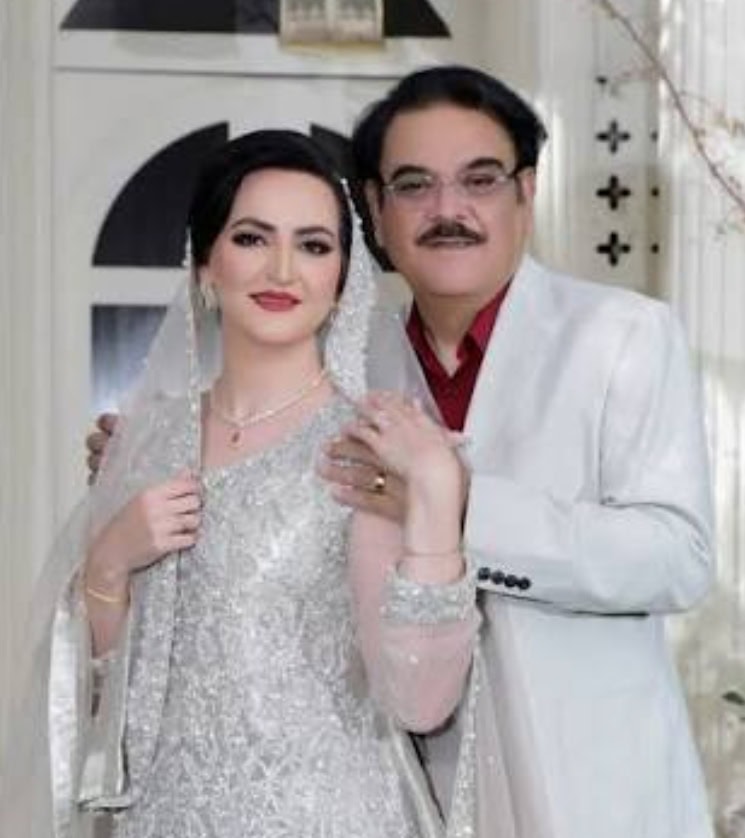
    Renowned Pakistani poet, painter, professor and actor Shahnawaz Zaidi recently appeared as a guest on Good Morning Pakistan, where he spoke openly about his personal life, his first marriage, the loss of his wife and his decision to marry again. Zaidi, who began his teaching career at Punjab University and later served as a professor in Nairobi, has made significant contributions to literature, education and the arts. He has also been honored with the Tamgha-e-Imtiaz. He is the brother of renowned actor Sheheryar Zaidi and has appeared in several popular dramas, including Nashtar, Pamaal, Case No. 9 and Khushboo Mein Basay Khat. During the show, Zaidi reflected on his first marriage, describing it as a love marriage that lasted 37 years. He revealed that he had hoped to celebrate his golden jubilee with his wife but sadly, that dream could not come true. Speaking about how their relationship began, Zaidi said he was only 24 when he got married. He described himself as a poetic person who fell in love instantly and saw no reason to delay the marriage. However, the relationship faced opposition from both families because of differences involving sect, language and family backgrounds. According to Zaidi, his wife’s father had already chosen another man for her and was initially unwilling to reconsider his decision. Although Zaidi’s family was relatively modern, they too had reservations about his choice. Eventually, however, they accepted his decision. Zaidi also recalled that his wife had once called him in tears and told him that she was diabetic and that he should carefully consider marrying her. Her mother also suffered from diabetes. Despite the concerns, the couple went ahead with their marriage and eventually built a family together. The couple had six children, although Zaidi revealed that the first two pregnancies ended in abortion. Later, he received a job opportunity in Nairobi, and the couple moved there. He described their eight years in Nairobi as a blessing, explaining that the pleasant weather, excellent healthcare facilities and quality medical care his wife received made the experience particularly meaningful. Zaidi said his wife spent considerable time in hospitals during her pregnancies, but she received excellent care. He viewed their relocation to Nairobi as a blessing in disguise because all of their children were eventually born there. The veteran artist also spoke candidly about the difficult period following his wife’s death. He revealed that he had never planned to marry again and used to dismiss the idea of a second marriage. However, four years after his first wife passed away, he began experiencing a profound sense of detachment from life. He admitted that although he continued working and remained involved in various activities, he felt mentally lost and was falling apart emotionally. During this challenging period, he eventually began considering the possibility of remarriage. Zaidi said there was initially no one in his life, but he later met an Iranian woman who was considerably younger than him. Although he initially tried to avoid the idea of marriage, their relationship developed naturally and they eventually fell in love. He revealed that they have now been married for 10 years. Looking back, Zaidi said his second marriage was something he had never expected, but life ultimately took him in a direction he had not planned. His candid conversation offered viewers a deeply personal look into his experiences with love, marriage, loss, family and finding companionship again later in life.

  • |

    Diesel price rises as government increases petroleum levy

    ISLAMABAD: The federal government has increased the price of high-speed diesel after raising the Petroleum Development Levy (PDL) on the fuel by Rs1 per litre, adding further pressure on consumers and transport-related costs. Following the latest adjustment, the price of high-speed diesel has gone up by 54 paisas per litre, reaching Rs382.89 per litre. The increase comes despite a decline in the ex-refinery price of diesel, with the higher petroleum levy pushing up the final price paid by consumers. The government has raised the diesel levy by Rs1 per litre as part of the latest petroleum price adjustment. The PDL on high-speed diesel now stands at Rs76.28 per litre. The latest increase follows another adjustment made on August 12, when the government raised the petroleum levy on diesel by Rs2 per litre. The successive increases have resulted in a significant rise in the levy component of the retail price. Petrol price reduced In contrast to diesel, the government has reduced the price of petrol by 94 paisas per litre. The price of petrol has now been fixed at Rs324.98 per litre. The Petroleum Development Levy on petrol, however, has remained unchanged at Rs80 per litre. The differing price movements for petrol and diesel are largely linked to changes in their respective pricing components. While the ex-refinery price of diesel declined, the increase in the government levy more than offset the reduction, resulting in a higher retail price. The latest adjustment is expected to have an impact on transportation and logistics costs because diesel is widely used by commercial vehicles, buses, trucks, agricultural machinery and other heavy transport. Higher diesel prices can also influence the cost of goods and services by increasing transportation expenses across supply chains. Meanwhile, the reduction in petrol prices provides limited relief to motorists using petrol-powered vehicles. The government periodically reviews petroleum prices based on international oil prices, exchange-rate movements, taxation and other components of the domestic pricing mechanism. The latest changes reflect the impact of adjustments in the petroleum levy and ex-refinery prices on consumers.

Leave a Reply

Your email address will not be published. Required fields are marked *