pmdc approves seat
| |

PMDC approves seat increase for 19 Private College…

Islamabad: A major debate has erupted over medical college seat expansion in Pakistan after the Pakistan Medical and Dental Council (PMDC) announced new seat enhancements for private medical colleges, while hundreds of existing private sector seats remain vacant due to the high cost of medical education.

During a meeting of the Sub Committee of the Senate Standing Committee on National Health Services, Regulations and Coordination, the PMDC President informed lawmakers that seat enhancement approval has so far been granted to 19 private medical colleges.

However, the exact number of additional seats approved for these 19 private medical colleges has not yet been disclosed.

The announcement came as the committee was already discussing the serious shortage of affordable medical education opportunities for students who want to become doctors.

PMDC officials also informed the committee that the government has increased public sector medical college seats by 780 additional seats, creating more opportunities for students seeking admission in public institutions.

The committee was told that the increase in seats was part of efforts to expand medical education opportunities and address the growing student demand.

At the same time, officials highlighted a major contradiction in the current system. While authorities are increasing the number of medical seats, hundreds of private medical college seats remain empty because many students cannot afford the fees.

PMDC officials also informed the committee that hundreds of private medical college seats remained vacant this year because many students were unable to afford the high fee structure of private institutions.

They stated the main reason was the high fee structure of private medical colleges, where many students could not afford fees ranging from Rs18 lakh to Rs25 lakh annually.

Senator Anusha Rahman questioned why qualified students were unable to enter medical colleges when seats were available. She asked officials whether any seats in public medical colleges were vacant. PMDC officials replied that public medical college seats were completely filled.

The senator questioned the situation, saying that thousands of students who had successfully passed MDCAT were still unable to become doctors because of limited seats and financial problems.

She pointed out that around 70,000 to 75,000 students who cleared the admission test were left without medical college opportunities. The committee questioned whether enough steps were being taken to protect these students’ futures.

During the discussion, Officials suggested a large scale expansion plan and proposed adding 10,000 more medical seats in the Medical sector through government supported loans and scholarship programmes.

Senator Shahzaib Durrani said such an initiative could help thousands of students and would require around Rs15 billion annually, which he described as a manageable amount for the government.

The committee also discussed whether increasing seats could affect the quality of medical education. PMDC officials explained that medical education requires proper clinical training facilities, including hospitals and patient exposure.

Officials said there are specific requirements for increasing medical seats because colleges must have enough hospital beds for students.

According to PMDC standards, colleges with 100 students require around 500 hospital beds, while institutions with 200 students need around 750 beds and colleges with 300 students require around 1,000 beds.

A PMDC member said medical education cannot be expanded without improving clinical facilities because doctors need practical training, not only classroom education.

However, Senator Anusha Rahman argued that increasing seats could encourage institutions to expand their healthcare facilities.

She said medical graduates are also a national resource and many Pakistani doctors contribute internationally.

The senator directed PMDC to prepare recommendations explaining why private medical college seats remained vacant and what should be done for thousands of qualified students who are unable to secure admission.
Similar Posts

  • | |

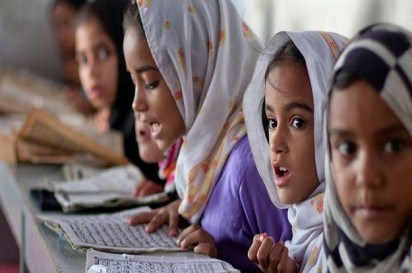
    Poor internet access threatens girls’ education …

    PESHAWAR: Poor internet connectivity is creating serious problems for girls pursuing education in the merged districts of Khyber-Pakhtunkhwa. Students in remote areas often struggle to attend online classes. They also face difficulties downloading study material and submitting assignments. For 16-year-old Khadija Bibi from Kurram district, finding an internet signal has become part of her daily life. During the summer holidays, she often leaves her home and climbs a nearby hill. She carries her mobile phone with her. She stands on the rocky slope and searches for a stronger signal. She uses the limited connection to download lecture notes and complete academic tasks. She also tries to attend online classes from the hill. However, the weak network frequently disconnects. This causes her to miss lessons and submit assignments late. Khadija is a BS Computer Science student at Benazir Women University Peshawar. She said unreliable internet had become one of the biggest challenges in her education. She said students in remote areas were being left behind as education increasingly depended on digital technology. The problem is not limited to Kurram. Thousands of girls across the merged districts face similar difficulties. The region already has several major education challenges. Poverty remains a serious obstacle. Insecurity has also affected access to education. Many areas also lack proper schools and other educational facilities. The digital divide has added another challenge. Several schools in the merged districts either do not have computer laboratories or have laboratories without working computers. Some also lack internet connections. This prevents students from gaining basic computer skills. It also makes online education difficult. Official data highlights the wider education crisis in the region. Benazir Income Support Programme data shows that 66 per cent of children in North Waziristan are out of school. The rate stands at 63 per cent in Bajaur. It is 61 per cent in South Waziristan. Mohmand and Khyber each record an out-of-school rate of 51 per cent. Kurram and Orakzai each have a rate of 47 per cent. Girls face additional difficulties because of limited access to technology. The Khyber-Pakhtunkhwa Women Empowerment Policy 2026-2030 highlights the scale of the digital divide. According to the policy, only 11 per cent of women in the merged districts have access to the internet. The female literacy rate is also extremely low. It stands at only 17 per cent. Education and digital inclusion advocates say poor infrastructure is a major reason for the situation. Weak mobile networks make internet access unreliable. Many families also cannot afford smartphones or regular internet packages. Some girls have to borrow phones from family members. This makes it difficult for them to attend online classes regularly. Access to technology is also affected by social restrictions. In some communities, families remain concerned about girls using mobile phones and the internet. Concerns about online safety and social pressure often result in restrictions. Cultural norms can also limit girls’ access to digital technology. Experts say improving internet coverage alone will not solve the problem. Girls also need greater freedom to travel to schools, universities and training centres. Better transport facilities could help students reach educational institutions more easily. It could also improve access to vocational training and employment opportunities. Experts have urged the provincial government and telecommunications authorities to give greater attention to the merged districts. They say residents should receive reliable internet services similar to those available in settled areas. Improved digital infrastructure could transform educational opportunities for girls in remote communities. Reliable internet would allow students to attend online classes without travelling long distances. They could access digital libraries and educational resources. They could also develop computer skills and participate in online training programmes. For students like Khadija, internet access is more than a technological facility. It is directly linked to education and future opportunities. Without reliable connectivity, many talented girls may continue to struggle despite their willingness to study. Addressing the digital divide therefore requires investment in telecommunications infrastructure, schools, digital devices and affordable internet services. It also requires efforts to remove social barriers that prevent girls from using technology.

  • | |

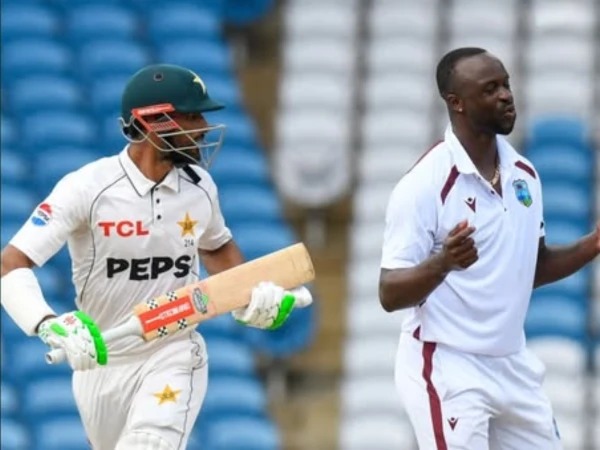
    West Indies take 29-run lead after bowling out Pak…

    Pakistan were dismissed for 282 runs in their first innings on the third day of the opening Test against the West Indies, leaving the hosts with a 29-run first-innings lead. Despite a determined century from captain Shan Masood, Pakistan failed to build on a solid overnight position as the West Indies bowling attack wrapped up the innings effectively. Resuming the day at 199 for 3, Pakistan appeared well placed to post a competitive total. However, the batting lineup struggled against disciplined bowling, losing wickets at regular intervals. Apart from Shan Masood and Imam-ul-Haq, none of the remaining batters managed to make a significant contribution. Shan Masood led the innings with a composed 109 runs, anchoring Pakistan’s batting effort with patience and confidence. His century proved to be the standout performance for the visitors and demonstrated his ability to perform under pressure in challenging conditions. Imam-ul-Haq also made an important contribution, scoring 63 runs and sharing a valuable partnership with the captain that gave Pakistan a strong foundation. After the dismissal of the top-order pair, Pakistan’s middle and lower order failed to capitalize on the platform. Regular breakthroughs from the West Indies bowlers prevented the visitors from reaching a larger total, and the innings came to an end after 80.1 overs. The West Indies bowling attack was led by Justin Greaves, who delivered an outstanding spell to claim five wickets. His consistent line and length troubled Pakistan’s batters throughout the innings and played a key role in restricting the total. Veteran fast bowler Kemar Roach and pace bowler Shamar Joseph picked up two wickets each, while Jayden Seales added one wicket to complete the innings. With a 29-run lead, the West Indies gained a slight advantage heading into their second innings. However, the match remains evenly balanced, and Pakistan’s bowlers will now aim to make early breakthroughs to keep the contest alive. As the Test progresses, both teams will look to capitalize on every opportunity in what promises to be an intriguing battle. Pakistan will be encouraged by Shan Masood’s excellent century but will also recognize the need for stronger contributions from the rest of the batting lineup if they hope to secure victory in the series opener.

  • |

    Canadian carrier resolves cabin crew strike through provisional labor agreement

    The industrial action carried out by WestJet flight attendants concluded following overnight negotiations that yielded a provisional contract between the Canadian airline and the Canadian Union of Public Employees Local 8125. The resolution arrived early Monday morning after a brief strike that disrupted travel plans nationwide over the weekend. Union leadership confirmed that the consensus marks progress regarding operational credit structures, ensuring better recognition and wage distribution for duties performed on the ground prior to takeoff, including passenger boarding and delay management. Management at the carrier expressed satisfaction with the outcome, highlighting the dedication of the workforce. Unofficial terms indicate the proposal includes an immediate pay raise retroactive to the start of the year, alongside adjusted duty allocations. While flight operations are slated to rebuild gradually pending safety verifications and roster adjustments, the negotiated terms remain subject to formal ratification by the union membership.

  • |

    Sourav Ganguly breaks silence over death threats

    Former India captain and ex-BCCI president Sourav Ganguly has spoken publicly about receiving alleged death threats, saying the matter has been reported to police and that he expects authorities to take appropriate action. Ganguly addressed the issue while speaking to reporters at the opening of a store in Kolkata on Friday. The former India skipper confirmed reports that he had been receiving threatening messages for several months. According to Ganguly, the alleged threats have continued for around six months. He said the matter is now in the hands of law enforcement and expressed hope that police would investigate the case and resolve it soon. “I have security,” Ganguly said, indicating that protective arrangements were already in place. He also appeared confident that authorities would take the necessary steps to address the situation. Reports said Ganguly and members of his family have lodged a formal complaint with the Thakurpukur police station in Kolkata. The complaint reportedly details a series of threatening letters allegedly received over the past six months. The situation reportedly escalated after two recent letters allegedly contained highly threatening language, including demands to “finish” and “kill” him. Following the latest messages, Ganguly’s family approached police for assistance. The former cricketer has not publicly identified anyone who may be behind the alleged threats, and authorities are expected to investigate the source and circumstances surrounding the letters. Ganguly, one of India’s most influential cricket figures, enjoyed a distinguished international career before moving into cricket administration. He captained India during a transformative period and later served as president of the Board of Control for Cricket in India. The reported threats have added an unexpected security concern to the life of the celebrated sports figure. With a formal complaint now lodged, attention is likely to remain on the police investigation and any developments that may emerge from it.

  • | |

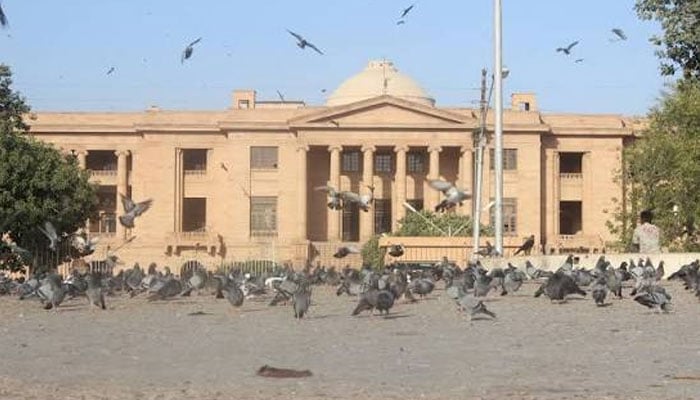
    SHC rejects contract employee’s regularisati…

    The Sindh High Court (SHC) has dismissed a petition filed by a contract employee of the Zulfiqarabad Development Authority seeking permanent employment, ruling that the request was not maintainable at the preliminary stage. The constitutional bench held that a contract employee does not acquire a legal right to permanent employment merely by serving for a long period. The court observed that contractual appointments remain subject to the terms and conditions agreed upon at the time of hiring. According to the court, the petitioner’s employment contract expired in 2024 after completing its specified term. Since the contract had already ended, the petitioner could not claim permanent status solely on the basis of continued service. Justice Adnan-ul-Karim Memon observed that employment on a contractual basis does not automatically create a legal entitlement to permanent appointment. He noted that permanent regularisation can only be granted if there is a relevant law or an approved policy issued by the competent authority. The court ruled that, in the absence of such legal provisions or an authorised policy, the petition seeking permanent employment had no legal basis. Consequently, the constitutional bench declared the petition inadmissible at the initial stage and dismissed it.

  • | |

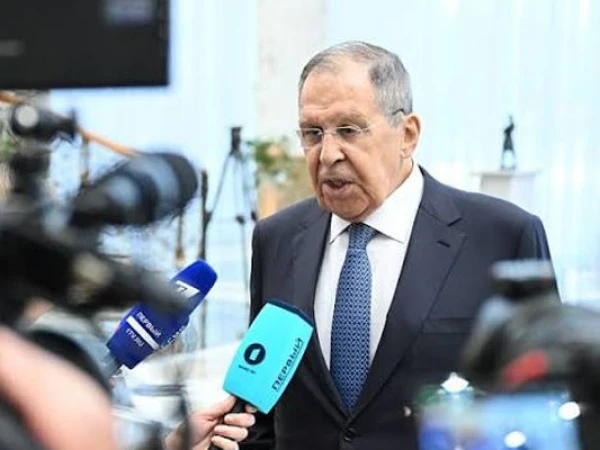
    Lavrov’s ‘nice hairstyle’ reply …

    Russian Foreign Minister Sergey Lavrov has gone viral on social media after responding to a journalist’s tough foreign policy questions with an unexpected compliment instead of an answer. The unusual moment took place during the ASEAN Regional Forum in Manila, Philippines, where Lavrov was approached by reporters following official meetings. A female journalist pressed the veteran diplomat with a series of sensitive questions covering Russia’s alleged support for Iran and Moscow’s position on ending the war in Ukraine. The reporter first asked whether Russia was helping Iran target American troops amid escalating tensions in the Middle East. She then followed up by asking if Moscow was prepared to agree to a ceasefire and peace negotiations with Ukraine. Rather than addressing either question, Lavrov continued walking calmly toward an elevator without breaking stride. As he reached the elevator doors, he briefly turned toward the journalist, smiled, and delivered a single unexpected remark. “Your hairstyle looks great,” he said before stepping into the elevator, leaving the reporter’s questions unanswered. The brief exchange was captured on camera and quickly spread across social media platforms, where it attracted millions of views and sparked widespread debate. Many users described Lavrov’s response as a classic example of diplomatic deflection, arguing that the seasoned foreign minister deliberately avoided commenting on politically sensitive issues without appearing confrontational. Others found the moment humorous, praising his composure and quick wit under pressure. Some social media users, however, criticized the response, saying it sidestepped important questions about international security and ongoing conflicts. The clip generated mixed reactions, with supporters calling it a clever diplomatic maneuver while critics argued that public officials should provide direct answers on major global issues. Lavrov, one of Russia’s longest-serving diplomats, is well known for his measured public appearances and his ability to navigate challenging media interactions. Throughout his career, he has frequently faced difficult questions from international journalists on issues ranging from the Ukraine conflict to Russia’s broader foreign policy. The latest viral moment once again highlighted how even a few unexpected words from a senior world leader can dominate online conversations. Whether viewed as a calculated diplomatic tactic, a light-hearted joke, or simply an attempt to avoid controversy, Lavrov’s short reply transformed an ordinary media encounter into one of the most talked-about moments of the ASEAN Regional Forum, proving that sometimes a single sentence can make bigger headlines than a lengthy press conference.

Leave a Reply

Your email address will not be published. Required fields are marked *