poverty unemployment balochistan

Poverty and Unemployment in Balochistan

By Shadri Amanullah

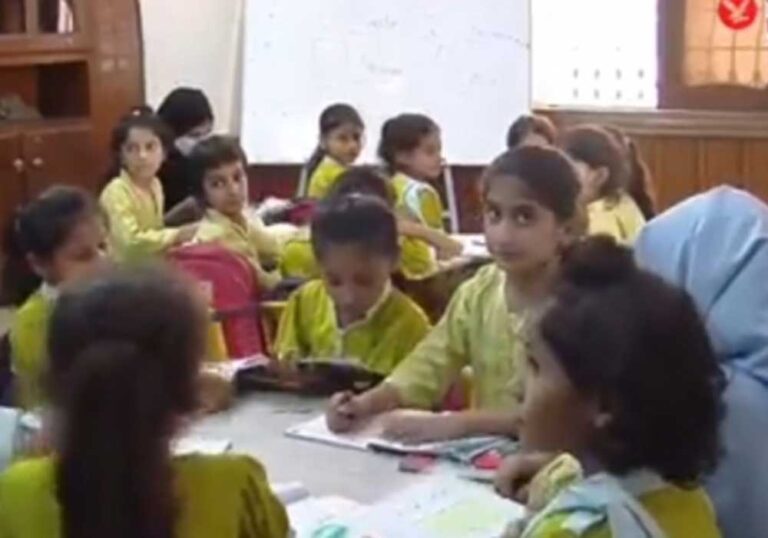
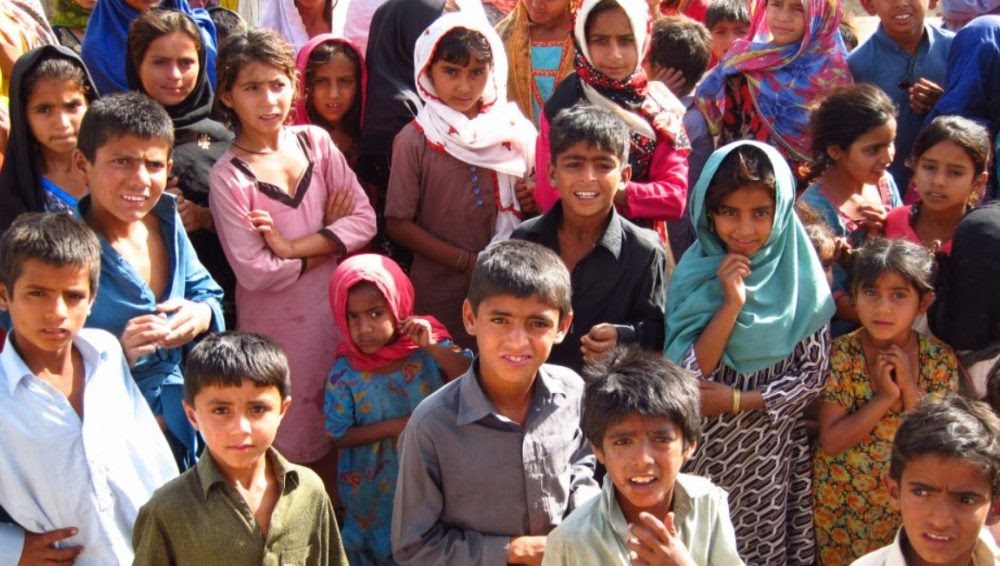
I am writing this letter for the people of Balochistan who are facing extreme poverty and unemployment. Most of the people in Balochistan can’t buy basic things like food, clothes, or shelter because they don’t have enough money. It is no longer a small problem, as we all know Balochistan is a land full of valuable resources like gas, gold, and copper. But the government is selling all these resources to other countries, while the local people remain poor.

Many people grow crops or raise animals to survive. Due to the lack of rainfall, the soil has been converted into dust. The lakes and rivers have completely dried up. Because of this, farmers cannot grow crops. Everything like rice, flour, sugar, and all these things is too expensive, so poor families can’t afford them. These things are brought from other cities, so the transportation costs make everything too expensive. These are some of the reasons why the people of Balochistan remain poor.

Many people in Balochistan are unemployed because there are no big factories, offices, or companies in Balochistan. People can only get government jobs, and the problem is that the government does not have enough jobs. Many people feed their families by buying and selling goods with Iran and Afghanistan. Now the government has closed the borders. Due to this, they can’t feed their families.

Most of the universities in Balochistan don’t teach modern skills; they just teach the old lessons. If they teach modern skills to the students, it will be easier for them to find jobs. All the time of the government is spent on the military; due to this, the government forgets to build factories or provide ways for people to earn daily wages.

Many young people who have university degrees are still unemployed. Because of frustration and hopelessness, some young people lose hope despite their efforts. The smart people leave the province and go to other cities and countries to study and get proper jobs. When young people don’t get jobs, they may turn to illegal activities such as drug abuse or smuggling.

To fix this problem, the government must take three steps. We request the authorities to spend the money made from the valuable resources of Balochistan on building local businesses, roads, and water infrastructure. The government should open markets on the borders so that people could trade and earn some money for themselves. And we want the government to open centers for young people where they could learn useful skills like mobile repairing and other useful skills so they could start their own businesses and earn some money.

Similar Posts

  • Losing Hope After Being Rejected

     By Granaz Assa Every student dreams of getting an opportunity to show their talent and prove their abilities. Schools and educational institutions regularly organize speech, debate, and other competitions to encourage students to discover their potential and build their confidence. These events are meant to inspire students and help them grow. However, there is an issue that is rarely discussed: the disappointment and loss of hope that many students experience after being rejected without being given a fair chance. Many students spend days or even weeks preparing for these competitions. They write and revise their speeches, practice repeatedly, and overcome their fear of speaking in front of an audience. They invest their time, energy, and emotions because they believe that their hard work will be recognized. Unfortunately, some students are rejected within just a few moments, sometimes before they even get the opportunity to present their speech. Such rejection can be deeply discouraging. While rejection is a natural part of life and no one can succeed every time, every student deserves a fair opportunity to demonstrate their abilities. If a student’s speech is weak, if their confidence is low, or if they need to improve their presentation skills, they should be informed of their mistakes with kindness and honesty. Constructive feedback helps students understand where they need improvement and motivates them to work harder. A student who knows their weaknesses can overcome them and return stronger in the future. On the other hand, rejecting students without any explanation or guidance only leaves them confused, disappointed, and hopeless. Instead of learning from the experience, they may begin to doubt their abilities. Such experiences can have a lasting impact on a student’s confidence. Many talented students stop participating in competitions because they fear facing rejection again. They begin to believe that their efforts have no value and that their voices do not matter. As a result, they lose the confidence to express themselves and miss opportunities to develop important communication and leadership skills. Educational institutions should remember that competitions are not only about selecting winners. They are also about encouraging learning, building confidence, recognizing potential, and helping every student grow, regardless of the final result. I have personally experienced this feeling. After being rejected without a chance to present my speech, I felt extremely hopeless and disappointed. I questioned whether all my hard work had been meaningless. However, I later realized that every student deserves encouragement, even if they are not selected. A few words of guidance and constructive feedback can restore confidence and inspire students to keep trying. By giving every participant a fair chance and treating them with respect, educational institutions can help students remain hopeful, determined, and ready to achieve greater success in the future.

  • The Growing Unemployment Crisis in Balochistan

    By Baloch khan Through the columns of your esteemed newspaper, I wish to draw the attention of the authorities to the growing problem of unemployment in Balochistan. Thousands of educated young people are unable to find suitable jobs despite completing their studies. This lack of employment opportunities is causing frustration, poverty, and forcing many talented individuals to leave the province in search of work. The government should create more jobs, support small businesses, expand vocational training, and ensure that recruitment is based on merit and transparency. Investing in industries and infrastructure can also help generate employment and improve the province’s economy. It is hoped that the concerned authorities will take immediate steps to address this serious issue and provide a brighter future for the youth of Balochistan.

  • Equal Treatment for Every Student

    By Baloch Khan Government schools are established to provide equal education and opportunities to every student. Unfortunately, in some schools, favoritism has become a serious concern. Some teachers give special attention to a few students while ignoring others. This unfair treatment discourages hardworking students and creates an unhealthy learning environment. Another troubling issue is the rude behavior of some teachers. Instead of guiding students with patience and respect, they often scold and humiliate them. Such behavior affects students’ confidence and their interest in education. Teachers should inspire children, not make them afraid of coming to school. The education department should monitor government schools regularly and take strict action against favoritism, negligence, and unprofessional behavior. Every child deserves equal treatment, respect, and a quality education

  • Criminals on Pak Sar Zameen

    We call Pakistan Pak Sar Zameen, “the Land of the Pure.” But pure for whom? Tell me, honestly… pure for whom? For the criminals? For the rapists? For the child abusers? For the killers who walk our streets untouched by iron shackles or jail cells? Because it certainly does not feel pure for our children. The entire country is busy discussing India’s Jantar Mantar, an issue that we have no business obsessing over. Everyone knows what India should do, but everyone forgets what Pakistan must do. On that very same day, while the nation was distracted by a controversy across the border, six-year-old Dua was murdered in Karachi. Where was the collective scream? Where was the demand for change? And where were the changemakers? We have time to argue about borders, about politics, about things that do not touch our homes. But when a child is murdered in our own city, we scroll past, we sigh, we say “Inna Lillahi wa inna ilayhi raji’un,” and we move on. We move on! And Dua is not alone. In 2026, it feels like every other day another child loses their life. Six-year-old Muhammad Wali from Lea Market. Three-year-old Kulsoom from Quaidabad. Tomorrow, another child will be slaughtered. Another name will join the cemetery’s roll call. How many more parents will decorate graves instead of hearing the pitter-patter of their tiny feet? This is the lullaby that replaces safety in our children’s souls. Our children fall into open manholes because nobody bothers to close them. They are thrown from rooftops. They are abused until they cry, raped until they are wounded, murdered until their funerals become routine. Yet we choke on the same bitter question. Why are the murderers not swinging from ropes? Why are the rapists not rotting in cells? Why are the abusers not dragged through the streets until they beg for death? A nation is not judged by how boldly it sings the national anthem. It is not judged by the scale of its army or the height of its flags. It is judged by the number of tiny coffins that leave its homes. So I ask again: if this is truly the Land of the Pure, why are the purest souls in this country the ones who cry alone, die alone, and are forgotten alone?

  • Why do children go wrong?

    By Zunaira Karim Letter to the editorChildren are the future of every society. They are born innocent and gradually learn their values, habits, and behavior from the people and environment around them. When a child becomes disobedient, dishonest, or involved in harmful activities, many people ask, “Who is responsible?” The answer is not simple because the responsibility is shared among parents, schools, society, and the child. Parents have the greatest influence on a child’s life. They are a child’s first teachers and role models. Children learn by observing their parents’ actions, attitudes, and behavior. If parents fail to give proper attention, guidance, love, and discipline, children may develop negative habits. Spending quality time with children, listening to their concerns, and teaching them good moral values are essential responsibilities of every parent. Schools also play a vital role in shaping a child’s character. Teachers not only provide academic knowledge but also help students develop honesty, respect, responsibility, kindness, and self-discipline. A positive school environment encourages children to make good decisions and become responsible citizens. Society and the media have a significant impact on children’s behavior as well. Friends, social media, television, and the internet strongly influence a child’s thoughts and actions. Exposure to violence, inappropriate content, or negative peer pressure can lead children in the wrong direction. Therefore, communities should work together to create a safe and supportive environment where children can grow with positive values. At the same time, children must also learn to take responsibility for their own actions as they grow older. They should be taught the difference between right and wrong and encouraged to make wise choices, even when faced with challenges or temptations. If a child goes wrong, no single person or institution is entirely responsible. Parents, schools, society, and the child all have important roles in shaping character and behavior. By working together, they can provide the guidance, support, and education that every child needs. A caring family, a strong educational system, and a positive society can help children become responsible, confident, and successful members of the community.

  • Brain Drain: A Growing Challenge for Pakistan

    By Asma Qayyum Brain drain refers to the migration of highly educated and skilled professionals to other countries in search of better employment opportunities, higher salaries, quality education, advanced research facilities, and improved living conditions. This phenomenon has become one of Pakistan’s most serious development challenges, affecting the country’s economic growth and human capital. According to the World Bank, Pakistan is among the countries experiencing a significant outflow of skilled workers. Furthermore, official data from the Bureau of Emigration and Overseas Employment (BEOE) show that hundreds of thousands of Pakistanis leave the country each year for overseas employment, including a large number of educated professionals. This growing migration places additional pressure on vital sectors such as healthcare, engineering, education, and information technology. Several factors contribute to brain drain, including unemployment, low salaries, limited research opportunities, political instability, economic uncertainty, and poor working conditions. As a result, many talented individuals believe they can achieve greater professional success and a better quality of life abroad. The consequences of brain drain are far-reaching. Pakistan loses experienced doctors, engineers, teachers, researchers, scientists, and IT specialists whose knowledge and expertise are essential for national development. The departure of these professionals weakens public services, reduces innovation, and slows economic progress. According to the Bureau of Emigration and Overseas Employment, 762,499 Pakistanis officially left the country for overseas employment in 2025. Since 1971, more than 15 million Pakistanis have been registered for overseas employment through the bureau. These figures highlight the scale of the issue and the urgent need for effective policy measures. To reduce brain drain, the government should create more employment opportunities, improve salaries and working conditions, invest in research, innovation, and higher education, and provide incentives that encourage skilled professionals to remain in or return to Pakistan. A stable economy, merit-based opportunities, and professional growth are essential to retaining the country’s talented workforce. Pakistan’s greatest asset is its people. By investing in its skilled professionals and creating an environment where they can thrive, the country can transform brain drain into brain gain and build a stronger, more prosperous future.

Leave a Reply

Your email address will not be published. Required fields are marked *