refining margins lowered

Refining Margins to Be Lowered, Diesel Set to Drop by 2.14 Baht

BANGKOK – Energy Minister Akanat Promphan has ordered a reduction in diesel refining margins aimed at lowering retail fuel prices by approximately 2.14 baht per litre, with the measure expected to take effect on Thursday. The decision marks the first time Thailand has used emergency powers to directly influence refinery pricing in order to ease the burden on consumers.

Thailand to Enforce Overnight Gas Station Shutdown After Songkran

Speaking after a meeting of the Energy Policy Administration Committee on Tuesday, Akanat announced that discussions had been held with domestic refinery operators, resulting in a resolution to cut refinery gate prices for B7 and B20 diesel by two baht per litre. The price adjustment is being based on Singapore market reference prices, and the decision will be expedited for publication in the Royal Gazette. The Oil Fuel Fund Management Committee is scheduled to meet on Wednesday to announce a new retail diesel price as quickly as possible. The total reduction, including tax adjustments, is expected to reach about 2.14 baht per litre, according to the minister.

Akanat explained that the decision to cut the refining margin by two baht was based on data from March, when refining margins surged to as high as seven baht per litre compared with the normal range of two to four baht. He stressed that the measure would not immediately push refineries into losses, as rising fuel demand continues to support profitability, although margins may narrow. The minister expressed appreciation to refinery operators for their cooperation, noting that some had agreed to implement the measure immediately.

The move is enabled under the 1973 emergency decree on preventing fuel shortages, which grants the Energy Policy Administration Committee authority to set refinery gate prices. This marks the first time such powers have been used in Thailand to directly influence refinery pricing. Akanat assured that the committee is to ensure that the policy does not lead to fuel shortages or disrupt refineries’ ability to import crude oil. Authorities will continue to assess whether the full reduction should be passed on to consumers or partly used to ease the burden on the Oil Fuel Fund. Further discussions are expected in mid-April to consider whether deeper cuts of two to five baht per litre may be appropriate, depending on energy price trends.

Regarding the idea of seeking financial contributions from the private sector similar to measures implemented in 2022, Akanat said Thailand should avoid being viewed as a failed state reliant on donations. However, he remarked that companies willing to assist the government as part of their social responsibility are welcome, though he preferred not to label such assistance as donations. He said it would be inappropriate for companies willing to contribute to bear the burden on behalf of those unwilling to do so, stressing that the current measure ensures shared responsibility across the sector while taking into account the financial capacity of refineries to sustain crude procurement.

Missing 57 Million Litres of Fuel Off-Loaded at Sea, Justice Minister Says

Once the reduction is published in the Royal Gazette, all fuel distributed domestically must comply, with penalties including imprisonment for violations, the minister warned. He assured that authorities remain open to discussions with operators should problems arise following the initial reduction. Last week, Akanat said he planned to cap refinery margins at three to four baht per litre in a bid to curb rising fuel costs without relying on subsidies, and that the ministry would use the powers available under the 1973 executive decree to review the pricing formula and consider Dubai crude prices.

-Thailand News (TN)
Similar Posts

  • | |

    Rising heat pushes even Africa’s resilient c…

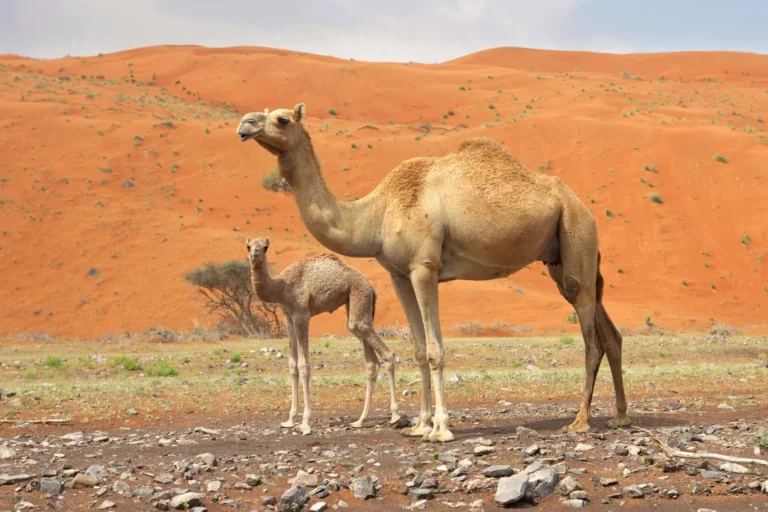
    Camel herders and scientists across Africa say that rising temperatures are now overwhelming animals long regarded as uniquely suited to desert extremes, with herds facing rising death tolls, illness, and shrinking grazing lands. In the Afar region of northeastern Ethiopia, among the hottest and driest places on the planet, nomadic herders traditionally lead camel caravans loaded with salt across the desert. Ali Umer, a 40 year old herder from Semera who owns around 500 camels, said he watches his animals struggle under conditions he has never seen before. He described blistered feet, watery eyes, and burned skin among his herd, and said the sand itself now scorches the animals as they rest. Umer said he lost eight camel calves in a single month due to extreme heat, and added that even the wind no longer brings relief. He said the changes have become noticeably worse in recent years. Umer’s account matches what researchers and veterinarians are documenting across the continent. Scientists and animal welfare specialists point to stress, fatigue, dehydration, and rising disease rates as direct consequences of extreme heat, while indirect effects such as water shortages, vegetation loss, and disappearing shade compound the damage. North Africa and the Horn of Africa are home to roughly 80 percent of the world’s dromedary camel population, the single humped variety that farmers across the region have increasingly relied on because of its reputation for withstanding drought and heat. A 2025 study examining herder perceptions in southern Ethiopia found that climate variability had measurably harmed camel health, productivity, and reproduction. The crisis appears especially acute in Somalia. Research published in June found that drought linked camel deaths have affected nearly 46 percent of camel owning households, based on a survey of almost 6,000 pastoral families. The mortality was heavily concentrated in northern areas, with the Sool region recording a death rate of nearly 73 percent. Experts say extreme heat is the central driver behind the region’s drought conditions, though poor veterinary access and weak herd management make outcomes worse. Atmospheric scientists have linked the severe 2021 to 2022 drought to sustained high temperatures, which accelerate evaporation from soil and water sources and increase the rate at which plants release moisture into the air. Veterinarians on the ground report a growing caseload tied to heat. Hassan Nuya Guyo, a veterinary officer in Marsabit county in northeastern Kenya near the Ethiopian border, said his clinic is seeing a sharp rise in hyperthermia cases that leave camels vulnerable to secondary infections. He said camel deaths in the county have risen more than 15 percent over the past two years due to heat and drought. Separate research from the Horn of Africa links heat stress to higher disease rates and falling milk yields among camel herds. A similar pattern is emerging in North Africa. A study conducted in Algeria and published this year documented a marked rise in camel deaths during summer heatwaves, with researchers noting clear seasonal mortality spikes that they say call for targeted responses such as emergency water supplies, supplemental feeding, and closer disease monitoring during peak summer months. The World Meteorological Organization says extreme heat events have become routine across North Africa, with heatwaves trending upward since 1981. Several countries in the region and the wider Middle East recorded temperatures above 50 degrees Celsius in 2024. The organization’s most recent State of the Climate in Africa report found that North Africa warmed faster than any other subregion on the continent between 1991 and 2025, at a rate of 0.43 degrees Celsius per decade. Camels are naturally equipped to handle heat up to about 40 degrees Celsius. Their bodies allow internal temperature to fluctuate throughout the day, reducing the need to sweat, while concentrated urine, dry waste, and a thick protective coat help limit water loss and block solar radiation. But researchers say those adaptations are no longer enough. Mohammed Bengoumi, a camel health specialist with the United Nations Food and Agriculture Organization who works across North Africa, said summer temperatures in large parts of the Sahara now regularly exceed 50 degrees Celsius, raising the risk of severe heat stress, especially where vegetation, water, and shade are already scarce. Abdelmadjid Chehma, a professor at the University of Ghardaia in Algeria who has conducted experimental research on desert camels, said sustained heat above 41 to 45 degrees Celsius damages the animals at a cellular level, weakening their immune systems and preventing white blood cells from repairing themselves. He said the resulting stress slows the animals’ metabolism as their bodies try to limit internal heat production, which in turn reduces appetite and causes lethargy, lower milk output, and reproductive problems. Mohammed el Khasmi, an animal hydrobiology expert at the University of Casablanca in Morocco, said his team has documented a wide range of heat related harm in camels, including weight loss, inflammation, muscle and bone damage, kidney related chemical imbalances, and parasite driven infections. The combined pressures are forcing some herding communities to abandon land they have used for generations. Daniel Gelan, a pastoralist development researcher at Vision University in Ethiopia, said herders in the country’s north are relocating permanently to southern areas with more reliable water and vegetation, rather than following the seasonal migration patterns of the past, because the northern region can no longer sustain camel herding. The Horn of Africa is still recovering from a severe drought that lasted from 2020 to 2023 and is now facing another period of harsh conditions, according to the charity Oxfam, which reported that water prices in parts of Somalia have jumped by more than 2,000 percent. Back in Afar, Umer said he fears disease could soon begin killing his adult camels as well. Chehma said that concern reflects a broader shift underway across the region, where an animal once seen as the ultimate survivor of desert life is now being pushed toward its own breaking point by the pace and severity of current heatwaves.

  • Thai Army Accuses Cambodia of Unlawful Detention at Poipet Border

    SA KAEO – The Royal Thai Army has issued a stark warning that Cambodian authorities are effectively detaining thousands of Thai citizens by blocking their return through the Poipet border checkpoint. The situation has escalated humanitarian and security concerns, with more than one hundred Thais already having re-entered Thailand illegally after being barred from departing […]

  • Summer Storms to Batter Upper Thailand From Thursday to Saturday, Meteorological Department Warns

    BANGKOK — A powerful summer storm system is set to sweep across upper Thailand from Thursday through Saturday, bringing thunderstorms, strong winds, lightning strikes and possible hail, the Meteorological Department warned in its second official alert issued on Wednesday morning. Thai Interior Ministry Issues Storm Alert for April 16–20 The storms will initially hammer the […]

  • Nakhon Si Thammarat’s Phra Mahathat Temple Earns UNESCO Status

    BUSAN, South Korea / BANGKOK, Thailand — The Phra Mahathat Woramahawihan Temple in Nakhon Si Thammarat has been officially inscribed on the UNESCO World Heritage List, marking a historic milestone as Thailand’s ninth World Heritage site and the very first to be located in the southern region of the country. Wat Arun Pagoda Added to […]

  • | | |

    Pakistani leaders praise Makkah Agreement as histo…

    Federal ministers, ministers of state, cabinet members and parliamentarians have welcomed the Makkah Agreement between Pakistan, Türkiye and Saudi Arabia. They described the agreement as a major step towards peace, security and stability in the region. The leaders said the agreement reflects a shared vision among the three countries. They said it could strengthen cooperation and improve regional security. Federal Minister Ahsan Iqbal said Pakistan had achieved a historic diplomatic success. He said the defence agreement could help open a new chapter of peace and stability in the region. Information Minister Attaullah Tarar also welcomed the agreement. He described it as a milestone for peace and security. He said the people had welcomed the development. Federal Minister Owais Leghari said the defence agreement between Pakistan, Saudi Arabia and Türkiye was a positive development. He said it would help strengthen the security of the three countries and contribute to peace in the region. Tariq Fazal Chaudhry said the agreement reflected the vision of the leadership of the three countries. He said it would further strengthen bilateral and trilateral relations. He added that the agreement could also promote unity among Muslim countries. He described it as a new source of hope for the Muslim world. Tariq Fazal Chaudhry said the agreement was an important step towards greater unity among Muslim countries. Amir Muqam said Pakistan was achieving significant diplomatic successes under the leadership of Prime Minister Shehbaz Sharif. Abdul Aleem Khan said the agreement would promote brotherhood and cooperation among Islamic countries. He congratulated the nation and the Muslim Ummah on the development. Minister of State Shaza Fatima said Pakistan was increasingly being recognised as a country committed to peace. She said the historic agreement would help strengthen Pakistan’s position internationally. Rana Sanaullah said signing the agreement in the holy city of Makkah was a matter of honour for Pakistan. He said the agreement between the brotherly countries could create new opportunities for peace and cooperation. He also praised the efforts of Prime Minister Shehbaz Sharif and Field Marshal Asim Munir in making the agreement possible. Sanaullah said stronger cooperation among Muslim countries could contribute to their development and prosperity. Daniyal Chaudhry described the Makkah joint defence agreement as a major diplomatic and security milestone for Pakistan. He said the leadership of Prime Minister Shehbaz Sharif and Field Marshal Syed Asim Munir had played an important role in achieving the historic agreement.

  • | |

    Marriyum Aurangzeb says Kashmiris have chosen PML-…

    Senior Punjab Minister Marriyum Aurangzeb has said that the people of Azad Jammu and Kashmir have already made their political choice in favour of the Pakistan Muslim League-Nawaz (PML-N). In a statement, Aurangzeb said Mirpur had given its verdict in favour of the PML-N on July 24. She linked the decision to the visit of PML-N leader Nawaz Sharif and party leader Maryam Nawaz to the city. According to Aurangzeb, the response from the people of Mirpur showed their support for the PML-N leadership. She said the people had made their choice clear through their political support. Aurangzeb said the PML-N’s electoral symbol, the lion, had also received strong support. She claimed that by voting for the lion symbol, the people had formally expressed their belief that the development of Azad Jammu and Kashmir was connected with the PML-N. She said the party was committed to the progress and development of the region. Aurangzeb maintained that the public response in different areas was an indication of growing support for the PML-N. The senior provincial minister also referred to the situation in Muzaffarabad. She said the people of Muzaffarabad had already announced their decision on July 21. Aurangzeb said the political choices made in Mirpur and Muzaffarabad reflected the direction of the election campaign. She suggested that the response from voters in both areas had strengthened the PML-N’s position. She further said August 2 would be an important day for the people of Azad Jammu and Kashmir. According to her, voters would use the lion symbol to formally announce their decision through the ballot. Aurangzeb urged Kashmiris to vote for the PML-N and support its leadership. She presented the party as a force for development and progress in Azad Jammu and Kashmir. The statement comes amid the ongoing electoral activity in the region. Political parties are campaigning to win the support of voters ahead of the final voting process. Aurangzeb’s remarks underline the PML-N’s focus on development as a central theme of its campaign. She said the people’s vote would determine the future political direction of Azad Jammu and Kashmir. The minister expressed confidence that voters would reaffirm their support for the PML-N on August 2 by voting for the lion symbol.

Leave a Reply

Your email address will not be published. Required fields are marked *