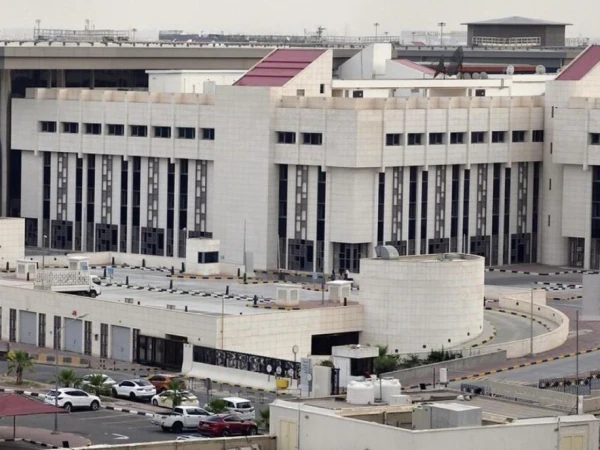
rising fuel costs

Rising Fuel Costs in Thailand Threaten to Push Grocery Prices Higher

BANGKOK – Rising fuel and transport costs are threatening to drive up prices of essential goods across Thailand, with consumer staples already showing signs of inflationary pressure as the Commerce Ministry works to stabilise retail prices until at least April.

Rising Fuel Costs Force Fishing Fleets Across Thailand to Dock

Somchai Pornrattanajaroen, honorary adviser to the Thai Wholesale and Retail Trade Association, said consumer goods were already being affected by higher energy costs and the government’s clearer energy policies, which have created ripple effects throughout supply chains.

Palm Oil Prices Climb

Bottled palm oil has been among the first items to see noticeable price increases, with one-litre bottles rising by five to eight baht depending on the brand. Wholesale prices have climbed from 41–42 baht to 48–49 baht per bottle, pushing retail prices in small shops to between 50 and 53 baht.

According to Mr Somchai, manufacturers have not notified customers in advance of these changes. Instead, they have signalled upcoming price adjustments by withdrawing promotional campaigns and suspending orders before announcing higher prices.

Two main factors are driving the increase in palm oil prices. Government policies promoting biodiesel have diverted significant volumes of crude palm oil into fuel production, reducing the supply available for household consumption. Additionally, rising packaging costs, particularly for plastic bottles, have contributed to the upward pressure, though industry estimates suggest this accounts for no more than one baht per bottle.

Wider Impact on Consumer Goods

Other essential items are also being affected. Bottled drinking water has seen wholesale price increases, with low-cost 500-millilitre packs rising from 20 baht to 25 baht due to higher plastic resin costs linked to oil prices and increased transport expenses.

Meanwhile, manufacturers of low-priced snack products have begun discontinuing items priced at five baht per pack, citing production costs that are no longer economically viable at that price point.

Government Response

Wittayakorn Maneenetr, director-general of the Department of Internal Trade, offered a more measured assessment of the situation, stating that retail prices for palm oil currently range between 42 and 50 baht depending on the brand, with no price hikes officially confirmed by producers or retailers.

“As a controlled product under the Price of Goods and Services Act, bottled palm oil remains subject to regulatory oversight,” he said. Authorities have asked businesses not to raise prices without justification and have urged consumers to remain calm.

The government maintains that Thailand holds approximately 350,000 tonnes of crude palm oil reserves, which is sufficient to meet domestic demand. Additional seasonal output is expected between April and July, which will help supply both household consumption and energy requirements.

Following consultations with nine major consumer goods producers, including Unilever, Procter & Gamble, Nestlé and other leading companies, the Commerce Ministry reported that inventories remain adequate and manufacturers have agreed to hold prices steady until at least April.

Supply Chain Vulnerabilities

However, ongoing instability in the Middle East could disrupt supply chains, particularly for plastic packaging materials, potentially affecting prices in the months ahead. To ease cost pressures, the government is coordinating with state agencies to secure raw materials such as plastic resin and solvents, including negotiations with South Korea to relax export restrictions.

The government is also considering stricter controls on six essential product categories, including detergents, personal care items and sanitary products, which would require prior approval before any price increases could be implemented.

Enforcement Measures

Enforcement measures are being strengthened across the country. Mr Wittayakorn said authorities would intensify inspections to prevent profiteering, ensure accurate product quantities, and monitor stock levels to deter hoarding. Officials are working to balance the need for market stability with the realities of rising global energy costs and supply chain disruptions.

Thailand Allows 24-Hour Fuel Deliveries to Ease Nationwide Shortages

For consumers and businesses alike, the coming weeks will determine whether these measures can successfully hold prices steady or whether the pressure from rising fuel costs will ultimately be passed on to household budgets across Thailand.

-Thailand News (TN)
Similar Posts

  • | |

    Poor internet access threatens girls’ education …

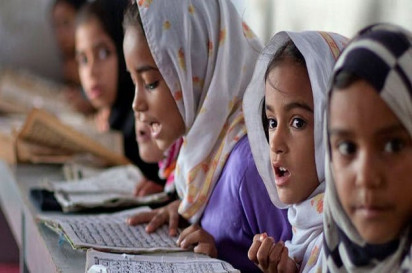
    PESHAWAR: Poor internet connectivity is creating serious problems for girls pursuing education in the merged districts of Khyber-Pakhtunkhwa. Students in remote areas often struggle to attend online classes. They also face difficulties downloading study material and submitting assignments. For 16-year-old Khadija Bibi from Kurram district, finding an internet signal has become part of her daily life. During the summer holidays, she often leaves her home and climbs a nearby hill. She carries her mobile phone with her. She stands on the rocky slope and searches for a stronger signal. She uses the limited connection to download lecture notes and complete academic tasks. She also tries to attend online classes from the hill. However, the weak network frequently disconnects. This causes her to miss lessons and submit assignments late. Khadija is a BS Computer Science student at Benazir Women University Peshawar. She said unreliable internet had become one of the biggest challenges in her education. She said students in remote areas were being left behind as education increasingly depended on digital technology. The problem is not limited to Kurram. Thousands of girls across the merged districts face similar difficulties. The region already has several major education challenges. Poverty remains a serious obstacle. Insecurity has also affected access to education. Many areas also lack proper schools and other educational facilities. The digital divide has added another challenge. Several schools in the merged districts either do not have computer laboratories or have laboratories without working computers. Some also lack internet connections. This prevents students from gaining basic computer skills. It also makes online education difficult. Official data highlights the wider education crisis in the region. Benazir Income Support Programme data shows that 66 per cent of children in North Waziristan are out of school. The rate stands at 63 per cent in Bajaur. It is 61 per cent in South Waziristan. Mohmand and Khyber each record an out-of-school rate of 51 per cent. Kurram and Orakzai each have a rate of 47 per cent. Girls face additional difficulties because of limited access to technology. The Khyber-Pakhtunkhwa Women Empowerment Policy 2026-2030 highlights the scale of the digital divide. According to the policy, only 11 per cent of women in the merged districts have access to the internet. The female literacy rate is also extremely low. It stands at only 17 per cent. Education and digital inclusion advocates say poor infrastructure is a major reason for the situation. Weak mobile networks make internet access unreliable. Many families also cannot afford smartphones or regular internet packages. Some girls have to borrow phones from family members. This makes it difficult for them to attend online classes regularly. Access to technology is also affected by social restrictions. In some communities, families remain concerned about girls using mobile phones and the internet. Concerns about online safety and social pressure often result in restrictions. Cultural norms can also limit girls’ access to digital technology. Experts say improving internet coverage alone will not solve the problem. Girls also need greater freedom to travel to schools, universities and training centres. Better transport facilities could help students reach educational institutions more easily. It could also improve access to vocational training and employment opportunities. Experts have urged the provincial government and telecommunications authorities to give greater attention to the merged districts. They say residents should receive reliable internet services similar to those available in settled areas. Improved digital infrastructure could transform educational opportunities for girls in remote communities. Reliable internet would allow students to attend online classes without travelling long distances. They could access digital libraries and educational resources. They could also develop computer skills and participate in online training programmes. For students like Khadija, internet access is more than a technological facility. It is directly linked to education and future opportunities. Without reliable connectivity, many talented girls may continue to struggle despite their willingness to study. Addressing the digital divide therefore requires investment in telecommunications infrastructure, schools, digital devices and affordable internet services. It also requires efforts to remove social barriers that prevent girls from using technology.

  • | | |

    Trump cuts military drills with South Korea over I…

    WASHINGTON: US President Donald Trump has expressed frustration with South Korea after Seoul declined to join Washington’s campaign against Iran, ordering the Pentagon to reduce joint military exercises with Seoul. Trump said he recently asked South Korea’s president whether the country wanted to participate in efforts to denuclearise Iran, but received a blunt response: “No, thank you.” The US president said he instructed Defence Secretary Pete Hegseth to cut back the military exercises with South Korea. Although the drills had already begun, Trump said it was too late to cancel them completely and criticised the decision to proceed with exercises he considers costly. The Ulchi Freedom Shield exercise began on Monday and is scheduled to continue through Aug 27. About 18,000 South Korean troops are taking part, with training focused on cyber and drone threats. Trump also argued that the exercises send an “inappropriate and hostile” message to North Korea. He pointed to his relationship with North Korean leader Kim Jong Un, saying Pyongyang had not posed a threat to the United States during his presidency and had maintained a respectful attitude. The decision has raised questions about the future of the US-South Korea alliance. Washington and Seoul regard joint military exercises as a crucial part of maintaining readiness and deterring North Korean aggression. Trump’s latest comments suggest the alliance could face pressure as his administration reshapes US military commitments and seeks stronger allied support for its Middle East policies. South Korea has proceeded with the scheduled exercises, while the move to scale them back could fuel debate over regional security and Washington’s long-term commitment to the Korean peninsula.

  • | |

    HSA controversy: representation before president a…

    Islamabad: A representation submitted before the President of Pakistan has requested an early decision in a workplace harassment case involving Dr. Shahzad Ali Khan and Dr. Ayesha Khan, after the applicant claimed the matter remained pending despite the completion of hearings. The application was addressed to the President of the Islamic Republic of Pakistan through the Secretary to the President, seeking directions for an early decision on Representation No. 18/WO/2026 pending before the Consultant to the President. According to the application, the Federal Ombudsperson for Protection Against Harassment of Women at Workplace (FOSPAH) issued an order on 13 February 2026, dismissing Dr. Shahzad Ali Khan’s complaint and ordering his removal from service. The applicant later filed a representation under Section 9 of the Protection Against Harassment of Women at Workplace Act, 2010. The representation states that both parties appeared before the Consultant to the President and presented their arguments. After hearing the matter, the Consultant reserved the decision on 12 May 2026, but according to the application, the final decision has not yet been announced. The applicant argued that unnecessary delay in deciding the representation is increasing difficulties and hardship, requesting that the matter be decided without further delay according to legal principles of timely justice. The case relates to proceedings under the workplace harassment law involving Dr. Shahzad Ali Khan and Dr. Ayesha Khan. The President Secretariat had earlier issued hearing notices regarding the representation against the FOSPAH order dated 13 February 2026 in Complaint No. FOH HQR H/0341/2025. The President Secretariat scheduled hearings before Mr. Justice (Retired) Irfan Qadir, Consultant Legal Affairs to the President, first on 2 April 2026 and later refixed the matter for 12 May 2026. The notices stated that the matter would be decided on the basis of available record. The dispute has attracted attention because the representation challenges a previous order passed by FOSPAH, while the final decision on the pending matter remains awaited. The available record shows that filing a representation does not itself establish innocence or final relief. The matter remains subject to examination under the applicable legal process, and the final outcome depends on the decision of the competent authority.

  • | |

    Fake arms licence racket busted in KP, two arreste…

    Police have uncovered a fake arms licence racket in Khyber Pakhtunkhwa, exposing an illegal network that allegedly produced forged weapon licences from a house. Authorities believe the operation had been running through a well-organised system and involved both private individuals and a government employee. According to police, the suspects were preparing counterfeit arms licences using computer equipment and printing materials inside a residential property. Investigators said each fake licence was sold for amounts ranging from Rs80,000 to Rs250,000, depending on the type of licence and the customer’s requirements. Police said an employee of the Home Department’s Licence Branch has also been found involved in the case. His alleged role is being investigated to determine how official records or procedures may have been misused. A case has been registered, and two suspects have been arrested during the operation. Police carried out a raid and seized a large quantity of equipment allegedly used to manufacture the fake licences. The recovered items include a laptop, a printer, ink bottles, around 700 licence cards, and other materials believed to have been used for printing forged documents. Investigators are examining the seized equipment to identify additional suspects and uncover the full scale of the operation. Police have also written to the Home Department, requesting assistance in the investigation. Officials are expected to examine departmental records to determine whether more employees were involved or if official data was misused. Sources in the Home Department said a committee will be formed to conduct a detailed inquiry into the incident. The committee will investigate the role of all individuals linked to the case and recommend legal and departmental action where necessary. CCPO Dr Mian Saeed said the investigation is progressing and that authorities are determined to bring everyone involved to justice. He said strict action will be taken against all suspects, including any government officials found responsible. He added that no official involved in the fake arms licence racket would be given any leniency, and the investigation would continue until the entire network is exposed.

  • | | | |

    Iranian strike hits Chinese company building in Ku…

    KUWAIT CITY: A building belonging to a Chinese company in northern Kuwait was struck during an alleged Iranian attack, leaving one worker dead and causing extensive structural damage, according to Kuwait’s Ministry of Defense. The ministry confirmed the incident in an official statement on Wednesday, saying emergency response teams and security agencies were immediately dispatched to the affected site to secure the area, assess the damage, and launch rescue operations. Authorities said one worker was killed in the strike, but did not immediately disclose the victim’s identity or nationality. Officials added that investigations are continuing to determine whether there were additional casualties or injuries and to establish the full extent of the damage caused by the attack. Images from the scene showed emergency personnel working around the damaged building as security forces cordoned off the area. Officials have yet to release further details regarding the type of weapon used or the circumstances surrounding the strike. In its statement, Kuwait’s Ministry of Defense stressed that the country’s armed forces remain on high alert and are fully prepared to safeguard Kuwait’s sovereignty, territorial integrity, and national security against any external threat. The ministry also urged the public to rely only on official government statements for updates, warning citizens against spreading or believing unverified reports and rumors circulating on social media. The attack comes amid heightened regional tensions linked to the ongoing confrontation between Iran and the United States, which has fueled growing security concerns across the Gulf region. In recent weeks, military facilities, energy infrastructure, commercial shipping routes, and strategic installations have increasingly come under threat, raising fears of a wider regional escalation. Security analysts say the latest strike demonstrates how the conflict is expanding beyond its primary actors, with neighboring Gulf states facing increasing risks from the deteriorating security environment. Kuwait, which has traditionally sought to maintain balanced regional relations, now finds itself confronting the possibility of being directly affected by the broader conflict. The incident is expected to intensify security measures across the country, particularly around critical infrastructure, industrial facilities, and foreign-owned commercial sites. Regional governments have already strengthened surveillance and emergency preparedness in response to the growing threat of cross-border attacks. No immediate statement was issued by Iranian authorities regarding the alleged strike. Meanwhile, Kuwaiti officials said investigations remain underway and pledged to provide further information as more details become available. The latest incident underscores the widening regional impact of the Iran-US confrontation and highlights growing concerns that escalating hostilities could increasingly affect civilian infrastructure and foreign businesses operating across the Gulf.

  • | |

    Zoha Tauqeer criticized for overacting in ‘Kaisa…

    Young Pakistani actress Zoha Tauqeer is facing criticism from viewers over her emotional performance in the drama serial Kaisa Yeh Ishq. Tauqeer, who has been building her career in Pakistan’s entertainment industry, first appeared on television through Chocolate Times. She co-hosted the show alongside her mother, television personality Ayesha Jahanzeb. She later became part of Public Demand and gradually moved into acting. (Reviewit.pk⁠) Her acting credits include projects such as Apa Shamim, Chawlbaaz and Zabt. More recently, she has appeared in Zahr-e-Mohabbat and Kaisa Yeh Ishq, where her performances have attracted considerable attention from viewers. However, the response to her latest performance has been mixed. A recent emotional scene from Kaisa Yeh Ishq sparked criticism on social media, with several viewers accusing the actress of overacting. Much of the criticism focuses on her crying and emotional expressions. Some viewers believe that her performance becomes too intense in certain scenes and takes away from the impact of the character’s emotions. Others have questioned whether she is being repeatedly offered similar roles that require prolonged emotional breakdowns. Several social media users also compared her acting style with other popular Pakistani actresses. Some comments described her as an “overactor,” while others joked that she appeared to be following a familiar style seen in emotional television performances. (Reviewit.pk⁠) Another criticism raised by viewers is that Tauqeer appears to be getting typecast. According to some reactions, many of her recent characters revolve around heartbreak, betrayal and crying, leaving little opportunity for her to demonstrate a wider acting range. However, criticism does not necessarily mean that Tauqeer lacks talent. She is still a young performer developing her craft, and Kaisa Yeh Ishq gives her an opportunity to experiment with emotionally demanding material. It is also important to remember that an actor’s performance is shaped by several factors, including the script, direction, editing and the way a scene is written. A highly emotional sequence can sometimes appear exaggerated because of the overall presentation rather than the actor alone. Tauqeer’s journey is particularly interesting because she began in front of the camera as a young co-host before transitioning into acting. Her experience with Chocolate Times and Public Demand gave her an early connection with television audiences before she started taking on dramatic roles. (Reviewit.pk⁠) The current backlash may therefore be another stage in her growth as an actress. As her career develops, taking on more varied characters could help her move beyond the emotional roles that viewers currently associate with her. For now, the discussion surrounding Kaisa Yeh Ishq shows that audiences are paying attention to Zoha Tauqeer. Whether the criticism affects her future choices or encourages her to explore a broader range of performances remains to be seen.

Leave a Reply

Your email address will not be published. Required fields are marked *