ukraine hits russian
|

Ukraine hits Russian refinery as Zelenskyy says ‘we’re done’ with Trump’s energy truce

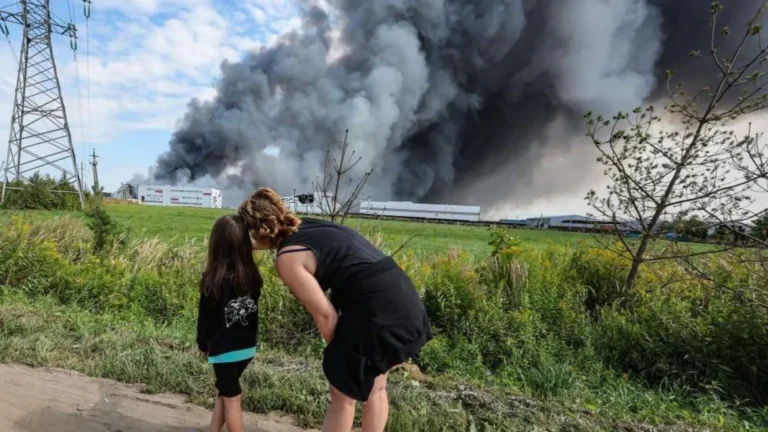
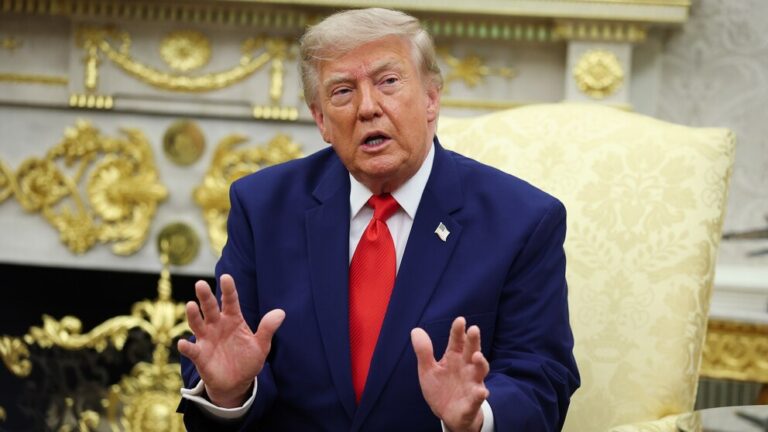
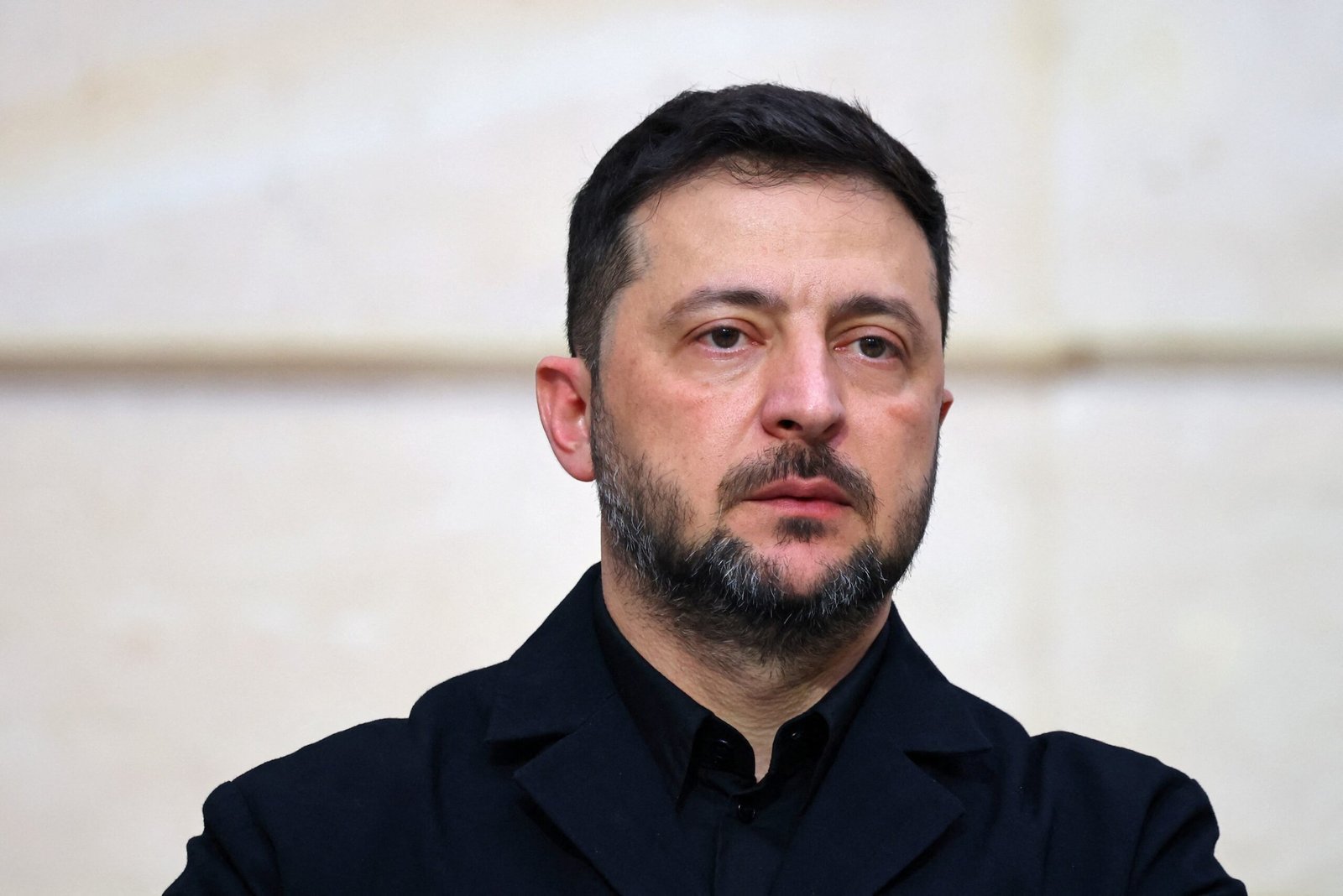
KYIV, Ukraine – Ukraine struck a Russian oil refinery on Thursday, October 15, after President Volodymyr Zelenskyy declared that Kyiv was abandoning a ceasefire covering energy sites announced by US President Donald Trump, and criticized Trump’s willingness to strike deals with Moscow.

By effectively walking away from Trump’s demand that Ukraine halt attacks on Russian refineries and openly criticizing the US leader, Zelenskyy risks deepening the biggest rift between Kyiv and Washington since Russia’s February 2022 invasion of Ukraine.


Ukraine hits Russian refinery as Zelenskyy says ‘we’re done’ with Trump’s energy truce

Ukraine’s latest target was a refinery in the Ryazan region southeast of Moscow, which is owned by state oil major Rosneft and accounts for nearly 5% of Russia’s refinery throughput, helping supply the capital.

Regional governor Pavel Malkov said on Telegram that a major Ukrainian drone attack had caused a fire at the refinery.

Russian President Vladimir Putin played down the effect of Ukrainian long-range attacks on Russian refineries, saying they had caused “nothing particularly significant.”

After Trump’s surprise announcement on Sunday that Russia and Ukraine had agreed to halt attacks on energy sites, Kyiv suspended attacks on Russian refineries, which Trump blames for raising diesel prices on global markets.

But in the days that followed, Russia rained down missile and drone strikes, including on energy targets such as power stations, knocking out power to hundreds of thousands of people.

Zelenskyy’s relations with Trump have been testy, particularly after a February 2025 Oval Office meeting descended into a shouting match.

Zelenskyy has since praised Trump and US help for Ukraine, and in recent days said Ukraine fully backed the energy ceasefire despite waves of Russian attacks.

Patience ran out

In an interview with the Financial Times published on Thursday, Zelenskyy said Ukraine’s patience had run out.

“The block (on attacking refineries) is out. We’re done,” he told the newspaper.

Zelenskyy also criticized what he saw as Trump’s willingness to strike deals with Russia, apparent admiration for Putin and an affinity for those wielding power or considerable wealth.

“He (Trump) speaks about it openly and loudly that he loves such people and he respects such people,” the FT quoted him as saying. “Because for him people who can be leaders 20 years, 30 years, 40 years, it means they can be very strong.”

In his comments to the FT, Zelenskyy also said he believed that changes in the capability of the military version of SpaceX’s Starlink receptors this week, which curbed Ukraine’s ability to pilot its drones, were a policy decision.

“It was not a technical problem, it was the will,” he told the FT.

British Defense Minister Wes Streeting said on Thursday that he and US Defense Secretary Pete Hegseth welcomed the restoration of the Starlink service in Ukraine and called for both sides to “move forward in a collective spirit.”

“We need President Trump engaged on Ukraine. He has been, and the diplomatic track is as important in ending the war as making sure Ukraine has the weapons it needs to see off Russian aggression,” he said on Fox News.

EU summit

Zelenskyy was due to attend a European Union summit on Friday and in a series of meetings ahead of the gathering stressed the need to strengthen air defenses.

In a social media post overnight, SpaceX boss Elon Musk said usage of the military version of Starlink, known as Starshield, was ultimately up to Trump as president of the United States.

“Starshield systems are owned and controlled by the US government. Any limits on speed or usage are decided by the US military and ultimately POTUS,” Musk wrote.

Although Trump has described the ceasefire as a requirement for both Moscow and Kyiv, his public comments have focused mainly on Ukraine’s attacks on Russian refineries, which he said over the weekend had “damn well better stop”.

Ukrainians worry that the rift could have severe consequences on the battlefield, where the Ukrainian military still depends on technology provided by Washington.

Ukrainian officials say that for several days they have not received the usual warnings, which rely on US satellite detectors, from Western allies about incoming Russian missiles.

Trump has denied withholding intelligence.

At the same time, military-grade Starlink receptors have stopped working in Ukraine when mounted on fast-moving objects, interfering with the performance of Ukrainian drones that rely on them for onboard guidance systems over Ukrainian territory.

A source in Ukraine’s defense ministry said on Thursday that the receptors were now working when in motion, but only at speeds of up to 100 miles per hour (160 kph). Ukrainian officials say that is too slow for mid-range attack missions and interceptor drones that defend against Russian drones.

Defense experts said, and a Reuters analysis of satellite imagery, meanwhile, showed that Russia had in just six weeks nearly finished building a major base in southern Russia for launching jet-powered drones.

Ukraine has been using its long-range drones to target Russian refineries and logistics in recent months, which it says is its only answer to nearly five years of relentless Russian bombardment. The attacks have caused fuel shortages in Russia.

Trump is under pressure to lower fuel prices, with his Republicans facing midterm elections in less than three weeks,. Prices for diesel have reached record highs since he launched a war against Iran in February, though Trump says the Ukrainian attacks are driving up global prices.

In the Black Sea, rescuers searched for seven missing sailors after drones struck two chemical tankers near Romania’s Black Sea coast, setting them ablaze in the latest attack on shipping along a vital route used by Ukraine.

The Kremlin said on Thursday that Ukraine’s targeting of Russian energy infrastructure ran counter to US peace efforts. It said earlier this week that the scope of the energy ceasefire had never been determined and work was ongoing to do so. – Rappler.com

Similar Posts

  • | |

    Trump vows heavy strikes on Iran’s Pickaxe M…

    President Donald Trump said Monday that US forces will hit the Pickaxe Mountain area, located near Iran’s already heavily damaged Natanz uranium enrichment facility, very heavily in the near future. Trump had threatened the site last week, saying the United States was going to take out Pickaxe Mountain, a heavily fortified location tied to Iran’s nuclear program that contains two deeply buried tunnel complexes. He also said Tuesday that Tehran wanted to meet desperately, adding that Washington has no interest until Iran shows readiness to engage in a meaningful way. Facing mounting political pressure at home over rising gasoline prices since the war began, and with Iran having effectively closed the Strait of Hormuz, Trump defended the latest strikes as a response to the deaths of American service members killed in recent Iranian attacks. He wrote on social media Monday that Iran will pay many times over every time it kills an American soldier, saying he had passed the directive to Secretary of War Pete Hegseth, Joint Chiefs Chairman Daniel Caine and every military leader. The broader conflict has killed thousands of civilians, most of them in Iran and Lebanon, where Israeli forces have occupied part of the country following attacks by Hezbollah fighters who said they acted in solidarity with Tehran. Lebanese President Joseph Aoun met Trump at the White House Tuesday, thanking him for what he called a historic achievement in signing a Lebanon Israel framework agreement. Aoun said he had looked forward to the visit for a long time and that the region is due for stability and security. Trump said he would speak with Hezbollah if Aoun wanted him to, noting he has already communicated with the group through intermediaries in June and secured a pledge that it would not attack Israel, a first for any US president given Hezbollah’s designation as a terrorist organization. Trump also addressed threats from Yemen’s Houthi movement to block Red Sea shipping, saying the United States would take care of business if the group follows through on a naval blockade. Two oil tankers carrying Saudi crude toward Asia reversed course in the Red Sea Tuesday after Houthi threats, diverting toward the Suez Canal, though Saudi Arabia’s Red Sea port of Yanbu continued operating normally. The Houthis said Monday they were imposing an immediate maritime embargo against Saudi Arabia, citing what they called an unjust and oppressive siege imposed on Yemen for nearly 12 years. The Saudi led coalition in Yemen said it would respond with force and began protective measures for ships transiting the Bab el Mandeb Strait, a critical route for Saudi oil exports following the effective closure of Hormuz. Yemen’s defence minister said separately that the government’s army stood ready to end what he called the Houthi coup, while clashes between government forces and Houthi fighters have resumed in parts of the country. Iran’s Revolutionary Guards said two oil tankers exploded after attempting to pass through the Strait of Hormuz via an unsafe route, a claim that followed a similar Sunday statement describing an accident involving two vessels in the same area, though it remains unclear whether the incidents were connected. A separate vessel was struck by an unidentified projectile off Oman’s coast near the strait, according to the United Kingdom Maritime Trade Operations agency. Inside Iran, explosions were reported in Tabriz, Chabahar, Konarak, Bandar Mahshahr and Bandar Imam Khomeini, with one person killed and several wounded southwest of Tabriz, state media reported. Iran’s Guards said they targeted US aircraft at Jordan’s Aqaba airport with ballistic missiles, along with military assets at Kuwait’s Al Adiri camp and Ali Al Salem Air Base, and additional positions in Syria. Air raid sirens sounded repeatedly in Bahrain throughout Monday, and Kuwait’s army said early Tuesday that its air defenses had again intercepted Iranian drones. Kuwait also said Iran struck its power and desalination infrastructure for a fourth consecutive day, sparking fires at several critical facilities that authorities have since extinguished while damage assessments and repairs continue. The United Arab Emirates condemned Iranian strikes on Bahrain, Kuwait and Jordan as a flagrant violation of sovereignty and pledged full solidarity with the three nations. A separate vessel was struck by an unknown projectile off the UAE coast near Dibba, damaging its steering gear, though all crew members remained safe. Iranian state media quoted a military source as saying the Strait of Hormuz will stay closed as long as US strikes continue, with the source describing the waterway as fully under Iranian military control. Iran’s Guards also claimed a strike on central data infrastructure belonging to Amazon in Bahrain, a claim that could not be independently verified. Amid the widening conflict, the Association of Southeast Asian Nations called Tuesday for maximum restraint and an immediate halt to hostilities between Washington and Tehran, warning that continued fighting undermines mediation efforts and diminishes prospects for a peaceful resolution. A senior Iranian official said Tehran had received a proposal from mediators for a ten day ceasefire aimed at salvaging the interim agreement reached in June, though no further details were provided. Pakistani officials said Iran’s interior minister had asked Islamabad to resume its mediation role, and he later traveled to Pakistan for additional talks, continuing a diplomatic effort that Pakistan and Qatar have led since the earlier memorandum of understanding was signed. Separately, Britain’s new government faces pressure from Washington to maintain American access to strategic military bases including RAF Fairford and the Diego Garcia base on Chagos Island, according to a British newspaper report, with Trump said to be pressing new Prime Minister Andy Burnham on the issue shortly after Burnham took office this week.

  • |

    France’s top court blocks social media ban for under-15s

        France’s Constitutional Council, the country’s highest constitutional authority, has rejected a proposed law that would have banned children under the age of 15 from accessing social media. The decision represents a setback for President Emmanuel Macron, who had strongly supported measures aimed at protecting young people from the potential harms of social media. The proposed legislation would have prevented children below 15 from creating social media accounts from September 1. It also required social media companies to close accounts belonging to existing under-15 users within four months. Platforms would have been required to introduce an age-verification system approved by France’s privacy regulator to determine whether users met the minimum age requirement. However, the Constitutional Council ruled that important parts of the legislation did not provide sufficient legal safeguards. In particular, the council objected to the requirement that users prove their age without clearly defining the conditions and limits surrounding the collection and use of such information. According to the council, the legislation placed disproportionate restrictions on freedom of expression and communication. It also failed to adequately protect individuals’ right to privacy. The ruling effectively prevents the law from coming into force in its original form. French lawmakers had approved the legislation in July, making France one of the first European countries to pursue such a comprehensive restriction on social media use by young teenagers. The move followed Australia’s decision to introduce a world-first social media ban for children under 16 in December. The Australian restrictions cover major platforms such as Facebook, Snapchat, TikTok and YouTube. Australian lawmakers are now considering stronger penalties for companies that fail to comply, although early data has indicated that the ban has had mixed results. Several other countries have also taken steps to restrict young people’s access to social media. China, the United Arab Emirates and Türkiye have introduced measures or discussed plans aimed at limiting children’s access to online platforms. At the European Union level, authorities have also indicated that stronger protections may be needed to shield children from harmful features and content on social media platforms. Major technology companies have generallyFrance’s Constitutional Council, the country’s highest constitutional authority, has rejected a proposed law that would have banned children opposed blanket restrictions, arguing that they already provide tools and age-based safeguards to protect younger users. At the same time, companies have indicated that they would follow government regulations where required. Google, Meta, Snap and TikTok had not immediately issued comments on the French court’s decision. Following the ruling, Macron instructed Prime Minister Sebastien Lecornu to revise the proposed legislation and address the Constitutional Council’s concerns. The Elysee Palace said the French president remains committed to introducing the reform. The government wants a revised version of the legislation to take effect before spring 2027, when France is scheduled to hold its next presidential election. Macron is constitutionally barred from seeking a third consecutive term, making the issue a significant part of his government’s remaining agenda.

  • |

    UK vows to stand by Ukraine as Russia warns of “Consequences” over British drone support

    UK Prime Minister Andy Burnham has reaffirmed Britain’s commitment to supporting Ukraine, saying the country will continue to stand firmly with Kyiv despite warnings from Moscow over Britain’s involvement in the conflict. Burnham said the UK would remain a reliable supporter of Ukraine and would continue providing assistance as the war continues. His comments came after Russia criticised Britain’s role following confirmation that British-made drones had been used in recent Ukrainian attacks inside Russian territory. “We are not fair-weather friends,” Burnham said, stressing that Britain would remain with Ukraine during what he described as its “hour of need”. He added that the UK’s position was to provide Ukraine with the support necessary to defend itself. The Russian embassy in the UK responded by accusing Britain of deliberately increasing tensions surrounding the war. It warned that the greater Britain’s involvement in the conflict became, the greater the consequences could be for the UK. The embassy said London’s actions would eventually have consequences for which Britain would have to take responsibility. However, it did not provide specific details about what form those consequences might take. The latest dispute follows an increase in Ukrainian attacks against targets deep inside Russia. Ukrainian forces have recently focused on areas including Moscow and other parts of the country, with oil refineries, logistics facilities and other strategically important sites among the reported targets. One company affected by the attacks is Wildberries, a major Russian online retailer. Its logistics infrastructure has reportedly been damaged during recent Ukrainian drone strikes. Asked about Moscow’s warning, Burnham defended the UK’s policy of assisting Ukraine. He said Britain was providing support to enable Ukraine to protect itself and argued that this had been the country’s position throughout the conflict, including under previous British prime ministers. The UK has been one of Ukraine’s strongest international supporters since Russia launched its full-scale invasion in February 2022. Britain has supplied Kyiv with military equipment, training and technology, including drone capabilities and Storm Shadow missiles. The UK’s Ministry of Defence has also reiterated its commitment to supplying Ukraine with the equipment it needs to defend itself against Russian forces and what it described as President Vladimir Putin’s illegal invasion. Russia currently occupies around one-fifth of Ukraine, but Russian troops have made limited progress along the front line in recent months. Despite the lack of major advances, however, attacks and casualties continue to occur far from the main battlefield. United Nations officials have reported a sharp increase in civilian casualties. At least 437 civilians were killed in Ukraine last month, making it the country’s deadliest month for civilians since May 2022. More people were killed in the latest Russian attacks on Tuesday. Seventeen Ukrainians reportedly died in different parts of the country. Ten people were killed in the north-eastern village of Pechenihy after two missiles struck the area. Residential buildings, a cafe and a post office were among the places damaged. Other deaths were reported in Sumy, Zaporizhzhia and Kherson, with three people killed in Sumy and two each in Zaporizhzhia and Kherson. Meanwhile, Moscow’s latest warning came after a series of Ukrainian strikes inside Russia. Five people were reportedly killed in a residential area of Russia’s Rostov region during attacks over the weekend. Ukraine has also launched hundreds of drones towards the Moscow region in recent days. Regional governor Andrey Vorobyov said on Tuesday that a 10-year-old girl was injured and a Wildberries warehouse was damaged. Alongside foreign-made equipment, Ukraine has increasingly relied on its own defence industry. Ukrainian forces have recently used domestically developed drones and missiles, including the FP-5 Flamingo cruise missile. The latest developments demonstrate the increasingly long-range nature of the conflict and the growing risks faced by countries supporting Ukraine. Despite Moscow’s warnings, Britain maintains that helping Ukraine defend itself remains a central part of its policy.

  • | | | | |

    Trump imposes forced labor tariffs on 60 trading partners, including Philippines

    (1st UPDATE) ‘We can still negotiate,’ says Philippine Ambassador to the US Jose Manuel Romualdez in a message to Rappler, when asked whether Trump’s decision was final

  • |

    Acting US Attorney General rescinds $1.8 billion initiative to clear path for Senate confirmation

    Acting US Attorney General Todd Blanche has issued an official order rescinding the controversial $1.8 billion “Anti-Weaponisation Fund”, resolving a key point of friction ahead of his confirmation vote before the Senate Judiciary Committee. The action follows extended negotiations with Republican Senators John Cornyn and Thom Tillis, who had withheld support for the nomination pending written assurances that the initiative would be permanently discarded. Although Blanche previously indicated in Congressional testimony that the department would not move forward with the program, lawmakers sought a formal rescission to prevent its potential revival. The directive also clarifies terms surrounding a related legal settlement, stipulating that provisions concerning tax audit protections apply exclusively on a retroactive basis to open claims active at the time of the agreement and do not extend to future tax filings.

  • | | | |

    Trump touts Iran talks as Netanyahu arrives

    US President Donald Trump has said that Washington is engaged in “very friendly talks” with Tehran as efforts continue to prevent a fresh escalation in the Iran war. Trump’s remarks came as Israeli Prime Minister Benjamin Netanyahu arrived in Washington for talks with the US president. The meeting is expected to focus heavily on the conflict with Iran and the possibility of reaching a longer-term agreement. The latest developments come after several days of reduced military activity between the United States and Iran. However, tensions remain high. Both sides continue to issue warnings and maintain their military positions. Iran has indicated that it remains open to diplomacy. At the same time, Tehran has warned that it is prepared to respond strongly if the United States launches another attack. Iranian officials have also stressed that Washington will not decide when the country should choose between negotiations and confrontation. Tehran has said that communication with the US is continuing through intermediaries. Qatar and Pakistan are among the regional countries involved in facilitating communication between the two sides. Iranian officials have described the diplomatic channel as active but uncertain. Several major issues remain unresolved. The nuclear programme is expected to be one of the central subjects in any future agreement. Sanctions, compensation for war-related damage and security arrangements are also likely to complicate negotiations. The Strait of Hormuz remains another major obstacle. The strategic waterway is vital for international energy supplies. Iran has insisted on maintaining a significant role in controlling and regulating movement through the strait. Washington, meanwhile, wants the waterway to return to normal operations. The issue has become an important source of leverage for Tehran and a major concern for the global energy market. Trump has indicated that he wants an agreement but has also warned that military action could resume if diplomacy fails. His comments have added pressure to the ongoing negotiations. The situation has also created wider economic concerns. Australia, which relies heavily on imported fuel, is considering plans for a new domestic oil refinery. The proposal comes as disruptions to global energy supplies raise concerns about fuel security. The conflict has also affected several Gulf states. Saudi Arabia has condemned a reported drone attack by Iran-aligned groups in Iraq targeting Riyadh and energy infrastructure in the kingdom’s Eastern Province. Satellite imagery has also shown smoke rising from areas in Saudi Arabia after Yemen’s Iran-aligned Houthis claimed attacks against oil-related facilities. Meanwhile, Netanyahu’s visit to Washington has added another layer to the diplomatic situation. Israel took part in the military campaign against Iran alongside the United States but has not been directly involved in the latest US-Iran diplomatic contacts. The Israeli prime minister is expected to discuss the conflict with Trump. Differences could emerge over the direction of US policy and the possibility of a diplomatic settlement. The meeting also comes amid continuing Israeli military operations in the occupied West Bank. Israeli forces have carried out further raids in the territory, while former senior Israeli military officials have reportedly urged Trump to pressure Netanyahu to reduce the violence. UN High Commissioner for Human Rights Volker Turk has also raised concerns over alleged violations of international law in the region. His office has documented incidents in Lebanon and said some could potentially amount to war crimes. Despite the latest diplomatic activity, the path toward a lasting agreement remains uncertain. Washington and Tehran appear interested in avoiding another major escalation, but serious disagreements continue to stand in the way of a final settlement. The Strait of Hormuz, Iran’s nuclear programme, sanctions and the consequences of the conflict are likely to remain central to the next phase of negotiations.

Leave a Reply

Your email address will not be published. Required fields are marked *