russian embassy denies

Russian Embassy Denies Mercenary Allegations in Thai-Cambodia Border Conflict

The Russian Embassy in Thailand has formally rejected media reports claiming that Russian citizens are acting as mercenaries for Cambodia in the ongoing border conflict with Thailand. In a statement issued on Facebook, the embassy dismissed the allegations as unfounded and likely fabricated from sources outside the region.

Korat Police on Alert for Possible Foreign Mercenaries, Drone Activity

The embassy asserted that these reports not only risk violating the rights of Russian citizens currently in Thailand for tourism or business but also harm the long-standing friendly relations between Russia and Thailand. It referenced a December 11 briefing by the Russian Ministry of Foreign Affairs, reiterating Moscow’s position of maintaining traditionally friendly ties with both nations involved in the dispute.

“Russia has traditionally maintained friendly and cooperative relations with both Thailand and Cambodia,” the embassy stated, emphasizing that Moscow supports resolving all disputes exclusively through peaceful means. It called for responsible reporting to prevent misinformation from escalating tensions or damaging bilateral relations.

The denial comes amid heightened security alerts within Thailand. Earlier reports indicated that Thai authorities were monitoring suspicions of foreign mercenaries, potentially on Cambodia’s payroll, conducting espionage related to the border tensions. Concerns were partly driven by the Thai military’s observation of increasingly sophisticated drone operations by Cambodian forces, suggesting the involvement of specialized personnel.

In response, police in Nakhon Ratchasima province—home to a key Royal Thai Air Force base with F-16 jets recently active in the conflict—had urged the public to report sightings of suspicious foreign men, particularly Russians staying in local accommodations. A police spokesperson confirmed last Wednesday that security had been intensified at Bangkok’s international airports to monitor reports of mercenaries transiting to Phnom Penh.

Border Clashes Escalate as Cambodian Rockets Strike Surin’s Ta Kwai Area

The Russian Embassy’s statement represents a direct attempt to quell the narrative, underscoring Russia’s official neutrality and urging a focus on diplomatic resolution.

-Thailand News (TN)
Similar Posts

  • Chinese Call Centre Gang That Fled Cambodia Arrested in Nonthaburi

    NONTHABURI — Police have arrested 14 Chinese nationals believed to be members of a call centre gang who fled Cambodia and were hiding in a hotel in the Ngamwongwan area of Nonthaburi, seizing 52 mobile phones and SIM cards during the operation. Chinese Social Media Influencer Rescued from Cambodian Streets Following Job Scam The arrests […]

  • | | |

    Jamaat-e-Islami storms streets over petrol levy

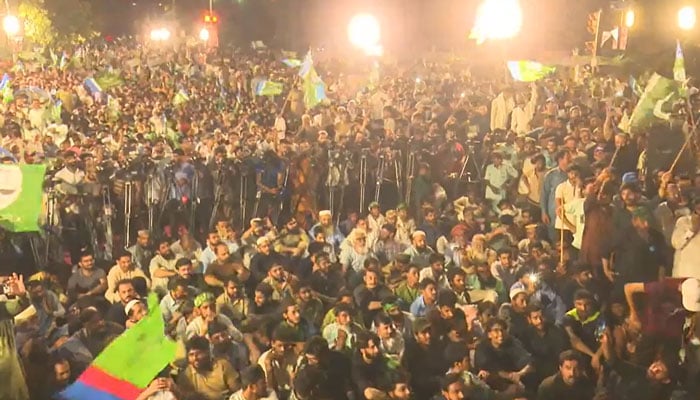
    Jamaat-e-Islami (JI) has staged sit-ins in Karachi, Lahore and Peshawar against the petroleum levy, rising fuel prices and inflation. In Karachi, a JI rally led by Karachi chief Munim Zafar reached Fawara Chowk. The party had announced a sit-in outside the Governor House to protest the petroleum levy. JI workers are moving towards the Governor House from the Sindh High Court. Party activists have been raising concerns over the impact of the petroleum levy and rising fuel prices on the public. Following the sit-in at Fawara Chowk, the road leading towards the Press Club and Arts Council remains open for traffic. Police personnel have also been deployed near the Governor House to maintain security and manage the situation. In Lahore, JI workers staged a sit-in at Faisal Chowk on Mall Road, near the Chief Minister’s House. JI Pakistan chief Hafiz Naeemur Rehman also reached the protest site and joined the demonstrators. The protest in Lahore was led by JI Punjab chief Javed Kasuri and other party leaders. The protesters are demanding relief from rising petroleum prices and the petroleum levy. The party has also criticised the increasing burden of inflation on ordinary citizens. JI leaders have called for measures to reduce the financial pressure faced by the public. In Peshawar, JI workers staged a sit-in outside the Governor House. The protest has resulted in the closure of the road up to the Sadar Khyber Pakhtunkhwa Assembly Chowk. JI Deputy Emir Liaquat Baloch is scheduled to address the protesters in Peshawar. Party leaders are expected to highlight their demands regarding petroleum prices, the levy and inflation. The demonstrations are part of JI’s wider campaign against the petroleum levy and rising prices. The party has announced protests in different cities to pressure the government to provide relief to consumers. JI leaders have argued that increases in petroleum prices affect the prices of transport, food and other essential goods. They have demanded that the government reconsider the petroleum levy and take steps to control inflation.

  • Chinese National Seriously Injured by Landmine While Illegally Crossing Thai-Cambodian Border

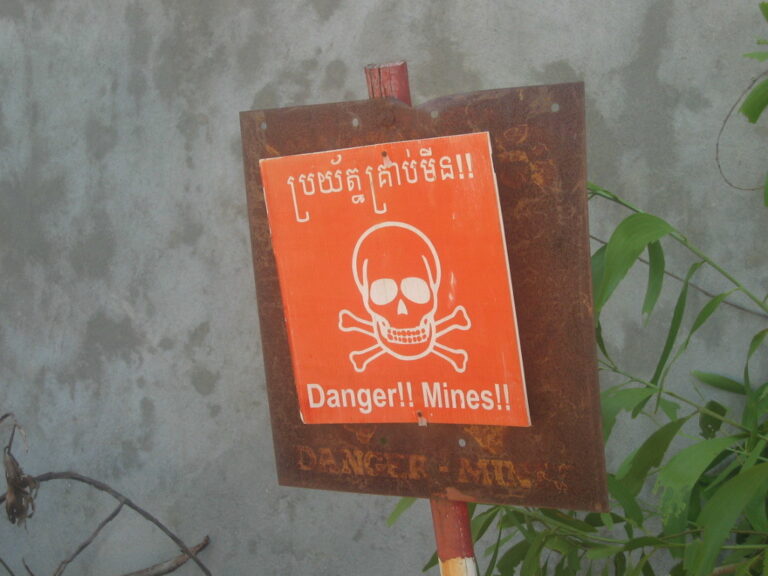
    SA KAEO – A 26-year-old Chinese man lost his leg after stepping on a landmine while attempting to illegally enter Thailand through a contested border area in Sa Kaeo province early Saturday morning. The incident occurred in the forested zone near Ban Nong Chan, a region known for persistent border tensions. ASEAN Observers Confirm New […]

  • | | |

    PM forms top panel to revive Iran gas pipeline

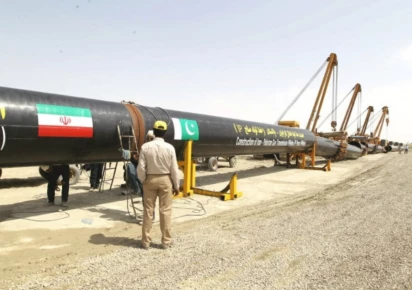
    Prime Minister Shehbaz Sharif has formed a high-level committee to find a mutually acceptable solution to the long-delayed Pakistan-Iran gas pipeline project, which has remained stuck for more than a decade. Petroleum Minister Ali Pervaiz Malik informed the Senate that the committee is examining the legal, financial and energy implications of the project. It will assess Pakistan’s potential financial exposure in the ongoing arbitration process while also considering the country’s future energy requirements. The minister was responding to a calling-attention notice raised by Senator Talha Mahmood. He said the government was seeking a negotiated solution rather than allowing the dispute to become more complicated through prolonged litigation. Describing Iran as a “brotherly country”, Malik said the leadership of Pakistan and Iran remained in contact and was working towards an amicable settlement. He noted that Iran had already completed substantial infrastructure on its side of the project. Iranian authorities have brought gas from the South Pars field towards a major city close to the Pakistani border. The dispute over the pipeline has reached international arbitration in Paris. Pakistan is therefore assessing the possible financial consequences of the project delays and the legal proceedings before deciding its next course of action. The government is also reviewing whether the pipeline can be made commercially viable. Pakistan has previously asked Iran to cut its gas price by around 50 per cent and reduce the proposed supply volume because several domestic sectors have shown limited interest in purchasing Iranian gas at existing prices. Officials have said that domestic consumers and fertiliser plants are currently receiving gas at significantly lower prices than the cost at which imported gas could be supplied through the project. Power producers have also indicated that purchasing imported gas at prices above Rs2,000 per million British thermal units would not be commercially feasible. The government has therefore been considering a lower price as a potential benchmark for making the pipeline economically sustainable. Pakistan has also indicated that it could move ahead with the project if the United States provides a waiver allowing energy cooperation with Iran despite Washington’s sanctions regime. The Iran-Pakistan pipeline, commonly known as the Peace Pipeline, was originally designed to transport Iranian natural gas to Pakistan and help address the country’s long-term energy needs. Iran completed a substantial portion of the pipeline within its territory. Pakistan, however, did not complete its section by the agreed deadline, leaving the project largely dormant. US sanctions against Iran, difficulties in securing financing and wider geopolitical tensions have complicated Pakistan’s efforts to complete the project. The issue has also resulted in legal disputes between the two countries. Iran initiated international arbitration proceedings in Paris over delays in the implementation of the project. Meanwhile, the petroleum minister told the Senate that the government was separately addressing gas-related problems in Balochistan. He said Prime Minister Shehbaz Sharif had instructed him to engage with provincial stakeholders. Another high-level committee, headed by Deputy Prime Minister and Foreign Minister Ishaq Dar, is examining gas-related issues in the province, including technical and payment-related matters. The latest move indicates that Islamabad is attempting to balance its obligations under the Iran gas project with its financial constraints, international commitments and changing energy requirements.

  • | |

    Tokyo’s shorts policy for office workers spa…

    Japanese men are showing more leg at work than ever this summer, as the Tokyo Metropolitan Government continues pushing employees toward casual attire that includes shorts alongside t-shirts and trainers. Tokyo Governor Yuriko Koike introduced the initiative, known as Tokyo Cool Biz, in April, aiming to build on her signature cooling campaign that has become a recognized annual tradition across the city each summer. Nearly four months into the programme, the newly permitted office shorts have drawn a mixed reaction from workers and commentators alike. Some people have welcomed the more relaxed dress code, saying it allows them to work comfortably despite the intense summer heat. Others argue the policy creates an unequal standard for women, who remain expected to wear tights even when showing part of their legs, while men can now go bare legged in shorts. A number of women have also described discomfort at having to see male colleagues’ leg hair in the office, a phenomenon some online commentators have labeled leg hair harassment. Noboru Watanabe, an environmental official with the Tokyo Metropolitan Government, said the goal is to give people more clothing options during severe heat rather than dictate what they must wear, adding that there should be no issue as long as workplace attire does not offend anyone. Casual dress has grown more common among Japanese workers in recent years, particularly at startups and technology companies, but this year’s government recommendation has made the shift more broadly acceptable across traditional workplaces as well. Even so, some men have reported feeling self conscious about exposing their leg hair for the first time in a professional setting. Dr. Akifumi Funatsu, director of Gorilla Clinic, said he has noticed a rise in clients visiting the clinic not purely for cosmetic reasons but out of concern for what he described as social etiquette when wearing shorts, suggesting the policy shift has begun influencing personal grooming habits among Japanese men beyond the office itself. The debate reflects a broader tension in Japan between longstanding workplace dress norms and growing efforts to modernize corporate culture in response to increasingly severe summer heat, with officials balancing calls for greater comfort against concerns about fairness between male and female employees navigating different expectations around appropriate office attire.

  • | |

    Pakistan records $6.24 billion net FDI since SIFC …

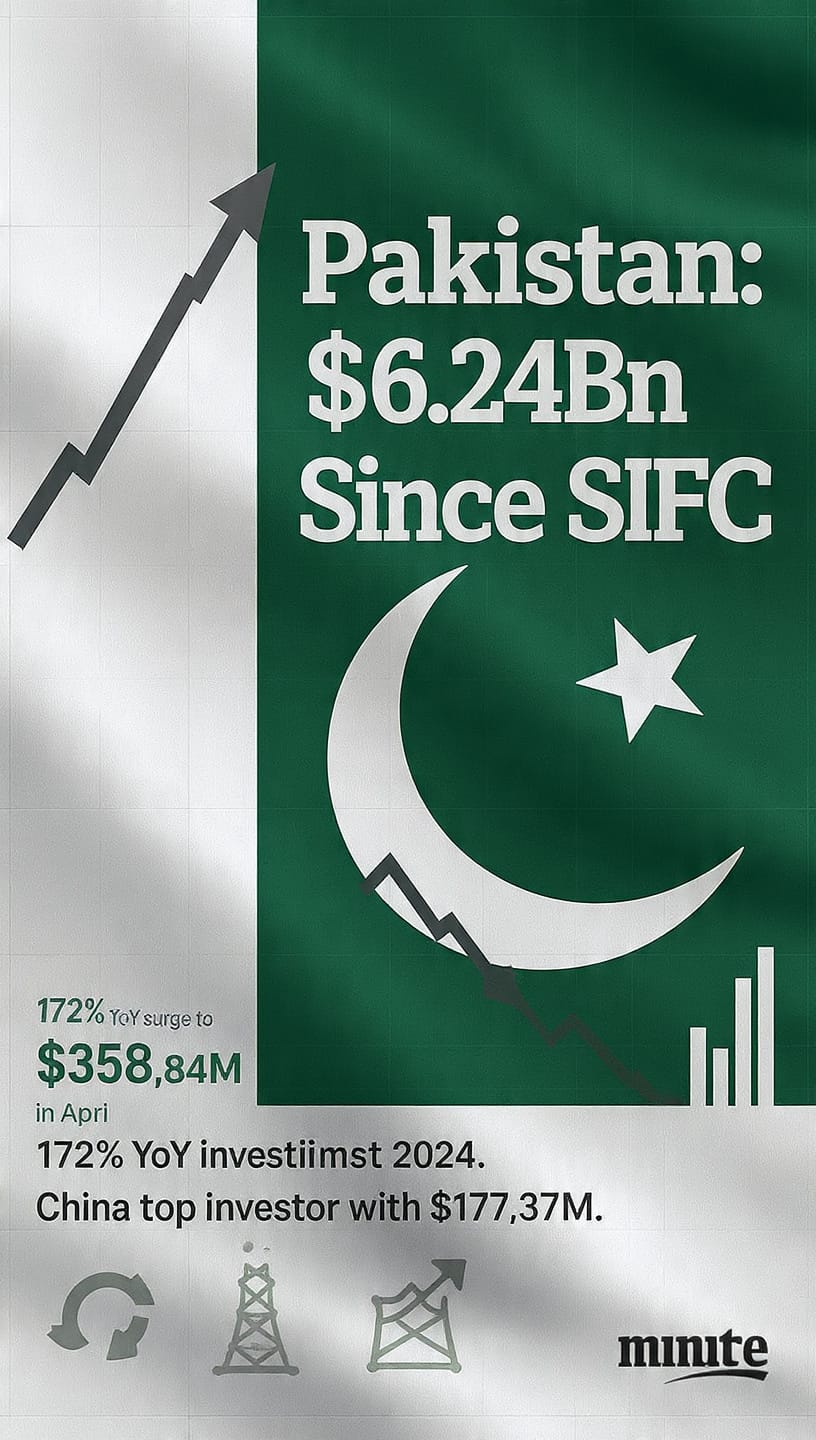
    ISLAMABAD: Pakistan has attracted approximately US$ 6.24 billion in net Foreign Direct Investment (FDI) from FY24 to July-April FY26 since the establishment of the Special Investment Facilitation Council (SIFC), according to data from the State Bank of Pakistan (SBP). The Minister Incharge of SIFC stated that gross FDI inflows during the same period stood at approximately US$ 10.41 billion, highlighting investor confidence in Pakistan’s investment regime. April 2024: Highest Monthly FDI in 51 Months   According to SBP data released in May 2024, FDI inflows surged 172% year-on-year (YoY) to $358.84 million in April 2024, compared to $131.9 million in April 2023. This marks the highest monthly FDI inflow in 51 months. On a month-on-month (MoM) basis, FDI jumped 39%, up from $258.04 million in March 2024. For the first 10 months of FY24 (July-April), total FDI inflows reached $1.46 billion, compared to $1.35 billion in the same period of FY23. Top Investors & Sectors Country-wise:   1. China: Largest investor with $177.37 million net FDI in April 2024 2. UAE: $51.93 million 3. Canada: $51.89 million Sector-wise:   The Power sector attracted the highest inflows with $194 million in April 2024, followed by other key sectors. Officials say the rise in FDI reflects the impact of SIFC’s facilitation for foreign investors in priority sectors including energy, infrastructure, and technology. Pakistan FDI: $6.24Bn Since SIFC* | April Hits 51-Month High Key points: 172% YoY surge to $358.84M in April 2024, China leading with $177.37M, Power sector top recipient. $6.24Bn net FDI since SIFC launch. Pakistan’s FDI jumps 172% YoY to $358.84Mn in April 2024 – highest in 51 months. China leads with $177Mn. Pakistan’s FDI surges 172% in April. $6.24Bn net inflows since SIFC. Power sector top recipient. _”Pakistan FDI: $6.24Bn Since SIFC | April Hits 51-Month High”_

Leave a Reply

Your email address will not be published. Required fields are marked *