sbp asked fix
| |

SBP asked to fix banking gaps after complaints of …

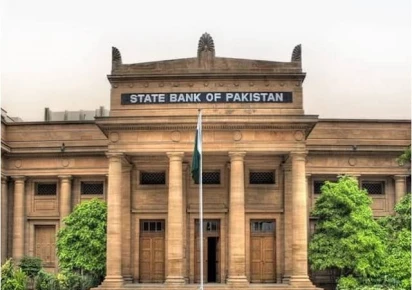
Islamabad: The State Bank of Pakistan (SBP) came under pressure in the Senate after lawmakers raised concerns over complaints from customers, including Politically Exposed Persons (PEPs), who faced difficulties with commercial banks and alleged delays in resolving their issues.

The Senate Standing Committee on Finance and Revenue questioned why banks and the SBP failed to establish clear and uniform procedures despite earlier directions to create dedicated officers and better complaint handling systems.

During the meeting, Member National Assembly Muhammad Moin Amir Pirzada informed the committee that his bank account was closed in April 2026 and despite repeated communication with the concerned bank and the State Bank of Pakistan, he did not receive a satisfactory response.

He told the committee that such situations show the need for a proper yearly data update system and clear banking procedures so customers do not face unnecessary difficulties. The committee learned that no common Standard Operating Procedures had been developed across the banking sector despite previous recommendations.

Governor State Bank acknowledged the concerns and informed the committee that rules for dealing with Politically Exposed Persons already exist. He said the problem occurred at the branch level and assured lawmakers that steps would be taken to improve implementation.

The Governor informed the committee that a backup officer had already been assigned and a dedicated focal person would also be appointed to handle such matters. The committee stressed that all banks must follow the same procedures so customers receive equal treatment and complaints are resolved quickly.

Federal Minister for Finance also supported the need for standard procedures and said proper systems are necessary for better customer service and effective complaint resolution. The committee meeting, chaired by Senator Saleem Mandviwalla, also discussed wider banking issues including customer charges, investment policies and employee matters.

Members raised concerns about banking service charges, especially SMS alerts and card transactions. The State Bank Governor informed the committee that SMS alerts are optional, allowing customers to choose whether to use the service.

He said banks are also introducing alternative options such as mobile application and email alerts for customers. The Governor clarified that Visa card transactions conducted within Pakistan would not be charged in US dollars.

He also informed the committee that banks are currently covering around Rs80 billion annually under the Pakistan Remittance Initiative. Committee members appreciated the reforms under the initiative, stating these steps have helped save significant costs.

The committee also discussed complaints regarding dress code instructions in some banks. Senator Dr. Zarqa Suharwardy Taimur raised concerns that some female employees were allegedly pressured to wear abayas.

Senator Sherry Rehman stated that no employee should be forced to adopt a specific type of clothing. The State Bank Governor informed the committee that previous recommendations had already been communicated to banks.

He clarified that the committee had only recommended a modest dress code and had not ordered banks to impose any particular clothing.

The committee directed all banks to submit their human resource dress code policies and instructed SBP to issue updated guidelines to ensure employees are not placed under unnecessary pressure.

The committee also reviewed concerns related to investment protection policies. Senator Manzoor Ahmed suggested that incentives provided to the Reko Diq project should also be considered for other investment projects in Pakistan.

Finance Ministry officials informed the committee that only one project currently meets the existing criteria and the government’s financial position does not allow similar benefits for all projects.

The Finance Minister assured the committee that future proposals would be reviewed according to available resources.

Similar Posts

  • |

    Constitution, rule of law and strong defence key to Pakistan’s future, says Senator Abdul Qayyum

    LONDON:  Constitutional supremacy, the rule of law, a vibrant economy and a strong defence are the four pillars that will safeguard Pakistan’s sovereignty and ensure its long-term stability, former Chairman of the Senate Standing Committee on Defence Production Senator Lt Gen (R) Abdul Qayyum HI(M) said in London. Addressing a Pakistan Independence Day reception organised by the International Lawyers Club UK (ILCUK) in London to mark Pakistan’s 79th Independence Day, the President of the Pakistan Ex-Servicemen Society (PESS) said Pakistan’s independence was won through “immense sacrifices, visionary leadership and the constitutional struggle led by Quaid-e-Azam Muhammad Ali Jinnah.” “Among the greatest blessings of Allah Almighty is living as free citizens of an independent and sovereign Pakistan,” he said, adding that the country’s freedom “is not merely inherited but has to be continuously protected through unity, discipline and national resolve.” Paying tribute to Pakistan’s Armed Forces, Senator Abdul Qayyum said the military had repeatedly defended the country’s sovereignty and territorial integrity against external aggression, terrorism and hybrid threats. “Our Armed Forces have successfully confronted external aggression, terrorism and various hybrid threats because of the determination of our people and the sacrifices, professionalism and courage of our soldiers,” he said. “The nation takes pride in its internationally respected Armed Forces, which have repeatedly defended Pakistan’s sovereignty and territorial integrity.” He warned that Pakistan continued to face a range of internal and external challenges, including terrorism, foreign-sponsored insurgency, disinformation campaigns, sectarianism and political polarisation. He stressed that operations against terrorists and armed militants should be viewed as a constitutional responsibility of the state rather than political repression. “Action against armed militants, terrorists and those working against the state should not be misconstrued as repression, but rather as the constitutional responsibility of the state to protect the lives and property of its citizens,” he said. While acknowledging the importance of democratic freedoms, Senator Abdul Qayyum said freedom of expression must be exercised responsibly. “Freedom of expression and difference of opinion should never come at the expense of national security,” he said, adding that unity between the people, constitutional institutions and the Armed Forces remained “the strongest guarantee of Pakistan’s sovereignty, stability and democratic future.” Highlighting the historic contribution of lawyers to the Pakistan Movement, he said the legal fraternity had played a decisive role in achieving independence through constitutional means. He urged lawyers and barristers to continue defending the Constitution, upholding the rule of law and strengthening democratic institutions. Turning to Pakistan’s future priorities, the senator called for strict adherence to constitutional governance, separation of powers, an independent judiciary and impartial accountability. He also advocated comprehensive industrial and agricultural reforms, greater investment in education, science, research and artificial intelligence, modernisation of Pakistan’s defence capabilities and stronger border security. Referring to criticism of the military, Senator Abdul Qayyum said retired servicemen, pensioners of second-line forces and civilians associated with the defence sector stood firmly behind the Armed Forces. “Those who demonise this sacred institution in the national and international media do no service to the country,” he said, urging the media to report responsibly and avoid undermining institutions responsible for safeguarding Pakistan’s security. Concluding his address, Senator Abdul Qayyum called on Pakistanis at home and abroad to renew their commitment to strengthening national institutions, rebuilding the economy, educating future generations and honouring the sacrifices of the nation’s martyrs. “I am confident that through unity, collective effort and by placing national interests above political differences, Pakistan will emerge stronger, more resilient and more prosperous in the years ahead,” he said.

  • |

    Delhi internet cut as student protests escalate

    The Indian government has reportedly suspended mobile internet services in several parts of central New Delhi as nationwide protests over examination paper leaks continue to gain momentum. The move came amid heightened security and growing demonstrations led by students and youth groups demanding accountability over alleged irregularities in the country’s examination system. According to informed sources, telecom companies were instructed to disable mobile data services in and around the main protest sites in central Delhi. The internet restrictions affected thousands of residents, commuters and businesses in the area. The suspension caused significant disruption to daily life. Shopkeepers, restaurants and street vendors reported difficulties accepting digital payments because many businesses in India rely heavily on internet-based payment systems. Residents also experienced problems accessing online services and communication platforms. The protests have continued for more than a month, with students camping in central Delhi and demanding the resignation of Education Minister Dharmendra Pradhan. Demonstrators accuse the government of failing to prevent examination paper leaks that reportedly affected nearly two million students across the country. Student leaders say the paper leak scandal has seriously damaged confidence in India’s examination system and has put the future of millions of young people at risk. They insist the demonstrations will continue until those responsible are held accountable and meaningful reforms are introduced. Prime Minister Narendra Modi recently addressed the controversy and promised strict action against individuals involved in examination fraud. He said the future of India’s youth remains a national priority and announced plans to establish fast-track courts to ensure speedy trials in paper leak cases. However, opposition leaders argued that the government’s response does not go far enough. Congress leader Rahul Gandhi renewed his demand for the dismissal of Education Minister Dharmendra Pradhan, accusing the government of failing to protect the country’s education system and the interests of students. The demonstrations intensified after security forces attempted to stop protesters marching toward Parliament during the monsoon session. Police used tear gas and batons to disperse crowds after protesters tried to breach security barriers. Clashes later broke out, leaving scores of protesters and security personnel injured. Following the unrest, authorities increased security across central Delhi by deploying additional police personnel, strengthening barricades and monitoring key government buildings to prevent further violence. The protest movement, which initially focused on examination paper leaks, has gradually expanded into a broader campaign highlighting concerns over unemployment, educational opportunities and governance. Protest organisers say the issue is no longer limited to examination irregularities but has become a wider movement demanding transparency, accountability and reforms.

  • |

    Arshad Nadeem was not fit enough for Glasgow, says former coach

    Fayyaz Hussain Bukhari, who previously coached Olympic champion Arshad Nadeem, has said the javelin thrower was not at peak fitness ahead of the Glasgow Commonwealth Games. Nadeem’s campaign there ended in disappointment. Speaking to The Express Tribune from Lahore, Bukhari said he had watched Nadeem during throwing sessions and didn’t see the intensity needed to challenge for medals at a major event. According to him, fitness is the single most important factor for any athlete. He added that if an athlete is not fit, competing should not even be considered an option. Bukhari coached Nadeem for eight years and played a key role in helping him qualify for the Tokyo Olympics. He said fitness had always been central to his coaching philosophy during that period. Reflecting on the lead-up to Tokyo, Bukhari recalled that Nadeem had contracted COVID-19 and was also nursing an elbow injury at the time. He said Nadeem had insisted he wouldn’t compete unless he reached full fitness. Through focused work together, they managed to get him back in shape. Bukhari pointed to Nadeem’s strong throw at the Tokyo Games as evidence that the effort had paid off. He also called for mandatory fitness testing before athletes are cleared for international events. He expressed concern that such checks appear to have been abandoned altogether in recent years. Nadeem’s Glasgow campaign ended in a surprising early exit. He failed to progress past the qualifying round, finishing ninth out of twelve finalists based on his first three throws. The result stood in sharp contrast to his performance at the 2024 Paris Olympics, where he won gold with a record-breaking throw of 92.97 metres. While Nadeem has claimed several medals since his Olympic win, his recent form has not matched that historic peak. This has raised some concern, given the immense potential he continues to carry as an athlete. Bukhari was removed from his coaching role by the Athletics Federation of Pakistan after Nadeem finished fifth in Tokyo. Salman Butt has since taken over as his coach. Despite the recent setback, Bukhari remains confident Nadeem can regain his top form. He said the athlete doesn’t necessarily need another massive throw, since he’s already delivered one on the world’s biggest stage. Instead, he believes Nadeem needs to focus on correcting his mindset and overall approach. Bukhari also criticized Butt, alleging he has distanced Nadeem from both the federation and his former coach. He added that he remains willing to help if needed, and called for stronger cooperation among Pakistan’s sports bodies to improve the country’s standing internationally.

  • | |

    Israel quietly receives advanced INS Drakon submar…

    JERUSALEM: Israel has quietly taken delivery of the advanced INS Drakon submarine, with the handover reportedly taking place without the usual public ceremony or official fanfare. According to media reports, the submarine belongs to the Dakar-class fleet and was built in Germany by Thyssenkrupp Marine Systems (TKMS). The vessel is regarded as one of the most sophisticated additions to the Israeli Navy’s underwater fleet. Defense analysts say the INS Drakon is designed for long-range covert operations, intelligence gathering, and extended deployments at sea, significantly enhancing Israel’s naval capabilities. The submarine is part of Israel’s ongoing efforts to modernize its maritime defense amid evolving regional security challenges. Some defense experts have also suggested that Israel’s Dolphin-class submarines may be capable of carrying nuclear-armed missiles, although Israeli authorities have never officially confirmed such capabilities. The arrival of the INS Drakon further strengthens Israel’s strategic naval deterrence and expands its ability to conduct long-duration missions across distant maritime regions.

  • | |

    PM Shehbaz seeks stronger US ties in trade, IT and…

    Prime Minister Shehbaz Sharif has called for stronger cooperation between Pakistan and the United States in key economic and strategic sectors. The prime minister made the remarks during a meeting with a delegation of the US Congress. The delegation included Ryan Zinke and Representative Michael Baumgartner. According to an official statement, the meeting focused on Pakistan-US relations and opportunities to expand bilateral cooperation. Prime Minister Shehbaz welcomed the visit by the US lawmakers. He described it as a positive step towards strengthening ties between the two countries. The prime minister also conveyed his best wishes to US President Donald Trump. He appreciated Trump’s role in helping secure a ceasefire between Pakistan and India. Shehbaz described the US president’s intervention as bold and decisive. The prime minister said Pakistan wanted to further expand cooperation with the United States in several important areas. These included trade, agriculture, information technology and energy. He said stronger economic engagement could create new opportunities for both countries. Pakistan, he added, was interested in building broader and more productive relations with the United States. The US congressional delegation also spoke positively about bilateral relations. The delegation said President Trump’s strong ties with Pakistan’s leadership were producing positive results. It also recognised the importance of continued engagement between Islamabad and Washington. The visiting lawmakers praised Pakistan for its role in efforts to promote peace and stability in the region. The meeting comes as Pakistan seeks to deepen its relations with the United States. Economic cooperation remains an important part of the bilateral relationship. Trade and investment are among the areas where Pakistan wants greater engagement with the US. Islamabad is also seeking cooperation in technology, agriculture and energy. The government believes stronger cooperation in these sectors can support economic growth and create new opportunities for businesses. The meeting also highlighted the importance of political engagement between the two countries. Regular exchanges between Pakistani and US officials can help strengthen mutual understanding. Following the meeting, Prime Minister Shehbaz Sharif hosted a reception for a delegation of executives from the US corporate sector. The reception provided an opportunity to discuss business and investment opportunities. The government is seeking greater participation from international companies in Pakistan’s economy. It hopes stronger engagement with the US corporate sector will help attract investment and expand economic cooperation.

  • |

    Cesar Gastelum killed while livestreaming in Mexico

    Mexican social media influencer Cesar Gastelum was shot and killed on Tuesday while livestreaming with friends outside a fast-food restaurant in Culiacan, authorities confirmed. Gastelum, who had nearly 600,000 followers on TikTok, was widely recognized for his comedy content and interactive livestreams. His videos had earned him a loyal fan base across Mexico, making news of his death a shock to followers and fellow creators. According to officials, Gastelum was broadcasting live outside the restaurant when two individuals riding a motorcycle approached the group. Both suspects were reportedly wearing helmets, making it difficult to identify them. Footage from the livestream, which later circulated on social media, appeared to capture the terrifying moment when the motorcycle driver allegedly opened fire directly at Gastelum. The stream ended abruptly following the shooting, leaving viewers stunned. Emergency responders arrived at the scene, but Gastelum succumbed to his injuries. Local authorities confirmed his death and launched an extensive security operation to locate those responsible. Investigators have not yet announced any arrests, and the motive behind the attack remains under investigation. The fatal shooting occurred in Culiacan, the capital of the northern Mexican state of Sinaloa, a city that has experienced years of violence linked to organized crime. Authorities have repeatedly increased security efforts in the region as rival criminal groups continue to battle for influence and territorial control, contributing to ongoing instability. Gastelum’s death has renewed concerns over the safety of public figures and content creators in Mexico, particularly those who frequently livestream their daily activities and disclose their locations in real time. Social media users expressed grief over the incident, with many paying tribute to the influencer and calling for justice. The tragedy also draws comparisons to the killing of Mexican beauty influencer Valeria Márquez, who was shot during a TikTok livestream in May 2025 while working at a beauty salon in Zapopan, Jalisco. Márquez was 23 years old at the time of her death, and prosecutors handled the investigation under Mexico’s femicide protocols. In a later development, Mexican authorities announced the arrest of Ramon Angel Alvarez Ayala, also known as “El R-1,” in the state of Jalisco. Officials identified him as the alleged leader of a criminal group associated with the Jalisco New Generation Cartel (CJNG). Authorities have accused Alvarez Ayala of ordering and financing the killing of Valeria Márquez. He has also been linked to the November 2025 murder of Uruapan Mayor Carlos Manzo, according to investigators. As the investigation into Cesar Gastelum’s killing continues, authorities are working to determine whether the attack was connected to organized crime or stemmed from another motive. His death has once again highlighted the dangers posed by violence in parts of Mexico and the growing risks faced by online personalities whose lives are increasingly shared with the public in real time.

Leave a Reply

Your email address will not be published. Required fields are marked *