DFA confirms arrest of over 100 Filipinos in China | The wRap
Here are today’s headlines – the latest news in the Philippines and around the world: The Philippines reminds China of


Here are today’s headlines – the latest news in the Philippines and around the world: The Philippines reminds China of

The mid-August drill at an unspecified location east of Taiwan would be a ‘navigation exercise’ with an Indonesian navy ship, a highly unusual move given China does not generally hold exercises with foreign militaries near Taiwan
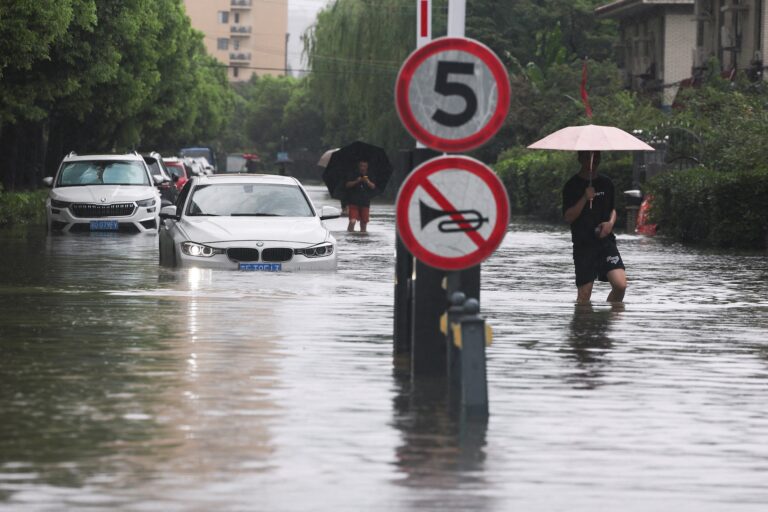
The world’s second-largest economy is increasingly battling destructive weather that scientists link to climate change, especially this year, as an emerging El Niño pattern boosts temperatures and fuels more frequent and intense typhoons

He helped push the reforms that transformed China from a beleaguered holdout against the collapse of Soviet-style Communism in the early 1990s to an emerging superpower with economic growth rates envied by other governments

China’s Ministry of Foreign Affairs earlier said over 100 Filipino nationals were ‘taken in accordance with the law’ over alleged migration law violations

China has ramped up investment in artificial intelligence powered weather forecasting as the country works to track a rising number of natural disasters and predict extreme weather events such as powerful typhoons, intense rainfall and prolonged heatwaves tied to climate change. The country has positioned itself as a leading force in data driven meteorology, increasingly running AI systems alongside traditional forecasting methods rather than replacing them outright. As meteorologists monitored Typhoon Dolphin’s approach toward China in recent days, a newer generation of AI weather models operated in parallel with conventional forecasting systems, underscoring China’s expanding role in the broader push to improve storm prediction. Unlike standard numerical weather models, which depend on powerful supercomputers to simulate the physics of the atmosphere, AI based systems instead learn from decades of historical weather data. That approach lets them generate forecasts within seconds or minutes while using only a small fraction of the computing power traditional methods require. According to a state affiliated newspaper, some of China’s most prominent AI forecasting tools include Fengwu, built by the Shanghai AI Laboratory, Huawei’s Pangu Weather system, and Fuxi, developed at Fudan University. These models are increasingly being put through real world testing during East Asia’s intense typhoon season, a period when even modest improvements in tracking a storm’s path can help authorities plan flood responses, coordinate evacuations and manage disruptions to transportation networks. Fengwu in particular has shown strong results in predicting storm trajectories, with researchers noting that AI based systems can produce forecasts far faster than conventional models while matching or, in some cases, surpassing them on certain accuracy measures. The rapid progress in AI driven weather forecasting has sparked growing competition among technology firms, research institutions and national meteorological agencies worldwide, with China establishing itself as one of the sector’s most active players. Even so, meteorologists caution that AI tools currently serve as a complement to physics based forecasting rather than a full replacement. These systems still struggle to accurately capture sudden shifts in storm intensity, and they remain largely untested when it comes to long term climate modeling. As a result, traditional forecasting methods are expected to remain a core part of weather prediction for the foreseeable future, even as AI tools continue to mature and take on a larger role alongside them. The push toward AI assisted forecasting fits into a broader global trend, as governments and research institutions increasingly explore machine learning as a tool for anticipating the growing frequency and intensity of extreme weather linked to a changing climate.

A temporary agreement between Beijing and Manila on resupply missions has brought peace to Ayungin Shoal—until it unraveled
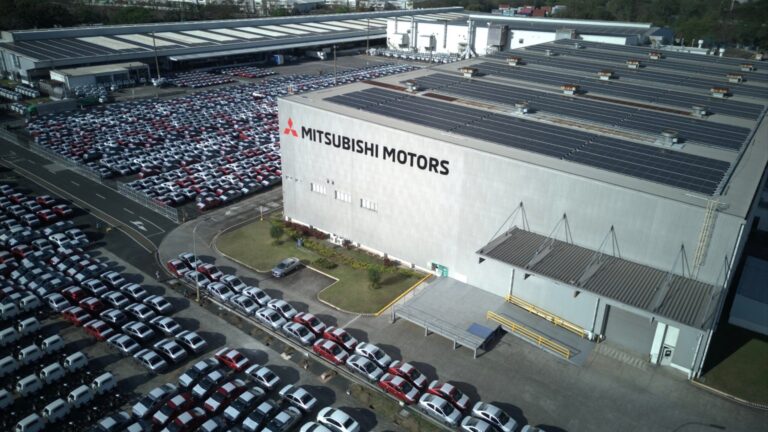
Mitsubishi is also betting that its decades-old brand loyalty and established customer base can hold their own against newer rivals such as BYD, as it targets a 20% market share this year

China has ordered Meta to unwind its multibillion-dollar Manus acquisition, dealing a potential setback to Zuckerberg’s push into AI agents.

The cybersecurity company says it’s seen thousands of infection attempts, and at least a dozen successful hacks after users installed malicious versions of the popular Windows software.