
thai police busts
|

Thai Police Busts Chinese Network in Credit Card Skimming Scheme Causing Over 29 Million Baht in Damages

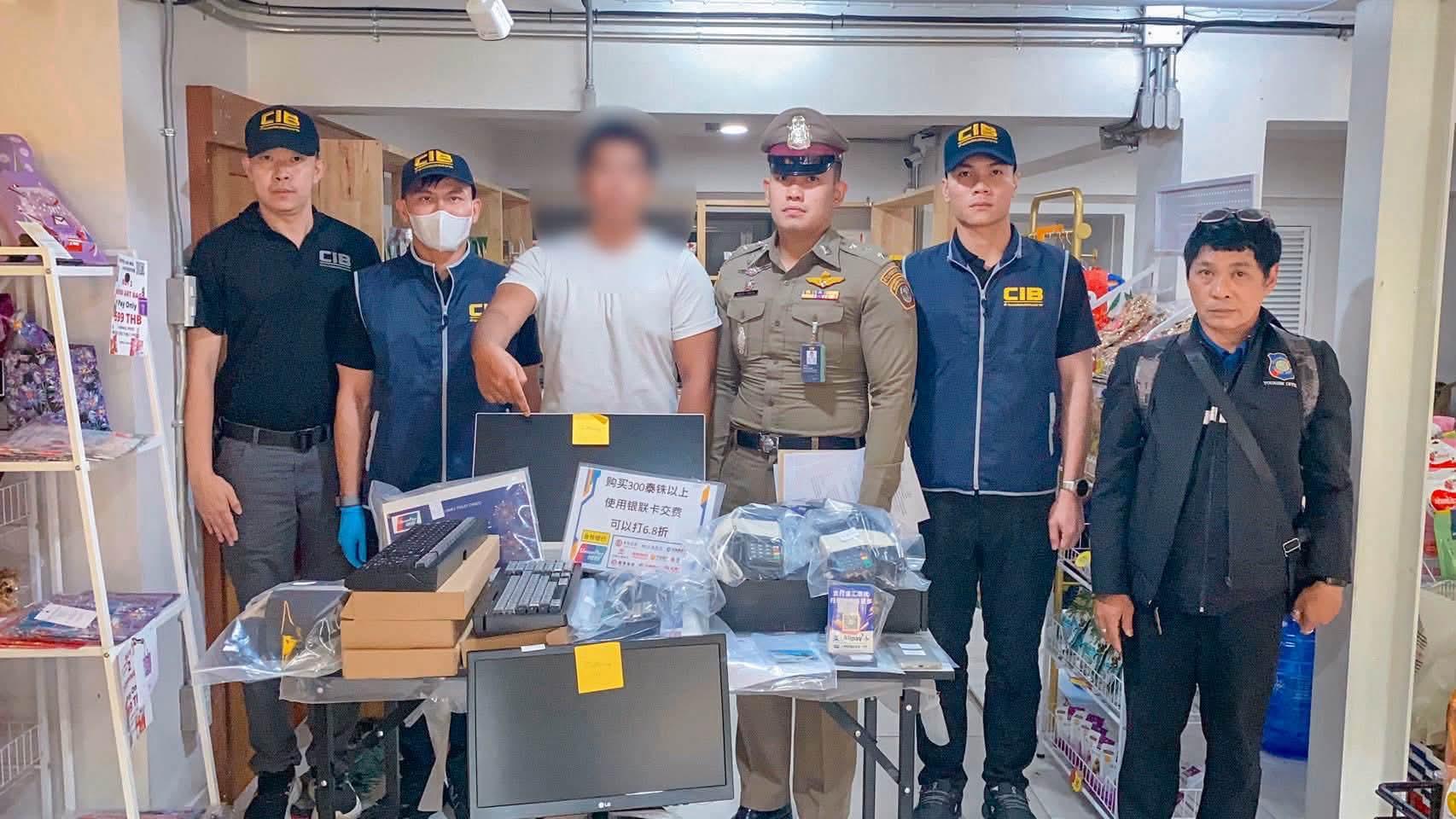
BANGKOK – Thailand’s Central Investigation Bureau (CIB) has dismantled a transnational Chinese network involved in credit card data theft, arresting four suspects and seizing equipment linked to losses exceeding 29 million baht affecting more than 1,200 Chinese victims. The network operated by opening fruit stalls in areas including Chonburi and telling Chinese visitors that they had special discounts only for Chinese people if they used their card with Unionpay, using skimming devices to then steal their data.

Officers from the Economic Crime Suppression Division (ECD) of the CIB arrested Mr. Chao, 42, a Chinese national; Ms. Salinee, 33; Ms. Jittra, 32; and Mr. Theerapat, 32. They face charges of jointly possessing tools or devices used to obtain electronic card data for the purpose of forging or altering information. The arrests took place across Chiang Mai, Bangkok, and Chonburi provinces.
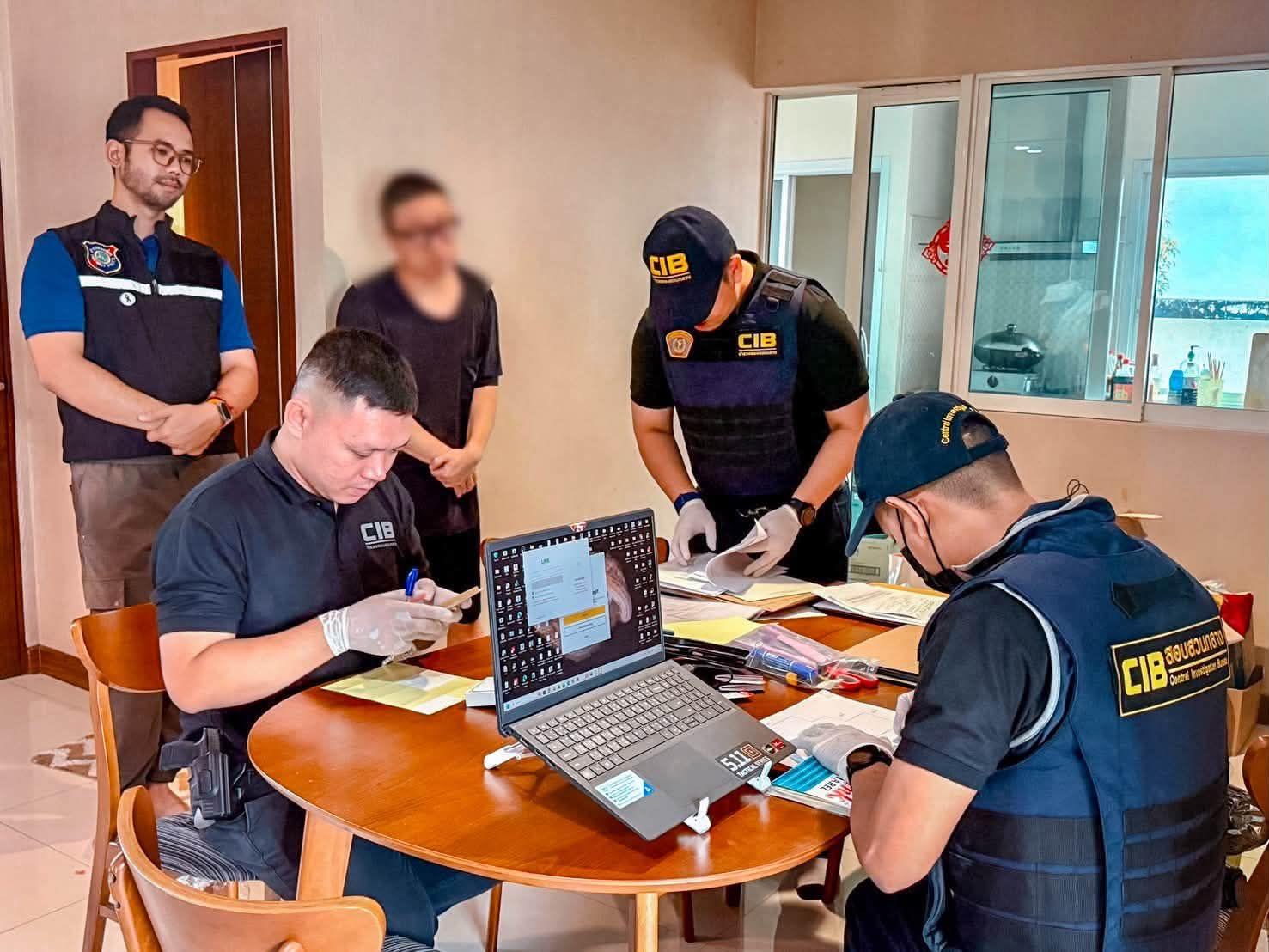
The operation stemmed from a request by the Embassy of the People’s Republic of China in Thailand, which sought assistance from the Royal Thai Police to investigate a cross-border network specializing in the illegal copying of credit card data.

Investigators from Division 5 of the ECD, working with the Chiang Mai Provincial Police Operations Center and Chiang Mai Immigration, executed search warrants at six locations, including shops and residences. Authorities found that the group operated dried fruit shops in tourist areas as a front. They offered special discounts to encourage customers to pay with UnionPay cards. Employees then secretly swiped the cards through computer keyboards fitted with magnetic stripe readers to copy the data while using CCTV cameras to covertly record customers’ PIN codes. The stolen information was sent via the Line messaging application to accomplices in the United States, who used it to make purchases and withdraw cash.
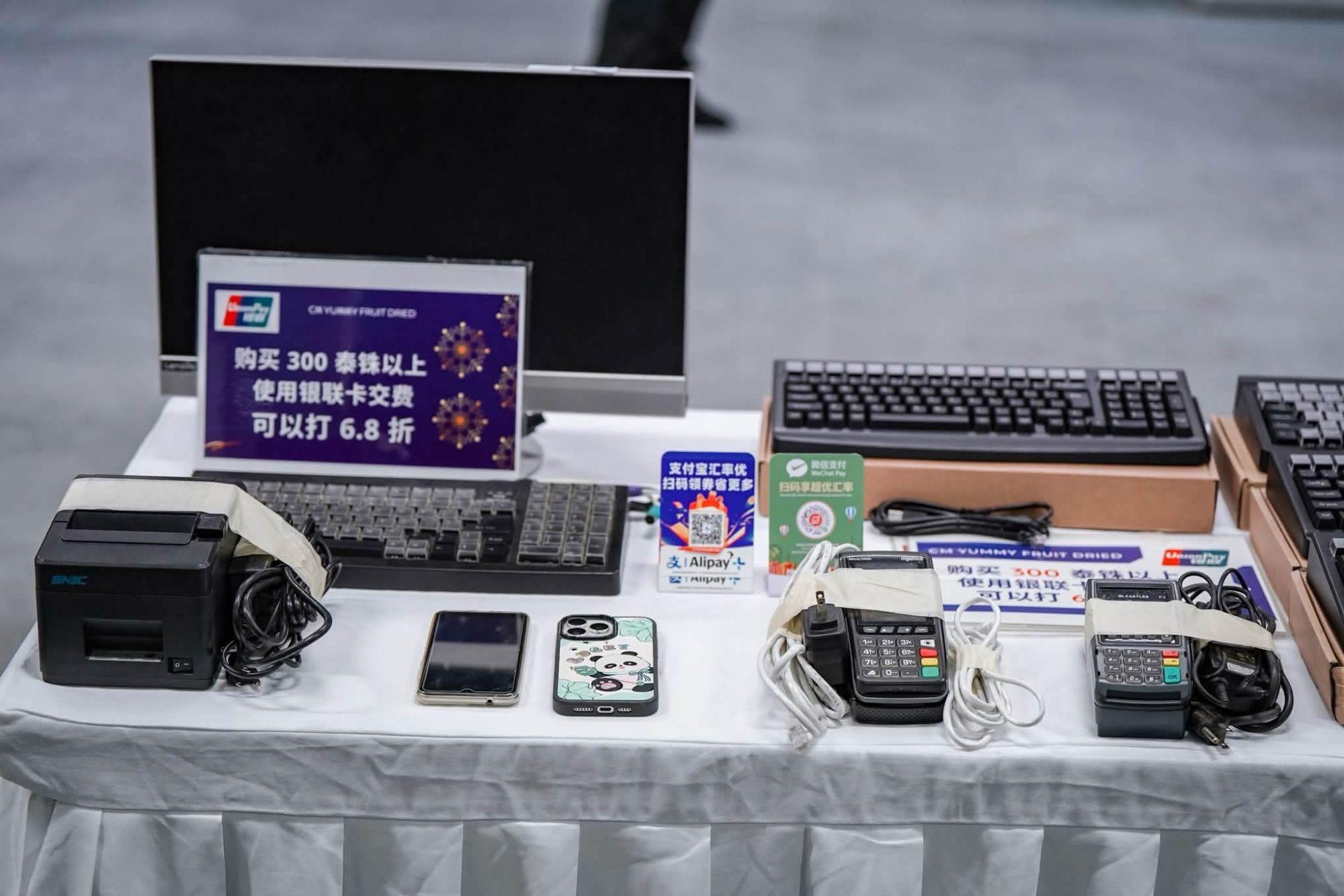
During the searches, police seized 11 computer keyboards equipped with magnetic stripe readers, five computers, three electronic data capture (EDC) machines, six mobile phones, 18 IP CCTV cameras, and three CCTV servers. The suspects and evidence were handed over to investigators from Division 5 of the ECD for further legal proceedings.

All four suspects initially confessed. Mr. Chao admitted that he and his associates had opened the shops and imported the card-skimming devices from China with the goal of sharing the proceeds.
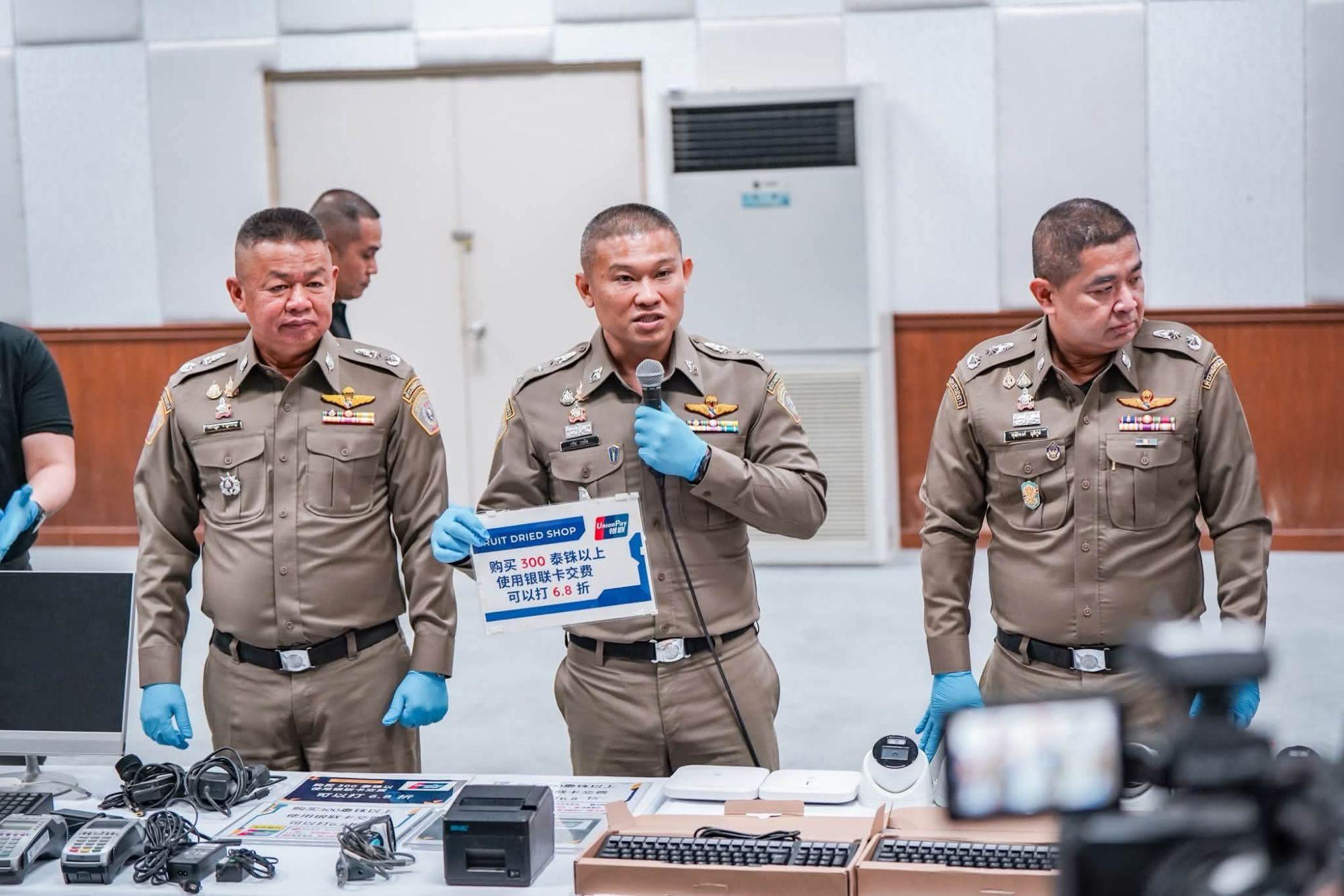
The operation was directed by Police Lieutenant General Natthasak Chaowanasa, Commissioner of the CIB; Police Major General Thatphum Jaruprach, Commander of the ECD; and Police Colonel Krit Worathat, Superintendent of Division 5 of the ECD. They ordered Police Lieutenant Colonel Natthadanai Bamrungsilp, an inspector with Division 5 of the ECD, and his team to carry out the enforcement action.
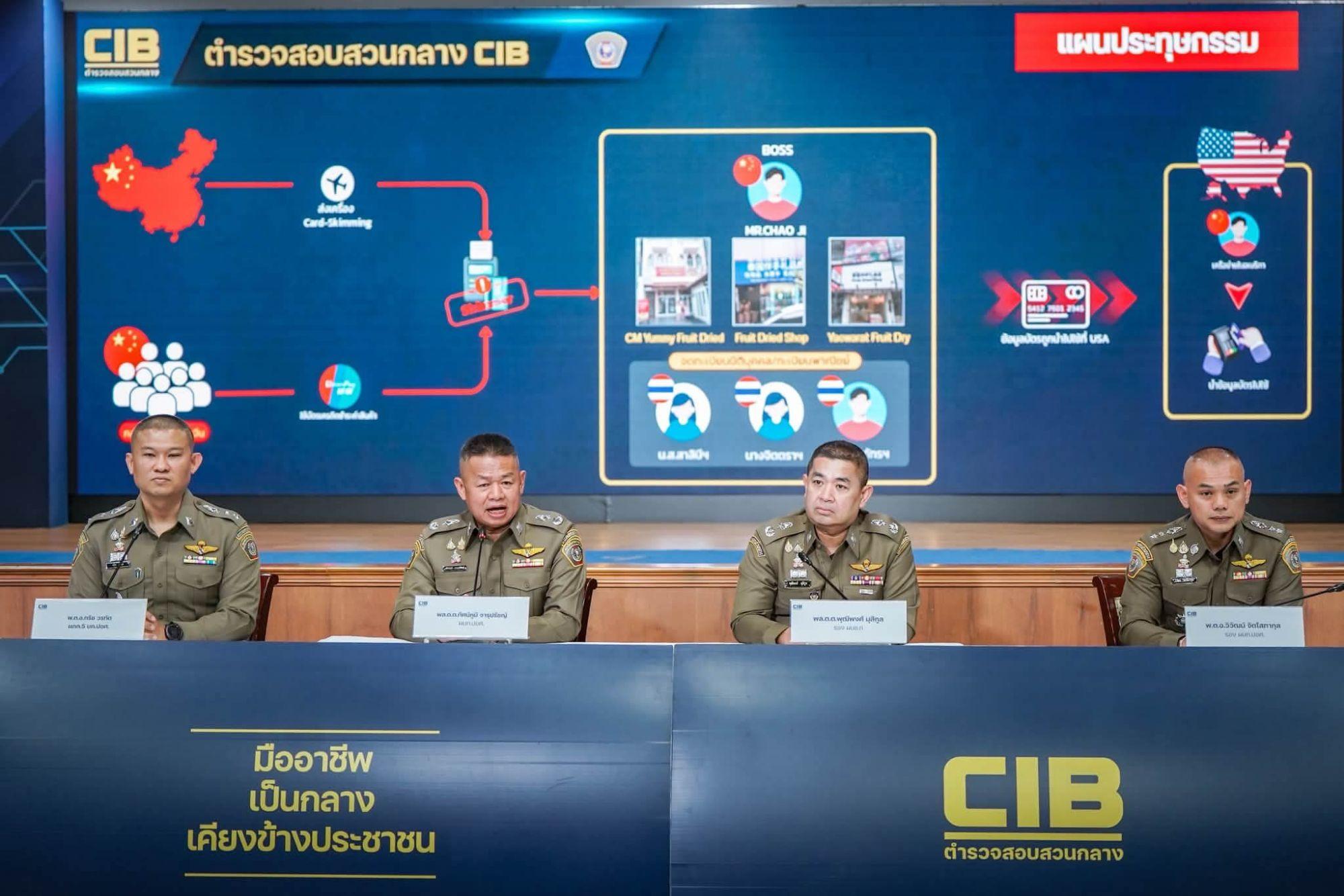
Photo credit CIB

Similar Posts

  • | |

    Karachi’s cycle ambulance goes viral amid online…

    KARACHI: A cycle ambulance service in Karachi has gained widespread attention on social media after videos of the emergency response initiative went viral, sparking both criticism and appreciation online. Several users mocked the pedal-powered ambulance, comparing it with advanced emergency services used in other countries. Some social media posts also incorrectly linked the launch of the initiative to Karachi Mayor Barrister Murtaza Wahab. However, the cycle ambulance programme was introduced in May 2025 by the Sindh Integrated Emergency and Health Services (SIEHS-1122) as a pilot project. It was designed to provide faster medical assistance in densely populated areas of Karachi where narrow streets and heavy traffic can delay conventional ambulances. The specially equipped bicycles allow trained emergency responders to reach patients quickly and provide immediate medical support before a regular ambulance arrives. Each cycle ambulance carries essential medical equipment, including first-aid supplies, oxygen masks, nebulisers and blood sugar testing devices. Responders use the equipment to stabilise patients and provide initial care during emergencies. The initiative also involved trained female volunteers, aiming to improve access to emergency healthcare services and encourage women’s participation in community rescue operations. While the project became the subject of online jokes and criticism, supporters highlighted its practical value, especially in crowded neighbourhoods where traditional ambulances may face difficulties reaching patients on time. Officials and supporters of the programme said the cycle ambulance service is not intended to replace standard ambulances but to act as a rapid-response solution for immediate assistance in areas with access challenges.

  • | |

    Sindh announces July 29 holiday for Shah Abdul Lat…

    The Sindh government has announced a province-wide public holiday on Wednesday, July 29, to mark the annual Urs of renowned Sufi poet and mystic Shah Abdul Latif Bhittai. The decision was announced through an official notification issued by the Sindh Information Department on Monday. The holiday will apply to provincial government offices and institutions operating under the administrative control of the Sindh government. It will also cover autonomous and semi-autonomous bodies, government corporations and local councils across the province. However, essential services will remain operational during the holiday. Employees working in services considered necessary for public safety and welfare will continue their duties. The Urs of Shah Abdul Latif Bhittai is observed every year at his shrine in Bhit Shah, Matiari district. The event attracts thousands of devotees from different parts of Pakistan. Visitors gather at the shrine to pay tribute to the Sufi poet and reflect on his teachings, poetry and spiritual message. Special religious and cultural activities are traditionally held during the Urs. Shah Abdul Latif Bhittai is regarded as one of the most influential figures in Sindhi literature and Sufi tradition. His poetry is known for themes of love, spirituality, peace and human dignity. The provincial holiday is expected to facilitate devotees and residents participating in Urs-related activities across Sindh.

  • | |

    LHC CJ orders 2-month deadline for long-pending tr…

    Chief Justice Lahore High Court (LHC) Justice Aalia Neelum has taken a major step to expedite the trials of accused persons who have remained in custody for more than three years, directing that their cases be decided within two months. On the directions of Chief Justice Aalia Neelum, letters have been issued to the Sessions Judges of 28 districts across Punjab, directing them to ensure the speedy disposal of cases involving under-trial prisoners who have been in detention for more than three years. The Sessions Judges have been instructed to place such cases on a fast-track basis and hear them on a priority basis so that decisions are delivered within the stipulated period of two months. The Chief Justice directed that all Sessions Judges in Punjab would be bound to ensure the disposal of these cases within the prescribed timeframe. The district judiciary has also been directed to accelerate proceedings in cases involving long-incarcerated under-trial accused and avoid unnecessary adjournments that could further prolong their detention. The Lahore High Court has also sought implementation reports regarding cases in which accused persons have remained behind bars for more than three years, in order to monitor progress and ensure compliance with the directions. The initiative aims to facilitate the timely provision of justice to prisoners whose trials have remained pending for prolonged periods. The directions are also intended to address unnecessary delays in criminal proceedings and reduce the backlog of long-pending cases. The Chief Justice’s directive underscores the need for the district judiciary to prioritize cases involving under-trial prisoners and ensure that prolonged detention does not continue merely because of delays in the disposal of their trials. The Sessions Courts across Punjab have accordingly been asked to take immediate measures to speed up proceedings and submit reports regarding compliance with the Lahore High Court’s directions.

  • Welfare pharmacy seal-off adds to poor patients’ woes

    GUJRAT: The District Health Authority (DHA) has shut down the medical store of the Patients’ Welfare Association at Jalalpur Jattan Civil Hospital following the recent visit of Punjab Secretary for Health and Population Nadia Saqib, a move that has drawn concern from patients, civil society representatives and local residents. The medical store, which had been providing medicines to poor and needy patients on a welfare basis, was closed after Secretary Nadia Saqib’s visit to Gujrat last week. Medical stores at THQ hospitals in Kharian and Kunjah were also closed following the health secretary’s directions, according to official sources. The Health Department’s position is that medicines should not be distributed without a Drug Testing Laboratory (DTL) report. Officials said the Jalalpur Jattan store was sealed because the medicines available there did not have the required DTL reports. They maintained that the department could not allow medicines to be provided to patients without ensuring their quality through the prescribed testing process. However, the closure of the patients’ welfare association’s medical store has raised concerns among local residents, particularly because the association had been supplementing the medicines officially provided by the hospital and helping poor patients who could not afford medicines from private pharmacies. Sources said the official medicine budget of Jalalpur Jattan Civil Hospital was already very low, even when compared with hospitals functioning at the THQ level. Local authorities had therefore engaged civil society and philanthropists to supplement the officially provided medicines and facilitate poor and needy patients. The development has also triggered protests by civil society representatives, who have demanded immediate attention to the shortage of medicines and other healthcare facilities at the hospital, particularly now that the welfare pharmacy is no longer operational. Representatives of the Patients’ Welfare Association have also urged Punjab Chief Minister Maryam Nawaz to take notice of the situation and ensure the establishment of a proper THQ hospital at Jalalpur Jattan, permission for the resumption of medicine provision through appropriate channels, and an increase in the hospital’s medicine budget. The association’s representatives have also criticised the frequent changes of medical superintendents at Jalalpur Jattan Civil Hospital and demanded more medical officers and other staff to improve healthcare services. Jalalpur Jattan was upgraded as a tehsil headquarters by former Punjab chief minister Chaudhry Parvez Elahi in 2022. Despite being the second major urban centre of Gujrat district, the tehsil has yet to get a THQ-level hospital for its population of around 700,000, according to local sources. The issue has become particularly sensitive for residents because the Patients’ Welfare Association had emerged as an important support system for poor patients seeking treatment at the civil hospital. While the Health Department insists that medicines must undergo the required testing process before being distributed, local residents argue that the closure has further reduced an already limited source of medicines for needy patients. The situation has now put the spotlight on both the quality-control requirements for medicines and the broader shortage of healthcare resources at Jalalpur Jattan Civil Hospital.

  • | | |

    KP considers law for computerized prescriptions an…

    The Khyber Pakhtunkhwa (KP) government is considering new legislation that would require doctors to prescribe medicines using their generic names instead of brand names and issue computerized prescriptions to patients. The provincial government has announced plans to consult the federal government, as the matter falls under federal jurisdiction. The proposal was discussed in the Khyber Pakhtunkhwa Assembly after Pakistan Peoples Party (PPP) lawmaker Mehr Sultana submitted a calling attention notice highlighting the absence of an effective legal framework requiring doctors to prescribe medicines by their generic names. According to the lawmaker, many physicians continue to prescribe branded medicines, limiting patients’ ability to choose more affordable alternatives. She argued that requiring doctors to write only the generic or formula name of a medicine would improve transparency, increase competition among pharmaceutical companies, and reduce treatment costs for patients. Mehr Sultana also emphasized the need to make computerized prescriptions mandatory, pointing out that handwritten prescriptions are often difficult to read. Illegible prescriptions can result in medication errors, delays in treatment, and confusion for pharmacists and patients. She urged the provincial government to introduce legislation or regulations that would modernize the prescription system and improve patient safety. Responding to the proposal, KP Health Minister Khaliq ur Rahman acknowledged the importance of the issue but explained that the authority to legislate in this area primarily rests with the federal government. He said the provincial government would formally approach the federal authorities to explore the possibility of introducing the necessary legal changes. The discussion also covered healthcare infrastructure in the province. During the assembly session, lawmaker Shahida Waheed raised concerns over non-functional CT scan and MRI machines at Mardan Medical Complex. In response, the health minister informed the assembly that the CT scan machine had already been repaired, while the MRI machine is expected to become operational within a week. If implemented, the proposed reforms could significantly improve prescribing practices across Khyber Pakhtunkhwa by encouraging the use of generic medicines and replacing handwritten prescriptions with digital records. Supporters of the proposal believe these changes would help reduce medication errors, lower healthcare costs, and improve access to affordable medicines, while also promoting greater efficiency in hospitals and clinics. Any legal amendments, however, will require coordination with the federal government before they can be introduced and enforced.

Leave a Reply

Your email address will not be published. Required fields are marked *