thai prime minister

Thai Prime Minister Anutin Hails Bilateral Meeting With Putin

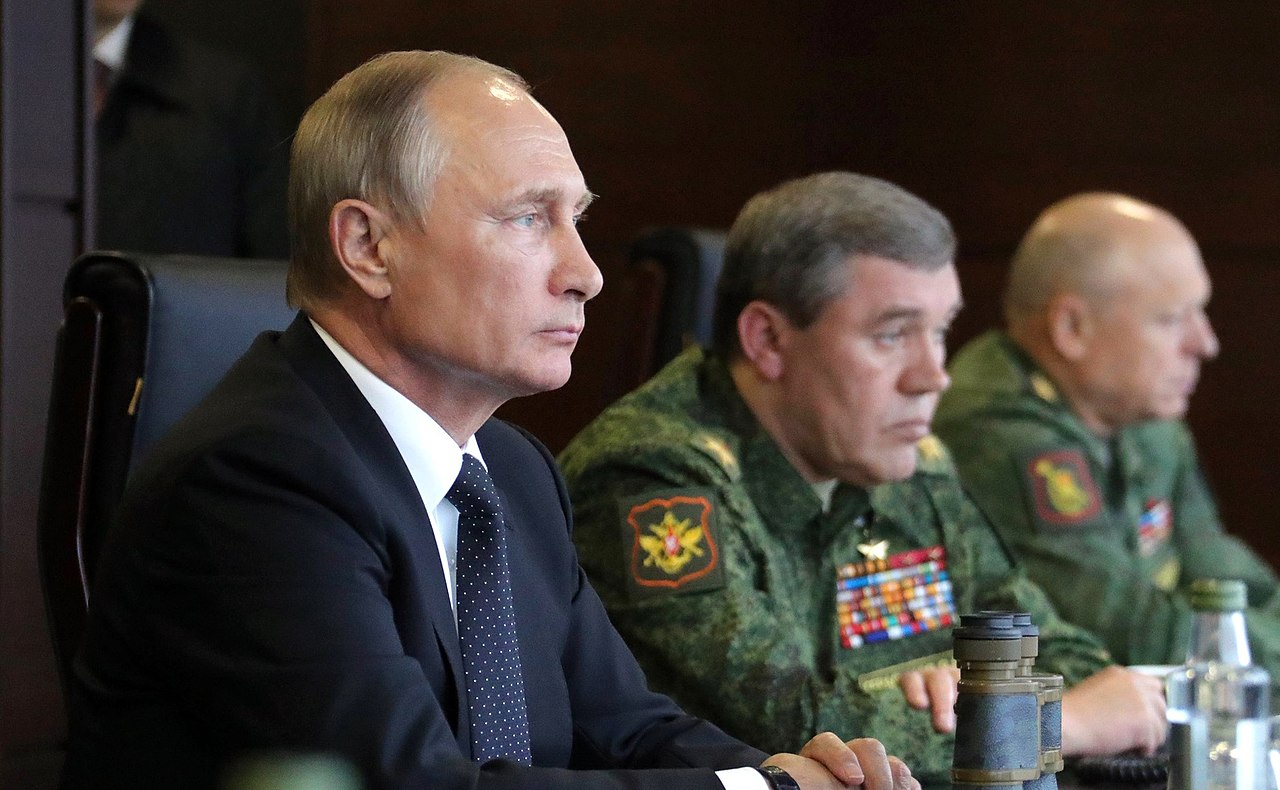
BANGKOK, Thailand — Thai Prime Minister Anutin Charnvirakul has highly praised his bilateral meeting with Russian President Vladimir Putin, describing the engagement as the absolute “highlight” of his diplomatic tour while speaking on the sidelines of the Russia-ASEAN Summit in Kazan on Thursday.

Vladimir Putin accepts invites to visit Thailand, Vietnam

The high-level talks yielded significant diplomatic progress, with the Thai leader noting that the discussions were highly productive and instrumental in advancing the bilateral agenda. According to the Prime Minister, the two nations successfully resolved several long-standing pending issues and established a deeper mutual understanding at the highest levels of government. Anutin emphasized the strong foundation of trust that currently exists between Bangkok and Moscow, expressing strong optimism about their shared commitment to elevating the relationship both diplomatically and economically in the near future.

Thai Ambassador to Russia, Sasiwat Wongsinsawat, echoed the Prime Minister’s positive assessment of the summit, emphasizing Moscow’s role as a crucial and influential player in the Southeast Asian region. The Ambassador noted that the gathering itself serves as a clear reflection of the close and cordial relations shared between Russia and the ASEAN bloc. While no formal documents were signed during the specific bilateral meeting between Anutin and Putin, the Ambassador clarified that the two leaders engaged in extensive and forward-looking discussions regarding potential cooperation across a wide array of strategic and economic fields.

The Russia-ASEAN Summit is currently being hosted in the Tatarstan capital of Kazan from June 17 to 19. The Association of Southeast Asian Nations comprises 11 member states, namely Brunei, Vietnam, Indonesia, Cambodia, Laos, Malaysia, Myanmar, Singapore, Thailand, the Philippines, and Timor-Leste. The ongoing summit underscores the strategic importance of the Russia-ASEAN partnership, providing a vital platform for regional leaders to engage with global powers to foster economic growth, enhance regional stability, and navigate the contemporary geopolitical landscape.

Thai Prime Minister Anutin Begins Official Visit To France To Strengthen Bilateral Ties

As the summit continues, Thai officials are expected to participate in further multilateral sessions aimed at strengthening trade, security, and cultural ties.

-Thailand News (TN)

Similar Posts

  • | |

    Mir Raza’s exhumation set for Saturday

    The exhumation of Karachi youth Mir Raza will be conducted on Saturday to determine the cause of his death after authorities reinstated the previous medical board for his second post-mortem examination. Police and other relevant authorities have been directed to make arrangements for the exhumation. The post-mortem is scheduled to begin at 11am on Saturday. The medical board, which had earlier been reduced to five members, has now been restored to its previous eight-member composition. According to the notification, Dr Samia Syed will serve as the board’s convener. Dow University Professor Dr Naseem Ahmed will perform duties as a pathologist, while Dr Farah Wasim has been included as a forensic expert. CPLC officer Amir Hassan Khan will serve as a forensic identification expert. Dr Kamran, Dr Sri Chand and Dr Daniyal Mirza will also continue as members of the board. The decision came after Mir Raza’s father, Mir Hussain, expressed serious reservations over changes to the medical board. The exhumation had initially been scheduled for Friday but was postponed following the dispute over the board’s composition. Mir Hussain had said he would not allow the exhumation until the previous medical board was restored. His lawyer, Jibran Nasir, also rejected the newly formed board and sent notices to the police and health secretary. He alleged that political interference was affecting the case. Nasir demanded that the exhumation and post-mortem be conducted by the same eight-member board that had originally been constituted by the Karachi police surgeon on court orders. Case background Mir Raza Ali Khan went missing from the Pakistan Employees Housing Society (PECHS) area on July 28. His body was recovered from Gulistan-e-Johar two days later. According to police, Raza had left home at around 4:09am in an online taxi. His body was later found in a severely damaged condition, with a gunshot wound to his chest. Police said all of Raza’s social media accounts had been shut down a day before his body was recovered. Investigators have sought his phone records and information about people who had been in contact with him from the relevant telecommunications company. The driver of the online taxi Raza had used has also been questioned. According to his statement, he dropped Raza at his destination in Gulistan-e-Johar. Raza’s father previously said his son was due to marry on August 30 at Bait-ul-Mukarram Mosque in Gulshan-e-Iqbal. He said Raza had been extremely happy about starting a new chapter of his life.

  • Thailand to Lift Afternoon Alcohol Sales Ban Ahead of New Year, Minister Confirms

    BANGKOK – Deputy Prime Minister Sophon Zarum announced on Tuesday that the long-standing ban on alcohol sales between 2 p.m. and 5 p.m. will be officially lifted in time for the New Year celebrations. The move follows the conclusion of a 15-day public hearing process, allowing the new regulation to be enacted ahead of the […]

  • | |

    State Department report calls for greater civilian…

    The US State Department said Wednesday that Pakistan needs to strengthen civilian oversight of public finances to improve fiscal transparency, releasing findings that highlighted persistent gaps in how the country discloses key financial information. The department’s assessment described fiscal transparency as a core component of effective public financial management, noting that it allows citizens to understand how government revenues and tax dollars are spent. That visibility into budgets, the report said, gives citizens the tools they need to hold their governments accountable. The findings arrive weeks after Pakistan’s National Assembly passed an 18.8 trillion rupee Finance Bill for 2026 to 2027 in June, which included a defence budget of 3 trillion rupees, with at least 335 billion rupees coming from provincial contributions. In its 2026 Fiscal Transparency Report on Pakistan, the State Department said the country continues to fall short in disclosing important financial data, particularly around debt obligations and the budgets of military and intelligence agencies. The report found that Pakistan’s government did not publish its executive budget proposal within a reasonable timeframe and made only limited information available on debt obligations, including debt held by major state owned enterprises. It further noted that military and intelligence budgets remain outside the scope of adequate parliamentary or civilian oversight. The assessment also pointed to areas of progress. During the review period, the report said, Pakistan’s government made its enacted budget and end of year financial reports widely and easily accessible to the public, including through online platforms. It found that publicly available budget documents offered a substantially complete picture of most planned government expenditures and revenues, including revenue generated from natural resources. The report described the information contained in the budget as generally reliable and subject to audit by the country’s supreme audit institution, which it said meets international standards of independence. Audit reports, the department noted, are published within a reasonable period and contain substantive findings. It also found that the government has specified, and largely followed in practice, clear legal criteria and procedures for awarding natural resource extraction contracts and licenses, while making basic information about such awards publicly available. The report added that Pakistan’s sovereign wealth fund operates under a sound legal framework and that the government publishes accessible information on public procurement contracts. Among its recommendations, the State Department urged Pakistan to make its executive budget proposal available to the public within a reasonable timeframe, disclose more detailed information on government debt, including debt tied to state owned enterprises, and bring military and intelligence agency budgets under parliamentary or civilian oversight. Responding to questions about the report during a weekly press briefing, Foreign Office spokesperson Tahir Andrabi acknowledged that the report had been released the previous day. He said Pakistan adheres to internationally recognized best practices around fiscal transparency, budgeting and financial disclosure, while also operating within its own constitutional, legislative and regulatory frameworks. Andrabi noted that Pakistan remains engaged in an ongoing International Monetary Fund program centered on structural reform and improved fiscal management. He said the country has completed three IMF reviews so far, adding that the reform measures taken under the program have drawn broad recognition, including credit rating upgrades from three international rating agencies as well as positive assessments from the IMF itself.

  • Four Chinese Nationals Arrested In Thailand On Fraud Charges

    BANGKOK, Thailand — Four Chinese nationals accused of defrauding authorities in Wuhan of nearly 87 million baht in land expropriation compensation have been detained in separate operations in Chon Buri and Samut Prakan provinces, after investigators determined they had allegedly used Thai retirement visas to conceal their presence in the country. Chinese Man Faces Legal […]

  • | | |

    Pakistan, US boost anti-terror partnership

    Pakistan and the United States have reaffirmed their commitment to expanding cooperation against terrorism during the fourth round of the Pakistan-US Counterterrorism Dialogue held in Washington. The meeting brought together senior officials from both countries to discuss the changing regional and global security situation. The dialogue was led by Pakistan’s Special Secretary Ambassador Nabeel Munir and the US Coordinator for Counterterrorism, Ambassador Gregory LoGerfo. Both sides reviewed the current terrorist threat environment. They exchanged views on security challenges facing the region. Officials also explored practical ways to strengthen cooperation in tackling terrorism and violent extremism. A joint statement issued after the meeting said both countries share a common interest in defeating terrorist organisations. It added that Pakistan and the United States remain committed to working together to improve regional and international security. The discussions focused on strengthening border security and improving coordination between the two countries. Officials also discussed measures to disrupt terrorist financing and facilitation networks. They agreed that closer cooperation is essential to prevent terrorist groups from expanding their activities. During the dialogue, both delegations identified several militant organisations that continue to threaten regional peace and stability. These included ISIS-Khorasan (ISIS-K), Al Qaeda, Tehreek-i-Taliban Pakistan (TTP), and the Balochistan Liberation Army (BLA), along with affiliated groups. Both governments reaffirmed their determination to confront these organisations and protect their citizens from terrorism. The two countries also agreed to deepen cooperation through bilateral engagement and multilateral platforms. They stressed the importance of intelligence sharing, information exchange, and joint efforts to improve counterterrorism capabilities. Pakistan’s Foreign Office said the two sides held detailed discussions on regional and global terrorist threats. Both countries pledged to enhance collaboration in addressing security challenges and maintaining regional stability. The latest dialogue reflects improving relations between Islamabad and Washington after years of strained ties following the withdrawal of US forces from Afghanistan in 2021. Since then, both countries have gradually rebuilt engagement by focusing on areas of mutual interest instead of past differences. Besides counterterrorism, Pakistan and the United States have increased cooperation in trade, investment, climate change, and regional peace. Officials from both countries believe continued dialogue is essential to strengthen bilateral relations and promote long-term stability.

  • | | |

    Rising chip costs may increase phone prices in Pak…

    The rising cost of semiconductor chips in the global market could lead to another increase in mobile phone prices in Pakistan, as smartphone manufacturers continue to face higher production expenses. Industry experts say the global technology sector is experiencing a sharp rise in the cost of key components used in smartphones. The increasing demand for advanced semiconductor chips, particularly those used in artificial intelligence (AI) data centres, has placed significant pressure on chip manufacturers and global supply chains. In addition to AI-related demand, the prices of memory chips, silicon wafers, chip packaging materials and other electronic components have also increased. These factors have raised the overall cost of manufacturing smartphones, forcing companies to review their pricing strategies. The impact is being felt across the international mobile industry. Manufacturers are facing higher production costs, while suppliers are adjusting prices to cope with increased manufacturing expenses. As a result, smartphone companies are expected to pass part of the additional cost on to consumers. Pakistan’s mobile phone market is closely linked to global supply chains because most smartphones and their components are imported. Any increase in international production costs is likely to affect the prices of devices sold in the local market. Industry analysts say consumers may have to pay more for both premium and mid-range smartphones if the trend continues. They added that the exact increase will depend on international market conditions, import costs and currency exchange rates in the coming months. The expected rise would come at a time when consumers are already dealing with higher prices for electronic goods due to inflation and increased import expenses. A further increase in smartphone prices could reduce purchasing power and slow demand in the local market.

Leave a Reply

Your email address will not be published. Required fields are marked *