thailand plans security

Thailand Plans Security Wire Fence on Southern Border with Malaysia

NARATHIWAT — Thailand plans to erect security fencing to close off illegal waterway crossings along the border with Malaysia, aiming to combat smuggling and other cross-border crime between Narathiwat province in Thailand and Kelantan state in Malaysia.

Thai Military Unveils Design for New Border Fence with Cambodia

The initiative follows the example of Malaysian security authorities, who have erected barbed wire fences at spots along the bank of the Golok River where illegal jetties have now been demolished, effectively closing off unauthorized crossing points.

Community Consultation First

Narathiwat police chief Pol Maj Gen Prayong Kotsakha unveiled the plan to Malaysian media in a recent interview. He emphasized that Thai authorities will first consult residents of the affected areas before installing the security fencing, recognizing the importance of community engagement in border management.

The fencing is needed to combat the flow of contraband and other cross-border crime, Bernama reported on Sunday, citing the police chief’s comments.

Following Malaysia’s Lead

“For now, barbed wire will be installed at locations frequently used as illegal crossing points, similar to steps taken by Malaysian authorities,” the Malaysian official news agency quoted Pol Maj Gen Prayong as saying.

The Golok River has long served as a natural border between the two countries, but its many access points have also facilitated illegal activities including smuggling of goods, fuel, and other contraband. Both nations have been working to tighten security along the border while maintaining legitimate trade and travel routes.

Coordinated Approach

The planned fencing represents a coordinated approach between Thai and Malaysian authorities to address shared border security challenges. By matching Malaysia’s efforts on their side of the river, Thailand aims to create a unified barrier against illegal crossings.

Thai Supreme Commander Backs Border Fence Construction Amid Tensions with Cambodia

Local residents and businesses will be consulted before implementation to ensure the fencing addresses security concerns without unduly disrupting legitimate activities or community relationships that span the border. Further details on the timeline and exact locations for the fencing have not yet been announced.

-Thailand News (TN)

Similar Posts

  • | |

    Mufti Jana Mir killed in targeted blast in Wana

    Mufti Jana Mir was killed in a targeted explosion near Rustam Bazaar in Wana, the main town of Lower South Waziristan, on Monday, according to police officials. The blast occurred close to Rustam Bazaar, where unidentified attackers had allegedly planted explosive material on the ground floor of a building. The device exploded as Mufti Jan Mir passed through the area, killing him on the spot. Deputy Superintendent of Police (DSP) said the attack appeared to be a planned assassination. He confirmed that investigators believe the explosives had been installed in advance to specifically target Mufti Jana Mir. Police and security personnel rushed to the scene immediately after the explosion. The area was cordoned off, while bomb disposal and forensic teams collected evidence from the blast site. Officials said all available evidence has been secured and a detailed investigation is underway to identify those responsible and determine the circumstances surrounding the attack. Authorities have not yet claimed responsibility for the bombing, and no arrests have been announced. Security has been increased in and around Wana as investigators continue their inquiry. Mufti Jana Mir was widely respected for his efforts to promote peace and social harmony in South Waziristan. He regularly participated in peace initiatives and remained actively involved in campaigns aimed at improving law and order in the region. He was also a regular speaker at the National Peace Jirga, where he called for unity, dialogue and lasting peace. Community members regarded him as an influential religious figure who consistently encouraged peaceful coexistence and opposed violence.

  • | |

    PM, Dar hand over official gifts to Toshakhana

    Prime Minister Shehbaz Sharif, Deputy Prime Minister Ishaq Dar and several other senior government officials received a total of 21 official gifts during the April to June period, according to the latest Toshakhana record released by the Cabinet Division. The official record shows that the prime minister and deputy prime minister were among the senior officeholders who received gifts from foreign dignitaries and officials during official meetings and state engagements. In line with the Toshakhana rules, both leaders deposited all the gifts with the Toshakhana instead of retaining them. According to the Cabinet Division, Prime Minister Shehbaz Sharif received several gifts, including a decorative sugar bowl, a luxury pen, a model of Masjid-e-Nabawi (PBUH), a shield and a tie. He also received a model of the Chinese Space Station, a commemorative cup, a wristwatch and another shield during separate official engagements. The records further show that Deputy Prime Minister Ishaq Dar received a Chinese leather belt, a model of an Egyptian statue and a pair of cufflinks as official gifts. These items were also submitted to the Toshakhana in accordance with the prescribed procedure. The Cabinet Division said all gifts received by the prime minister and deputy prime minister have been deposited with the Toshakhana. It added that the process of assessing the monetary value of the gifts is currently in progress. The estimated value will be determined before the record is finalized, following the standard rules governing official gifts received by public officeholders. The Toshakhana maintains a record of gifts presented to government officials by foreign leaders, diplomats and visiting delegations during official visits and meetings. Under the applicable rules, such gifts must be declared and deposited, while their valuation is carried out through the prescribed official mechanism.

  • | |

    Rising heat pushes even Africa’s resilient c…

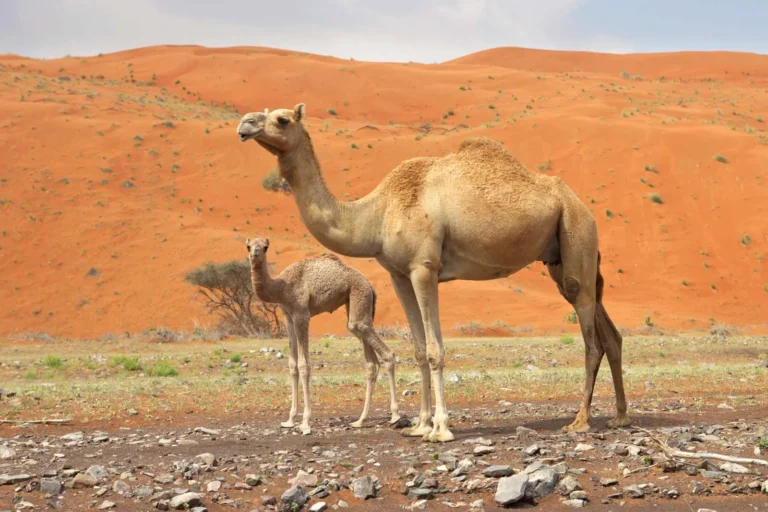
    Camel herders and scientists across Africa say that rising temperatures are now overwhelming animals long regarded as uniquely suited to desert extremes, with herds facing rising death tolls, illness, and shrinking grazing lands. In the Afar region of northeastern Ethiopia, among the hottest and driest places on the planet, nomadic herders traditionally lead camel caravans loaded with salt across the desert. Ali Umer, a 40 year old herder from Semera who owns around 500 camels, said he watches his animals struggle under conditions he has never seen before. He described blistered feet, watery eyes, and burned skin among his herd, and said the sand itself now scorches the animals as they rest. Umer said he lost eight camel calves in a single month due to extreme heat, and added that even the wind no longer brings relief. He said the changes have become noticeably worse in recent years. Umer’s account matches what researchers and veterinarians are documenting across the continent. Scientists and animal welfare specialists point to stress, fatigue, dehydration, and rising disease rates as direct consequences of extreme heat, while indirect effects such as water shortages, vegetation loss, and disappearing shade compound the damage. North Africa and the Horn of Africa are home to roughly 80 percent of the world’s dromedary camel population, the single humped variety that farmers across the region have increasingly relied on because of its reputation for withstanding drought and heat. A 2025 study examining herder perceptions in southern Ethiopia found that climate variability had measurably harmed camel health, productivity, and reproduction. The crisis appears especially acute in Somalia. Research published in June found that drought linked camel deaths have affected nearly 46 percent of camel owning households, based on a survey of almost 6,000 pastoral families. The mortality was heavily concentrated in northern areas, with the Sool region recording a death rate of nearly 73 percent. Experts say extreme heat is the central driver behind the region’s drought conditions, though poor veterinary access and weak herd management make outcomes worse. Atmospheric scientists have linked the severe 2021 to 2022 drought to sustained high temperatures, which accelerate evaporation from soil and water sources and increase the rate at which plants release moisture into the air. Veterinarians on the ground report a growing caseload tied to heat. Hassan Nuya Guyo, a veterinary officer in Marsabit county in northeastern Kenya near the Ethiopian border, said his clinic is seeing a sharp rise in hyperthermia cases that leave camels vulnerable to secondary infections. He said camel deaths in the county have risen more than 15 percent over the past two years due to heat and drought. Separate research from the Horn of Africa links heat stress to higher disease rates and falling milk yields among camel herds. A similar pattern is emerging in North Africa. A study conducted in Algeria and published this year documented a marked rise in camel deaths during summer heatwaves, with researchers noting clear seasonal mortality spikes that they say call for targeted responses such as emergency water supplies, supplemental feeding, and closer disease monitoring during peak summer months. The World Meteorological Organization says extreme heat events have become routine across North Africa, with heatwaves trending upward since 1981. Several countries in the region and the wider Middle East recorded temperatures above 50 degrees Celsius in 2024. The organization’s most recent State of the Climate in Africa report found that North Africa warmed faster than any other subregion on the continent between 1991 and 2025, at a rate of 0.43 degrees Celsius per decade. Camels are naturally equipped to handle heat up to about 40 degrees Celsius. Their bodies allow internal temperature to fluctuate throughout the day, reducing the need to sweat, while concentrated urine, dry waste, and a thick protective coat help limit water loss and block solar radiation. But researchers say those adaptations are no longer enough. Mohammed Bengoumi, a camel health specialist with the United Nations Food and Agriculture Organization who works across North Africa, said summer temperatures in large parts of the Sahara now regularly exceed 50 degrees Celsius, raising the risk of severe heat stress, especially where vegetation, water, and shade are already scarce. Abdelmadjid Chehma, a professor at the University of Ghardaia in Algeria who has conducted experimental research on desert camels, said sustained heat above 41 to 45 degrees Celsius damages the animals at a cellular level, weakening their immune systems and preventing white blood cells from repairing themselves. He said the resulting stress slows the animals’ metabolism as their bodies try to limit internal heat production, which in turn reduces appetite and causes lethargy, lower milk output, and reproductive problems. Mohammed el Khasmi, an animal hydrobiology expert at the University of Casablanca in Morocco, said his team has documented a wide range of heat related harm in camels, including weight loss, inflammation, muscle and bone damage, kidney related chemical imbalances, and parasite driven infections. The combined pressures are forcing some herding communities to abandon land they have used for generations. Daniel Gelan, a pastoralist development researcher at Vision University in Ethiopia, said herders in the country’s north are relocating permanently to southern areas with more reliable water and vegetation, rather than following the seasonal migration patterns of the past, because the northern region can no longer sustain camel herding. The Horn of Africa is still recovering from a severe drought that lasted from 2020 to 2023 and is now facing another period of harsh conditions, according to the charity Oxfam, which reported that water prices in parts of Somalia have jumped by more than 2,000 percent. Back in Afar, Umer said he fears disease could soon begin killing his adult camels as well. Chehma said that concern reflects a broader shift underway across the region, where an animal once seen as the ultimate survivor of desert life is now being pushed toward its own breaking point by the pace and severity of current heatwaves.

  • |

    Mother, daughter killed in Lahore road crash

    A tragic road accident claimed the lives of a woman and her young daughter in Lahore’s suburban area of Manga Mandi after a passenger bus collided with their motorcycle. Another person riding the motorcycle sustained injuries in the crash. According to Rescue officials, emergency teams responded quickly to the scene and shifted the bodies of the deceased mother and daughter to the morgue for legal formalities. Rescuers also transported the injured victim to a nearby hospital, where doctors are providing medical treatment. Police said the bus driver fled the scene immediately after the accident, leaving the vehicle behind. Authorities have launched a search operation and are conducting raids to arrest the suspect. The incident has once again raised concerns about reckless driving and road safety in the city, as traffic accidents continue to claim lives on busy roads across Lahore. Police have started an investigation to determine the exact circumstances that led to the fatal collision.

  • | |

    NADRA issues notices to 4,506 suspicious CNIC hold…

    The National Database and Registration Authority (NADRA) Karachi has issued notices to another 4,506 holders of suspicious Computerised National Identity Cards (CNICs). According to the details, the individuals have been directed to contact their respective NADRA zonal offices within seven days. They have also been asked to provide all necessary documents and evidence to establish the validity of their identity and citizenship records. NADRA has warned that failure to respond to the notices within the given period could result in the cancellation of their CNICs. The authority has also warned that identity cards of their other family members could be cancelled if the required verification is not completed. Of the total notices issued, 2,318 have been sent to CNIC holders residing in different districts of Karachi. The remaining 2,400 notices relate to citizens living in various cities across interior Sindh. The latest action is part of NADRA’s ongoing scrutiny of identity records. The authority has been examining cases where discrepancies or questions have emerged regarding the authenticity of CNICs and the information provided by their holders. The affected individuals have been given an opportunity to appear before the relevant NADRA offices and submit supporting evidence. They are required to cooperate with the verification process within the specified seven-day period. NADRA officials have made it clear that failure to provide satisfactory evidence could lead to further action against the individuals concerned. The possible cancellation of the CNICs of other relatives has also been mentioned as part of the warning issued to suspicious CNIC holders. The latest notices cover both Karachi and several areas of interior Sindh. This indicates that the verification process is not limited to a single district but is being carried out across different parts of the province. It is noteworthy that NADRA has identified more than 10,000 suspicious CNIC holders across the country so far this year. The latest notices issued in Karachi and interior Sindh add thousands more cases to the authority’s ongoing verification drive. The process is aimed at ensuring that identity records maintained in the national database remain accurate and properly verified. Individuals who receive notices have been advised to approach the relevant NADRA offices and provide the required evidence within the deadline.

  • Thai Police Rescue Chinese Student From Transnational ‘virtual Kidnapping’ Scam

    BANGKOK, Thailand — Thai authorities have successfully rescued a 21-year-old Chinese university student who was coerced by a transnational scam syndicate into staging her own abduction, a sophisticated “virtual kidnapping” scheme designed to extort millions in ransom from her family in Hong Kong. Six Nigerian Men Arrested In Nonthaburi For Alleged Ai-powered Romance Scams The […]

Leave a Reply

Your email address will not be published. Required fields are marked *