thailand protests cambodia

Thailand Protests to Cambodia After Mortar Incident, Vows Proportional Response

BANGKOK – Thailand has formally protested to Cambodia following an incident this morning in which a Cambodian mortar round landed on Thai territory, injuring a Thai soldier. Prime Minister Anutin Charnvirakul announced the diplomatic démarche after chairing the weekly Cabinet meeting, stating that Thailand is seeking clarification from Cambodia and is prepared to respond if necessary.

“We are now seeking clarification on the incident from Cambodia, to assess how Thailand should respond,” Anutin said. He confirmed that the Ministry of Foreign Affairs has sent a formal letter to its Cambodian counterpart requesting an explanation and questioning whether the incident constitutes a violation of the existing ceasefire agreement between the two nations.

“Thailand is fully prepared on all fronts, diplomatic and security, to respond if necessary. If it reaches a point where Thailand deems it necessary to respond, it will do so,” the Prime Minister added.

According to reports from border units, Cambodian authorities have characterized the event as an accident. Anutin questioned how Cambodia would assume responsibility for such an “accident.” He noted that the Interior Ministry has been instructed to monitor the situation and assist local residents, though evacuations are not currently deemed necessary.

Foreign Minister Sihasak Phuangketkeow emphasized Thailand’s demand for accountability. “We are demanding that Cambodia take responsibility, particularly by issuing an apology for what occurred,” he told reporters. He underscored that Thailand’s response would be proportional and calibrated based on Cambodia’s explanation and subsequent actions.

Under the Thai-Cambodian General Border Committee (GBC) agreement signed in December of last year, Cambodia is obligated to provide explanations for such border incidents. Minister Sihasak stated that even if the mortar firing was unintentional, Cambodia must clarify how it happened, take measures to prevent a recurrence, and formally apologize.

“If Cambodia can show that the incident was not intentional and can ensure it will not happen again, Thailand’s response would remain at the level of a diplomatic protest,” Sihasak said. However, he warned that if the act was found to be deliberate, the situation would be treated differently, with responses proportionate to the severity of the violation.

The incident has raised tensions along the border, though both sides have so far communicated through official channels. Thailand has reiterated its commitment to peaceful resolution while affirming its readiness to defend its sovereignty and security.

-Thailand News (TN)

Similar Posts

  • Thai Civilians Evacuate Border Areas as Clashes with Cambodia Escalate

    BANGKOK – Thai residents along the Cambodian border are evacuating their homes amid a renewed escalation of armed attacks, moving to inland shelters for safety. The Royal Thai Army issued an urgent directive on Monday instructing villagers in all border provinces to leave immediately. Two Thai Soldiers Injured in Border Skirmish with Cambodian Forces in […]

  • | |

    Secret Service probes alleged leak of JD Vance tra…

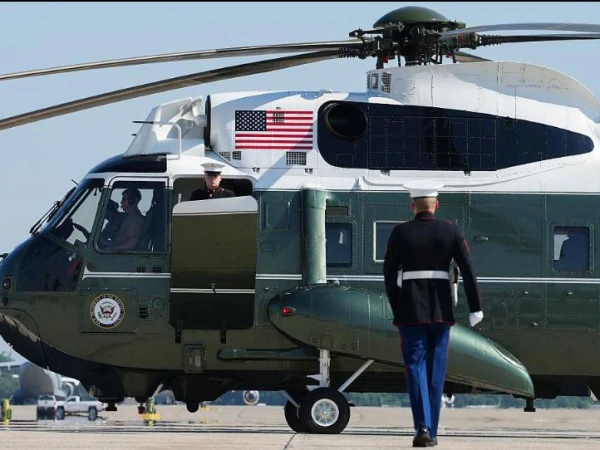
    WASHINGTON: A member of US Vice President JD Vance’s security detail is under investigation over allegations that sensitive information related to the vice president’s travel arrangements was leaked to the media, raising concerns about security protocols surrounding one of the country’s highest-ranking officials. The US Secret Service confirmed on Friday that an administrative investigation is underway into the conduct of an officer assigned to Vance’s protective unit. Officials said the inquiry could potentially lead to a criminal investigation depending on the findings. Secret Service spokesperson Anthony Guglielmi said the agency takes any breach of operational security seriously and would not tolerate actions that could compromise the safety of protected government officials. “The Secret Service maintains strict standards regarding operational and informational security,” Guglielmi said in a statement. “Any violation of those standards is thoroughly reviewed and investigated.” The controversy emerged after a US media outlet published a report claiming that Vance had made several unusual requests involving his security team and travel arrangements. The report cited unnamed sources who alleged that some members of the vice president’s protective detail had expressed frustration over certain personal travel-related requests. One of the claims attracting significant attention involved an alleged proposal to use Marine Two, the official helicopter designated for the vice president, to transport Vance’s son to a secure golf course for golf lessons. According to the report, discussions about using the government aircraft for the trip were considered but never materialized. The proposed flight was ultimately canceled due to severe weather conditions, including thunderstorms that made flying unsafe. While the report has fueled debate in Washington, no evidence has been publicly presented showing that any rules were broken regarding the proposed transportation arrangements. The focus of the investigation currently remains on how details of the vice president’s security operations allegedly reached the media. The Office of the Vice President has not issued a detailed response to the report, and Vance’s team has so far declined to comment publicly on the allegations. Political analysts say the case highlights two sensitive issues often facing senior government officials: the appropriate use of official resources and the protection of confidential security information. Security experts warn that unauthorized disclosures about the travel plans or protective measures of top government leaders can create significant risks, even when the information appears routine. As investigators continue reviewing the matter, attention remains fixed on whether the alleged leak violated federal regulations and what consequences could follow if wrongdoing is confirmed. The findings could have broader implications for security procedures protecting senior US officials.

  • | |

    Islamabad’s Margalla trails to remain closed tom…

    The Islamabad administration has announced the closure of several popular hiking trails in the Margalla Hills for Thursday, August 13. According to the administration, Trails 2, 3, 4 and 5 will remain closed to the public throughout the day. The decision applies to visitors, hikers and other citizens who regularly use these trails for recreational activities. Officials also confirmed that the trail located behind Saidpur Village will remain closed on August 13. Citizens have been advised to avoid attempting to access the closed routes and to follow instructions issued by the local administration. The Margalla Hills trails attract a large number of residents and visitors, particularly in the morning and evening hours. The temporary closure is expected to affect routine hiking and recreational activities in the designated areas. The administration has urged citizens to cooperate with officials and avoid entering restricted locations until the trails are reopened.

  • | |

    245 technical institutes affiliated by FBISE face …

    Islamabad: Questions have been raised over the affiliation process of hundreds of technical institutes after an audit revealed that 245 technical institutions were affiliated with the Federal Board of Intermediate and Secondary Education (FBISE) before concerns over legal authority and inspection procedures were fully addressed. The issue came up during the 47th meeting of the Public Accounts Committee, held under the acting chairmanship of Syed Naveed Qamar, where lawmakers reviewed audit objections related to FBISE’s affiliation procedures. According to audit findings, FBISE affiliated 245 technical institutes during 2022 and 2023 and collected Rs. 26.750 million in affiliation fees. The audit questioned the process, stating that the original FBISE Act of 1975 mainly covered intermediate and secondary education and did not clearly mention technical institute affiliations. Officials informed the committee that the matter was reviewed by the Law and Justice Division, which issued a legal opinion on 15 June 2026. The opinion stated that FBISE has legal authority under relevant sections of the FBISE Act 1975 to conduct examinations, provide affiliations and issue certificates for technical education programmes including Matric Tech and Inter Tech programmes at secondary and higher secondary levels. During the discussion, PAC members stressed that clear policies and official notifications should be issued so that all concerned institutions have proper guidance regarding technical education affiliations. The committee questioned whether the legal position and policy framework were clearly communicated before allowing affiliations. Officials were directed to ensure that proper procedures and documentation are completed before moving forward. The audit also highlighted another issue related to the registration process of technical institutes. Audit observations indicated that provisional registrations were issued to technical institutes before physical inspections were completed. The audit noted that registrations were granted without complete details of teaching staff. Officials informed the committee that inspections were being carried out and most institutions had already been reviewed, while only a limited number of uninspected institutions remained pending as of March 2026. Officials also informed the committee about steps being taken to improve technical and modern education in schools. The Federal Directorate of Education has introduced coding, robotics and artificial intelligence programmes to encourage students towards technology fields. Officials said coding fellows were engaged through support from NUST, while additional technology fellows were also working to support IT education. The committee was also informed about the Matric Tech programme, which was introduced to provide practical skills to students who may not continue traditional education after matriculation and want to enter professional careers. Officials said the aim of the programme is to provide students with useful skills that can help them find employment and participate in modern industries. The meeting also discussed the shortage of teaching resources, especially in areas where educational facilities face staff challenges. Officials informed the committee that 1,699 teaching and non teaching fellows, including technology fellows, were engaged to support educational needs. The committee emphasized that technical education is important for preparing young people for future jobs but stressed that proper monitoring, legal clarity and transparent procedures must remain part of the system.

  • |

    China rejects Pakistan’s waiver request

    Chinese lenders and Independent Power Producers (IPPs) have turned down Pakistan’s request to write off nearly Rs 170 billion in late-payment surcharges. The refusal highlights the growing friction between the two long-standing allies as Pakistan struggles to navigate a staggering power-sector circular debt that continues to drag down its broader economy. The unpaid dues owed to 18 Chinese-backed power generation projects established under the CPEC have now increased to approximately Rs 423 billion. The financial bottleneck stems from a combination of structural inefficiencies within Pakistan’s domestic energy distribution network and systemic delays in clearing operational invoices. Under the original 2015 CPEC Energy Framework Agreement, Pakistan was legally obligated to ensure full and timely payments to power producers, backed by a designated revolving fund to cushion investors against domestic liquidity shortfalls. As payment deadlines were repeatedly missed over recent years due to severe foreign exchange constraints, contractual interest penalties accumulated to the tune of Rs 170 billion. While local power suppliers previously accepted debt-restructuring deals and fee write-offs to ease the burden on state coffers, Chinese energy firms have maintained a strict stance, citing global precedent and financial commitments to their own institutional lenders. This refusal creates an immediate impasse for Pakistan’s Ministry of Energy and financial regulators. The federal government had structured a massive Rs 1.225 trillion banking facility intended to retire the country’s broader circular debt stock. However, disbursement terms mandated that power producers accept renegotiated terms or offer discounts on late-payment fees before receiving principal clearances. Because the Chinese IPPs declined to waive the surcharges or offer similar concessions, billions in funds remain locked, leaving power plant operators facing severe liquidity squeezes that threaten regular fuel procurement and plant operation. Total Outstanding Dues: Rs 423 Billion. Requested Surcharge Waiver (Rejected): Rs 170 Billion. Principal Energy Cost Owed: Rs 253+ Billion. Pakistani negotiators are exploring alternative financial maneuvers to manage the expensive debt burden. Seeking low-interest bilateral funding including potential long-term loan packages in the range of $6 billion to $10 billion from partner nations like Saudi Arabia to retire high-cost Chinese energy loans. Requesting cabinet approval for extensions on expiring domestic banking facilities to prevent immediate default claims. Balancing the debt burden through structured tariff pass-throughs, though consumer capacity to absorb higher electricity prices remains extremely strained. The dispute underscores a delicate transition in the CPEC bilateral relationship. While both nations remain deeply committed to long-term strategic partnership and Phase-Two infrastructure development, commercial reality is setting a firmer baseline. Moving forward, resolving the sovereign debt backlog will require transparent structural reforms within Pakistan’s power distribution setup rather than relying on debt waivers from foreign investors.  

  • | |

    Ishaq Dar arrives in Manila for ASEAN Forum

    Deputy Prime Minister and Foreign Minister Ishaq Dar arrived in Manila, Philippines, on Wednesday to attend the 33rd ASEAN Regional Forum (ARF) Ministerial Meeting. The visit reflects Pakistan’s continued engagement with regional and international partners on key political, economic, and security issues. Dar reached Manila with a high-level delegation. During his visit, he will participate in the ARF plenary session and hold several bilateral meetings with foreign ministers and senior officials from participating countries. These meetings are expected to focus on strengthening diplomatic ties, expanding economic cooperation, and discussing regional developments. Upon his arrival, Dar was welcomed by senior officials of the Philippine Department of Foreign Affairs, Pakistan’s Ambassador to the Philippines Asima Rabbani, and officials of the Pakistani Embassy. The ASEAN Regional Forum is one of the region’s most important diplomatic gatherings. It brings together foreign ministers and senior representatives from ASEAN member states and partner countries to discuss peace, security, and regional cooperation. This year’s meeting will focus on several pressing international issues. Participants will exchange views on growing geopolitical tensions, regional security challenges, energy security, food supply concerns, trade cooperation, and the impact of ongoing global conflicts. The situation in Myanmar will also be high on the agenda. Leaders are expected to review efforts to implement ASEAN’s Five-Point Consensus and discuss ways to support peace and stability in the country. The continuing tensions between the United States and Iran are also expected to feature prominently during discussions. Delegates will assess the impact of the conflict on regional security, global energy markets, and international trade. Senior diplomats from major world powers are attending the forum. These include representatives from the United States, China, India, Japan, Australia, South Korea, Russia, the United Kingdom, and the European Union. The meeting provides an opportunity for bilateral engagements and dialogue on shared global challenges. ASEAN countries are also expected to discuss measures to strengthen regional energy cooperation. Member states are exploring ways to improve oil-sharing mechanisms to reduce the impact of possible disruptions in global energy supplies.

Leave a Reply

Your email address will not be published. Required fields are marked *