Thailand Relaunches Gasohol E20 to Fight Rising Energy Costs
BANGKOK – Energy authorities in Thailand are aggressively relaunching Gasohol E20 in the third quarter of 2026. The government desperately wants to reduce the country’s massive dependence on expensive imported oil. Officials sincerely hope this renewed push will finally convince drivers to embrace biofuel, boost local farming, and stabilize national energy security.
Thailand will aggressively relaunch Gasohol E20 in the third quarter of 2026. The Department of Energy Business strongly aims to cut the nation’s heavy reliance on expensive foreign crude oil. Officials hope this renewed campaign will finally convince hesitant drivers to switch from standard gasohol to the cleaner E20 blend.
This urgent move comes as global energy prices surge due to ongoing conflicts in the Middle East. Thailand currently imports nearly all of its crude oil, which creates a massive financial burden. By actively promoting a fuel blended with local ethanol, the government plans to protect the economy and support domestic agriculture.
Key Takeaways:
- Thailand plans to relaunch Gasohol E20 in late 2026 to boost daily consumption well past 10 million liters.
- The country currently imports 92 percent of its crude oil, which costs over 1.33 trillion baht annually.
- Drivers remain highly hesitant to use E20 because of persistent engine damage fears and overly cautious mechanic warnings.
The Core Plan to Boost Biofuel
The government is currently drafting new strategies to aggressively promote E20 across the country. Currently, E20 makes up only a very small fraction of daily fuel sales in Thailand. Most drivers still strongly prefer standard gasoline or E10, which contains only 10 percent ethanol.
Sarawut Keawtathip actively leads the Department of Energy Business. He recently confirmed that energy officials want to push E20 usage beyond 10 million liters per day. This highly ambitious goal requires a massive shift in how everyday consumers view renewable energy.
The department absolutely knows this will not be an easy task. Officials freely acknowledge that strict budget limits will heavily restrict how much money they can spend on modern marketing. They will strictly need strong partnerships with major car makers and oil companies to make the campaign work.
Why Drivers Fear the E20 Blend
Despite very clear price advantages, Thai motorists continue to avoid E20 at the local pumps. The fuel currently costs exactly five baht less per liter than premium E10 gasohol options. This substantial discount has simply not been enough to change deep-rooted and stubborn consumer habits.
Many car owners constantly worry that the higher ethanol content will completely ruin their engines over time. False rumors have actively spread online claiming that E20 evaporates quickly in hot tropical weather. These entirely unfounded fears keep local drivers paying much higher prices for standard fossil fuels.
Auto mechanics unfortunately play a major role in this widespread consumer resistance. Many local repair shops actively tell their trusting customers to avoid E20 out of unnecessary caution. Changing this deeply negative perception remains the government’s absolute biggest hurdle in the upcoming public campaign.
Collaboration Across the Energy Sector
The national energy ministry plans to directly copy a highly successful strategy previously used for biodiesel. When promoting B20 diesel, the government relied heavily on widespread, industry-wide cooperation. They officially asked prominent vehicle manufacturers and highly respected state universities to publicly endorse the alternative fuel.
This essential teamwork helped build vital trust among commercial truck drivers across the nation. Officials desperately want to recreate that same confidence for everyday car owners using E20. They will formally ask foreign energy companies and major local oil traders to heavily support the new educational campaign.
According to a detailed recent report by the Bangkok Post, this joint effort is absolutely critical for success. The government simply cannot afford to fund massive, long-term price subsidies like it freely did in the past. Therefore, widespread public education and strong corporate support must completely drive the necessary change in consumer behavior.
The Heavy Cost of Imported Oil
Thailand’s national economy remains highly sensitive to sudden, unpredictable shifts in global energy markets. The country currently imports a staggering 92 percent of its daily crude oil consumption. This massive, unchecked dependence drains money directly from the domestic economy and significantly weakens national growth.
Importing this crude oil costs Thailand more than 1.33 trillion baht every single year. When dangerous international conflicts disrupt global supply chains, local fuel prices routinely spike almost immediately. The recent, heavily destructive Israel-US conflict with Iran has only made this severe economic problem significantly worse.
Relying entirely on foreign oil severely limits Thailand’s overall economic potential and stability. It artificially raises the daily cost of living for ordinary citizens and heavily hurts local retail businesses. Finding a reliable, completely local alternative is no longer just an environmental goal, but a strict national economic necessity.
Boosting the Local Farming Economy
Gasohol E20 is not merely about providing slightly cheaper fuel for busy city drivers. It essentially represents a massive, long-term financial opportunity for Thailand’s highly important agricultural sector. The organic ethanol used in E20 comes directly from standard crops grown heavily by local Thai farmers.
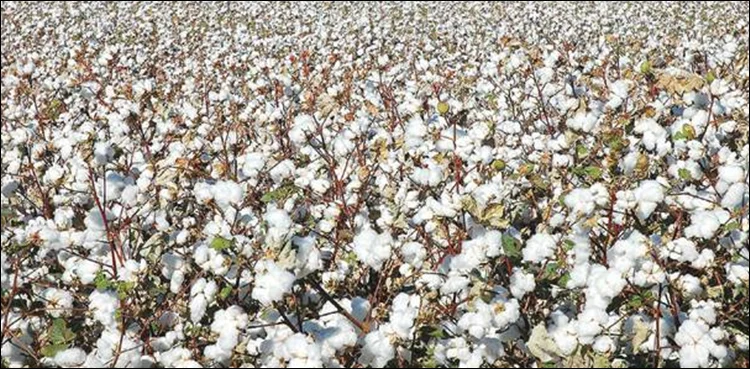
Farmers grow incredibly large amounts of cassava and sugarcane to produce the sweet molasses needed for ethanol. Increasing national E20 sales would naturally create a very steady, highly reliable market for these important agricultural products. This highly consistent demand would put vital money directly into the pockets of hardworking rural farming communities.
Seksan Phrommanich currently serves as the vice-chairman of the prominent Renewable Energy Industry Club. He strongly believes that E20 can heavily stimulate the domestic economy straight from the ground up. He firmly argues that adopting local biofuel is the ultimate key to building a completely sustainable financial future.
Managing the Ethanol Supply Chain
If the new promotional campaign succeeds, national ethanol demand will undoubtedly rise very sharply. Thailand currently produces roughly seven million liters of raw ethanol each and every day. This highly impressive output comes directly from 28 different registered producers operating freely across the country.
Right now, only four million liters safely go toward domestic gasohol fuel production. The remaining daily supply is actively used for various other important industrial and commercial purposes. A massive, sudden increase in E20 usage could very quickly strain this current, heavily balanced supply system.
Energy officials are actively preparing for this highly potential logistical challenge right now. They may urgently need to introduce brand new regulations to ensure ethanol factories have enough raw materials. Securing a highly steady supply of raw cassava and sugarcane molasses will be essential for long-term success.
Learning from the 2008 Failure
This is absolutely not Thailand’s first major attempt to heavily promote Gasohol E20. The Thai government originally launched the biofuel for widespread commercial sale back in January 2008. The initial national rollout featured massive retail subsidies funded directly by the state Oil Fuel Fund.
At first, the government worked incredibly closely with major car companies to easily ensure broad vehicle compatibility. They aggressively pushed strong public endorsements from top state universities and the national energy ministry. However, this promising early momentum very quickly faded away completely due to totally unforeseen global events.
The catastrophic, historically bad global financial crisis of 2008 caused global oil prices to crash violently. Standard fossil gasoline suddenly became much cheaper to safely produce than pure ethanol-blended fuels. The government could sadly no longer afford the incredibly heavy subsidies required to keep E20 completely competitive.
Overcoming Past Roadblocks
During that initial launch, incredibly few cars on the road were actually built for E20. This severe, glaring lack of compatible vehicles severely limited the new fuel’s potential consumer market. Today, almost all modern passenger cars can easily handle E20 without any mechanical issues whatsoever.
The original, highly flawed campaign also heavily suffered from a complete lack of highly consistent public messaging. When the government abruptly stopped widely promoting the fuel, dangerous misinformation quickly filled the massive communication gap. Fake internet news about immediate engine damage completely convinced many early adopters to nervously switch back to E10.
Current officials absolutely know they must completely avoid directly repeating these same mistakes this time around. The brand new campaign must actively focus entirely on long-term driver education rather than totally short-term price cuts. Rebuilding deeply broken public trust will ultimately take highly significant time and highly consistent effort from all involved.
Following Global Biofuel Leaders
Thailand is currently closely looking to other developed nations for direct inspiration on modern biofuel policy. Several large countries have highly successfully replaced imported crude oil with robust, completely local ethanol blends. Brazil and India completely stand out as the absolute primary examples of this highly successful energy transition.
Brazil has actively spent several decades slowly building a massive ethanol industry powered almost entirely by sugarcane. Most standard cars in Brazil can easily and safely run on pure ethanol or very high-percentage blends. This heavily established system fully protects their domestic economy from highly sudden, dangerous spikes in global oil prices.
India has also actively made massive, highly impressive strides in seamlessly blending local ethanol into its national fuel supply. They smartly use their incredibly strong agricultural sector to dramatically and efficiently reduce costly foreign energy imports. Thai energy industry leaders genuinely believe their proud country can easily and completely replicate these highly proven international successes.
Building a Greener Future
Beyond basic daily economics, E20 reliably offers highly significant and incredibly measurable environmental benefits for Thailand. Burning clean ethanol naturally produces significantly fewer harmful vehicle emissions than burning pure, totally unblended gasoline. This highly important reduction is absolutely and completely crucial for heavily crowded cities like Bangkok that constantly struggle with severe air pollution.
Promoting modern E20 perfectly and entirely aligns with highly modern global sustainability goals and worldwide initiatives. The prominent Federation of Thai Industries aggressively and publicly wants to completely brand E20 as a premium eco-friendly choice. They sincerely and deeply hope younger, highly environmentally conscious drivers will actively and proudly choose to heavily lead this highly important transition.
Reducing incredibly heavy global fossil fuel usage is a completely vital, totally necessary step toward actively fighting global climate change. Every single liter of clean, local ethanol used highly effectively replaces a dirty liter of imported crude oil. This highly simple, incredibly easy shift directly helps Thailand comfortably and safely lower its overall carbon footprint while deeply saving vital public funds.
Ensuring Long-Term Energy Security
True national energy security completely means relying much less on highly volatile and incredibly unpredictable foreign markets. When a strong country independently and safely produces its own fuel, it fully and completely controls its own economic destiny. Gasohol E20 readily provides Thailand with a very direct and highly clear path toward this incredibly valuable national independence.
Ongoing, highly dangerous geopolitical tensions in the Middle East will absolutely continue to heavily threaten global oil supplies constantly. Thailand simply and entirely cannot afford to nervously remain 92 percent dependent on these highly fragile international supply chains. Modern biofuels cleanly offer a highly practical and totally proven buffer against this kind of deeply destructive global international chaos.
The national energy ministry strongly and consistently views E20 as a highly critical, totally essential tool for national economic stability. By highly efficiently turning completely local crops into fuel, the government proudly creates a brilliantly self-sustaining, totally domestic energy loop. This highly strategic, incredibly smart approach actively and deeply protects everyday citizens from entirely unpredictable, highly damaging global market events.
What Needs to Happen Next
To successfully hit the aggressive daily goal of 10 million liters, absolutely everything must strictly align perfectly. The government must immediately launch incredibly clear, highly factual public campaigns to totally debunk all remaining fake engine damage myths. Mechanics strictly need proper, highly thorough modern education so they finally and completely stop actively discouraging their everyday retail customers from permanently switching.
Automakers must strictly continue to carefully and beautifully design and aggressively advertise E20-compatible vehicles to the general public. Oil supply companies desperately and urgently need to strictly ensure the clean fuel is easily available at literally every single public gas station. Local rural farmers and major corporate ethanol producers must consistently work incredibly closely together to easily and successfully maintain a steady, totally reliable supply.
If these incredibly diverse industry groups completely cooperate fully, the upcoming national transition will be remarkably completely smooth and highly naturally profitable. Without this deeply essential, totally required teamwork, the highly ambitious campaign will highly likely unfortunately face the same dismal fate as the failed 2008 launch. The national financial and global environmental stakes are simply and completely far too high for another deeply embarrassing public policy failure.
Frequently Asked Questions (FAQ)
What is Gasohol E20?
Gasohol E20 is a highly modern biofuel blend made of exactly 20 percent natural ethanol and 80 percent standard fossil gasoline. The pure ethanol portion is typically highly safely produced directly from totally local Thai crops like raw cassava and sweet sugarcane. This clean fuel safely offers a much cleaner, highly greener alternative to highly traditional, fully and completely fossil-based gasoline products.
Why is Gasohol E20 cheaper than normal fuel?
The Thai government frequently and heavily subsidizes E20 at the pump to strongly and actively encourage highly hesitant drivers to use it daily. Additionally, highly cleanly producing natural ethanol completely locally within the country is generally much, much cheaper than heavily importing highly expensive dirty crude oil from far overseas. These highly combined positive factors naturally allow local gas stations to reliably sell E20 at a highly noticeable, incredibly friendly discount.
Will Gasohol E20 damage my car engine?
No, cleanly using modern E20 will absolutely and completely not damage highly modern car engines under any completely normal daily driving conditions. Most standard vehicles cleanly manufactured totally after the year 2008 are specifically and entirely designed to highly safely run completely effectively on E20 without any totally negative mechanical side effects. The highly persistent, incredibly stubborn local rumors about severe and totally complete engine damage are entirely and fully based on highly outdated, completely fake internet misinformation.
Why is Thailand pushing for more E20 usage?
Thailand sadly currently imports a totally staggering 92 percent of its daily crude oil, which is extremely, incredibly highly expensive. Cleanly using much more E20 immediately and directly reduces this highly dangerous, completely heavy reliance on highly volatile, totally unpredictable foreign oil markets. This completely smart, highly strategic shift heavily and entirely saves the country vital money while directly and completely proudly supporting local rural Thai agricultural communities.
How does E20 help the environment?
Pure ethanol consistently and reliably burns much, much cleaner than totally traditional, completely unblended dirty fossil fuel gasoline. Cleanly using modern E20 significantly and totally reduces highly harmful dirty tailpipe emissions, which directly and fully helps vastly improve crowded urban air quality. This completely essential, highly green transition also actively and entirely lowers the proud country’s total global carbon footprint in the highly vital, completely urgent global fight against dangerous climate change.
Trending News:
Thailand Bets Heavily on Natural Gas For Its Economic Growth
Gulf of Thailand’s Vast Gas Reserves: A 25-Year Dispute Between Thailand and Cambodia