south koreas bankware
|

South Korea’s Bankware Global secures Rs1.57 billion Pakistan Post Contract

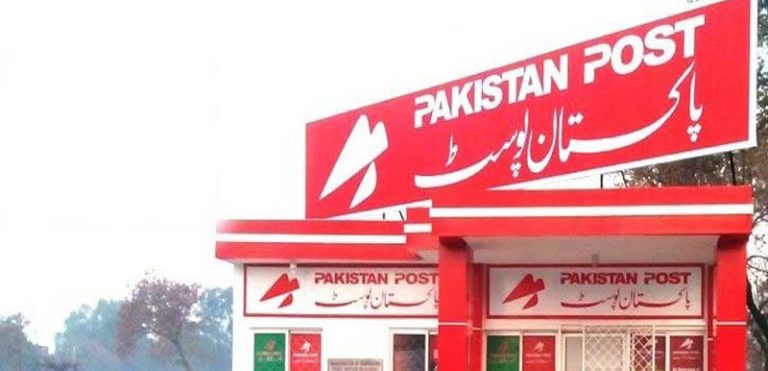
ISLAMABAD: South Korean core banking and financial technology company Bankware Global has secured a contract worth 7.98 billion South Korean won, equivalent to approximately Rs1.57 billion, to develop a banking and financial services system and provide software for Pakistan Post Office Department (PPOD).

The Seoul-based technology company disclosed the development in a notice submitted to the Korea Exchange on Tuesday, marking a significant expansion of its presence in Pakistan’s financial technology and public-sector digitalisation market.

According to the company, the project will be implemented from August 7, 2026, to March 6, 2028. The value of the contract represents around 12.6% of Bankware Global’s total sales recorded during 2025.

The company said the project would be executed through a joint venture, with the arrangement covering the development and supply of the required technology infrastructure and software solutions for the Pakistan Post Office Department.

Bankware Global also outlined the payment mechanism for the project. Under the agreed terms, 20% of the contract amount will be paid upfront, while the remaining 80% will be released in phases. Subsequent payments will be linked to project implementation, sector-wise inspection and the commencement of operations and maintenance services.

Pakistan Post seeks digital transformation

The contract comes as Pakistan Post continues efforts to modernise its operations and introduce greater use of digital technologies across its extensive network.

The Pakistan Post Office Department is one of the country’s largest public-sector service networks, with approximately 13,000 post offices operating across Pakistan. Besides traditional postal services, the department provides a range of financial and public services, including domestic and international mail, remittance facilities, utility bill collection and selected identity-related services such as CNIC renewals.

With the growing demand for faster and technology-driven financial services, Pakistan Post has been seeking to upgrade its systems and integrate modern digital platforms into its operations.

The introduction of a modern core banking and financial technology system is expected to support more efficient processing, improve service delivery and strengthen the department’s ability to manage financial transactions through its widespread network.

Bankware Global expands international footprint

Bankware Global has been operating in the financial technology sector for more than 17 years. The South Korean company specialises in core banking platforms and other technology solutions designed for financial institutions.

Its portfolio includes component-based and cloud-native core banking systems, financial enterprise resource planning (ERP) solutions, card-processing platforms and software-as-a-service (SaaS) banking products.

The company has supplied technology solutions to financial institutions in several Asian markets, positioning it as a regional player in the digital banking and fintech sector.

The Pakistan Post project is expected to further strengthen Bankware Global’s international business portfolio while providing the company with an opportunity to participate in Pakistan’s ongoing digital transformation efforts.

For Pakistan Post, the project could represent an important step toward upgrading its technological infrastructure and improving the delivery of financial and public services through its nationwide network.

The contract will remain in force until March 6, 2028, with implementation and payments scheduled according to the agreed project milestones.
Similar Posts

  • | |

    Pakistani celebrities voice support for India’s student protesters

    A student movement in India demanding accountability and reform in the country’s education system has drawn a wave of public support from celebrities on both sides of the border, with Pakistani and Indian stars alike using their platforms to stand alongside the protesters. The Cockroach Janta Party movement began after allegations emerged of widespread examination paper leaks, and has since grown into a nationwide campaign calling for greater transparency and systemic reform in India’s education sector. While the protests started peacefully, clashes with authorities have since been reported in some areas, drawing even wider attention to the students’ cause. Pakistani actors were among the first from across the border to express solidarity. Azfar Rehman shared a video showing alleged police brutality against the protesters, writing: “Shame on the Indian police and government for such insensitive and inhumane behaviour towards students. It’s really sad how these kids are being insulted and beaten up.” Television host Maya Khan praised the students’ awareness and sense of purpose, describing today’s youth as well-informed and saying she stood with them regardless of nationality. Actor Bilal Qureshi expressed empathy, writing simply: “I can feel the pain of this generation, here and there.” Rapper Talha Anjum addressed the protesters directly in an Instagram Story, telling them he had great respect for their resilience and understood their frustration, urging them to stay strong. From within India’s own entertainment industry, the response has been equally vocal. Salman Khan shared a childhood photograph of himself in a school uniform on Instagram, describing the protests as a peaceful movement for educational reform and expressing sadness at the violent turn some demonstrations had taken. He called the issue of paper leaks a very serious one and urged that the movement stay focused on education rather than be pulled into political territory. Alia Bhatt praised the students’ determination in a heartfelt post, describing them as the generation that will shape India’s future and calling their persistence both heartbreaking and hopeful in equal measure. Preity Zinta also voiced support for the students’ demands while cautioning that peaceful demonstrations should not be taken over by what she described as anti-national elements. She additionally called on the Indian government to begin meaningful dialogue with activist Sonam Wangchuk, who has been on an indefinite hunger strike since the protests began. Rakhi Sawant expressed support and questioned the treatment students had faced during the demonstrations. Other Bollywood names who had already lent their voices to the movement included Diljit Dosanjh, Sonakshi Sinha, Aditi Rao Hydari, Shabana Azmi, Pooja Bhatt, Arijit Singh, actor Imran Khan and Zeenat Aman. Not all celebrities have spoken out, and the silence of some has drawn its own kind of scrutiny. A fan page dedicated to Katrina Kaif reportedly shut down, citing disappointment over her decision not to comment on the protests, a reminder that on certain issues, staying quiet is itself read as a statement by an audience that is watching closely.

  • | |

    FBR introduces three-day sales tax registration fo…

      Islamabad: The Federal Board of Revenue (FBR) has introduced a new mechanism to speed up sales tax registration for low-risk applicants, allowing eligible and complete applications to be processed within three working days. The measure was announced through Sales Tax General Order No. 20 of 2026, issued by the Revenue Division on August 24, 2026. The order is aimed at making the registration process faster, more transparent and business-friendly while retaining safeguards against fraudulent or suspicious registrations. Under the new system, applications submitted through the FBR’s IRIS system will be assessed according to risk-based parameters. Applicants classified as low-risk through the computerized system will receive priority treatment, provided their applications contain all required information and documents. According to the order, the relevant Local Registration Office (LRO) will be required to complete the registration process for eligible low-risk applicants within three working days. Officials have been directed to avoid unnecessary delays in processing such applications. The FBR has also restricted registration offices from seeking additional documents from low-risk applicants unless those documents are specifically required under the Sales Tax Act, 1990, the Sales Tax Rules, 2006, or are demanded by the computerized risk-management system. Another major feature of the new procedure is the introduction of pre-registration certification for manufacturers. Sector-specific trade associations operating under the Federation of Pakistan Chambers of Commerce and Industry (FPCCI) will be able to certify the credentials of their member applicants before registration. The certification will cover key details including the applicant’s manufacturing activity, business premises and membership of the relevant trade association. However, the FBR has clarified that such certification is intended only as a facilitation measure and will not replace any legal or statutory requirement for sales tax registration. The new order also establishes clearer procedures for dealing with incomplete applications. If an application does not meet the required conditions, the applicant must be informed within seven days and provided with specific reasons for the objection. The FBR has prohibited registration officials from raising vague or generalized objections. This requirement is intended to provide applicants with greater clarity about deficiencies in their applications and allow them to address issues without unnecessary delays. For manufacturers, the order requires concerned LROs to conduct pre-physical verification under Rule 5(3) of the Sales Tax Rules, 2006 within three working days. Applications considered high-risk or suspicious, however, will remain subject to enhanced scrutiny and additional verification. The FBR said the initiative forms part of broader efforts to facilitate businesses, reduce administrative delays and encourage genuine manufacturers to enter the formal tax system. By involving recognized trade bodies in the initial verification process, the tax authority hopes to make better use of industry-level information while retaining the final decision-making authority with the relevant tax offices. The General Order has been circulated among all Chief Commissioners Inland Revenue, Commissioners, the Director General of IT and PRAL for immediate implementation. The FBR has also emphasized that classification as a low-risk applicant does not provide permanent immunity from scrutiny. If false information, misrepresentation or fraudulent documentation is discovered at a later stage, the applicant may still face subsequent verification and action under the applicable law. The new framework is therefore designed to combine faster registration for legitimate businesses with continued monitoring of applicants who may pose tax or compliance risks.

  • | | |

    Fake Iranian statements allegedly used to push nuc…

    TEL AVIV: An Israeli journalist has alleged that a fabricated statement attributed to an Iranian official was circulated as part of an effort to portray Tehran as actively seeking to develop nuclear weapons. According to Israeli journalist Ronen Bergman, a false statement was allegedly created and attributed to Ahmad Vahidi, a senior commander of Iran’s Islamic Revolutionary Guard Corps. The fabricated remarks purportedly claimed that Iran was developing nuclear weapons. Bergman said the alleged fake statement was initially circulated through the social media account of a Hindu extremist in India before being amplified by a number of prominent Israeli and US-linked accounts and figures. He alleged that the material was subsequently shared by accounts associated with Israel’s Mossad, an Israeli television channel, Israeli Prime Minister Benjamin Netanyahu and the US ambassador to the United Nations. The claims have raised questions about the role of disinformation in the highly sensitive debate surrounding Iran’s nuclear programme, particularly amid continuing tensions between Tehran and Israel. The allegation is significant because claims about Iran’s nuclear ambitions have repeatedly featured in political and security debates in the region. Any fabricated statement presented as an authentic admission could potentially influence public opinion and international perceptions. However, the reported allegations concern the authenticity and circulation of the statement rather than independently establishing the broader question of Iran’s nuclear intentions. The development highlights how rapidly unverified material can spread across social media and be amplified by influential accounts, especially during periods of heightened geopolitical tension. The claims attributed to Bergman are likely to fuel further debate over information warfare, source verification and the use of alleged intelligence-related material in the ongoing Iran-Israel confrontation.

  • | | |

    Pakistan, Kazakhstan vow to boost trade and invest…

    Pakistan and Kazakhstan have reaffirmed their commitment to expanding bilateral trade, investment and regional connectivity, as senior leaders from both countries held high-level talks on the sidelines of the Shanghai Cooperation Organisation (SCO) meeting. Pakistan’s Deputy Prime Minister and Foreign Minister Ishaq Dar met Kazakhstan’s Deputy Prime Minister and Foreign Minister Yermek Kosherbayev, where the two sides reviewed the steady progress in bilateral relations following the recent visit of Kazakh President Kassym-Jomart Tokayev to Pakistan. During the meeting, both leaders expressed satisfaction over the positive momentum in diplomatic and economic cooperation. They reiterated their commitment to implementing the understandings reached during President Tokayev’s visit, including the execution of 37 Memorandums of Understanding (MoUs) signed between the two countries. According to Pakistan’s Foreign Office, the discussions focused on enhancing cooperation across a wide range of sectors, including trade, investment, transport, regional connectivity, energy, people-to-people exchanges and collaboration in multilateral forums. The two ministers agreed that stronger economic ties and improved transport links would create new opportunities for businesses and investors while contributing to broader regional integration. Kazakhstan’s Foreign Minister also praised Pakistan’s efforts to promote peace, dialogue and diplomacy in the region. He reaffirmed his country’s desire to further strengthen cooperation with Islamabad and expand engagement in areas of mutual interest. The leaders also exchanged views on regional and international developments, emphasizing their shared commitment to promoting peace, stability and sustainable prosperity through closer cooperation. In another positive diplomatic development, Kosherbayev extended an invitation to Ishaq Dar to visit Kazakhstan, reflecting both countries’ intention to maintain regular high-level engagement. Pakistan and Kazakhstan have significantly accelerated their diplomatic and economic partnership in recent years, with both governments seeking to unlock new avenues for trade and investment. President Tokayev’s recent visit to Pakistan is widely viewed as a turning point in bilateral relations, laying the foundation for long-term collaboration in strategic sectors. The latest meeting underscores the growing partnership between the two countries as they work to transform political goodwill into tangible economic cooperation, strengthen regional connectivity and create new opportunities for sustainable growth across Central and South Asia.

  • | | |

    South Korean energy firm seeks PM Shehbaz’s …

    A South Korean state-owned energy company has appealed directly to Prime Minister Shehbaz Sharif, claiming that prolonged regulatory delays have placed its planned $1 billion investment in Pakistan’s hydropower sector at serious risk. In a letter addressed to the prime minister, Korea South-East Power Co. Ltd. (KOEN) said it had spent nearly a decade developing two run-of-the-river hydropower projects on the Swat River in Khyber Pakhtunkhwa but remains unable to move forward because of unresolved regulatory approvals. The company, a subsidiary of Korea Electric Power Corporation (KEPCO), is developing the 229-megawatt Asrit Kedam and 238-megawatt Kalam Asrit hydropower projects. Together, the projects represent an investment of approximately $1 billion, with the company already investing around $25 million in feasibility studies, surveys, and other preparatory work. According to KOEN, the projects have met all major government requirements since development began in 2016. The company signed a memorandum of understanding with the Khyber Pakhtunkhwa government, obtained letters of intent from the Pakhtunkhwa Energy Development Organization (PEDO), completed feasibility studies, secured a power generation licence from the National Electric Power Regulatory Authority (Nepra), and maintained all required financial guarantees. Despite fulfilling these requirements, KOEN said the tariff determination for the projects has remained pending for nearly three years. The company noted that Nepra conducted a public hearing on its tariff petition in July 2023, but a final decision has yet to be issued. The company said it repeatedly approached Nepra and later appealed to the Nepra Appellate Tribunal, which directed the regulator to decide the tariff matter. However, KOEN claims that the tribunal’s order has still not been implemented. Adding to its concerns, the company said both hydropower projects have been excluded from the draft Indicative Generation Capacity Expansion Plan (IGCEP) 2025–35. KOEN warned that if the revised plan is approved without the projects, its proposed investment could remain stalled indefinitely. In its appeal, the company urged the prime minister to intervene and ensure a timely tariff determination while allowing the projects to continue under Pakistan’s Power Generation Policy 2015, the framework under which the investment was originally made. KOEN also stated that it understands Pakistan’s current surplus electricity generation and is willing to align the commercial operation of the projects with the country’s future energy requirements rather than adding unnecessary capacity. The issue comes as Pakistan and South Korea continue discussions aimed at strengthening bilateral trade and investment ties through a proposed Comprehensive Economic Partnership Agreement (CEPA). Analysts say resolving regulatory bottlenecks will be crucial for maintaining investor confidence and attracting future foreign direct investment into Pakistan’s energy sector.

  • | | | |

    Makkah pact cements Pakistan-Türkiye-Saudi defenc…

    The newly signed defence agreement between Pakistan, Saudi Arabia and Türkiye marks a significant step towards formalising their longstanding security and strategic cooperation, while establishing a framework focused on collective defence and regional stability. The trilateral partnership brings together three countries with strong historical, political, economic and defence ties. Their cooperation has grown over decades and is now being shaped into a more structured security framework amid a rapidly changing regional environment. The agreement comes as conflicts, emerging security threats and evolving forms of warfare continue to reshape the strategic landscape. Supporters of the pact say closer coordination among the three countries can contribute to regional stability and strengthen their ability to respond collectively to security challenges. Focus on defence and deterrence The agreement has been described as defensive rather than offensive. Its central principle is collective security, under which an armed attack against one member is considered a threat to all three. The arrangement is aimed at strengthening deterrence and reducing the possibility of conflict by demonstrating that aggression against one country could trigger a coordinated response from the other two. The framework is not intended to target any particular country, according to the explanation of the agreement. Instead, it seeks to promote peace, stability and security through stronger defence cooperation. Complementary strengths Pakistan, Saudi Arabia and Türkiye bring different strategic capabilities to the partnership. Pakistan contributes extensive military experience and defence expertise, including experience in managing complex security challenges. Saudi Arabia brings its strategic position in the region, economic strength and political influence. Türkiye contributes advanced defence technology, a growing defence industry and substantial industrial capabilities. Together, these capabilities could provide the three countries with a broader platform for strategic coordination and defence preparedness. The partnership could also encourage greater cooperation in areas such as military coordination, intelligence sharing, defence technology and strategic planning. Pakistan’s regional role The agreement also highlights Pakistan’s expanding engagement with different regional and global actors. Islamabad maintains strategic and diplomatic relations with Saudi Arabia and Türkiye while also engaging Iran, China, the United States and other international partners. This network of relationships could allow Pakistan to play a constructive role in regional diplomacy and help facilitate communication among countries with differing interests. The effectiveness of the trilateral framework, however, will depend on how consistently the three countries translate the agreement into practical cooperation. Not a NATO-style alliance The partnership has also been described as not a Muslim NATO and not a mechanism for providing nuclear protection to its members. Instead, it is presented as a defensive arrangement designed to strengthen collective deterrence and security cooperation while supporting regional peace. The agreement effectively formalises much of the strategic cooperation that Pakistan, Saudi Arabia and Türkiye have developed over the years.

Leave a Reply

Your email address will not be published. Required fields are marked *