thailand eyes new

Thailand Eyes New Tourist Fee and Huge Travel Subsidy to Boost Local Economy

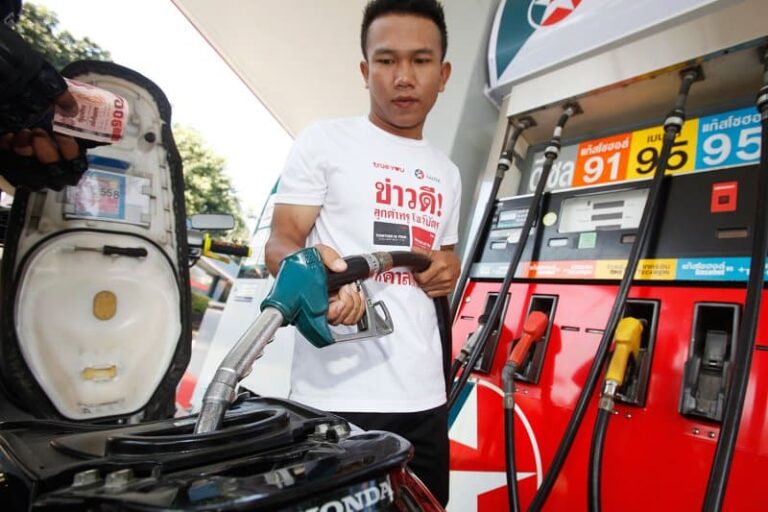
BANGKOK – Thailand is getting ready to shake up its travel sector with two major new policies. Starting this September, the country plans to launch a massive domestic travel subsidy program. Furthermore, government officials are also looking at a brand-new fee for foreign visitors arriving in the country.

The primary goal is to grow the economy while carefully protecting local environments and smaller communities. During a recent official meeting, the Tourism and Sports Minister shared these exciting new updates. He explained that these progressive moves will heavily support small businesses and keep international tourists safe.

Key Takeaways

  • Thailand plans to roll out a massive domestic travel subsidy called “Thai Travel Thai Plus” in September.
  • A newly proposed fee for foreign tourists will significantly help fund safety measures, new attractions, and nature restoration.
  • The domestic travel subsidy offers up to a 50 percent match on personal spending, strictly capped at 3,000 baht.

The new domestic subsidy is officially called “Thai Travel Thai Plus,” and it sounds very promising for locals. It actively aims to give local travel a massive financial boost during the typically quieter green season. Consequently, the government has already set aside a preliminary budget of 1.75 billion baht for the project.

This exciting new program will provide exactly 500,000 travel grants directly to local Thai travelers across the country. It essentially acts as a simple co-payment system, successfully covering 50 percent of eligible spending for participants. The state will generously pay up to 3,000 baht for each grant, and people can claim up to five grants.

Expanding Support for Local Travel Businesses

To spread the wealth, officials also plan to increase the value of extra travel vouchers from 500 to 1,000 baht. Originally, these special government vouchers were exclusively meant for eating out at local neighborhood restaurants. Now, eager travelers can easily use them for car rentals, local guides, and buying authentic community goods.

According to a recent report by The Nation, this crucial shift will push money toward smaller business operators. The government optimistically expects the four-month plan to create well over 26 billion baht in local economic spending. If it works well initially, the state might officially extend the program for several more months.

By expanding the strict spending rules, the government wants to make absolutely sure tourists spend money everywhere. They sincerely hope that domestic visitors will explore lesser-known areas instead of just sticking to the big sprawling cities. Ultimately, this clever strategy helps distribute the wealth fairly among rural villages and smaller tourism companies.

Introducing a New Fee for Foreign Tourists

Alongside the local domestic subsidy, Thailand is actively proposing a brand-new fee for international travelers entering the country. The money collected from this new charge will go directly into the official Thailand Tourism Promotion Fund. However, government officials have not yet decided on the exact fee amount or an official launch date.

This fresh, innovative revenue stream has three very clear and important developmental goals for the entire country. First, it will significantly help build exciting new attractions in lesser-known areas branded as “Must-Visit Cities.” Second, the collected funds will thoroughly pay for visitor insurance and much better overall safety rules.

Finally, a large chunk of the new money will restore natural sites deeply harmed by heavy tourist traffic. The government desperately wants to make sure popular natural spots stay beautiful for many years to come. Ultimately, this move aligns perfectly with a growing global trend toward responsible and highly sustainable international travel.

Fast-Tracking Future Tourism Growth

Currently, a special government working group is extremely busy finalizing the exact fine print of these new policies. They have strict, clear orders from the government to deliver incredibly quick results within six to twelve months. This dedicated team is highly focused on removing frustrating red tape to help local businesses grow faster.

They desperately want to boost the country’s global competitiveness without having to rewrite major state laws. The overall long-term vision is to ensure that tourism wealth reaches everyday people in rural communities. It is truly an ambitious, bold step toward a much fairer and notably greener global travel industry.

By actively supporting local tourists and taxing foreign arrivals, Thailand truly hopes to strike a perfect economic balance. The exciting coming months will clearly show exactly how these major changes unfold for the whole travel industry. For now, avid travelers and local business owners alike are watching the daily news very closely.

Trending News:

Thailand’s Digital Economy Is Entering Its Next Growth Phase

Thailand’s Real-Time Payment Infrastructure Continues to Strengthen the Economy


Similar Posts

  • |

    Pakistan, New Zealand seek stronger trade, investment and education ties

    WELLINGTON: Pakistan and New Zealand have agreed to intensify bilateral economic and commercial cooperation, with agriculture, livestock, information technology, education and services identified as key areas offering greater potential for collaboration. The understanding was reached during a series of high-level meetings held in Wellington on August 6, where officials from both countries reviewed the state of bilateral relations and discussed measures to expand trade and investment ties. According to a statement issued by Pakistan’s Foreign Office on Saturday, the discussions placed particular emphasis on improving market access and developing practical avenues for cooperation in sustainable agriculture. The two sides also explored the possibility of technical collaboration in areas such as wool production and plant protection. The meetings included the 5th round of Pakistan-New Zealand Political Consultations and the 3rd meeting of the Pakistan-New Zealand Joint Trade Committee (JTC). The talks provided both sides with an opportunity to assess existing cooperation and identify new sectors for mutually beneficial economic engagement. The Pakistani delegation at the Joint Trade Committee meeting was headed by Commerce Secretary Jawad Paul Khawaja, while the New Zealand side was led by Grahame Morton. Officials also examined ways to strengthen institutional arrangements that could facilitate closer economic cooperation between the two countries. Improving trade relations and creating a stronger framework for investment were among the areas discussed during the engagement. The political consultations were co-chaired by Ambassador Dr Syed Ali Asad Gillani, Additional Foreign Secretary for Asia Pacific at Pakistan’s Ministry of Foreign Affairs, and Grahame Morton, Deputy Secretary of the Americas and Asia Group at New Zealand’s Ministry of Foreign Affairs and Trade. During the consultations, the two delegations conducted a broad review of Pakistan-New Zealand relations and discussed opportunities to expand cooperation in several fields. These included economic development, science and technology, education, counterterrorism, efforts against transnational crime, high-level exchanges and people-to-people contacts. The officials also discussed regional and global developments and agreed on the importance of maintaining closer coordination at multilateral forums. Pakistan briefed New Zealand on its position regarding developments in the Middle East, including Islamabad’s efforts to help reduce tensions and promote peace. The Pakistani delegation also shared its assessment of the regional situation in South Asia, including developments concerning Indian Illegally Occupied Jammu and Kashmir (IIOJK) and Pakistan’s concerns over India’s actions relating to the Indus Waters Treaty. According to the Foreign Office, Morton acknowledged Pakistan’s constructive contribution to efforts aimed at promoting peace in the Middle East. Education cooperation gains momentum One of the major outcomes of the engagement was the signing of an Education Cooperation Arrangement between Pakistan and New Zealand. The agreement is expected to provide a foundation for closer cooperation in education and create opportunities for greater institutional engagement between the two countries. Education was also discussed as an important component of broader people-to-people relations, alongside science, technology and skills development. The latest consultations come as both countries seek to build on existing bilateral ties and diversify areas of cooperation. Agriculture and livestock, in particular, offer opportunities for technical exchanges and knowledge sharing, while the growing importance of information technology and services could provide additional avenues for economic collaboration. The two sides also stressed the need to translate discussions into practical initiatives that can improve bilateral trade and investment flows. Officials described the meetings as an opportunity to take stock of progress in Pakistan-New Zealand relations, explore emerging areas of cooperation and strengthen institutional mechanisms for future engagement. The discussions concluded with a reaffirmation of the two countries’ commitment to developing a broader, forward-looking partnership based on mutual economic interests, diplomatic coordination and stronger people-to-people connections.

  • |

    Gold prices rise for third straight session, hit two-month high

    Gold prices extended their upward momentum on Tuesday, climbing for a third consecutive session as investors turned their attention to key US inflation figures that could influence expectations for the Federal Reserve’s next interest-rate decision. The precious metal continued to attract buying interest amid renewed safe-haven demand and growing expectations that US monetary policy could become less restrictive if economic data point to a cooling economy. Spot gold gained around 1% to reach $4,432.74 per ounce by 0217 GMT, its highest level since June 5. US gold futures also advanced, rising 1.7% to $4,492.60 per ounce. Market analysts said several factors were contributing to the latest rally, including investors who had stayed on the sidelines during gold’s earlier decline and are now returning to the market as prices recover. IG market analyst Tony Sycamore said the move was partly being driven by a fear of missing out among investors who had failed to take advantage of the previous decline toward the $4,000 level. He also pointed to short-covering by speculative traders and renewed demand for gold as a safe-haven asset. Sycamore added that gold could have further room to advance over the medium term, potentially opening the way for a stronger recovery toward the $5,000-per-ounce mark. US inflation data in focus Investors are now closely watching the latest US inflation figures, with the consumer price index (CPI) scheduled for release on Wednesday and producer price data due on Thursday. The reports are expected to provide important clues about the future direction of US interest rates. Markets have already reduced expectations for further monetary tightening following weaker-than-expected US employment data released last week. The latest jobs figures raised concerns about the strength of the US economy and encouraged traders to reassess expectations for the Federal Reserve’s policy path. At its July meeting, the Federal Reserve left interest rates unchanged, although three policymakers dissented and supported an increase. The split among officials highlighted uncertainty over the appropriate direction of monetary policy as the central bank continues to balance inflation risks against signs of economic weakness. Gold generally benefits from a lower-interest-rate environment because the metal does not provide interest or other regular income. When bond yields and interest rates decline, the opportunity cost of holding non-yielding bullion becomes less significant, potentially increasing its appeal among investors. Fawad Razaqzada said that if incoming economic data continue to indicate a slowing US economy without a significant acceleration in inflation, financial markets could further reduce expectations for tighter monetary policy. Such a development could weigh on the US dollar while creating a more supportive environment for gold, he said. Geopolitical tensions add to safe-haven demand Geopolitical developments also remained an important factor in precious-metals markets. US President Donald Trump responded to Iran’s conditions for a potential peace agreement with demands of his own, including calls for compensation over people killed during wars, attacks and protests. The exchange has added uncertainty to diplomatic efforts aimed at resolving the conflict and reopening the Strait of Hormuz, a strategically important waterway for global energy shipments. Any prolonged disruption or renewed tensions around the Strait could increase concerns over global energy supplies and economic stability. Such uncertainty often encourages investors to seek traditional safe-haven assets, including gold. Analysts are therefore watching both economic indicators and geopolitical developments for signs that could influence bullion prices in the coming sessions. Other precious metals also gain Gold was not the only precious metal to advance during Tuesday’s trading. Spot silver increased by 0.9% to $66.30 per ounce, maintaining its recent strength. Platinum also moved higher, gaining 0.7% to $1,765.26 per ounce. Meanwhile, palladium rose 0.8% to $1,394.00 per ounce. With US inflation figures due later in the week, traders are expected to remain cautious while assessing whether the latest economic data will reinforce expectations for a shift toward easier monetary policy. For gold, a combination of softer US economic indicators, a potentially weaker dollar, lower interest-rate expectations and continued geopolitical uncertainty could provide additional support to prices in the near term.

  • | | |

    PSX surges 5,335 points as investor confidence str…

    Stock Exchange (PSX) recorded a strong performance during the outgoing business week, with the benchmark 100 Index gaining 5,335 points amid renewed investor confidence. The KSE-100 Index closed the week at 181,430 points, marking a significant rise from the previous level. During the week, the index traded within a range of 4,963 points, reaching a high of 182,007 points while its lowest level stood at 177,043 points. Trading activity also remained robust, with approximately 3.74 billion shares changing hands during the week at a total value of around Rs169 billion. The positive momentum was further reflected in the overall market valuation. The market capitalisation of the PSX increased by Rs482 billion over the week, reaching Rs20.237 trillion. Market sentiment remained positive as investors closely monitored developments surrounding the Iran-US conflict and signs of a possible pause in hostilities, which helped support confidence in the local equity market.

  • Chiang Rai Leaders Back New Festival Tourism Project to Bring Visitors

    CHIANG RAI – Provincial Administration in Chiang Rai took a big step to boost local travel on July 8, 2026. Deputy Governor Norasak Suksomboon welcomed a team of researchers to the City Hall. The experts came from Thammasat University’s Lampang Center to discuss a major new plan. They met to talk about a project that […]

Leave a Reply

Your email address will not be published. Required fields are marked *