tim curry iconic
| |

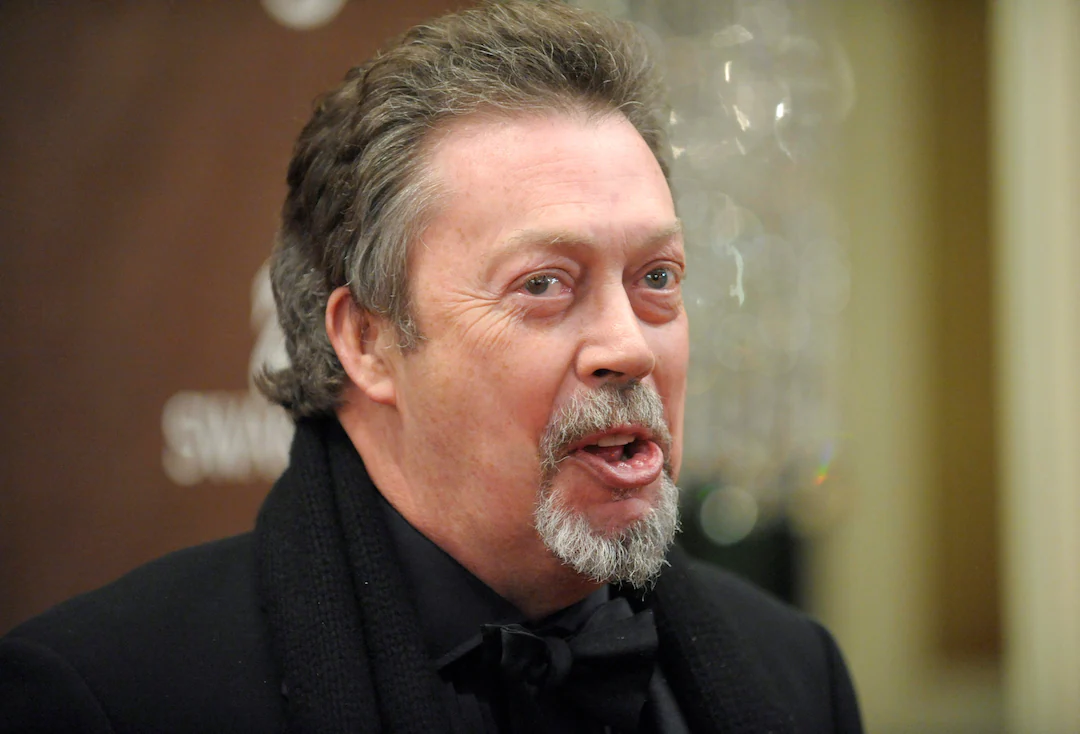
Tim Curry, iconic ‘Rocky Horror’ star, dies at 80

LOS ANGELES: British actor Tim Curry, best known for his unforgettable performance as Dr. Frank N. Furter in The Rocky Horror Picture Show, has died at the age of 80, according to Variety and other media reports.

Curry, whose distinctive baritone voice and theatrical performances made him a celebrated figure in film, television and theatre, died on August 26. The cause of death was not immediately disclosed.

His portrayal of Dr. Frank N. Furter in the 1975 cult musical horror-comedy The Rocky Horror Picture Show became the defining role of his career. The film initially struggled to find a mainstream audience but later developed a passionate international following through midnight screenings.

Audiences often attended screenings dressed as characters from the movie, helping turn the production into one of cinema’s most enduring cult classics.

Curry first played Dr. Frank N. Furter in the original London stage production of The Rocky Horror Show in 1973. He later reprised the role for the film adaptation, appearing alongside Susan Sarandon and Barry Bostwick.

Although the character brought Curry worldwide recognition, he was concerned that such an unconventional role could overshadow the rest of his career. He nevertheless embraced the part and went on to build a diverse body of work across several entertainment genres.

Curry appeared in numerous films, frequently playing villains or eccentric characters. His credits included Clue, Legend, Annie, Home Alone 2: Lost in New York, The Three Musketeers, The Shadow, Muppet Treasure Island and Charlie’s Angels.

His career extended well beyond cinema. Curry was also a highly regarded stage performer and received three Tony Award nominations.

He was nominated in 1981 for playing Mozart in Amadeus. His other Tony nominations came for My Favorite Year in 1993 and for his performance as King Arthur in Monty Python’s Spamalot in 2005.

Curry’s deep, recognisable voice also made him a sought-after voice actor. He worked on numerous animated productions for film and television and won a Daytime Emmy Award in 1991 for his voice performance in Peter Pan & the Pirates.

The actor became particularly associated with flamboyant and larger-than-life villains. His distinctive laugh, expressive face and commanding voice allowed him to bring a memorable theatrical quality to even supporting roles.

Despite appearing in some critically unsuccessful productions, Curry remained candid about his career. He occasionally acknowledged his weaker performances with humour and continued to embrace challenging and unusual roles.

Born on April 19, 1946, in Grappenhall, Cheshire, Curry studied drama at Birmingham University before pursuing a career in theatre.

His career was affected by health problems later in life. He withdrew from a British stage production in 2011 because of ill health. His representatives later confirmed that he had suffered a stroke in 2012, after which he used a wheelchair and significantly reduced his professional workload.

Despite these challenges, Curry continued working in entertainment. He returned to the big screen in 2024 with an appearance in the horror film Stream.

Curry was also a singer and composer. He performed with his own rock band and released several albums during his career.

He lived in Los Angeles and never married or had children.
Similar Posts

  • | | |

    Imran Khan breaks silence on gender stereotypes, feminism and Bollywood’s portrayal of men

      Ahead of his much-anticipated return to the big screen, Indian actor Imran Khan has spoken candidly about gender stereotypes, feminism, masculinity, fatherhood and the influence cinema can have on social attitudes. In a recent conversation, the actor explained that his growing concern over the way gender-based assumptions have become part of everyday discussions played an important role in shaping his decision to speak more openly about these issues. Khan said he had become increasingly interested in examining the expectations society places on both men and women. According to him, certain assumptions about how people should behave based on their gender have become so common that they are often expressed without being questioned. The actor said he felt a personal responsibility to contribute to conversations surrounding these issues. Rather than remaining a passive observer, he wanted to use his public platform to encourage people to reconsider ideas that have gradually become normalised in society. Khan also discussed the relationship between feminism and conversations about men’s rights. He argued that debates surrounding both subjects can sometimes become trapped within the same stereotypes they are attempting to challenge. In his view, some men who criticise feminism for being problematic may fail to recognise that their own arguments can be influenced by patriarchal thinking or ideas associated with toxic masculinity. For Khan, feminism should not be understood as an attempt to marginalise men or exclude anyone from the conversation. He stressed that discussions about feminism and masculinity should ultimately focus on equality and creating a society in which people are not restricted by traditional gender expectations. The actor also turned his attention to the portrayal of men in Indian cinema, particularly characters who struggle to cope with romantic rejection. Khan argued that Bollywood has repeatedly presented emotionally immature male characters in a sympathetic manner, often encouraging audiences to overlook their problematic behaviour because the characters are experiencing heartbreak. He criticised films in which a male protagonist responds to rejection with anger, obsession or inappropriate behaviour, while the narrative continues to portray him as a victim deserving sympathy. According to Khan, these stories can unintentionally normalise unhealthy emotional responses and send the wrong message about relationships and masculinity. Khan suggested that cinema has a significant cultural influence and therefore filmmakers should consider how their characters and storylines may shape public perceptions. Instead of constantly justifying problematic behaviour through a character’s emotional pain, films could present more mature and realistic portrayals of men dealing with rejection, relationships and vulnerability. His comments come as he prepares to make his return to acting after a prolonged break from the industry. Khan’s decision to step away from films had kept him largely out of the public eye, making his comeback a significant moment for fans who have followed his career. Now, as he prepares to return to the screen, Khan appears interested not only in acting but also in engaging with wider social conversations. His recent remarks reflect his desire to use his experiences and public platform to question established ideas about gender, relationships and masculinity. With his comeback approaching, audiences will be watching closely to see whether Khan’s renewed presence in cinema also brings a different perspective to the kinds of stories and characters he chooses to be part of.

  • | | |

    Pakistan to import 1 million tons of wheat to meet…

    ISLAMABAD: The federal government has decided to immediately import one million tons of wheat to ensure an uninterrupted supply across the country and meet the growing demand of the provinces. The decision was reached after detailed consultations between the federal government and provincial authorities on wheat availability, pricing, and supply. During the meeting, participants agreed that wheat stocks currently held by the Pakistan Agricultural Storage and Services Corporation (PASSCO) would be released without delay to address the immediate requirements of the provinces. Officials noted that while PASSCO’s existing reserves would help ease the short-term situation, the available stocks are insufficient to meet the combined demand of all provinces. To bridge the gap and maintain market stability, the government approved the immediate import of one million tons of wheat. Federal Minister for National Food Security Rana Tanveer Hussain said the government remains committed to ensuring the availability of affordable, high-quality wheat for consumers. He stated that PASSCO’s wheat reserves would be distributed according to provincial needs, while the planned imports would help fulfill the country’s overall requirements and prevent supply disruptions. The minister added that the move is aimed at maintaining stable wheat supplies, supporting provincial food security, and preventing unnecessary fluctuations in the domestic market.

  • |

    US delegation walks out of UN Security Council after dispute with France

    The United States walked out of a United Nations Security Council meeting on Monday during remarks by France’s ambassador, escalating a diplomatic dispute between the two allies over human rights and the leadership of the UN’s top human rights office. The disagreement began after a recent vote on extending the term of Volker Turk as the United Nations High Commissioner for Human Rights. The United States joined Russia and North Korea in opposing his reappointment, placing Washington on the same side as two countries it has frequently criticized over human rights issues. Following the vote, France’s mission to the United Nations strongly criticized the US position on social media, saying Washington had once been a global symbol of human rights but no longer deserved that reputation. The statement drew a sharp response from American officials and set the stage for the diplomatic confrontation that followed. The latest tension unfolded during an emergency Security Council meeting on Russia’s war in Ukraine. As France’s UN Ambassador Jerome Bonnafont began speaking, members of the US delegation left the chamber in protest. US Ambassador Dan Negrea later said the walkout was a direct response to what he described as France’s disrespectful and condescending language toward the United States. He warned that similar protests would continue unless France changed its approach and withdrew its criticism. Earlier, US Ambassador Mike Waltz defended Washington’s opposition to Turk’s second term. He argued that the human rights chief had unfairly criticized democratic countries while failing to take a strong enough stance against governments with poor human rights records. Waltz did not identify specific examples to support his criticism. During his time in office, Turk has repeatedly condemned Russia’s invasion of Ukraine and has also raised concerns about Israel’s military operations in Gaza. Despite US objections, his second term was approved by a large majority of UN member states, with 144 countries voting in favor, 10 voting against and 13 abstaining. The dispute reflects broader tensions between the United States and the United Nations under President Donald Trump’s administration. In recent years, Washington has reduced financial support for several UN agencies and withdrawn from a number of UN bodies as part of a wider review of its international commitments. After the vote on Turk’s reappointment, US Ambassador Jeff Bartos warned that the United States would reconsider its participation, engagement and funding for UN institutions. He accused the organization of allowing procedural abuses and political deals to influence key appointments. France, however, strongly defended Turk’s leadership. Ambassador Bonnafont described him as a principled and impartial official who had carried out his responsibilities with integrity during his first term. France argued that his reappointment reflected the confidence of the overwhelming majority of UN member states. A spokesperson for the United Nations declined to comment directly on the American walkout but said the organization expects all member countries to respect decisions made through its established voting process. The incident has added to growing friction between Washington and the UN at a time when international cooperation is already under pressure from several global conflicts.

  • | | | |

    Three powers, one shield? What the pact means

    Pakistan, Saudi Arabia and Türkiye have formalised their long-standing strategic and defence ties through the newly signed Makkah Joint Defence Agreement, establishing a framework for closer military coordination and collective security. The agreement was signed during a trilateral summit in Makkah attended by Prime Minister Shehbaz Sharif, Saudi Crown Prince Mohammed bin Salman and Turkish President Recep Tayyip Erdogan. The pact has attracted comparisons with established military alliances. However, analysts say its stated purpose is not to create a new military bloc or target any particular country. Instead, it provides an institutional structure for defence cooperation that has developed between the three nations over several decades. A formal structure for longstanding ties Pakistan and Türkiye have maintained close political and military relations for decades, while Islamabad and Riyadh have developed extensive defence, diplomatic and economic cooperation. The new agreement is viewed as an attempt to bring these existing relationships under a formal trilateral framework. It is designed to provide a more structured mechanism for consultations, military coordination and strategic cooperation. Why the agreement was signed now The agreement comes amid growing security challenges across the Middle East and wider region. Analysts say conflicts, changing military technologies and emerging security threats have encouraged countries with shared strategic interests to strengthen their defence coordination. The trilateral arrangement is intended to improve collective preparedness and provide a coordinated response to potential threats while supporting regional stability. What the defence pact provides A central element of the agreement is the principle of collective security. Under the framework, aggression against one member is to be treated as a threat to all three countries. The arrangement is expected to encourage greater military coordination, intelligence cooperation, strategic consultations and defence planning. Closer institutional links could also allow the three countries to coordinate their military capabilities and improve their ability to respond to security challenges. Different strengths, shared security interests Each country brings different capabilities to the partnership. Pakistan contributes a large and experienced military, operational expertise and extensive experience in counterterrorism and conventional defence. Saudi Arabia brings significant economic resources, regional influence and political weight. Türkiye adds its growing defence industry, military technology and manufacturing capabilities. Analysts believe these complementary strengths could make the partnership more effective while allowing the three countries to develop greater strategic self-reliance. Pakistan’s diplomatic role The agreement also comes as Pakistan seeks to strengthen its role as a regional diplomatic actor. Islamabad maintains relations with Saudi Arabia, Türkiye, Iran, China and the United States, giving it channels of communication with several major regional and global powers. Analysts argue that Pakistan’s diplomatic engagement, alongside its military capabilities, could help it contribute to regional crisis management and dialogue. What the pact does not mean Despite comparisons with NATO and other military alliances, analysts stress that the agreement is not described as an offensive alliance. It is also not presented as a pact directed against a particular country, a so-called “Muslim NATO”, a nuclear deterrence arrangement or a religious military bloc. Instead, the three countries have presented it as a defensive framework focused on collective security, deterrence, military cooperation and regional stability. The long-term effectiveness of the agreement will depend on sustained political coordination and the willingness of all three governments to implement its commitments.

  • | |

    US reviews military strategy as weapons stockpile …

    WASHINGTON: Senior US officials have reportedly raised concerns over the country’s military readiness as the conflict with Iran intensifies, prompting the Trump administration to temporarily pause its air campaign while continuing diplomatic efforts. According to US media reports, Vice President JD Vance and Chairman of the Joint Chiefs of Staff General Dan Caine briefed President Donald Trump during a White House meeting on the escalating conflict and the potential impact of prolonged military operations on US weapons stockpiles. Sources said military leaders expressed concern over the depletion of key defence munitions and outlined the risks of expanding the conflict. While General Caine reportedly assured the president that the US military remains capable of carrying out all available operational options, he also highlighted the strategic consequences of continued military escalation. Following the meeting, the United States halted its nightly airstrikes on Iran after nearly two weeks of sustained attacks. Defence officials described the pause as temporary, although they did not confirm whether it was directly linked to concerns over weapons supplies or other strategic considerations. President Trump said negotiations with Iran remain ongoing but warned that military operations could resume or intensify if necessary. He also acknowledged appeals from several Gulf nations urging Washington to exercise restraint as regional tensions continue to rise. White House Communications Director Steven Cheung reiterated that President Trump continues to favour a diplomatic resolution but stressed that all military options remain available if Iran threatens international shipping in the Strait of Hormuz or targets US allies. He added that after nearly two weeks of economic pressure and strikes on military targets, the administration believes Tehran should pursue negotiations to avoid further escalation.

  • | |

    Tanweer Ahmed urges AI skills, MicroCerts for yout…

    On International Youth Day 2026, American-Pakistani businessman and analyst Tanweer Ahmed called for greater investment in young people and highlighted ACT AI and MicroCerts as key initiatives for preparing Pakistan’s youth for an artificial intelligence-driven global economy. Addressing a Youth and AI Summit at the United Nations, Ahmed said artificial intelligence was transforming education, employment, entrepreneurship, healthcare, public services and almost every aspect of modern economies. He stressed that young people should not be treated merely as beneficiaries of development but as innovators, decision-makers, entrepreneurs and leaders capable of shaping the future. “Talent is everywhere. Opportunity is not,” Ahmed said, emphasising the need to close the gap between young people who have access to advanced technology and those who remain excluded from the digital economy. ACT AI initiative Ahmed placed particular emphasis on ACT AI — Awareness, Competency and Tools Training for Artificial Intelligence — describing it as an important effort to expand practical AI capabilities among Pakistani youth. He said the initiative, associated with the state-owned enterprise AXI, focuses on areas including generative AI, agentic AI systems, AI-powered productivity tools, automation and sector-specific applications. According to Ahmed, one of the initiative’s major strengths is accessibility. Young people from different academic backgrounds can develop AI-related capabilities without necessarily having prior programming or artificial intelligence experience. He said making AI education accessible and free of cost could help ensure that Pakistani students and young professionals are not left behind as the global economy rapidly adopts AI. Ahmed argued that young people should acquire the ability not only to use artificial intelligence but also to understand, question, develop and responsibly apply the technology. MicroCerts to strengthen youth credentials Ahmed also placed strong emphasis on MicroCerts, describing micro-certifications as an important complement to traditional university degrees. He said rapidly changing technology means education can no longer end when a student completes a conventional degree. Young people need flexible opportunities to continuously acquire and demonstrate new, market-relevant skills. According to Ahmed, MicroCerts can provide focused credentials that demonstrate specific competencies and potentially create pathways into employment, freelancing, entrepreneurship, higher education and lifelong learning. He highlighted the importance of making such credentials accessible to young people facing financial or geographical barriers. “The future should not belong only to those who can afford opportunity,” Ahmed said, stressing that skills and credentials should be available to talented young people regardless of where they live or their economic circumstances. From AI users to AI creators Ahmed called for a shift from preparing young people simply to consume AI tools toward enabling them to become AI creators, innovators and responsible leaders. He said technology must be combined with human judgment, ethics and responsibility, warning that artificial intelligence cannot replace compassion, character or the human responsibility to determine the kind of society people want to build. He also called for stronger international cooperation between governments, universities, businesses, technology companies and international organisations to expand AI education and establish credible skills and certification systems. Ahmed said Pakistan could contribute to this global effort through initiatives such as ACT AI and MicroCerts, which he described as mechanisms for developing practical AI capabilities and recognised skills among the country’s youth. He further stressed that the expansion of AI infrastructure must be accompanied by environmental responsibility because data centres, cloud computing and AI systems require significant energy and resources. Addressing young people around the world, Ahmed urged them to learn and question emerging technologies, use AI to solve real-world problems and build businesses and communities with a clear sense of purpose.

Leave a Reply

Your email address will not be published. Required fields are marked *