Upper Dir battles massive cholera outbreak as case…
PESHAWAR: A major cholera outbreak has struck several areas of Upper Dir in Pakistan’s Khyber Pakhtunkhwa province, infecting more than 3,000 people and placing severe pressure on local healthcare facilities, officials said on Saturday.
The outbreak has affected multiple localities, including Ashirai Dara, Sharingal, Barawal and Dir Khas, where a large number of residents have reported symptoms associated with the waterborne disease.
According to Dr. Sahibzada Imtiaz, Medical Superintendent of the District Headquarters Hospital in Upper Dir, the number of cholera patients has risen rapidly over the past few days. He said more than 3,000 people, including women and children, have been infected since the outbreak began.
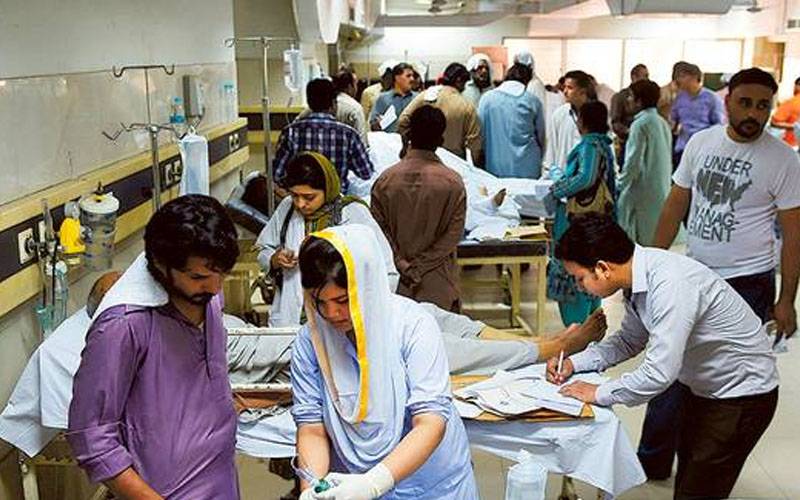
Hospital authorities revealed that 600 patients were admitted in a single day, highlighting the alarming pace at which the disease is spreading. The influx of patients has overwhelmed the District Headquarters Hospital, leaving medical staff under immense pressure.
Doctors said several patients remain in critical condition and are being shifted to other healthcare facilities for specialized treatment because the main hospital has reached full capacity.
In response to the health emergency, teams from the Khyber Pakhtunkhwa Health Department have been dispatched to the affected districts. Public health officials are conducting field inspections, monitoring the spread of the disease and working to improve access to safe drinking water.
Authorities are also testing local water sources to identify possible contamination, as cholera is commonly spread through polluted water and poor sanitation.
Health experts have urged residents to drink only boiled or purified water, maintain proper hygiene and seek immediate medical attention if they experience severe diarrhea, vomiting or dehydration. They stressed that early treatment can significantly reduce the risk of serious complications.
The outbreak has raised concerns about public health infrastructure in remote areas, where limited access to clean water and medical services can accelerate the spread of infectious diseases. Officials say emergency response efforts will continue until the situation is brought under control and further infections are prevented.