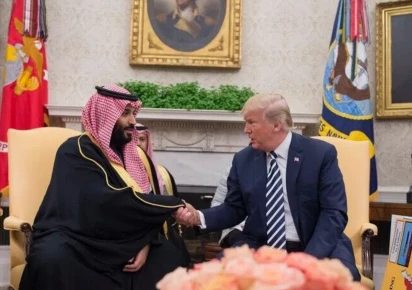
yash praises kiara
|

Yash praises Kiara Advani’s dedication while filming Toxic

Yash has praised Kiara Advani for her professionalism and dedication while working on Toxic: A Fairytale for Grown-Ups, revealing that he and director Geetu Mohandas became extremely protective of the actress during the demanding shoot.

Speaking at the film’s audio launch in Mumbai on Thursday, Yash opened up about his experience working with Kiara, particularly during the period when she was pregnant. The actor admitted that he was initially concerned about whether she would be able to handle the physically demanding requirements of the project.

According to Yash, his first conversation with Kiara gave him the impression that she was ready to take on the challenge. He recalled discussing a rain sequence with her and joking that it would be easy despite never having filmed one himself. However, once he witnessed the actual demands of the sequence, he realized just how challenging the production could be.

Yash said Kiara remained completely committed to the project and continued to give her best even after becoming pregnant. Her dedication reportedly made a strong impression on everyone involved with the film.

The actor also revealed that he and Geetu became particularly cautious about Kiara’s safety on set. He described the two of them as being like “bouncers and bodyguards,” constantly looking out for the actress and making sure she was taken care of while filming.

Yash expressed his gratitude to Kiara for giving the project her full commitment, calling her contribution to the movie especially meaningful. His comments highlighted the close working relationship that developed between the cast and crew during the challenging production.

Toxic marks Kiara’s first major release following her pregnancy. The actress had previously faced criticism over her appearance in intimate portions of the song “Tabaahi,” although the response became more positive following the release of the film’s trailer.

Yash had also defended Kiara during the trailer launch in Bengaluru, acknowledging the pressures actors can face because of public expectations and criticism. He suggested that audiences and the industry are gradually moving toward a more progressive understanding of performers and their choices.

Directed by Geetu Mohandas, Toxic: A Fairytale for Grown-Ups features an ensemble cast that includes Huma Qureshi, Rukmini Vasanth, Tara Sutaria and Nayanthara. The film is particularly anticipated because it marks Yash’s return to the big screen following the massive success of KGF Chapter 2.

The upcoming project is expected to present Yash in a new avatar while combining action, drama and a darker fairytale-inspired world. With the film generating considerable attention ahead of its release, Yash’s praise for Kiara has further highlighted the dedication that went into its production.

Toxic: A Fairytale for Grown-Ups is scheduled to release worldwide on August 26.
Similar Posts

  • |

    AI builds 16 brand-new viruses in world-first genome experiment

    Artificial intelligence has designed 16 entirely new viruses that have never existed in nature before. Researchers in the US are calling it a genuine scientific breakthrough. According to the team behind the project, these newly designed viruses are fully functional and can replicate successfully in lab conditions. Scientists are describing the achievement as a major turning point for the field. This marks the first time AI has managed to design a complete viral genome from scratch. The viruses were specifically built to target bacteria, particularly drug-resistant strains of E. coli, and pose no risk to humans. The work was led by Dr Brian Hie and his team at Stanford University. They relied on genome language models, including systems called Evo1 and Evo2, trained using data from roughly two million bacteriophages. To keep the research safe, the team deliberately excluded any genetic data linked to viruses capable of infecting humans, animals or plants. That precaution was built into the training process from the very start. Hie explained that this represents a new level of complexity for what generative AI can design. He noted that building a complete, functional genome capable of replicating inside cells was completely uncharted territory for his team. Out of thousands of AI-generated designs, researchers narrowed the list down to around 300 for lab synthesis. After testing, only 16 of those proved effective at killing antibiotic-resistant E. coli. Scientists have framed the achievement as a potential breakthrough with real medical applications ahead. Tom Ellis, a synthetic genome expert at Imperial College London, called the work impressive but pointed out its current limitations. He noted that this particular genome remains one of the simplest and smallest to design successfully. Ellis added that concerns around AI-designed pathogens are often overstated compared to more realistic risks. He explained that modifying existing pathogens through gain-of-function techniques remains a far easier and more likely biosecurity threat. Still, some researchers in the wider scientific community remain cautious about where this technology could eventually lead. Experts at the Johns Hopkins Center for Health Security warned that proper oversight for this kind of AI-driven genome design doesn’t fully exist yet. Dr Filippa Lentzos from King’s College London argued that regulation needs to focus on multiple layers, including lab safety and DNA synthesis screening, rather than restricting AI models alone.

  • |

    Ranbir Kapoor hits back at online critics of ‘Ramayana’ VFX

    Ranbir Kapoor has pushed back against online criticism surrounding the visual effects of his upcoming film “Ramayana”. The debate picked up after fans shared mixed reactions to the film’s teaser and trailer. The actor addressed the backlash directly, pointing out how much long-term effort goes into creating high-quality CGI. He explained that artists and filmmakers had dedicated years to perfecting the film’s visuals. Kapoor noted a growing trend where online users have suddenly positioned themselves as CGI experts. He said this shift has become especially common over the past few years. He added that rising public interest in visual effects has been fuelled largely by the growing presence of artificial intelligence. According to Kapoor, most viewers don’t realise how much detailed planning goes into achieving realistic visuals. He explained that many assume complex VFX work is simply generated through AI shortcuts. In reality, he said, countless hours go into work that artists spend years perfecting. Kapoor also credited director Nitesh Tiwari and producer Namit Malhotra for their deep involvement throughout the VFX process. He said the team worked meticulously on details like colour grading and visual composition to shape the final experience. Tiwari previously revealed that certain VFX sequences alone took nearly three years to complete. The team continued refining smaller details even as the film approached its release. Producer Namit Malhotra also weighed in on the online criticism, urging audiences to reserve judgment until they see the film in theatres. He recalled how reactions shifted dramatically after showing an earlier teaser on a large IMAX screen in 3D. According to Malhotra, viewers who initially criticised certain elements changed their opinions entirely once they experienced it properly. He explained that watching VFX on a mobile phone or through poor internet doesn’t reflect the intended cinematic experience. He said the team has spent years and invested millions of dollars specifically to craft a big-screen spectacle worth the wait. Malhotra expressed confidence that the finished product will address much of the current criticism. “Ramayana” is scheduled to release in theatres on November 8, 2026, with Kapoor starring as Lord Ram. The film continues to generate anticipation as the team pushes toward delivering a large-scale visual experience for audiences.

  • | |

    Zoe Saldaña reveals plans to step behind the came…

      Zoe Saldaña has built an impressive career in Hollywood, achieving milestones that only a small number of actors can claim. From becoming an Academy Award winner to appearing in some of the world’s most successful film franchises, the actress has established herself as one of the industry’s most recognisable stars. However, Saldaña now appears ready to explore a completely different side of filmmaking by considering a move into directing. During an appearance at the Locarno Film Festival in Switzerland, Saldaña spoke about her desire to eventually take control behind the camera. Addressing the festival audience, the actress said she believed there would come a point when simply watching other directors work would no longer be enough for her. Saldaña joked that after observing directors for so long, she might eventually feel compelled to take over the camera herself. Her comments reflected her growing interest in expanding her creative role within the film industry and exploring storytelling from a director’s perspective. The actress also expressed confidence in her own instincts, particularly when discussing women and their ability to recognise what they believe is right. With a humorous tone, she suggested that women often feel confident in their opinions because they are correct a significant amount of the time. For Saldaña, directing could provide an opportunity to test those instincts and prove what she can accomplish outside her established acting career. Her remarks came as she was being honoured at the prestigious Locarno Film Festival. Saldaña received a Special Honorary Pardo at the event, recognising her contribution to cinema and her successful career across a wide range of projects. During her appearance, the actress also reflected on her childhood and the experience of growing up between different cultures. Born in the Dominican Republic, Saldaña said her background and experiences of feeling like an outsider have played an important role in shaping the way she approaches acting and develops her characters. She recalled the challenges of being separated from a New York environment where she had been exposed to people from different backgrounds and cultures. According to Saldaña, living in a diverse environment allowed her to encounter different perspectives and understand the world beyond a single cultural identity. She later moved to a much smaller and more culturally homogeneous island, an experience she described as difficult during her formative years. The transition brought significant challenges, particularly because she encountered a society with a more unified religious and cultural identity. Despite the difficulties, Saldaña believes those experiences ultimately became valuable to her as an actor. She explained that the challenges of growing up between different cultural environments helped her develop a broader understanding of people and identities. That perspective, she suggested, became particularly useful when portraying some of her most famous characters, including Neytiri in the Avatar franchise and Gamora in the Guardians of the Galaxy films. For Saldaña, growing up between cultures provided both struggles and opportunities for personal development. She believes being exposed to different ways of life enriched her understanding of human experiences and gave her additional emotional depth as a performer. Now, after years of success in front of the camera, Saldaña appears interested in turning those experiences into a new creative challenge. Her potential move into directing could mark an important new chapter in her career, allowing her to bring her perspective, cultural experiences and storytelling instincts to filmmaking from behind the camera.

  • | |

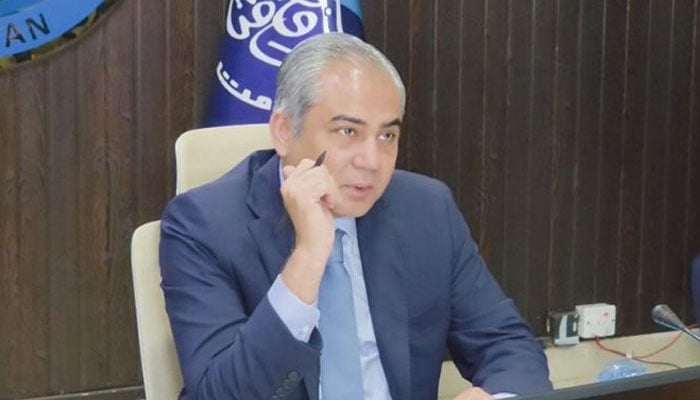
    NAB chairman grilled over bureau’s performance

    A meeting of the Senate Standing Committee on Law and Justice was held under the chairmanship of Senator Farooq H Naek, where National Accountability Bureau (NAB) Chairman Nazir Ahmed Butt appeared before the committee on its instructions. During the meeting, Senator Farooq H Naek remarked that the NAB chairman had perhaps appeared before the committee for the first time. In response, Nazir Ahmed Butt said that it was his first appearance before the committee as NAB chairman. He added that he had appeared before the committee several times while performing his previous responsibilities. The NAB chairman said he had been assigned the responsibility in 2023. He recalled that ministers he met during his tenure repeatedly complained that the bureaucracy was afraid to make decisions and was therefore reluctant to work. During the meeting, NAB Director General Operations briefed the committee on the bureau’s powers and performance. The official said NAB had received 505,799 complaints since its establishment. He said NAB also operates as an investigative agency under the Anti-Money Laundering Act, 2010. According to the briefing, NAB has so far completed 12,147 inquiries, conducted 7,339 investigations and filed 4,105 references. The DG Operations further told the committee that NAB had been allocated Rs22.556 billion over the past three-and-a-half years. Despite the expenditure, the bureau reported significantly higher recoveries during the same period. The committee was informed that NAB had recovered Rs1.069 trillion over the past three-and-a-half years. The briefing highlighted the bureau’s role in investigating corruption, financial crimes and other cases falling under its legal mandate. The committee members discussed NAB’s powers, investigations, recoveries and its overall performance during the meeting. The NAB chairman and officials responded to questions from the committee and provided details about the bureau’s operations and financial performance.

  • | | |

    Pezeshkian says Iran seeks peace, not wider conflict

    Iranian President Masoud Pezeshkian has said that Iran has no intention of prolonging the current conflict or expanding it beyond its existing scope. However, he made it clear that the country will continue to defend its sovereignty, territorial integrity and national interests against any threat. Speaking at a ceremony in Tehran, the president said Iran’s policy is based on protecting its borders while avoiding any unnecessary escalation. He stressed that the country does not seek war but will not hesitate to respond if its security or independence is challenged. Pezeshkian said maintaining national security is not only the responsibility of the armed forces but also depends on the unity and solidarity of the Iranian people. He urged citizens to set aside political and social differences and work together to strengthen the country during a difficult period. The president said internal unity is one of the strongest defenses against foreign interference. According to him, divisions within society can create opportunities for outside powers to influence domestic affairs. He added that a united nation is better equipped to face political, economic and security challenges. He emphasized the need to build a strong and stable society where people enjoy confidence in national institutions and where hostile elements cannot create unrest or weaken public trust. He said Iran must focus on strengthening its social fabric to prevent enemies from exploiting internal disagreements. Pezeshkian also called for greater national cooperation to overcome current challenges. He said every segment of society has a role to play in safeguarding the country’s future and preserving stability. The Iranian president reiterated that his government remains committed to protecting the country’s borders and national interests while pursuing policies that avoid a wider regional conflict. He said Iran’s priority is to maintain security, preserve national unity and prevent conditions that could lead to further instability.

  • |

    Pakistan announces Hajj 2027 packages, 107,526 government seats

    ISLAMABAD: The federal government has announced the initial arrangements for Hajj 2027, allocating 107,526 seats under the Government Hajj Scheme and introducing a fully digital application and payment system aimed at making the pilgrimage process easier and more transparent for applicants. Federal Minister for Religious Affairs Sardar Muhammad Yousaf said the government has set the estimated cost of the 40-day Hajj package at Rs1.2 million, while the 20 to 25-day package will cost Rs1.3 million. According to the minister, the Hajj 2027 process has been transformed into an end-to-end digital system on the directions of Prime Minister Shehbaz Sharif, with the Ministry of Religious Affairs working in coordination with the Ministry of Information Technology and the National IT Board. The new arrangements are designed to allow intending pilgrims to complete most of the necessary procedures without repeatedly visiting government offices or banks. Applicants will be able to submit their Hajj applications from their homes, deposit the required dues through digital channels and access information and other facilities through the Pak Hajj App and Hajj Portal. Yousaf said the ministry’s primary objective was to reduce the difficulties traditionally faced by pilgrims during the application process. He said the digital system would help eliminate lengthy queues, unnecessary journeys and waiting periods while also making the overall process more convenient for applicants. First instalment to be collected from August 17 The minister announced that the first phase of payments under the approved Hajj Policy 2027 would begin on August 17. Applicants selected under the relevant phase will be required to deposit 50% of the total package cost as the first instalment. The government will subsequently demand the second instalment during the first week of October. The authorities have also opened the final application phase for Hajj 2027. Around 400,000 pilgrims who have already completed the pre-registration process will now be eligible to proceed with their formal applications. Officials expect the digital registration mechanism to simplify verification and reduce delays as the large number of pre-registered applicants move into the next stage. Passport information to be verified digitally The Religious Affairs Ministry has also established a data-sharing arrangement with the Passport Office as part of the government’s efforts to strengthen the digital Hajj registration system. Through the integration, applicants’ passport information can be verified more efficiently, potentially reducing paperwork and manual intervention during the application process. Yousaf said linking databases of different government institutions would improve the accuracy and speed of processing while increasing transparency. The minister maintained that the use of digital verification would also reduce the possibility of errors arising from manual data entry and repeated documentation. HBL named banking partner Habib Bank Limited (HBL) has been designated as the authorised banking partner for the Government Hajj Scheme. According to the minister, the Ministry of Religious Affairs and HBL have signed a Memorandum of Understanding covering the banking arrangements associated with Hajj applications and payment of dues. Pilgrims will have three digital payment options available under the government scheme. They can pay through a OneLink PSID, use a credit or debit card, or download a digital challan through the Pak Hajj App and deposit the required amount at any HBL branch. The government has stressed that applicants should use only the officially prescribed channels when making payments. Seats to be confirmed on first-come, first-served basis Under the Government Hajj Scheme, applicants who successfully deposit the required amount through the online payment system will have their seats confirmed on a first-come, first-served basis. Once the allocated seats are filled, the authorities will stop accepting further payments for that category. The government has separately allocated 30,000 seats for the Short Hajj Scheme. Online payments for the short-duration package will be closed once the allocated quota is exhausted. Authorities have also outlined arrangements for applicants who are unable to secure a seat during the current phase. If the available Hajj 2027 quota is filled, remaining registered applicants will be placed on a waiting list for the following year. At the same time, registration for the Hajj 2028-2030 period will continue according to the announced policy. The minister said details concerning the 10% payment requirement for the Long-Term Hajj Scheme would be announced after completion of the current application phase. Private Hajj Scheme gets 71,684 seats Alongside the government programme, the federal government has allocated 71,684 seats for the Private Hajj Scheme for 2027. Under the new digital mechanism, pilgrims opting for the private scheme will be able to compare packages offered by 25 government-approved authorised Hajj organisers. The available packages and participating companies will be displayed through the official Hajj Portal and Pak Hajj App, allowing intending pilgrims to choose an organiser and package according to their preferences. The government has made it clear that the selection of private Hajj organisers and payments must also be completed through the designated official digital system. Pilgrims warned against direct payments The Religious Affairs Ministry has issued a specific warning to intending pilgrims against handing over money directly to private Hajj operators or tour companies. Yousaf said any payment or financial transaction conducted outside the officially designated government system would not be recognised. Pilgrims have therefore been advised to verify the status of Hajj organisers through the official digital platform before making any payment. The government believes that centralising the selection and payment process through the digital Hajj system will help protect pilgrims from potential fraud, unauthorised operators and disputes over payments.

Leave a Reply

Your email address will not be published. Required fields are marked *