crackdown intensifies illegal
| |

Crackdown intensifies: Illegal quack clinics seale…

FAISALABAD: The Health Department has intensified its campaign against illegal medical practitioners in Faisalabad, with authorities sealing several unauthorized clinics during a targeted operation in Madina Town.

The operation was carried out under the supervision of Dr. Rizwan Chishti, who is leading anti-quackery efforts in Lyallpur and Iqbal Towns, following directives issued by the Secretary Health Punjab and the Chief Health Officer. Acting on intelligence provided by the District Health Officer and other relevant agencies, health officials raided multiple locations suspected of operating without legal authorization.

During the operation, a number of illegally established clinics run by unqualified practitioners were sealed on the spot. Officials confirmed that the cases have been referred to the Punjab Healthcare Commission, which will initiate legal proceedings against those found responsible.

Health authorities said the anti-quackery campaign has been expanded across all towns in Faisalabad, with screening and enforcement activities being carried out on a wider scale. They warned that strict legal action will be taken against individuals involved in unauthorized medical practice as well as anyone attempting to unlawfully reopen or de-seal clinics closed by the department.

Officials reiterated the government’s commitment to protecting public health by eliminating illegal healthcare practices and ensuring that only licensed professionals are allowed to provide medical services.

Similar Posts

  • | |

    US imposes fresh sanctions on Mahan Air allies

    The United States has imposed fresh sanctions on an international network accused of supporting Iran’s Mahan Air, alleging the airline has played a key role in transporting personnel, weapons, and drones linked to Iran’s Islamic Revolutionary Guard Corps (IRGC). In a statement, the US Treasury Department announced sanctions against six individuals and entities based in China, India, Russia, and Iran. The targeted network is accused of facilitating operations for Mahan Air despite existing US and European sanctions on the carrier. According to US officials, several of the sanctioned companies acted as sales agents for Mahan Air, helping the airline maintain international operations and evade restrictions imposed by Western governments. Washington has repeatedly accused Mahan Air of providing logistical support to the IRGC by transporting military personnel, weapons, and unmanned aerial vehicles. Iran has consistently denied similar allegations in the past. The latest sanctions come amid heightened tensions between the United States and Iran following recent drone attacks targeting gas-carrying vessels at Egypt’s Mediterranean port of Damietta. The incident has raised concerns that the confrontation between the two countries could expand into a new area of conflict. The US said the new measures are aimed at disrupting financial and commercial networks that support Iran’s sanctioned aviation sector and limiting its ability to conduct activities viewed as a threat to regional security.

  • |

    Spirit controversy deepens over Deepika Padukone’s exit

    The controversy surrounding Spirit has gained fresh attention following new claims made by Pranay Reddy Vanga, brother of filmmaker Sandeep Reddy Vanga, regarding the discussions that took place before Deepika Padukone’s departure from the Prabhas-led film. Pranay recently addressed the matter in an interview, offering his version of the events surrounding Deepika’s exit. According to him, the disagreement was not limited to one issue but involved several factors, including remuneration, scheduling and other matters that emerged during discussions between the actress and the production team. He claimed that Sandeep Reddy Vanga had been in talks with Deepika for nearly 18 months and had strongly wanted her to be part of the project. However, after discussions between both sides, the filmmakers eventually decided to move forward with another actress. Pranay also alleged that remuneration became an important part of the negotiations. He claimed that Deepika had sought a percentage of the film’s profits as part of her deal, saying that she had demanded a 10 percent share in the movie’s profits. According to him, the financial implications of the request were considered before the team decided to explore other casting options. The filmmaker’s brother also spoke about the issue of confidentiality surrounding the project. He claimed that the story and character had been discussed with Deepika during the development stage but alleged that details from those private conversations later became public. His remarks added another dimension to the controversy, particularly because the film’s casting discussions had already attracted considerable attention. Another major point linked to Deepika’s departure was reportedly her working schedule. Earlier reports suggested that the actress had requested an eight-hour working shift for the project. The issue became part of the wider discussion surrounding working conditions and schedules in the Indian film industry. Deepika had previously defended her position on professional working hours, making it clear that she did not believe her expectations were unreasonable. Her comments further fueled conversations about the demands placed on actors and the importance of maintaining healthy working conditions during film productions. The controversy intensified further after Sandeep Reddy Vanga appeared to respond to the situation through a social media post. Although he did not directly name Deepika, the filmmaker expressed disappointment over confidential conversations between filmmakers and actors being made public. Sandeep emphasized the trust involved when he narrates a story to an actor and referred to an “unsaid NDA” between them. His comments were widely interpreted as a reference to the discussions surrounding Spirit and the information that had emerged following Deepika’s exit. Following her departure, Triptii Dimri was brought on board as the female lead opposite Prabhas. Her inclusion officially marked a major change in the film’s casting and shifted attention toward the new pairing. Directed by Sandeep Reddy Vanga, Spirit remains one of the most anticipated upcoming Indian films, with Prabhas in the lead role and Triptii Dimri as the female protagonist. The film is currently scheduled for release in March 2027. The developments surrounding Deepika’s exit have continued to generate discussion among cinema audiences, with the reported disagreements over remuneration, scheduling and confidentiality adding further interest to the project even before its release.

  • |

    Umerkot flour millers reject Rs128/kg official rate, seek fresh price review

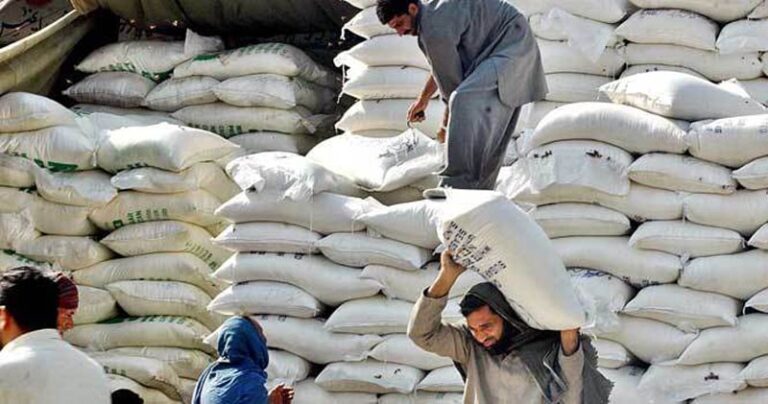
    UMERKOT: Flour mill owners in Umerkot district have rejected the government-fixed price of Rs128 per kilogram, arguing that the sharp increase in wheat prices has pushed their production costs far above the officially notified rate. The millers said the prevailing wheat price in the open market had climbed to around Rs125 per kilogram, while additional expenses related to milling, labour, electricity, transportation and other operations had increased the overall cost of producing flour to nearly Rs140 per kilogram. They maintained that selling flour at Rs128 per kilogram was therefore commercially unsustainable and would force mill owners to operate at a loss. In this regard, representatives of the flour milling industry have submitted written applications to the Mirpurkhas commissioner and the Umerkot deputy commissioner, requesting authorities to reconsider the existing flour price and determine a new rate based on prevailing market conditions and production costs. The mill owners also raised objections to what they described as excessive administrative action against flour mills across the district. They specifically complained about raids and wheat seizures allegedly carried out by assistant commissioners in Umerkot, Kunri, Samaro and Pithoro. According to the millers, government policy allows flour mill owners to maintain wheat stocks of up to 850 bags per stone at their mills or designated warehouses. They alleged that despite the provision, local administrative officials had conducted raids on mills and storage facilities and seized wheat stocks. The mill owners termed the alleged seizures unjustified and said such actions were creating additional difficulties for an already financially pressured industry. They urged the authorities to ensure that enforcement measures were carried out strictly in accordance with the relevant government policy. The millers further called for an investigation into alleged irregularities involving food department inspectors. They demanded that senior provincial officials examine the complaints and take appropriate action if any wrongdoing is established. They appealed to the Sindh chief minister, provincial food secretary, Mirpurkhas commissioner, Umerkot deputy commissioner and other concerned authorities to intervene in the matter and review the officially fixed flour price. The mill owners argued that the price should be determined after taking into account the current cost of wheat as well as electricity, labour, transportation, maintenance and other expenses associated with flour production. They warned that continued enforcement of a price they consider economically unviable could increase financial losses for flour mills and put further pressure on the district’s milling industry. The millers said they were willing to cooperate with the administration in maintaining the availability of flour and preventing unjustified price increases, but stressed that any official pricing mechanism must reflect actual market and production costs. They also urged the provincial government to establish a transparent mechanism for monitoring wheat stocks and flour prices so that disputes between millers and local administrations could be resolved through clear rules rather than repeated raids and seizures.

  • | | | |

    Trump weighs massive strike on Iran

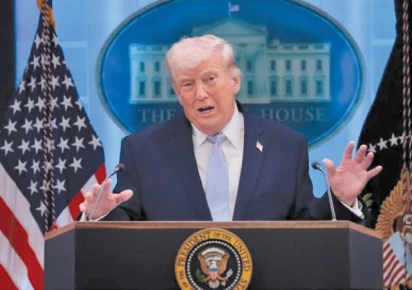
    US President Donald Trump is considering launching a new large-scale military operation against Iran, raising fears of a further escalation in tensions across the Middle East. According to reports, the proposed operation could be larger than previous US military strikes carried out against Iranian targets earlier this year. Trump said he was close to making a decision but stressed that no final order had been issued. He said the United States was fully prepared to act if necessary and claimed military plans were already in place. US officials, however, said no formal authorization for a new attack has yet been given. The US president also said Israel could join any future military operation if requested, although he maintained that American forces were capable of carrying out such an operation on their own. Trump accused Iran of refusing to accept the latest diplomatic proposal presented through mediation efforts. He claimed Tehran was delaying negotiations despite increasing military and economic pressure. The remarks came amid continued efforts by international mediators to prevent the conflict from expanding. The US president also warned that Washington would hold Iran directly responsible if Yemen’s Houthi movement launched further attacks on commercial shipping. His warning followed Houthi claims that they had targeted two Saudi oil tankers in the Red Sea using missiles and drones. Trump said any future attacks on commercial vessels would trigger a strong military response against both the Houthis and Iran. He accused Tehran of supporting the armed group and said the United States would not tolerate threats to international shipping routes. Iran responded sharply to the US statements. Foreign Ministry spokesman Esmaeil Baghaei warned American military personnel against targeting civilian infrastructure, saying attacks on facilities such as bridges and power stations would violate international law. He stressed that military personnel remain legally responsible for carrying out unlawful orders. US Secretary of State Marco Rubio said Washington’s main objective remains preventing Iran from acquiring nuclear weapons. He accused Tehran of repeatedly violating previous agreements and said the Iranian leadership continued to support armed groups across the Middle East instead of addressing domestic economic challenges. Rubio also urged Yemen’s Houthis to avoid becoming more deeply involved in the regional conflict. He said further attacks on Saudi Arabia or international shipping would only increase instability and could trigger broader military action. Meanwhile, Oman said it is working with Saudi Arabia, regional partners and the United Nations to revive Yemen’s political peace process. Omani officials called for restraint from all sides and emphasized the importance of protecting freedom of navigation in the Red Sea. Regional tensions continued to grow as Bahrain activated emergency warning sirens following reports of a possible Iranian attack. Authorities advised residents to remain calm and move to safe locations, although no casualties or damage were immediately reported. Jordan’s armed forces also announced that their air defence systems had intercepted several missiles and drones over the past 24 hours. Military officials said three missiles and six drones were destroyed before reaching populated areas, while another missile landed in an uninhabited location without causing damage. The Houthis said they carried out missile and drone attacks on two Saudi oil tankers as part of what they described as a maritime blockade. Shipping companies have already begun changing routes to avoid the Bab el-Mandeb Strait, increasing concerns over global oil supplies and international trade. Iranian military officials warned that if US attacks continue, Tehran will introduce new military strategies designed to make future operations more difficult for its opponents.

  • | | |

    Iran claims victory on military, political fronts

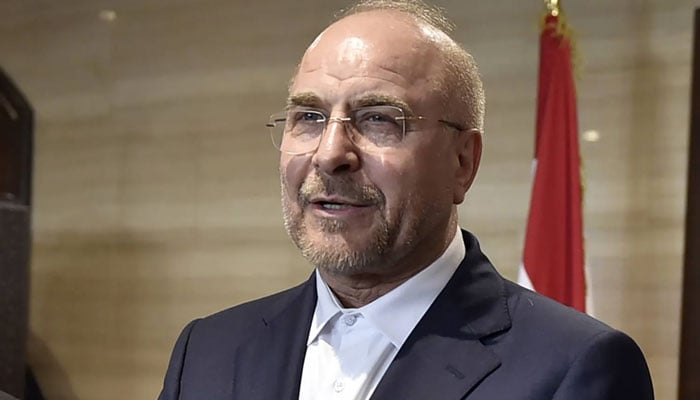
    Iranian Parliament Speaker Bagher Ghalibaf has claimed that Iran has emerged victorious on both the military and political fronts of the ongoing conflict. Speaking about the situation, Ghalibaf said Iran was facing what he described as an unjust war imposed by the United States and Israel. He said the Iranian nation was confronting the conflict with courage and determination. According to Ghalibaf, Iran had successfully resisted pressure on both the military and political fronts. Ghalibaf said the Iranian people had remained united despite the challenges created by the conflict. He praised their resistance and said the nation had shown that it could withstand pressure from powerful opponents. His remarks came after the General Staff of the Iranian Armed Forces said that Iran would not retreat until the United States and Israel were completely defeated. The Iranian military leadership said resistance had become part of the mindset of Iran’s younger generation. It claimed that the legacy of resistance had been passed from one generation to another. According to the Iranian Armed Forces, the country’s new generation had remained firm in the face of what it described as the world’s most powerful military forces. The military leadership also said Iran would continue its struggle to protect what it called its legitimate rights. It said Tehran would not abandon its position until the opposing side surrendered. The Iranian Armed Forces further accused the United States of continuing its aggression to expand its influence and establish dominance in the region. Iranian officials have repeatedly presented the conflict as a struggle against foreign aggression. They have also stressed the importance of national unity and resistance in facing military and political pressure.

  • | |

    US, Iran tensions rise over new sanctions

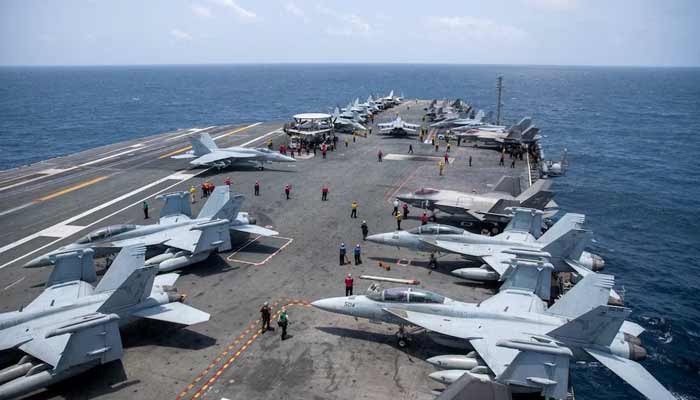
    The United States and Iran have stepped up their hostile rhetoric as Washington prepares to announce a new package of economic sanctions targeting Tehran and potentially countries that continue doing business with it. US Treasury Secretary Scott Bessent is expected to outline the measures on Monday, with Washington describing them as among the toughest sanctions imposed on Iran. The measures could also affect major trading partners, including China, which remains a key buyer of Iranian oil. Iran has rejected the planned sanctions, calling them an unlawful attempt by the United States to impose its authority beyond its borders. Iranian Foreign Ministry spokesperson Esmaeil Baghaei said secondary sanctions had no basis in international law. US President Donald Trump has warned countries providing economic support to Iran that they could face consequences. He said Tehran wanted an agreement but had not yet accepted what Washington considers acceptable terms. The confrontation comes as the war approaches its sixth month. Although the United States and Iran are not currently exchanging fire, diplomatic efforts to end the conflict remain stalled. The situation has also severely disrupted shipping through the Strait of Hormuz, a critical route for global energy supplies. Ship-tracking data showed that only a handful of commercial vessels crossed the waterway on Thursday, while major crude oil and liquefied natural gas carriers remained largely absent. Iran has nevertheless allowed several Iraqi oil tankers to pass through the strait after requests from Baghdad. The permission was reportedly discussed during the recent visit of Iranian Parliament Speaker Mohammad Bagher Ghalibaf to Iraq. Oil flows through the waterway have fallen sharply from pre-war levels. US officials said an average of around 8 million barrels of oil a day was moving through the strait, compared with more than 20 million barrels before the conflict. The disruption has contributed to higher oil prices and raised concerns about wider effects on the global economy. US military operations have inflicted heavy damage on Iran’s military capabilities and economy, but Tehran still retains missile and drone capabilities that could threaten shipping and regional targets. Washington has also yet to achieve some of its stated objectives, including fully determining the status of Iran’s nuclear programme and creating conditions for political change in Tehran. International nuclear inspectors have been unable to access Iran since 2025. Iranian military officials have continued to threaten a strong response to any further attacks. However, President Masoud Pezeshkian has called for a diplomatic solution and an end to the conflict. Iranian officials have also acknowledged the growing economic pressure. Ghalibaf warned that military strength alone would not be enough to sustain the country if economic activity, production and financial circulation continued to suffer.

Leave a Reply

Your email address will not be published. Required fields are marked *